

Did you know that damage from power surges in North Texas has doubled in the past decade? As Collin County faces intensified storm seasons and an increased reliance on sensitive electronics, new 2026 whole home surge protection code requirements are set to reshape how local homeowners protect—and insure—their most valuable assets. ABR Electric’s major code update brings a tidal shift, impacting every residential electrical panel, panel upgrade, and surge protector installation throughout the region.
Startling Facts: The Rising Importance of Whole Home Surge Protection New Code Requirements in Collin County TX
“The volume of power surge-related damage from storms in North Texas has doubled in the past decade.” – James Adams, Master Electrician
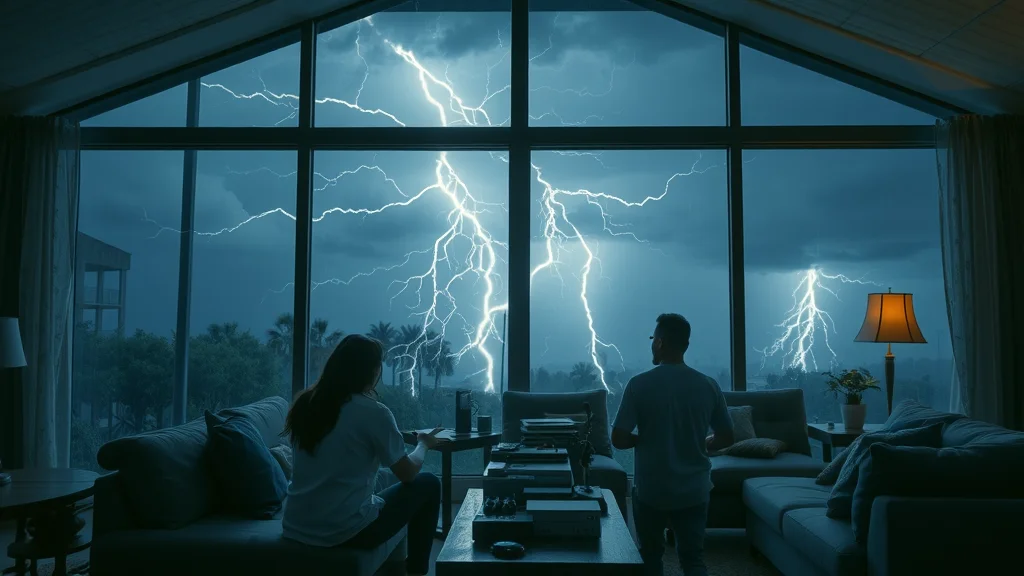
Why 2026 Whole Home Surge Protection New Code Requirements in Collin County TX Matter Now
Power surges are more than just a brief inconvenience—they can wreak havoc on a home’s entire electrical system, frying everything from refrigerators to smart TVs. With Collin County’s explosive growth in new construction and advanced electronics, the risks from voltage spikes and lightning have surged. The 2026 whole home surge protection new code requirements in Collin County TX represent a response to these escalating threats by demanding stricter protection at the panel level for every dwelling unit. Homeowners must now pay close attention; non-compliance could mean costly repairs, voided insurance, and compromised safety. The electrical code update ensures that both new builds and existing homes with panel upgrades or services equipment are armed with the latest in surge suppression—moving from optional upgrades to a new foundation of home safety.
Beyond individual protection, this initiative impacts the broader community, reducing infrastructure strain caused by repeated failures during seasonal storms. As James Adams, Master Electrician, frequently reminds homeowners: proactive surge protection doesn’t just prevent damage, it also shields your investments, family, and peace of mind. Whether you’re planning an EV charger install, upgrading kitchen appliances, or simply want to meet your insurer’s new demands, understanding the technical and practical drivers behind the 2026 code will be critical for Collin County residents.
What You'll Learn About Whole Home Surge Protection and 2026 Code Updates
- The latest 2026 whole home surge protection new code requirements in Collin County TX and what they mean for homeowners.
- Differences between house surge protectors, surge strips, and panel upgrades.
- How the national electrical code changes impact homeowners and contractors.
- Insightful quotes and recommendations from James Adams, Master Electrician.
Understanding Whole Home Surge Protection: Definitions, Functions, and Relevance
What Is Whole Home Surge Protection?

Whole home surge protection is a system designed to shield your entire house from harmful electrical surges, such as those caused by lightning strikes, power outages, or grid disruptions. Unlike simple surge strips that protect only a few plugged-in devices, a whole home system connects directly to your electrical panel—acting as a gatekeeper to stop dangerous voltage spikes from entering your home’s network of branch circuits and appliances. By intercepting excess energy before it travels through your house, this type of surge protector can prevent catastrophic damage to your HVAC, refrigerator, computers, smart home controls, and more. In Collin County, where thunderstorms are frequent and household electronics are abundant, this comprehensive protection is no longer a luxury but a code-mandated necessity for every dwelling unit and new panel upgrade.
Recent national electrical code changes have elevated surge protection standards. As technology advances and homes add electric vehicle (EV) chargers, rooftop solar, and high-demand appliances, our electrical infrastructure is exposed to more risks from power fluctuations. The 2026 requirements mean that every panel upgrade must include a compliant surge protector at the service entrance, helping safeguard not only big-ticket electronics but also the control system and ground fault protection mechanisms inside your walls. This seismic code evolution reflects both local weather realities and evolving homeowner needs.
Types of Surge Protection: House Surge Protector, Surge Strips, and Panel Upgrades
Not all surge protection works the same way. The three most common solutions are: house surge protectors (Type 1 or Type 2), surge strips, and comprehensive panel upgrades with built-in surge suppression. House surge protectors are hardwired directly onto your main panel or service equipment, intercepting surges traveling on both the line and load side—effectively guarding all branch circuits. Surge strips, often recognizable as power bars with a reset button, offer limited protection and are best for sensitive electronics in one spot, like your home office or entertainment system. However, these are not sufficient protection for the whole system and aren’t recognized by the latest national electrical code as a compliance solution.
Panel upgrades go further, integrating modern surge protective devices and ensuring your panel can handle increased loads—for instance, supporting EV chargers, advanced kitchen appliances, or expanded HVAC systems. A true panel upgrade in Collin County now means future-proofing your service equipment with the right capacity and surge protection devices to meet both local enforcement and family demands. Understanding these differences is critical for compliance, effectiveness, and peace of mind.
How Surge Protection Safeguards Your Electrical Panel & Home
The heart of surge protection is its ability to absorb, divert, and neutralize dangerous voltage before it damages your house. When a surge hits—from a lightning strike, downed power line, or a sudden grid switch—your house surge protector detects the voltage spike (which can be thousands of volts AC or volts DC, much more than branch circuit wiring tolerances). The device rapidly channels this excess energy to ground, protecting your electrical panel, appliances, and sensitive gadgets from burning out or experiencing long-term degradation. This process works seamlessly with existing fault protection systems like ground fault and arc fault circuit interrupters to maximize your home’s resilience.
“A house surge protector isn’t an optional luxury— it’s a necessity under the newest electrical code standards.” – James Adams
When installed as part of a panel upgrade or retrofit on the load or service side, a whole home surge protector delivers true defense across every branch circuit—ideal for modern dwelling units, including those planning additional power transfer needs for smart technology or electric vehicle chargers. In essence, whole home surge protection is a shield that keeps your assets—and your peace of mind—safe from unpredictable hazards.
2026 Whole Home Surge Protection New Code Requirements in Collin County TX: Key Changes
An Overview of ABR Electric's Announced Code Revisions

ABR Electric’s recent announcement signals a sweeping change for homeowners and contractors in Collin County. Beginning in 2026, every new panel upgrade, major remodel, or newly constructed home will be required to install a compliant surge protector at the service entrance. This update mirrors nationwide shifts in the national electrical code (NEC) but also incorporates local-specific criteria, given Collin County’s storm-prone climate and high rates of sensitive electronics in modern homes. The updated code mandates both Type 1 and Type 2 devices depending on the property use, increased requirements for continuous load calculations accounting for future electric vehicle chargers, and clear inspection protocols for service equipment upgrades.
For homeowners, ABR Electric’s leadership means clarity, reliability, and the peace of mind that comes from trusted local expertise. The revised code closes previous loopholes, eliminating ambiguity over whether surge protection is “recommended” or “required. ” Every panel upgrade, even on newer homes or expanded service equipment, must now feature protection rated for the unique risks of Collin County, sharply reducing the frequency and severity of power surge-related losses.
How the National Electrical Code Impacts Surge Protection and Panel Upgrades
The national electrical code (NEC) is a living document, updated every few years to address emerging risks and new technologies. The 2026 code cycle includes some of the strictest surge protection rules in history—reflecting lessons learned from increased power surge events, the proliferation of electric vehicle charging stations, and widespread adoption of smart home control systems. NEC now requires surge protectors on every panel upgrade and new build, with additional attention to load calculations for modern continuous load demands.
In practical terms, the national electrical code updates mean electricians can no longer use generic power strips or underpowered devices to claim code compliance. Instead, properly rated house surge protectors—verified by manufacturers like Schneider Electric—must be integrated into service equipment. As a result, Collin County’s electrical inspectors are equipped to enforce best practices that put community safety and resiliency first.
Schneider Electric and Industry Response to New Code Requirements
Top electrical manufacturers, especially Schneider Electric, have responded to the 2026 surge protection update with a new generation of whole home protective devices. These solutions offer rapid suppression of voltage spikes, improved monitoring interfaces, and clear installation compatibility with modern panel upgrades. The feedback from industry experts underscores that the new requirements aren’t just about ticking a box—they’re about increasing the lifespan of appliances, lowering insurance risk, and aligning electrical panels with future demands (such as EV charging and solar integration).
“Homeowners need to know—ignoring the new national electrical code can void insurance claims for surge damage.” – James Adams
With Schneider Electric’s leadership and ABR Electric’s on-the-ground implementation, Collin County sets a new precedent for regional safety and reliability. The collaboration of code-makers, local experts, and manufacturers ensures that 2026’s code isn’t just the letter of the law—it’s the backbone of a safer home.
Comparison Table: Old vs. New Whole Home Surge Protection Code Requirements
| Code Cycle | Surge Protection Scope | Installation Requirement | Applies To | Panel Upgrade Mandate |
|---|---|---|---|---|
| 2017 NEC | Optional in most cases; recommended for sensitive equipment | Surge strips and plug-in devices | New builds, some panel upgrades | Not consistently enforced |
| 2020 NEC | Type 1 or Type 2 surge protection for new homes and service upgrades | Required at main electrical panel | All new dwelling units, major panel upgrades | Varies by local enforcement |
| 2026 NEC (Collin County) | Mandatory whole home, panel-integrated surge protection; stricter capacity calculations | Service entrance and all panel upgrades | Every new home, retrofit, and service equipment upgrade | Strictly enforced by local inspectors |
Upgrading Your Electrical Panel for Surge Protection Compliance
Do You Need a Full Panel Upgrade or Can You Retrofit?
One of the top questions in Collin County is whether an existing panel can be retrofitted with a house surge protector or if a full panel upgrade is needed. In many cases, modern surge protectors can be added to relatively new, compliant panels—provided there’s enough space and the service equipment meets current load and branch circuit standards. However, for older homes, or where panels are undersized or lack room for additional protective devices, a comprehensive panel upgrade is essential. This ensures full compatibility with new surge devices, ample capacity for continuous load (especially where electric vehicles are concerned), and long-term compliance with national electrical code revisions.
ABR Electric can assess your panel and determine the most cost-effective path to compliance, balancing retrofit possibilities with the peace of mind only a complete upgrade can provide. Either way, any dwelling unit planning significant renovations, smart home upgrades, or EV charger installations should plan for a compliant surge protector as the backbone of their electrical system.
The Role of Schneider Electric Solutions for 2026 Compliance
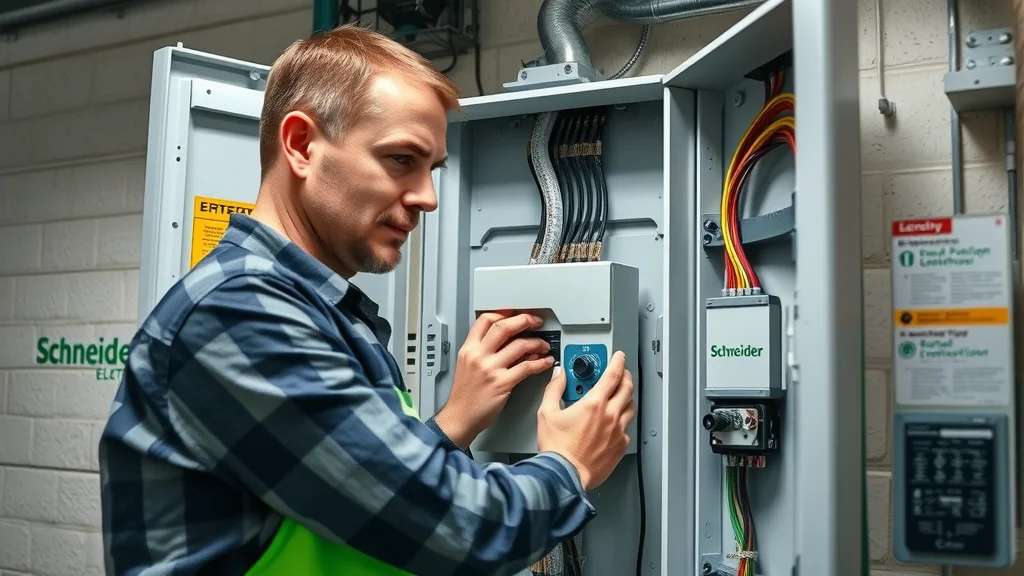
Schneider Electric has responded to the 2026 code shift by rolling out new surge protective devices specially tailored for panel upgrades in Collin County and other storm-prone regions. With more sensitive monitoring, rapid suppression of voltage swings, and proven compatibility with modern service equipment, their devices are now the gold standard. When ABR Electric installs or upgrades your panel with a Schneider Electric house surge protector, you’re investing in both present day security and long-term resilience—meeting stringent code requirements while preparing for future needs such as EV chargers or expanded continuous loads.
Whether you choose a Type 1 (service entrance) or Type 2 (panel-mounted) device, choosing a trusted manufacturer ensures both compliance and maximum real-world protection. Schneider Electric’s focus on safety and innovation is a big reason why their products are specified in most Collin County upgrades as 2026 approaches.
How Panel Upgrades Future-Proof Your Home Against Surges
Panel upgrades do much more than meet current code; they position your home to withstand tomorrow’s threats. Upgraded panels feature better fault protection, advanced surge absorption, and extra capacity for future expansion—essential in the era of smart thermostats, whole-home audio, solar, and electric vehicles. By installing a compliant surge protector, you’re creating a first line of defense against both exterior voltage spikes and interior electrical faults. The result is a home that’s safer, more insurable, and built for the future of continuous load electronics.
“Panel upgrades are sometimes required—even for newer homes—due to increased demands from electric vehicle charging.” – James Adams
As Collin County evolves—welcoming more high-tech homes and tightening enforcement—a proactive approach to panel upgrades is the best way to avoid costly emergencies and enjoy peace of mind with every electrical storm.
How Surge Protectors Work: Protecting Your House Against Power Surges
Differences Between Whole House Surge Protector and Surge Strips
The distinction between a whole house surge protector and power surge strips is more than just installation location—it’s about the scale and effectiveness of protection. Surge strips are portable devices that safeguard a handful of plugged-in electronics from voltage spikes, but their capability is limited. Whole house surge protectors, installed at the electrical panel, shield every branch circuit and device connected to your home’s wiring, catching surges whether they originate inside or outside the house. With the new code, only whole home solutions qualify for compliance in Collin County—surge strips alone are no longer considered sufficient defense.
Surge protectors at the panel use MOVs (metal oxide varistors) or similar components to absorb and divert voltage spikes, while surge strips offer only a fraction of this capability and are largely ineffective against major grid disturbances or direct lightning. In short, whole house solutions protect high-value investments—from your HVAC to your electric vehicle charger—whereas surge strips should be considered only as a minor supplement.
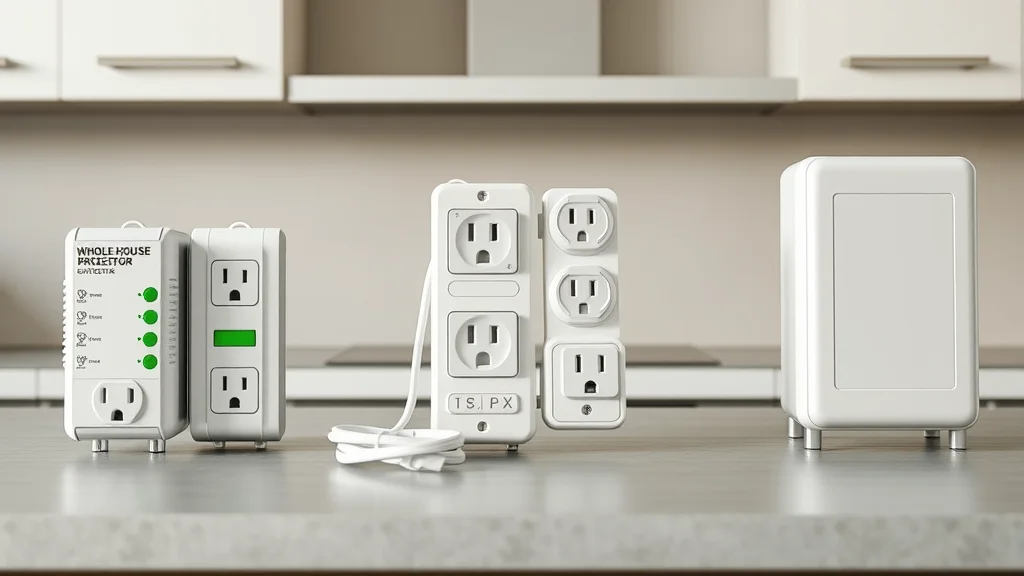
Placement of Surge Protectors and Maximum Effectiveness
For maximum surge protection effectiveness, a house surge protector must be professionally installed on the main electrical panel or at the service entrance for the dwelling unit. Placing the device as close to where power enters the home ensures that dangerous voltage spikes are intercepted before they can harm any branch circuits, appliances, or connected devices. Surge protectors should never be hidden in sub-panels or placed after sensitive electronics—early interception ensures the best results and meets the strictest code standards.
- Key surge protection factors by device type: house surge protector for the whole panel; surge strips only as supplementary, local protection.
- Best practices for installing whole home surge protectors: Always install on the load side of the main breaker, use manufacturer-approved wiring methods, and verify ground fault and branch circuit compatibility.
With the 2026 code, Collin County is moving toward a future in which panel-integrated surge devices are no longer optional. Proper placement, professional installation, and annual inspection are now essential for both compliance and real-world safety.
Common Misconceptions About Surge Protection and the National Electrical Code
Debunking Myths Around surge protection and house surge protector Installations

Many homeowners believe surge strips are sufficient for compliance, or that only old homes require house surge protector installations. In reality, the national electrical code now mandates panel-level surge protection for every new home, service upgrade, or major remodel in Collin County. Another common myth is that all surge protectors are created equal; in truth, only certified and properly rated devices, installed at the service entrance or main electrical panel, meet code requirements and actually protect all branch circuits, continuous loads, and dwelling units.
A further misconception is that these upgrades are only necessary for regions with frequent lightning. However, power surges can originate from the grid, internal circuit faults, or even fluctuations caused by electric vehicle chargers. Today’s code recognizes these new realities, making whole home protection a necessity for everyone—not just “high risk” homes.
What the National Electrical Code Really Says in 2026
The 2026 edition of the national electrical code (NEC) is clear: every new or upgraded electrical panel in a dwelling unit must include a properly rated surge protective device. The code specifies approved types, installation methods (service entrance or main panel), and ongoing maintenance procedures to ensure protective integrity over the system’s lifespan. Permitting and inspection processes are also updated, ensuring only licensed electricians can certify compliance—from the continuous load calculations to the final inspection sticker.
By aligning local rules with NEC updates, Collin County has clarified the expectations for everyone involved—homeowners, contractors, and inspectors. The new standards eliminate confusion and assure all parties that surge protection is not just best practice, but a legal requirement for safety and insurability.
Why Collin County TX Homeowners Must Pay Attention: Local Enforcement & Permitting
County vs. State Implementation of electrical code Revisions
While the national electrical code provides a regulatory framework for the entire country, adoption and enforcement of those rules fall to state and county agencies. In Collin County, officials have moved quickly to implement the new requirements for surge protection, leading the state in safety standards and inspection rigor. Local inspectors are specifically trained to identify compliant installations and to spot shortcuts that may fail in the face of a real power surge or voltage spike.
For homeowners and contractors, that means every permit application, inspection, and final sign-off is now subject to detailed review. The days of “just adding a surge strip” or ignoring panel upgrades during renovations are over; failure to comply can mean denied permits, rework, or even liability for damages during an insurance claim.
Permitting for Surge Protectors, Panel Upgrades, and Electrical Panel Compliance
“We’re seeing Collin County inspectors tighten enforcement on every new panel upgrade—no exceptions.” – James Adams

Any new panel upgrade, surge protector installation, or major electrical renovation in Collin County now requires a permit and a compliance inspection. Inspectors verify not only that a surge protector is present, but also that it matches capacity needs, is correctly installed on the load side, and is fully integrated with the dwelling’s fault protection systems. For homeowners and builders, this increases the importance of hiring licensed electricians who understand the new code and can navigate local permitting efficiently. Inadequate installations or skipped steps means failing inspection, paying costly re-inspection fees, and risking long-term safety hazards in your home’s branch circuits.
The Cost of Non-Compliance With Whole Home Surge Protection New Code Requirements
Insurance Implications: Are You Covered Without a House Surge Protector?

Non-compliance with whole home surge protection new code requirements in Collin County TX can have steep financial consequences. Insurance providers increasingly require proof of compliant surge protector installation before honoring claims related to power surge damage. Without a certified device protecting your panel upgrade, you could be left covering replacement costs for expensive electronics, HVAC systems, or appliances out-of-pocket—even if you thought you were covered. As Master Electrician James Adams emphasizes, “Ignoring the new code can void insurance claims for surge damage. ”
In many cases, insurers now request evidence of code-compliant installation by a licensed contractor, especially after a major loss event. Protecting your home and family means staying ahead of regulatory changes—and keeping documentation on hand for peace of mind should the unexpected occur.
Penalties, Fines, & Potential Hazards for Ignoring electrical code
Fines for ignoring mandated surge protection can be immediate, but the bigger risks are often long-term. Failing to install the correct surge protector is a violation of both local and national electrical code, leading to denied permits, stop-work orders, and the possibility of forced rework—which in turn costs more time and money. More importantly, ignoring these updates leaves your home vulnerable to fire hazards from uncontrolled voltage spikes, burned branch circuits, or even total panel destruction.
For property owners or landlords, non-compliance can mean liability if electrical faults cause harm to occupants or renters, especially in dwelling units covered under lease-purchase agreements. The safest—and most cost-effective—solution is to comply now rather than face penalties or post-disaster repair costs later.
Long-Term Savings: Why Surge Protectors Are Worth the Investment
Though installing a code-compliant house surge protector or upgrading your electrical panel may seem expensive at first, the long-term savings are enormous. A single power surge can instantly destroy appliances, computers, and irreplaceable smart devices—costing thousands in repairs. With a modern surge protector, these catastrophic expenses become a thing of the past. Over the life of your home, preventing just one major surge pays for the upgrade many times over. Panel upgrades also lower insurance risk, streamline future renovations, and ensure your home stays ready for the new era of electric vehicles and connected living.
Best Practices for Whole Home Surge Protection
- Choosing the right surge protector for your panel upgrade
- Scheduling regular electrical panel inspections
- Staying updated on new national electrical code requirements
For best protection, always work with licensed electricians familiar with both local and national codes. Schedule annual panel inspections and ask your provider to verify the integrity and lifespan of your surge protective device—some need replacement after a significant event. Following these best practices not only maintains compliance but preserves your home’s safety for years to come.
Walkthrough of ABR Electric’s Surge Protection Recommendations
This official video from ABR Electric provides step-by-step explanations of new code compliance, real-world surge incidents, and expert tips for integrating surge protection into every panel upgrade—a must-watch for local homeowners.
Expert Demo: Electrical Panel Upgrades and Surge Protector Placement
Learn from licensed electricians how a house surge protector is installed, inspected, and maintained according to both Collin County and 2026 national electrical code standards.
People Also Ask: Whole Home Surge Protection New Code Requirements in Collin County TX
[[paa]]
Answers to Top Questions About Surge Protection, House Surge Protectors, and Electrical Code Updates
Q: Are surge protectors required for every panel upgrade in Collin County now? A: Yes, under the 2026 code, every panel upgrade or major electrical renovation must include a compliant house surge protector installed by a licensed electrician.
Q: What’s the difference between a house surge protector and a surge strip? A: A house surge protector shields the whole home at the panel, while a surge strip protects just a few devices at the outlet—full panel protection is required for code compliance.
Q: Does the updated code require a specific brand? A: The code mandates verified, UL-listed devices. While it does not name a specific brand, trusted manufacturers like Schneider Electric are preferred for compatibility and inspection.
FAQs: 2026 Whole Home Surge Protection New Code Requirements in Collin County TX
-
Are surge protectors required on every new electrical panel upgrade?
Yes—new code mandates panel-mounted surge protectors for every upgrade and new home. -
What’s the difference between a house surge protector and a surge strip?
House surge protectors protect your entire panel and all connected circuits; surge strips only protect localized, plug-in devices. -
Does the national electrical code require a specific type or brand of surge protector?
The code requires UL-listed, properly rated surge protectors but does not specify brands; choose reputable manufacturers like Schneider Electric. -
How often should surge protection systems be inspected?
At least annually and always after a major surge event or panel upgrade. -
Will installing a house surge protector lower my insurance rates?
Many insurers offer discounts for compliant installations and may deny claims for surge damage without them.
Expert Quotes: James Adams, Master Electrician, on 2026 Surge Protection Reform
“Every electrical panel in Collin County should meet the new surge protection standards—there’s no alternative after 2026.” – James Adams
“Expect the adoption of whole home surge protection new code requirements in Collin County TX to set a precedent for surrounding areas.” – James Adams
Key Takeaways: 2026 Whole Home Surge Protection New Code Requirements in Collin County TX
- Compliance protects your home, investments, and family.
- Panel upgrades and house surge protectors are increasingly mandatory.
- Stay informed and consult a licensed, qualified electrician.
Ready for the 2026 Code? Schedule a Whole Home Surge Protection Consultation With ABR Electric
Take action today—schedule an inspection or consultation with ABR Electric to ensure your panel upgrade, surge protector installation, and complete electrical system meet the strictest 2026 whole home surge protection new code requirements in Collin County TX.




Write A Comment