
UPDATE
  • Home
  • Categories
    • Business and Economy
    • Community
    • Small Biz
    • Policy and Law
    • Real Estate
    • Modern Life
    • Explore the U.S
May 29.2026
3 Minutes Read

Building a Mission-Driven Company: The Key to Attracting Top Talent

Mission-driven company professionals collaborating in modern office.

Understanding the Power of Mission-Driven Companies

In today's competitive job market, attracting and retaining top talent has become increasingly complex. One vital strategy organizations can adopt is to build a mission-driven company. But what does this mean, and how can it impact your workforce?

Mission-driven companies place a central emphasis on their core values and purpose, fostering a work environment where employees feel passionate about their contributions. This alignment inspires not just loyalty but also higher levels of productivity and innovation. As individuals increasingly seek workplaces that align with their personal beliefs, creating a strong company mission can be the key to unlocking a motivated and engaged workforce.

The Benefits of Building a Purposeful Company

When organizations operate with a mission that resonates with employees, the benefits are clear. A survey conducted by LinkedIn indicates that employees who understand their company’s mission are 54% more likely to be engaged and committed to their workplace. This connection fuels a sense of belonging and purpose, which is invaluable in retaining talent.

A mission-driven culture is attractive to potential hires, differentiating a company in the crowded job market. Top talent now often evaluates potential employers based on corporate responsibility and mission alignment. According to a study by Gallup, 71% of employees who feel their company is making a positive impact on society are likely to remain in their current jobs.

Actionable Insights for Leaders

For business leaders, fostering a mission-driven culture entails clear communication and consistent action. Start by defining your company's mission clearly and ensuring all employees understand it. Regularly discuss the mission in team meetings and company communications to continually emphasize its importance.

Engaging employees in activities related to the mission can also reinforce this connection. For example, if your organization prioritizes sustainability, consider organizing volunteer opportunities focused on environmental initiatives. These experiences cultivate teamwork and shared values, further solidifying the mission in daily operations.

Counterarguments and Diverse Perspectives

While many leaders advocate for a mission-driven approach, critics argue that focusing too heavily on missions can distract from business objectives. It’s essential to find a balance between pursuing a compelling vision and achieving financial success. However, numerous studies reinforce the idea that when employees are engaged with a mission, the returns often outweigh the risks. Organizations that blend their mission with strategic objectives frequently report not only improved employee satisfaction but also enhanced overall performance.

Future Predictions for Workforce Dynamics

As we look ahead, the trend toward mission-driven workplaces will likely grow stronger. With a new generation entering the workforce, values-driven companies may become a standard expectation rather than a competitive advantage. This shift will require companies to adapt and innovate continuously. In turn, those willing to prioritize their missions will likely find themselves in a stronger position to attract and retain not just employees but also customers who share similar values.

Conclusion: The Importance of Intentionally Crafting Your Mission

Building a mission-driven company is not just about enunciating a catchphrase. It involves a deep commitment to aligning every aspect of the organization with its stated purpose. As the market evolves, businesses that genuinely embody their missions will foster environments where talent thrives. Now is the time to assess how your company can embrace a mission-driven culture and cultivate a workforce that is not just successful but also genuinely engaged and passionate about their work.
Community

0 Comments

Write A Comment

*
*
Please complete the captcha to submit your comment.
Related Posts All Posts
06.01.2026

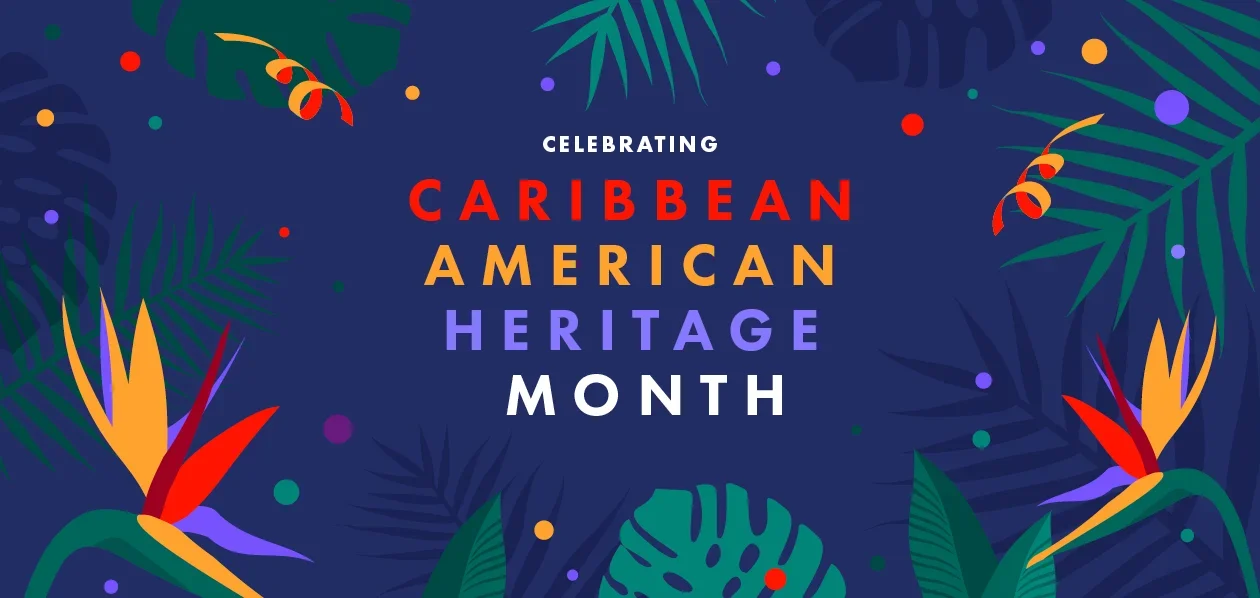
Discover What the Institute of Caribbean Studies Unveils for 2026

20th Anniversary Theme Spotlight: “Celebrating 20 Years of Caribbean American Heritage Month: Honoring Our Past, Transforming Our Present, Claiming Our Future”WASHINGTON, DC – June 1, 2026With the unveiling of the 2026 National Caribbean American Heritage Month theme, the Institute of Caribbean Studies sets the stage for a landmark celebration: “Celebrating 20 Years of Caribbean American Heritage Month: Honoring Our Past, Transforming Our Present, Claiming Our Future. ” At the heart of this announcement is a two-decade journey of recognition, resilience, and cultural pride led by the institute of Caribbean studies unveils 2026 theme for national caribbean american heritage month and its visionary founder. This milestone calls communities across the United States to reflect on how far Caribbean Americans have come and what the future holds for the vibrant diaspora.For those interested in the origins and ongoing impact of this annual observance, a detailed overview of Caribbean American Heritage Month—including its history, significance, and key milestones—can be found on the Caribbean American Heritage Month official resource page. This resource offers additional context for understanding how the month has evolved and why it remains vital to the Caribbean American community.Founded on the principle that America’s greatness lies in its diversity, the Institute of Caribbean Studies (ICS) has been the mothership behind the efforts to commemorate June as National Caribbean American Heritage Month. The 2026 theme is a clarion call to honor the legacy of Caribbean American trailblazers, amplify ongoing contributions, and envision the next chapters of the Caribbean American story—across arts, academia, business, and public service.The journey toward official recognition began in 1999 when ICS, led by Dr. Claire Nelson, advocated at the highest levels of government. That year, the Institute of Caribbean Studies reached out to the White House and, alongside grassroots partners, began building momentum for what would become a transformative heritage movement. By 2000, the ICS assumed leadership of the campaign, organizing the first official events in Washington, DC, and uniting disparate efforts under the National Caribbean American Heritage Month banner.Progress in the early 2000s was gradual but impactful. The ICS rallied organizations such as the TransAfrica Forum and the Caribbean Staff Association of the World Bank to raise awareness. The turning point came in 2004, when Congresswoman Barbara Lee introduced a bill—drafted with key input from ICS leadership—recognizing June as the official month for Caribbean American heritage. Victory was achieved in 2006, cemented by a presidential proclamation from George W. Bush, and an annual tradition of national celebration began.Since that historic proclamation, June has provided a national platform for Caribbean Americans to showcase their indelible influence on the fabric of US society. From Founding Father Alexander Hamilton to modern innovators like Malcolm Gladwell, the contributions of Caribbean Americans span centuries and fields. Every year since, the White House has reaffirmed its commitment by issuing an annual proclamation, and the momentum continues with new generations building upon a powerful foundation.The institute of Caribbean studies unveils 2026 theme for national caribbean american heritage month is more than a milestone; it is an invitation for all Americans to deepen their appreciation for the stories and legacies that shape the nation. As ICS looks toward the next 20 years, the organization remains dedicated to engaging the community, fostering dialogue, and championing the creativity and achievements of the Caribbean American experience. This anniversary serves as a pivotal bridge—linking an extraordinary past to a visionary present and an even brighter future.With “Celebrating 20 Years of Caribbean American Heritage Month: Honoring Our Past, Transforming Our Present, Claiming Our Future,” the Institute of Caribbean Studies intends to spark meaningful reflection, dialogue, and action. The 2026 theme underscores the organization’s leadership in nurturing cultural pride, advancing recognition, and bridging the Caribbean American community with the broader American story.Join the Institute of Caribbean Studies in this historic moment to build greater understanding and appreciation for the Caribbean American experience. Learn more about the theme and how you can participate in the 20th anniversary celebrations by visiting our official website.As you reflect on the significance of this 20th anniversary, consider exploring the broader landscape of Caribbean American Heritage Month and its evolving role in shaping cultural identity nationwide. Delving deeper into the official resource hub can provide valuable insights into past celebrations, upcoming initiatives, and ways to get involved in future events. Whether you are an educator, community leader, or simply passionate about heritage, there are countless opportunities to connect and contribute. Discover how the ongoing recognition of Caribbean American achievements continues to inspire new generations and foster unity across communities by visiting the Caribbean American Heritage Month information center.About the Institute of Caribbean Studies: The Institute of Caribbean Studies is the pioneering force behind National Caribbean American Heritage Month, advocating for recognition and celebration of the Caribbean American community for over two decades. Through advocacy, education, and partnership building, ICS elevates Caribbean voices and advances cultural understanding. Discover more about our legacy, impact, and initiatives at www.icsdc.org.Media Contact:Phone: +1 202-638-0460Website: https://www.icsdc.orgThe Institute of Caribbean Studies (ICS) has announced the 2026 theme for National Caribbean American Heritage Month: “Celebrating 20 Years of Caribbean American Heritage Month: Honoring Our Past, Transforming Our Present, Claiming Our Future. ” This milestone marks two decades of recognizing the significant contributions of Caribbean Americans to the United States.For a comprehensive understanding of the history and significance of Caribbean American Heritage Month, the ICS provides detailed information on their official website. This resource outlines the journey from the initial petition in 1999 to the official proclamation in 2006, highlighting the efforts led by Dr. Claire Nelson and the ICS. (icsdc.org)Additionally, the U.S. Congress has recognized the importance of this observance through resolutions such as H.Res.547, which supports the goals and ideals of National Caribbean American Heritage Month and encourages appropriate ceremonies and activities. (congress.gov)These resources offer valuable insights into the establishment and ongoing celebration of Caribbean American Heritage Month, emphasizing the enduring impact of Caribbean Americans on the nation’s history and culture.

05.30.2026

Revived Funding for Beach Renourishment in Pinellas County: What It Means

Update Understanding the Importance of Beach Renourishment Beach renourishment is a critical environmental strategy designed to replenish sand on eroded beaches, protecting local ecosystems and supporting tourism. In Pinellas County, Florida, this vital process has faced considerable challenges, leading to an 11-year standoff between the local government and the Army Corps of Engineers. This prolonged dispute concerned the financial contributions and legal agreements necessary to continue maintaining the beaches, which are essential to the wellbeing of the region. The Recent Agreement: A Major Turn in Policy On May 29, 2026, following years of negotiation, the Army Corps of Engineers and Pinellas County signed an agreement reinstating federal funding for 65% of beach renourishment projects. This agreement comes after a significant change in policy concerning the easement requirements that had previously stalled projects. The Army Corps acknowledged Florida's unique legal framework, allowing temporary easements during the construction phase rather than perpetual easements that require homeowner sign-offs indefinitely. This shift is expected to boost cooperation and compliance among beachfront homeowners, a critical element for the success of future renourishment efforts. Why Beach Renourishment Matters Pinellas County's beaches are not just picturesque venues; they contribute significantly to Florida's robust tourism industry—valued at approximately $11 billion. Renourishment enhances beach aesthetics, ensures public safety, and supports local economies reliant on tourism and recreational activities. As coastal erosion continues to increase due to climate change, such projects are essential for maintaining the integrity and accessibility of Florida’s shores. Community Impact and Future Implications The recent agreement is not only a win for local governments, but it also reflects a broader recognition of community needs versus bureaucratic process. Local officials, including Rep. Anna Paulina Luna, underscored that collaboration between various levels of government was crucial in overcoming the previous impasse. Their efforts signal a renewed commitment to protecting coastal areas, a move likely to influence similar agreements in other regions facing coastal erosion challenges. What Comes Next for Pinellas County? Going forward, Pinellas County officials will urge homeowners to sign the temporary easements needed for the next round of renourishment projects. With the restructuring of the easement policy, officials are optimistic that more homeowners will participate, ensuring the projects can move forward efficiently. The expected savings over the next few decades are projected to be substantial, relieving financial burdens that have historically fallen on the county. Concluding Thoughts: A Sustainable Path Forward This renewed partnership between Pinellas County and the Army Corps marks a significant step towards sustainable coastal management. As officials embrace collaborative strategies and adapt policies to meet local needs, the future of beach renourishment in Florida looks promising. As communities invest in maintaining their natural resources, they not only preserve their environments but also safeguard their economic futures. Continued support and awareness of these initiatives are crucial as they pave the way for resilient coastal ecosystems.

05.29.2026

The Importance of Building a Mission-Driven Company for Talent Retention

Update Why Mission-Driven Companies Matter In a world where employees increasingly seek deeper meaning in their work, establishing a mission-driven company is not just beneficial—it's essential. Today's workforce prioritizes alignment with their organization’s values, especially younger generations like Millennials and Gen Z who are not just looking for competitive salaries but rather for purpose in their career paths. A recent survey indicated that a staggering 44% of Gen Z employees and 45% of Millennials have left jobs due to the absence of a meaningful purpose. The High Cost of Employee Turnover High employee turnover can silently sap resources and cut into productivity, creating a cycle where staff morale decreases and overall company performance suffers. Researchers advocate for purpose-driven initiatives that provide a clear mission, resulting in significant retention rates. Companies that engage employees in meaningful programs experience a 52% reduction in turnover among new hires participating in those initiatives. By fostering an environment where employees can feel they contribute to something larger than financial gain, companies enhance their workplace culture and decrease turnover. Strategies for Cultivating a Mission-Driven Workforce To attract and keep top talent, organizations must take proactive steps to align their mission with employee aspirations. Here are several effective strategies drawn from successful case studies: Integrate Values into HR Processes: Establishing HR practices that mirror your mission—ranging from recruitment to performance evaluations—can create a strong cultural alignment. Offer Competitive Compensation and Benefits: While many nonprofits and other organizations may not match corporate salaries, they can offer robust benefits such as flexible working arrangements and professional development opportunities that prioritize employee well-being. Create Clear Career Pathways: Articulating clear paths for advancement fosters retention. Employees should understand how they can progress within the organization and see tangible opportunities for growth. Cultivate Inclusion and Belonging: A culture characterized by openness and feedback encourages employee engagement, fostering connections among staff. Initiatives like town halls and mentorship programs can support this development. Prioritize Mental Health and Prevent Burnout: Organizations must proactively manage workloads and support wellness through resources for mental health and coaching. Effective leadership committed to employee well-being influences retention positively. Leveraging Purpose-Driven Programs Companies such as Cisco and Guardian are exemplary models of integrating purpose into their core strategies. Cisco's study showed a direct correlation between employee participation in volunteer programs and lower attrition rates among new hires. When employees actively participate in initiatives that reflect shared values, their engagement increases, enhancing both morale and overall performance. Conclusion: Build Your Mission-Driven Future The transition to a mission-driven workplace requires intention and commitment. By embedding purpose in every layer of your organization—be it through recruitment, culture, or employee engagement—leaders can cultivate an environment where employees feel valued and motivated. The path toward retaining top talent lies in aligning corporate values with personal motivations, creating a ripple effect that supports both employees and the mission at large. As organizations strive to recruit and retain the best talent, embracing a mission-driven ethos emerges as not just an ethical approach but a strategic necessity. To explore how to implement these practices effectively within your organization, consider consulting with experts in the field.

Terms of Service

Privacy Policy

Core Modal Title

Sorry, no results found

You Might Find These Articles Interesting

T
Please Check Your Email
We Will Be Following Up Shortly
*
*
*