

The 40% Risk: Why Delayed Commercial Roof Repair in Houston is Your Biggest Business Liability in 2026
Did you know that over 40% of commercial roof damage in Houston isn’t addressed until it leads to major, costly interior losses? In Houston’s demanding climate, commercial roof issues escalate quickly, leaving business owners vulnerable to unexpected expenses and operational disruptions. This comprehensive examination of commercial roof repair Houston reveals how local climate pressures, common repair failures, and strategic choices can make or break your property’s future. Read on for actionable steps to protect your investment, minimize costly repairs, and choose the right roofing partner for your needs.
"According to industry data, over 40% of commercial roof damage in Houston is not addressed until it causes major interior losses."
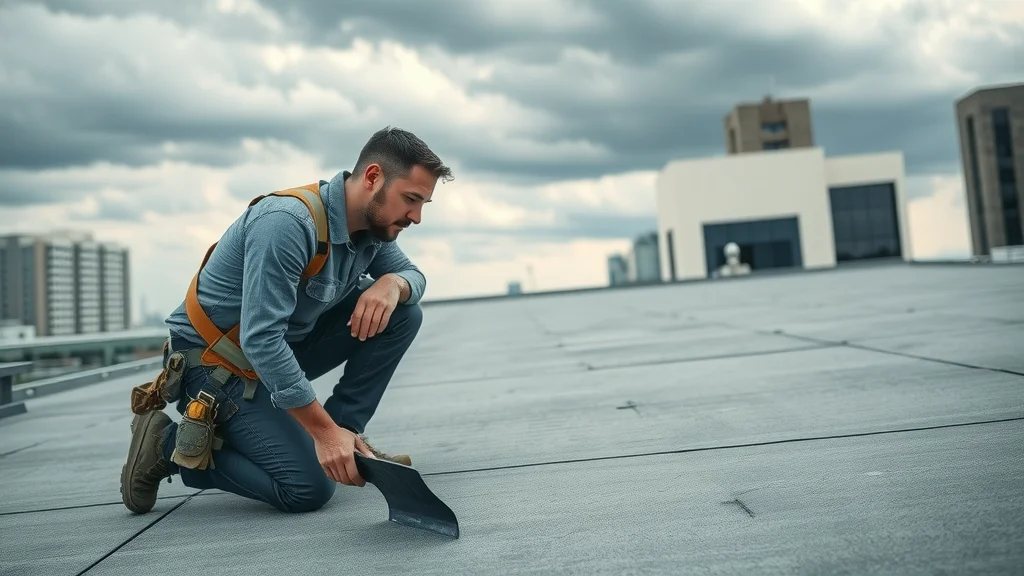
Startling Facts About Commercial Roof Repair Houston Delays
Delays in commercial roof repair Houston can have significant impacts far beyond the initial cost of repairs. According to industry analysis, when commercial roof issues are left unattended, more than 40% result in major interior damage, affecting not only the building’s structure but also critical business equipment, inventory, and daily operations. Houston’s climate—with intense heat, sudden thunderstorms, high winds, and frequent hail—accelerates the rate of damage compared to the national average.
This urgency is compounded by the frequent gap between the first appearance of a roofing issue and the decision to actually call a roofing contractor for a proper inspection. Owners may underestimate minor leaks, patch over problems, or delay maintenance hoping to save costs. Unfortunately, this approach often results in the need for emergency roof repair, which is significantly more expensive and disruptive than scheduled maintenance or planned replacement. Choosing to address roof issues promptly ensures a safer property environment and far lower long-term costs—a crucial insight for any Houston commercial property owner.
How Commercial Roof Repair Houston Impacts Business Operations
Commercial roof repair in Houston is far more than a maintenance task—it’s a business continuity strategy. Leaks, pooling water, and storm damage can disrupt operations, causing downtime, lost revenue, and even safety hazards for staff and customers. In industries like retail, manufacturing, and logistics, a compromised roof system can bring critical activities to a halt.
Furthermore, delayed repairs can lead to emergency situations that demand immediate attention, skyrocketing costs, and exposing property owners to liability risks. Professional roofing contractors emphasize that regular roof inspections and planned roofing services dramatically reduce these risks, ensuring that small issues are handled before becoming major crises. For businesses in Houston, proactive roof care is an operational necessity, not a luxury.
What You'll Learn About Commercial Roof Repair Houston
Why Houston’s weather accelerates commercial roof repair needs
Common causes of commercial roof system failure in the Houston area
Mistakes owners make with roofing contractors and insurance
Best practices for fast, lasting commercial roof repair Houston
Understanding Houston’s Unique Commercial Roofing Challenges
The Houston region poses distinctive challenges for commercial roofing due to its unpredictable climate. Seasonal storms, tropical downpours, pervasive humidity, and searing summer heat all take a toll on commercial roofs. Ensuring your building maintains safety and operational reliability starts with understanding these local factors and how they impact every decision—from material selection to ongoing maintenance.
Houston's complex regulatory environment and evolving building codes further influence the options for commercial roof repair Houston. These conditions demand not only a robust roofing system but also an approach that is agile, compliant, and protective against unpredictable weather extremities. Identifying the risks and knowing how to mitigate them are essential responsibilities for every property manager or building owner in the Houston commercial sector.
Extreme Weather and Houston Commercial Roofing Systems
Houston’s commercial properties are exposed to some of the harshest weather conditions in the southern United States. Thunderstorms bring wind-driven rain, hail, and flying debris, risking punctures and membrane tears. Prolonged heatwaves can accelerate aging in roofing materials, leading to brittle surfaces and weakened seams. These factors can compromise the performance of even the most well-constructed commercial roofing system.
It's common for metal roofs, modified bitumen, and membrane systems to experience faster wear in this environment. Over time, UV exposure and repeated thermal expansion create vulnerabilities that only routine maintenance and timely roof repair can resolve. Houston commercial building owners benefit from choosing systems engineered for resilience—such as reinforced TPO or fluid-applied membranes—and maintaining them proactively to withstand local weather extremes.

The Role of Roof Inspections in Preventing Emergency Roof Repair
Regular roof inspections are a cornerstone of successful commercial property management in Houston. Scheduled, professional assessments can detect hidden vulnerabilities, moisture intrusion, and early signs of surface degradation well before these issues escalate into emergency roof scenarios. This approach helps business owners budget for repairs, schedule non-disruptive maintenance, and avoid the steep cost premiums associated with 24/7 emergency roof services.
Local experts recommend biannual inspections as a standard for Houston commercial properties, particularly following periods of severe weather. A licensed roofing contractor conducting thorough inspections will often provide a detailed photo report, documenting potential problem areas and offering recommendations tailored to the specific roof system. This not only extends the life of your roofing system but also establishes a well-documented maintenance history—crucial for successful insurance claims and warranty compliance down the line.
Houston Commercial Roofing Risks vs. National Averages
Risk Factor |
Houston |
National Average |
|---|---|---|
Annual Severe Storm Events |
12-18 per year |
4-6 per year |
Avg. Roof Lifespan (Flat/Low-Slope) |
12-15 years |
18-22 years |
Hail Frequency |
High |
Low-Medium |
Insurance Claim Frequency |
Above Average |
Average |
Typical Roof Lifespans for Commercial Properties in Houston
In Houston, the typical lifespan for a commercial roof can be up to 30% shorter than national norms. Flat or low-slope membrane systems, such as TPO or modified bitumen, average 12-15 years before requiring major repairs or replacement—compared to 18-22 years in milder climates. Metal roofing can occasionally approach 20-25 years with diligent maintenance, but is also prone to damage from hail and rapid temperature fluctuations.
These reduced lifespans highlight the importance of proactive investments in quality materials and regular roof maintenance. Businesses that budget for inspections, minor repairs, and fast response to storm damage typically find they can extend the life of their commercial roofing system and avoid more frequent, disruptive replacements. When it comes to commercial properties in Houston, having a maintenance plan isn’t optional—it’s essential.
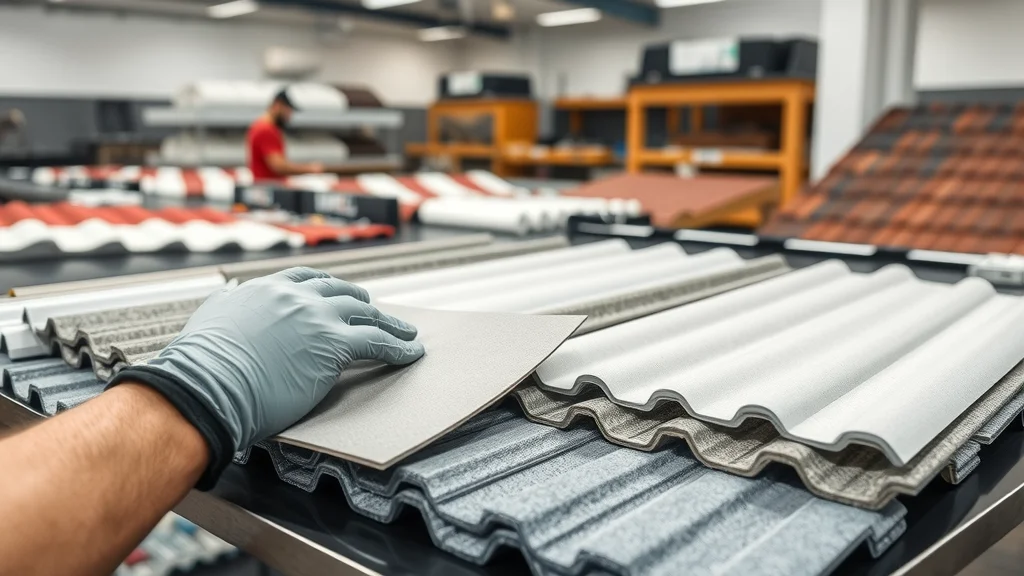
Common Patterns of Commercial Roof Repair Failures in Houston
The most frequent failures in Houston-area commercial roofing projects stem from avoidable mistakes—both in planning and execution. One prevalent error is delayed maintenance: business owners postpone routine inspections or overlook small leaks, leading to far more intensive repairs. Missed or inconsistent inspections allow hidden damage, like trapped moisture or membrane blisters, to progress out of sight.
Another common mistake is poor system selection or trusting ill-equipped contractors. Houston’s combination of heavy rain, intense UV exposure, and rapid temperature shifts means not every roofing material performs equally well. Relying on a low-cost solution or a contractor unfamiliar with local conditions often results in premature failure. Finally, underestimating the cumulative impact of storms—particularly hail—can lead to significant insurance gaps and disputes when damage is eventually discovered.
Delayed maintenance and missed roof inspections
Improper roof system selection for Houston climates
Choosing the wrong roofing contractor for commercial roofing services
Underestimating storm and hail damage impact
How to Choose the Right Commercial Roof System for Houston’s Climate
Selecting an appropriate commercial roof system is pivotal for long-term building performance. Houston's weather profile favors materials that can withstand expansion, contraction, and routine encounters with water and debris. Property owners must weigh up-front costs against material resilience, ease of maintenance, and manufacturer warranties tailored to local risks.
Consulting with experienced, locally knowledgeable roofing contractors is invaluable during this process. The best results come from matching a roof system’s technical specifications to Houston’s requirements—an approach that not only extends the life of the roof, but also lowers total cost of ownership.
Comparing Quality Commercial Roofing Materials
Houston’s commercial market typically centers on four main systems: modified bitumen, TPO membranes, PVC membranes, and standing seam metal roofs. Modified bitumen, known for multi-layer protection, excels in areas with high rainfall. TPO and PVC membranes are valued for their energy efficiency and flexible installation options, but depend on skilled installation for durability. Metal roofs, while more expensive initially, can outlast membrane systems if protected from hail and regularly maintained.
Each system brings trade-offs. For example, TPO reflects heat but can be punctured by debris, while metal roofs handle wind yet are prone to noise and denting. Houston’s leading roofing companies often recommend a hybrid or layered approach—such as adding insulation beneath membranes—to maximize storm resilience and lower cooling costs for commercial buildings. Ultimately, the best choice comes from balancing weather resistance, energy savings, and long-term maintenance demands.
Roof Replacement Timing: How and When to Schedule Commercial Roof Repair Houston
Proactive planning is essential for trouble-free roof replacement in Houston. The region’s wet spring and hurricane season make late fall and early winter the ideal windows for scheduling significant roofing services. Waiting until leaks become persistent or heavy damage occurs often leads to emergency roof repairs when contractors are at their busiest, costs are highest, and weather is most unpredictable.
A comprehensive roof inspection—including moisture scans and core sampling—should always precede major roof work. This diagnostic process helps prioritize replacement versus repair and ensures accurate budgeting. Reputable roofing contractors in Houston will also factor in building occupancy, safety requirements, and adjacent property risks when planning timelines and logistics for your commercial roof system upgrade.
Insurance Realities for Commercial Roof Repair Houston
Insurance coverage can make or break the financial outcome of a Houston commercial roofing project. Many property owners are surprised by policy exclusions or limitations, especially around “wear and tear” versus “sudden damage.” It’s critical to clarify the distinctions between roof repair and full roof replacement when filing a claim, as insurers often scrutinize the cause and maintenance history before approving payments.
Keeping impeccable, time-stamped inspection and maintenance records becomes invaluable if a dispute arises. Many claims are denied due to insufficient documentation or questions about whether the damage could have been prevented with better maintenance. Partnering with an experienced roofing company that provides detailed inspection reports can help you navigate claims and maximize coverage for your repair or replacement.
Navigating Claims: Roof Repair or Roof Replacement?
Insurance adjusters evaluate several factors when considering whether to approve a roof repair or require a full replacement. These include the age and condition of the roof, the severity and type of damage, and past maintenance activities. In Houston, storm and hail claims are common, but payout levels may differ greatly depending on the roof’s documented history and how quickly problems were reported and addressed.
It is wise to consult both your insurer and an independent roofing contractor for a third-party assessment. If the roofing issue stems from a recent storm or event, immediate action—such as emergency repairs, tarping, and professional assessment—helps meet insurance deadlines and prevents further damage. Understanding the fine print in your policy and having clear documentation are key to avoiding coverage disputes and funding gaps.
Roof Maintenance and Documentation for Insurance Success
Consistent documentation is the backbone of a successful roofing claim. Routine roof maintenance logs, complete with photographs and reports, establish a baseline that insurers use when verifying the cause and extent of roof damage. Regular inspections—especially from certified Houston roofing companies—ensure that you maintain compliance with warranty standards and can demonstrate due diligence in property care.
Businesses that invest in professional roofing services—including after major weather events—are well-positioned to secure insurance coverage without costly delays. If claims are denied or disputed, having thorough documentation empowers owners to negotiate, appeal, or seek a reinspection. This diligence can make the difference between a full roof replacement and a costly out-of-pocket repair after disaster strikes.
Avoiding Costly Mistakes in Commercial Roof Repair Houston
Avoiding costly mistakes with your commercial roofing system starts with the basics: thorough documentation, demanding transparent quotes, and clear understanding of when a repair is sufficient versus when a full roof replacement is warranted. Many Houston owners get into trouble by skipping documentation, trusting unvetted contractors who don’t explain their process, or attempting temporary fixes that mask larger issues.
Transparency from your roofing contractor is crucial. Insist on detailed proposals that specify material choices, scope of work, and warranty coverage. Review references and credentials, as reputable companies will have a proven history in Houston’s unique climate. Finally, ensure you obtain and keep all records—these will serve as your first line of defense if future problems or insurance questions arise.
Documenting roof inspections regularly
Demanding transparent roofing company quotes
Understanding the difference: repair vs. full roof replacement
Key Takeaways: Fast, Reliable Commercial Roof Repair Houston
Act quickly—Houston’s climate accelerates roof wear
Scheduled inspections catch issues before emergency roof situations
Work with reputable commercial roofing contractors for long-term protection
People Also Ask: Commercial Roof Repair Houston
How often should commercial roofs be inspected in Houston?
Answer:
In Houston, commercial roofs should be inspected at least twice per year—ideally during spring and fall. After major weather events like severe storms or hail, an immediate inspection is recommended. Biannual inspections ensure early detection of damage, help maintain warranty compliance, and allow for prompt repairs that prevent more extensive and expensive problems in the future.
What is the average cost of commercial roof repair in Houston?
Answer:
The average cost of commercial roof repair in Houston ranges from $5,000 to $15,000, depending on the roofing system, size of the property, and severity of damage. Emergency roof repairs or complex roof replacements may cost significantly more, especially if structural or interior damage is involved. Regular maintenance helps minimize costs by identifying and resolving issues before they escalate.
What types of commercial roofing systems work best in Houston’s climate?
Answer:
Commercial roofing systems that excel in Houston include modified bitumen, TPO, and PVC membranes for flat roofs, as well as standing seam metal roofs for sloped applications. These materials offer superior resistance to heat, moisture, and storms when properly installed by experienced commercial roofing contractors. The best system depends on the property’s unique needs and exposure to local weather patterns.
How do I know if my commercial property needs roof replacement or repair?
Answer:
Signs that your commercial property may need roof replacement rather than repair include widespread membrane blistering, recurring leaks, visible structural damage, or when the roof’s age exceeds the typical local lifespan (usually 12-15 years for membrane systems in Houston). A detailed roof inspection by a qualified roofing contractor will clarify whether a targeted repair or a full replacement is the best long-term investment.
Frequently Asked Questions: Commercial Roof Repair Houston
How long does a typical commercial roof last in Houston?
Most commercial roof systems in Houston last 12-15 years for membranes and up to 25 years for metal roofs—often less than national averages due to the city’s challenging climate. Diligent maintenance and quality installation are essential to approaching the longer end of these ranges.
Can emergency roof services prevent bigger repair bills?
Yes, emergency roof services can often stop active leaks and prevent further interior or structural damage, sparing businesses from higher repair bills later. However, relying on emergency solutions instead of a proactive maintenance plan can become costlier over time.
What makes Houston commercial roofing companies qualified for high-performance repairs?
Qualified Houston commercial roofing companies offer years of experience working with local materials and climate conditions, maintain up-to-date licensing and insurance, and provide detailed documentation of every inspection and repair. Choose contractors who are established in the area and can demonstrate expertise in both large-scale roof replacement and ongoing maintenance.
Conclusion: Selecting a Partner for Reliable Commercial Roof Repair Houston
"Choosing the right commercial roofing contractor isn’t about speed—it’s about proven experience with Houston’s demanding climate and building requirements."


Write A Comment