

Did you know over 70% of frequent business travelers rank business hotels as essential for both productivity and relaxation during their trips? That’s not just a trend—it’s reshaping the future of business travel. Whether you're a corporate road warrior, mid-level executive, or a first-time business traveler, understanding what sets business hotels apart can completely transform your experience on the road. In today’s fast-paced work environment, finding accommodations that merge seamless workspaces, modern amenities, and unparalleled comfort is more than a luxury—it's a necessity for high-performing professionals. If you’re searching for your next hotel deal or want to maximize your next business trip, this comprehensive guide to business hotels will help you work smarter and travel better.
A Surprising Statistic: How Business Hotels Are Shaping Modern Business Travel
"Over 70% of frequent business travelers rank business hotels as essential for productivity and relaxation during trips." – Global Travel Survey 2023
Business hotels are revolutionizing the way professionals approach business travel. These establishments are specifically designed to cater to the unique needs of corporate guests, providing not only a comfortable bed after a long day of meetings but also facilitating productivity and wellness. From in-room work spaces and fast Wi-Fi to top-tier fitness center facilities and reliable friendly service, business hotels bridge the gap between office and home, making them the go-to accommodation for frequent travelers. This transformation in lodging shows how travelers value efficiency, connectivity, and rejuvenation all in one location.
The modern business traveler no longer settles for just decent rooms—instead, they look for properties that anticipate their needs with thoughtful amenities. Business hotels enact this change by offering services like business centers, last-minute hotel booking flexibility, and hotel deals tailored to repeat guests. As a result, these hotels are not only enhancing productivity but also supporting a work-life balance through spas, wellness features, and gourmet dining—ultimately shaping the landscape of business travel around the globe.
If your next work trip takes you to the UK, you might want to explore some of the top-rated business hotels in London that are specifically designed to meet the needs of modern professionals, offering everything from high-speed connectivity to convenient locations near major business districts.
What You'll Learn About Business Hotels and Business Travel
- Key features of top-tier business hotels
- Differences between business hotels and standard hotels
- Essential amenities including fitness centers, spas, and workspaces
- Why business hotels are crucial for efficiency and comfort
- Insider business hotel deals for frequent travelers
What Is a Business Hotel? Insight for Modern Business Travel
Definition and Core Features of Business Hotels
Business hotels are dedicated to serving traveling professionals with a customized approach to comfort, convenience, and productivity. Unlike traditional lodgings, these hotels focus on work spaces within every aspect of their design. Standard rooms are frequently upgraded to include large ergonomic desks, reliable high-speed internet, and strategically placed power outlets—everything you need to turn a hotel room into a mini-office.
Additionally, modern business hotels provide specialized amenities like business centers with printing, copying, and meeting room access. These on-site services allow guests to efficiently handle presentations, video conferences, or urgent emails without leaving the property. The focus extends beyond just the workspace: business hotels invest heavily in service, ensuring a streamlined check-in (sometimes keyless with a digital room key), professional staff, and express check-out. For frequent travelers seeking reliability and efficiency—this is the essence of the best business hotel experience.

Why Choose Business Hotels for Work-Focused Stays?
Selecting a business hotel for your next business travel endeavor offers clear advantages. First, you’re choosing a property optimized for your needs as a professional: meeting rooms equipped with conferencing technology, access to communal work spaces, and tech-savvy amenities like fast internet and digital room keys. For those who prioritize wellness between taxing meetings, most business hotels include state-of-the-art fitness centers, serene spas, and nourishing food options.
More than just amenities, it’s the subtle touches—a wake-up call, personalized wake-up service, or early-morning breakfast—that define the experience. When compared with standard hotels, which mainly serve casual leisure travelers, business hotels offer elevated reliability and tailored perks (like late check-out for extended work or seamless last-minute bookings). For a traveler who values both their time and wellbeing, the business hotel’s specialized offerings provide an unmatched blend of efficiency and comfort.
Business Hotels vs. Normal Hotels: Understanding the Differences
While every hotel promises relaxation, the distinction between business hotels and standard hotels is profound. Business hotels are purpose-built for professionals on the move, with their layouts, services, and amenities all crafted to maximize productivity. On the other hand, standard hotels are primarily geared toward leisure and may lack essential business services like well-equipped workspaces, flexible check-in policies, or executive lounges.
For a clearer understanding, examine this comparison of amenities:
| Feature | Business Hotel | Normal Hotel |
|---|---|---|
| High-Speed Wi-Fi | Always included, fast and reliable | May require upgrade, can be slower |
| Dedicated Workspaces | In-room ergonomic desks, business centers | Small tables, rarely optimal for work |
| Meeting Rooms | On-site, tech-equipped, reservable | Not always available, often basic |
| Fitness Center & Spa | Comprehensive and extended hours | Limited facilities, reduced hours |
| Room Key Technology | Digital and contactless options common | Traditional keys or simple cards |
| Hotel Deals for Corporates | Frequent loyalty programs and business rates | Occasional promotions only |
| Location | Near business districts, airports, conference centers | Tourist areas, city outskirts |
| Catering Options | Early, healthy options; room service tailored for business schedules | Standard restaurant service |
Most Frequently Visited Cities for Business Travel and Their Best Business Hotels
Business doesn’t stop at your city’s borders! The world’s most dynamic hubs are equipped with top-notch business hotels catering to executives and business travelers. Renowned hotel chains and luxury brands compete to offer the ultimate business-class accommodation—especially in cities like New York, London, and Singapore. Let’s dive into the best options tailored for each destination’s unique rhythm, ensuring high-speed internet, work-ready rooms, friendly service, and even a quick hot breakfast when needed.
Business Hotels in New York for Business Travel
- Grand Central Business Hotel — renowned for executive suites and fast Wi-Fi
- Midtown Business Hotels — close to major conference centers and transport hubs
New York is known as the city that never sleeps, so it’s only fitting that its business hotels offer 24/7 services and rapid solutions for busy travelers. Whether you prefer proximity to corporate offices or the buzz of Midtown, you’ll find properties with advanced business centers, reliable room key systems, and quick connections to transportation.
Top Business Hotels in London for the Modern Traveler
- City Centre Business Hotel — features in-room workstations and 24/7 fitness center
- Riverside Business Hotels — popular for networking lounges and spa facilities
London’s blend of tradition and innovation is reflected in its business hotel offerings—think high-tech amenities set within historic districts. Many London hotels entice international professionals with all-day room service, generous loyalty programs, and stylish bars perfect for after-hours networking.
Singapore Business Travel: Popular Business Hotels
- Marina Bay Business Hotel — acclaimed for rooftop networking bars and co-working spaces
- Central Business District Business Hotels — advanced fitness center and luxury dining
Singapore stands out for its futuristic business lodging and seamless integration of leisure and work. Dedicated work spaces, ultra-modern conference rooms, and culinary delights make it a top pick for meetings and events in Asia.
Essential Amenities: Elevating Your Stay at Business Hotels
Productive In-Room Workspaces in Business Hotels
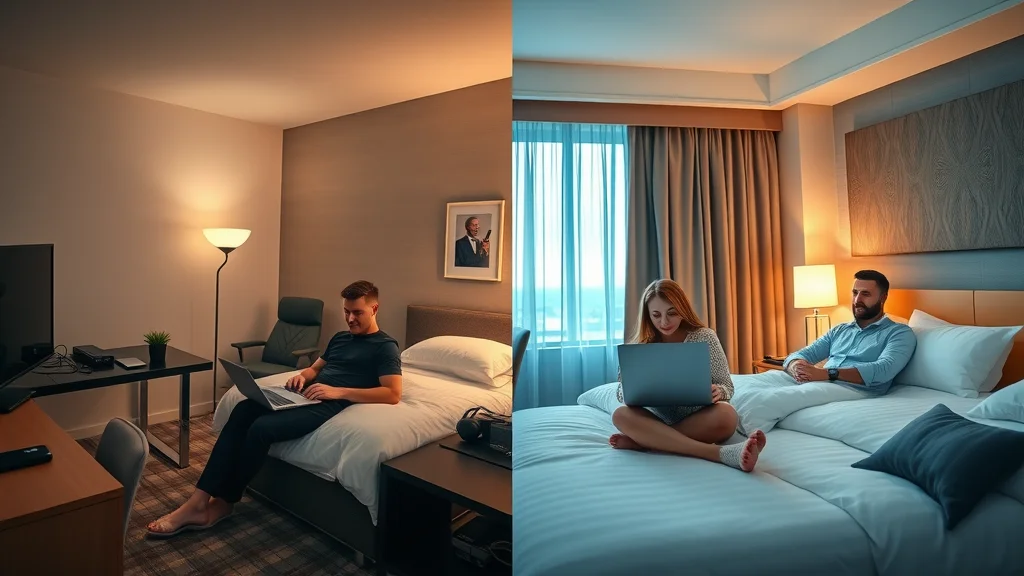
A successful business travel experience hinges on being able to work effortlessly from your room. Today’s business hotels feature expansive desks, adjustable task lighting, and ergonomic chairs—all tailored for comfort during long stretches of work. Fast, secure internet and numerous USB/power outlets are standard, allowing guests to handle presentations, video calls, and time-sensitive reports from their private quarters. Some business hotels also provide stationery kits, Bluetooth speakers for conference calls, and even compact printers on request—talk about bringing the office with you.
The integration of modern business essentials doesn’t mean sacrificing design or relaxation. Many top business hotels balance utility and aesthetics—floor-to-ceiling windows for inspiration, plush bedding for rest, and peaceful decor that fosters focus while relieving travel stress. Add intuitive features like blackout drapes and digital thermostats, and you have a room built for both rest and productivity.

On-Site Business Centers and Meeting Rooms
Business centers are a hallmark of every great business hotel. Open from early morning to late evening (sometimes 24/7), these dedicated spaces offer private meeting rooms, fast printers, computers, and robust A/V equipment. Professionals can collaborate, attend virtual meetings, or quickly finish urgent tasks outside their rooms. For those needing to impress clients, premium hotels provide elegant boardrooms with catering and event planning support.
The availability of modern business center spaces means travelers are rarely without the tools they need. Last-minute printouts, secure document shredding, or a quick scan job are all accessible within moments. For larger company retreats or international delegations, many business hotels feature flexible event spaces and can even coordinate multi-room bookings or arrange tech support throughout your stay—making them the preferred choice for pivotal corporate events.
Non-Work Features: Fitness Centers, Spas, and Gourmet Food in Business Hotels
Fitness Centers and Recouping after Business Travel
Long flights, jetlag, and back-to-back meetings can wear down even the most seasoned travelers. That’s why business hotels invest in world-class fitness center facilities and wellness zones. These gyms are usually equipped with the latest machines, free weights, spacious changing areas, and often, panoramic city views to keep you motivated. Many business hotels also schedule group yoga or personal training for guests, catering to all fitness levels and ensuring that travel doesn’t mean sacrificing health.
Recovering after a hectic workday also includes spa services, such as massages, steam rooms, or relaxation lounges. This attention to wellness helps travelers recharge, reduce stress, and maintain top performance throughout their trip—key for those who need to be sharp for morning meetings or presentations. Clean, fresh towels, complimentary water, and flexible hours make these amenities an integral part of your travel routine.

Culinary Experiences: Food and Drink Offerings in Top Business Hotels
Dining matters more than ever for business guests. The best business hotels serve up culinary options that span from hot breakfasts and grab-and-go lunches to sophisticated multiplate dinners and custom room service that aligns with your work schedule. Early breakfast buffets, freshly prepared by passionate chefs, help fuel productivity for the day ahead—some even highlight local cuisine for a touch of flavor. For those keen on networking, lounges and restaurants hosting business mixers offer unique chances to connect in a relaxed setting.
Many properties also feature gourmet coffee bars, healthy snack stations, and bars with signature cocktails—balancing nutrition, convenience, and social opportunity. Dining credit packages or loyalty perks may include complimentary meals or discounts at in-house restaurants, making your stay both enjoyable and cost-effective, especially for frequent travelers.
Insider Business Hotel Deals for Frequent Business Travel
- Corporate loyalty programs with exclusive rates
- Bundled packages featuring spa and dining credits
- Discounts for extended business stays
Savvy business travelers know the real value lies in exclusive hotel deals and loyalty programs. Many hotel chains now offer points, upgrades, and bundled amenities specifically for corporate guests. By enrolling in a hotel brand’s loyalty program, travelers can unlock perks like automatic late check-out, free breakfasts, or complimentary upgrades to premium rooms.
Bundled packages tailored for business include spa credits, laundry services, and even discounted group rates—ideal for team offsites or company-wide conferences. Some chains provide dedicated business travel concierges or flexible hotel booking policies for last-minute changes, making trip management stress-free. These deals not only provide comfort but can yield real cost savings over the course of multiple trips.
Step inside a modern business hotel: from the welcoming reception and well-equipped meeting rooms to plush in-room workspaces, a rejuvenating fitness center, relaxing lounge, and gourmet dining. This smooth and professional video walkthrough offers prospective business travelers a vivid glimpse of the top features that define business class hospitality.
Business Class Hotels: What Sets Them Apart?
Business class hotels are a step above even the best standard business hotels. These premium-tier accommodations focus on an elite experience—think personalized concierge service, priority check-in with digital room keys, and luxurious executive lounges for private networking or relaxation. Beyond advanced work spaces and fitness centers, business class hotels may include chauffeured transfers, gourmet tasting menus, and even custom wellness programs (like in-room yoga or spa treatments).
These hotels usually occupy prime real estate in bustling financial districts, making them perfect for quick commutes and high-profile meetings. If you want your next trip to feel both indulgent and hyper-productive, business class hotels offer a seamless combination of privacy, comfort, and efficiency—ideal for senior executives or those seeking maximum value for their travel expense.
Hear from seasoned business travelers and hospitality professionals on how to get the most value from every stay—covering booking strategies, networking opportunities, leveraging hotel deals, and wellness tips for life on the road. These expert tips are perfect for both experienced and first-time business travelers.
People Also Ask About Business Hotels
What is a business hotel?
A business hotel is a specialized accommodation designed primarily for corporate guests and business travelers. It features amenities such as in-room work spaces, high-speed Wi-Fi, business center access, flexible hotel booking policies, and wellness facilities like gyms and spas. Unlike standard hotels, business hotels are strategically located near business districts, airports, or convention centers, making them perfect for professionals on the go.
What is the difference between a business hotel and a normal hotel?
The primary difference lies in the focus of services and amenities. Business hotels are tailored for professionals, offering advanced tech options, full business center services, meeting rooms, and fast check-in/out systems. Normal hotels cater more to leisure guests and may lack dedicated workspaces, advanced fitness centers, or specialized meeting facilities. Business hotels are designed for productivity, efficiency, and convenience.
What happens in adult only hotels?
Adult-only hotels are accommodations restricted to guests above a certain age (typically 18 or 21+). They focus on providing a serene, child-free environment, often with elevated amenities such as romantic packages, gourmet dining, and wellness experiences. These properties are usually targeted at couples or solo travelers seeking peace and quiet, rather than the productivity and convenience found in business hotels.
What is considered a business class hotel?
Business class hotels go beyond standard business hotels, offering high-end, executive-level service and features. Think personalized concierge help, private lounges, priority booking, luxury suites, and enhanced security. These properties are ideal for high-level executives or business travelers seeking top-tier amenities, comfort, and privacy directly within the hotel environment.
Key Takeaways: Choosing the Best Business Hotels for Business Travel
- Business hotels are tailored for modern professionals
- Look for integrated workspaces and wellness facilities
- Hotel deals give extra value for frequent travelers
- Location, features, and comfort are all crucial factors
Frequently Asked Questions on Business Hotels and Business Travel
-
How do I find hotel deals for business hotels?
Many hotel chains and brands offer exclusive rates via their websites—search for loyalty programs or sign up for email alerts. Comparing various booking platforms and looking for voucher codes can also yield valuable discounts. -
Can business hotels accommodate last-minute changes to bookings?
Yes. Most business hotels appreciate the unpredictable nature of business travel and provide flexible cancellation or rebooking policies—check directly with the property when booking. -
Which business hotels offer loyalty programs?
Major international chains like Hilton, Marriott, and IHG have robust loyalty programs with points, upgrades, and perks. Be sure to use your membership to unlock exclusive hotel deals and amenities. -
What’s the best way to book a business hotel for a group?
Contact the hotel directly for group rates or use a business travel management platform. Many business hotels also feature online group booking tools—ask about bundled deals and additional perks for groups.
Ready to Upgrade Your Business Travel? Explore Top Business Hotels Today
Don’t let your next trip be an ordinary one. Explore the latest business hotels, unlock exclusive hotel deals, and ensure every business trip is productive, comfortable, and uniquely rewarding. For more tips, reviews, and curated recommendations, be sure to visit https://fooddrinkbed.com/ to learn more about restaurants, lodgings, wine and more.
As you continue to refine your business travel strategy, consider how the hospitality industry is evolving to meet the needs of both travelers and the planet. For a deeper dive into the future of sustainable travel and how hotels are embracing innovative practices, explore the concept of regenerative tourism in hospitality. This forward-thinking approach not only enhances guest experiences but also contributes to a more responsible and resilient travel ecosystem. Discover how your choice of accommodation can make a positive impact—both for your productivity and for the world you explore.


Write A Comment