

Did you know Minnesota boasts over 11,000 lakes, yet some of its most breathtaking adventures happen far from the water’s edge? While the Land of 10,000 Lakes is famous for its shimmering shores, the real magic lies away from crowds—in places only locals whisper about. This guide unlocks Minnesota off-the-beaten-path spots that turn every traveler into a storyteller. Whether you crave ancient petroglyphs, quirky gas stations, or tranquil forest trails, your next adventure begins here.
Unveiling Minnesota’s Off‑the‑Beaten‑Path Spots: A Journey Beyond the Ordinary
Searching for adventure that goes beyond typical tourist destinations? Minnesota off‑the‑beaten‑path spots promise experiences filled with discovery, history, and a sense of wonder. Each hidden gem on this list delivers much more than quirky photo-ops—they offer stories, landscapes, and memories you simply won’t find on a mainstream itinerary.
From the captivating Grand Portage National Monument nestled on the North Shore to the evocative Jeffers Petroglyphs in southern Minnesota, these must-visit places will redefine what you thought you knew about this state. Venture into the silent depths of Jay Cooke State Park, savor the nostalgia at a century-old gas station, or claim a slice of serenity on a secret hiking trail few have found. This guide highlights the best features, practical tips, and some cultural context so you can make the most out of every hidden gem on our curated list.
Minnesota’s off‑the‑beaten‑path spots are more than locations—they are connections to nature, history, and a community of intrepid travelers. So pack your curiosity and get ready to rediscover Minnesota through its most surprising and rewarding adventures.
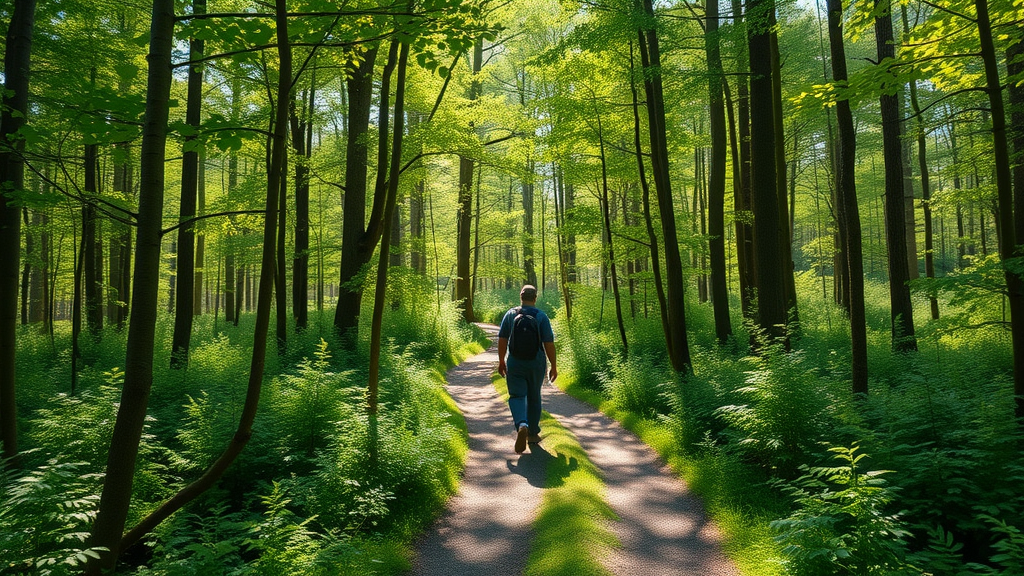
“Did you know Minnesota boasts over 11,000 lakes, yet some of its most breathtaking adventures happen far from the water’s edge? Prepare to be amazed by these hidden gems.”
What You'll Learn About Minnesota Off‑the‑Beaten‑Path Spots
- The most awe-inspiring hidden gems Minnesota has to offer
- Unique features of each off‑the‑beaten‑path destination
- Tips for visiting and travel recommendations
- Cultural and historic insights for deeper appreciation
- Frequently asked questions surrounding these attractions

Table: Ranking Minnesota Off‑the‑Beaten‑Path Spots & Hidden Gems
| Spot Name | Region | Main Attraction | Closest City | Unique Feature |
|---|---|---|---|---|
| Grand Portage National Monument | North Shore | Historic Fur Trade Post | Grand Portage | Living history, scenic Lake Superior views |
| Jeffers Petroglyphs | Southern MN | Ancient Rock Carvings | Comfrey | Prehistoric indigenous art |
| Gunflint Trail | North Shore | Remote Scenic Byway | Grand Marais | Wildlife sightings, wilderness lodges |
| Judy Garland Museum | North | Wizard of Oz Memorabilia | Grand Rapids | Garland’s childhood home |
| Itasca State Park | Central/West | Mississippi Headwaters | Park Rapids | Cross Mississippi headwaters |
| Jay Cooke State Park | Northeast | Swinging Bridge & Gorge | Carlton | Dramatic rocky landscapes |
| Grand Marais | North Shore | Art Haven & Harbor | Grand Marais | Art colony, quirky cafes |
| Vintage Gas Stations & Drives | Statewide | Roadside Oddities | Various | Unique roadside Americana |
| Mystery Cave State Park | Southeast | Limestone Caves | Preston | Largest cave in Minnesota |
| Lost 40 SNA | North | Old Growth Pine Forest | Blackduck | Untouched ancient forest |
1. Grand Portage National Monument: A North Shore and Beaten Path Icon
History and Culture at Grand Portage National Monument
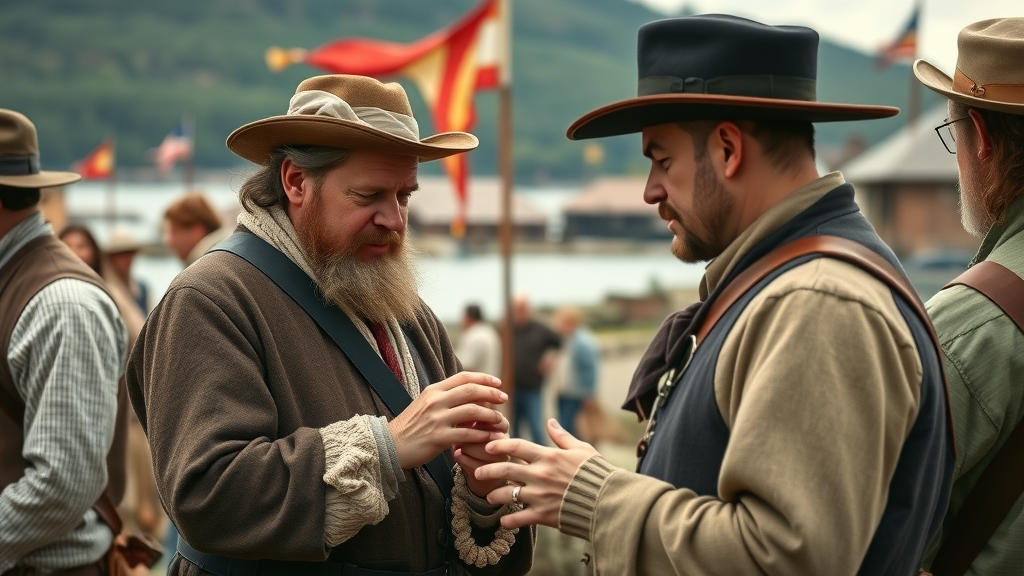
Grand Portage National Monument stands as a must-see hidden gem on Minnesota’s North Shore, combining pristine nature and immersive history at the edge of Lake Superior. Once a hub for the fur trade, this national monument recreates the vibrant crossroads where Ojibwe and European cultures met. Stepping inside the historic fort, you’ll encounter costumed interpreters, dynamic fur trade reenactments, and a meticulously reconstructed depot overlooking Lake Superior. It’s an interactive window into the state’s indigenous heritage and pivotal role in North America’s trading networks.
What sets Grand Portage apart from typical tourist sites is its authenticity—the atmosphere is rich with stories of the voyageurs and native communities. Not only is it a crucial site for understanding Minnesota’s roots, but it also offers visitors a genuine connection to the state’s diverse cultural legacy. Don’t miss the spectacular views of the lake and forested ridges, or the special events and celebrations throughout the year that breathe life into the past.
Hiking Trail Adventures and Scenic Drives Near the North Shore
Beyond the historic fort, Grand Portage offers plenty for outdoor lovers. Venture onto surrounding hiking trails, including routes that weave through dense forest and open to panoramic vistas of Lake Superior—a highlight for anyone chasing scenic drives on the North Shore. The nearby Mount Josephine hike is a local favorite, rewarding you with a breathtaking overlook.
For the ultimate off-the-beaten-path experience, plan your timing for late summer visits, when wildflowers cover meadows and the lake shimmers in golden light. Arriving early means you may have entire trails to yourself. Nearby, the border waters and cliffside paths give a sense of boundless wilderness—a perfect place for hiking, wildlife photography, and quiet reflection. This hidden gem is equally rewarding for both history buffs and nature seekers.
2. Jeffers Petroglyphs: Ancient Hidden Gem in Southern Minnesota
Exploring the Indigenous History Behind Jeffers Petroglyphs
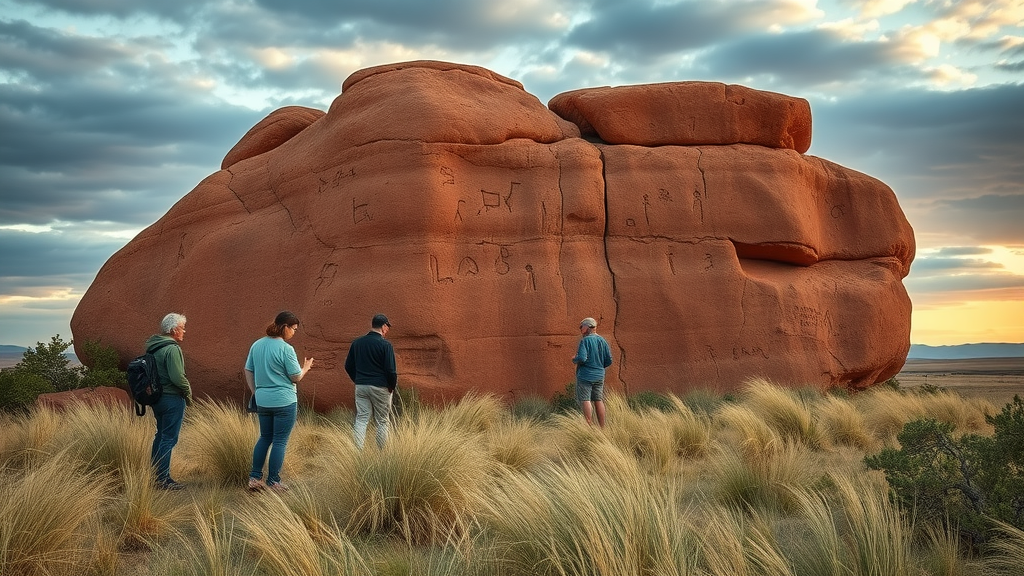
At Jeffers Petroglyphs, the landscape itself becomes an ancient storybook. This Southern Minnesota site is home to more than 5,000 prehistoric Native American carvings, etched directly into a sweeping red prairie rock. For thousands of years, people have gathered here—drawing, praying, and passing on wisdom through stone. Walking these grounds gives you a remarkable sense of connection to Minnesota’s indigenous history and spiritual traditions.
Unlike many archeological sites, the petroglyphs are remarkably accessible and visible. The carvings portray animals, humans, and mystical symbols, reflecting the cosmology and lives of early Dakota, Ojibwe, and other native peoples. Interpretive trails and knowledgeable guides add context to each marking, making this one of Minnesota’s most meaningful hidden gems. If you’re seeking deeper understanding and appreciation of the region, Jeffers Petroglyphs is a must-visit.
Tips for Experiencing This Beaten Path Archaeological Site
When visiting Jeffers Petroglyphs, wear sturdy shoes and plan to spend a few hours on the informative trails. Opt for a guided tour to hear the stories behind the carvings, or visit during sunrise and sunset for the most vivid rock details and cooler temperatures. The prairie setting is also a haven for rare wildflowers and native tall grasses, so bring your camera.
Respect for the site is paramount: Stay on marked paths, tread lightly, and never touch or trace the petroglyphs. This helps ensure future generations can experience this archeological treasure. Because this gem is truly off the main tourist routes, you’ll often find it serene and uncrowded—a place to connect with Minnesota’s earliest cultures.
3. Gunflint Trail: A North Shore Route with Remote Hidden Gems
Wildlife Sightings and Unique Stops Along Gunflint Trail
The legendary Gunflint Trail beckons adventurous travelers with 57 miles of wilderness unfolding from Grand Marais to the edge of the Boundary Waters Canoe Area. It’s a gateway to some of Minnesota’s wildest and most secluded places—a hidden gem packed with opportunities to spot moose, bald eagles, and black bears along the roadside. The drive itself is a journey through dense pine forests, sparkling lakes, and mossy bogs, rarely to be shared with more than local wildlife or a handful of other explorers.
Along the way, you’ll stumble upon rustic lodges, remote cabins, and quirky stops like classic diners or handcrafted souvenir shops. The Gunflint Trail is the perfect place for those who want to unplug and reconnect with the raw beauty of the North Shore wilderness. Don’t forget to pause at several scenic overlooks for photos, or take a detour to a hidden waterfall or secret blueberry patch in midsummer.

Top Hikes on the North Shore: Scenic Trails Along the Gunflint
For hikers, the Gunflint Trail offers access to some of the best and most peaceful hikes on the North Shore. Trails like the Magnetic Rock and Centennial Trail wind through ancient glacial terrain and lead to unexpected vistas and serene lakes. Many routes remain relatively quiet—ideal for those chasing the solitude and natural splendor that only off‑the‑beaten‑path spots provide.
Whether you’re after a quick walk or an all-day trek, pack layers and bug spray, as conditions can shift quickly. Early mornings reward you with misty forest scenes and a chorus of songbirds—one of the many perks of venturing off the main highway. The Gunflint route truly delivers a slice of untouched Minnesota wilderness, making it a magnet for photographers, hikers, and anyone wanting to find their own pocket of peace.
4. Judy Garland Museum: Uncovering a Grand Rapids Hidden Gem

From Garland Museum to Itasca State Park: Making the Most of Grand Rapids
In the quaint town of Grand Rapids, the Judy Garland Museum is a delightful surprise for fans of classic cinema and Wizard of Oz enthusiasts, as well as anyone searching for small-town hidden gems. Housed in Garland’s restored childhood home, the museum bursts with memorabilia from her life and career—think movie costumes, family artifacts, and rare posters. The lush gardens around the home add an extra touch of magic.
Many travelers pair a visit here with an excursion to nearby Itasca State Park, crafting a day steeped in both nostalgia and natural wonder. If you’re interested in the offbeat or crave a connection to Minnesota’s cultural icons, the Garland Museum belongs on your itinerary. While you’re in Grand Rapids, take time to wander local shops and riverside parks for bonus unexpected treasures.
Rare Exhibits and Unexpected Attractions in Minnesota’s Hidden Gems
Beyond the museum, this area of Minnesota is sprinkled with little-known attractions. Some exhibits at the Judy Garland Museum are truly unique—such as original props and documentation detailing her early years in Grand Rapids. These displays captivate both dedicated fans and families alike. You might even catch one of their themed events or seasonal displays, which make every visit feel special.
Not far away, you’ll also find historic lumber landmarks and quirky roadside statues, making Grand Rapids more than just a quick stopover. The blending of kitsch, culture, and history here perfectly illustrates why Minnesota is filled with such wonderfully diverse hidden gems.

5. Itasca State Park: The Origin of the Mighty Mississippi
Itasca State Park Hidden Gems for Family and Adventure Seekers
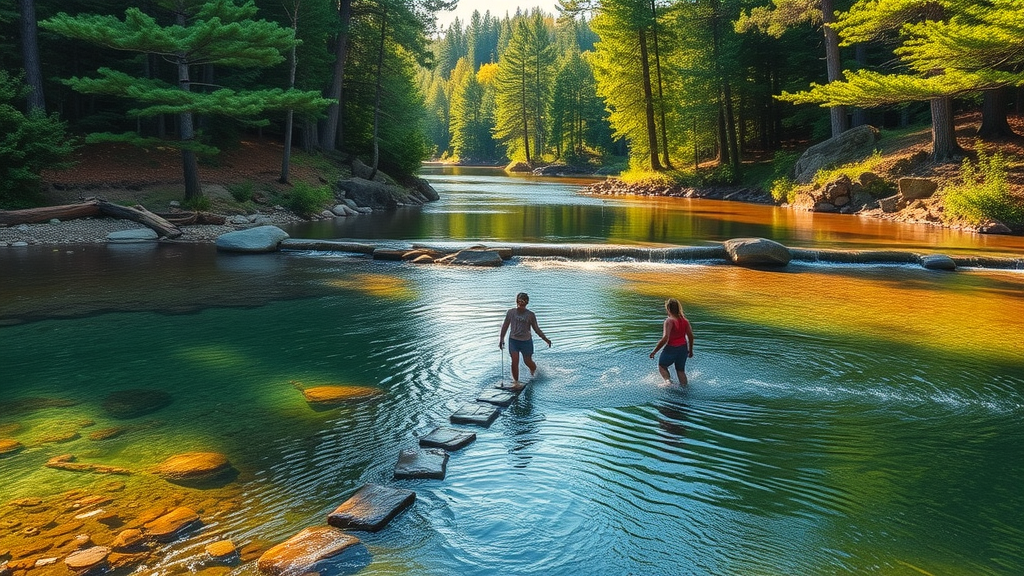
Itasca State Park is widely recognized as the birthplace of the Mississippi River, but beyond the famous stepping stones across the headwaters, this park is home to some of Minnesota’s most magical hidden spots. Wander through old-growth pine forests, explore peaceful secluded lakes, and watch for wildlife along interpretive trails—all with the tranquility and space that come from being just far enough away from the state’s main tourist hubs.
Families especially will love the gentle hikes around the Mary Gibbs Mississippi Headwaters Center, as well as ranger-led programs and picnic spots with a view. Adventure seekers can kayak peaceful rivers, cycle scenic parkways, or search for unmarked waterfalls tucked in the woods. In every season, Itasca State Park offers natural beauty and quiet discovery—a perfect place to recharge and make lasting memories.
Discovering Unmarked Hiking Trails and Secret Scenic Drives
Most visitors stick to the main paths and overlook the dozens of lesser-known trails and drives within Itasca State Park. Venture beyond the popular loops, and you’ll find quiet boardwalks, hidden lakeshore trails, and scenic drives draped in fall color or wildflowers, depending on the season. Take the Wilderness Drive loop for hidden pull-offs and wildlife viewing opportunities.
Pro tip: Ask rangers about their favorite “secret spots” for birdwatching or sunset views. Whether you’re a hiker or a day-tripper, these little side adventures are where you’ll find the best memories—just one more reason Itasca State Park continues to rank among Minnesota’s greatest off‑the‑beaten‑path gems.
6. Jay Cooke State Park: Dramatic Landscapes Off the Beaten Path
Jay Cooke State Park’s Must-Walk Hiking Trails
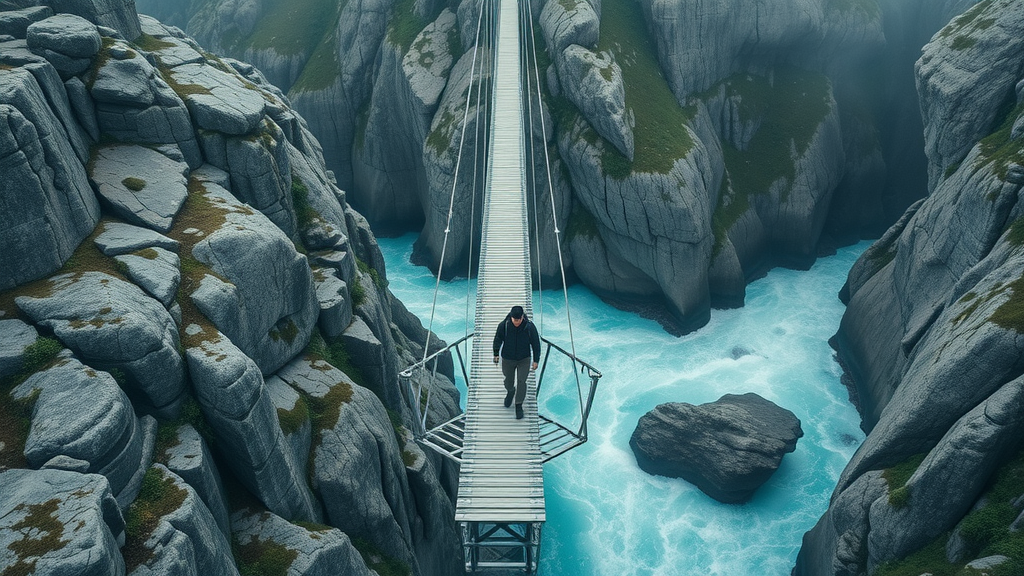
Jay Cooke State Park is a visual feast for those who seek geological drama, rushing rivers, and challenging hikes—a hidden gem nestled just outside Duluth. The park’s iconic swinging bridge arches over the churning St. Louis River, leading you into an otherworldly landscape shaped by ancient lava flows. Trails like Silver Creek, Carlton, and Forbay Lake lead to scenic overlooks, waterfalls, and quiet picnic areas where the only sounds are birdsong and distant rapids.
Spring and fall offer spectacular color palettes—lush green or brilliant oranges and reds. The park is also a haven for snowshoeing and winter hiking, with landscapes transformed into frosted wonderlands. If you love immersive nature and aren’t afraid to break a sweat, Jay Cooke State Park is the perfect place for adventure seekers.
Photographer’s Guide to Hidden Gems in Jay Cooke
Photographers will find endless inspiration amid Jay Cooke’s rocky cliffs, wildflower meadows, and moss-clad woodlands. The most iconic shot: Standing on the swinging bridge, camera poised over the dramatic river gorge. But lesser-known highlights include backcountry creeks, ferns unfurling along quiet trails, and the ever-changing light as fog drifts through the trees.
Arrive at sunrise or golden hour to capture the landscape in its most magical state. Bring sturdy shoes, a tripod, and a keen eye for detail—Jay Cooke is full of undiscovered vantage points, making each visit a new chapter in your Minnesota photo journal. It’s an absolute must for anyone hunting the state’s most scenic hidden gems.
7. Grand Marais: North Shore’s Quirky Art Haven and Hidden Spots
Grand Marais Hidden Gems: Local Eateries and Waterfront Secrets
Grand Marais is the North Shore’s charming, artistic enclave—a harbor town tucked beside Lake Superior that oozes creativity and hospitality. While many come for the art colony and vibrant galleries, the real treasures lie in the back alleys and tucked-away waterfront spots. Sample homemade pies and wild rice pancakes at local diners, or stroll the unmarked paths along the breakwater for spectacular sunsets.
Don’t leave without exploring quirky coffee shops or discovering pop-up craft fairs that fill hidden courtyards during summer. Harbor Park, just steps from downtown, is the perfect spot to watch the harbor’s wooden sailboats or join in on a local storytelling night. For those who adore both hidden gems and creative culture, Grand Marais stands out as an unforgettable off-the-beaten-path destination on the North Shore.
Day Trips and Hiking Trails Around Grand Marais
The lands surrounding Grand Marais are equally packed with discovery. Hike out to Artists’ Point for windswept pine forests meeting Lake Superior’s untamed waves, or take a quick drive to Judge C.R. Magney State Park to find the mysterious Devil’s Kettle waterfall—a geological puzzle for curious minds. Local outfitters offer day trips to nearby islands or guided hikes into the thick woods for wild berry picking and wildlife watching.
If you plan on staying longer, check out the area’s weekly farmer’s markets for local treats or join a community art workshop. Grand Marais is not just a destination but a launchpad to some of Minnesota’s most spectacular and least-traveled natural places.
8. Scenic Drives and Gas Station Oddities: More Minnesota Off‑the‑Beaten‑Path Spots
Best Scenic Drives for Discovering Minnesota’s Hidden Gems
Some of the state’s best surprises reveal themselves from behind the wheel. Minnesota’s rural byways and scenic drives carve through rolling farmland, thick forests, and historic towns—inviting you to stop, explore, and linger in places overlooked by most travelers. The North Shore’s Highway 61, Highway 1 through the Arrowhead, and the Great River Road all present endless opportunities for spontaneous adventure.
Each scenic drive has its own personality: North Shore routes offer dramatic lake views and rocky outcrops, while the southern Great River Road reveals blufftop overlooks and small towns brimming with charm. Keep your eyes peeled for surprise attractions, artistic installations, and, yes, the occasional giant roadside sculpture. On these backroads, you’ll uncover the kind of hidden gems that make traveling Minnesota so rewarding.

Wacky Roadside Attractions and Charming Gas Stations
Minnesota’s highways are dotted with vintage gas stations and eccentric roadside attractions that have quietly become regional icons. Think classic pumps with colorful murals, rusty antique trucks, and friendly owners eager to share local lore. Many of these gas stations double as mini-museums, showing off everything from antique soda machines to walls plastered with decades of family photos.
Stop for a photo, grab a homemade snack, and soak in the nostalgic roadside Americana—part of the unique charm that makes every journey here a story worth telling. For the true explorer, even a gas station visit can feel like discovering a hidden gem in its own right.
9. Additional Hidden Gems: Secret Lakes, Forests, and Trails
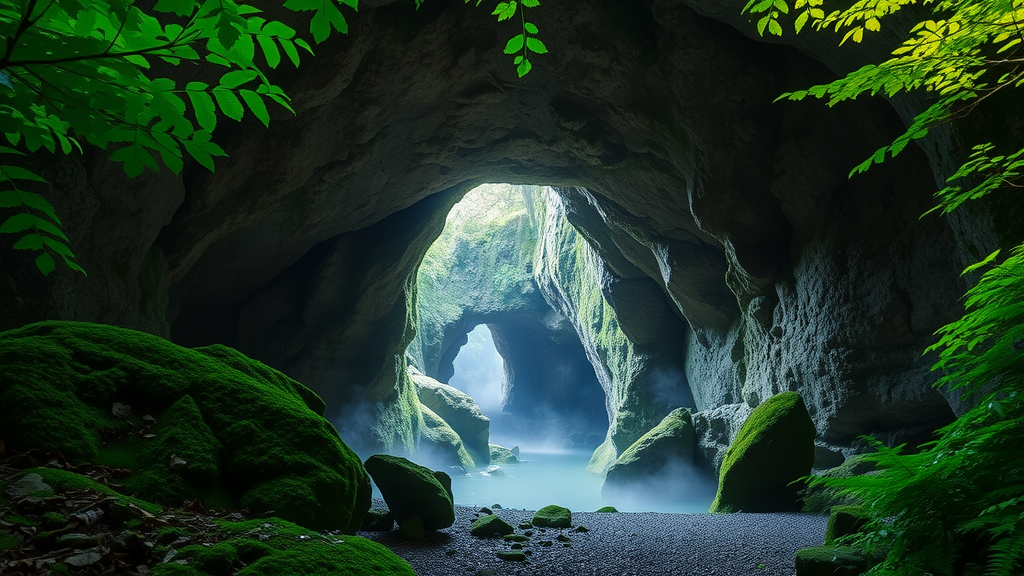
- Mystery Cave State Park – The largest and most elaborate limestone cave system in Minnesota, shrouded in lush greenery and flowing with underground streams.
- Lost 40 Scientific and Natural Area – Wander through a rare stand of old-growth pine forest, untouched by the logger’s axe—a true snippet of pre-settlement Minnesota wilderness.
- Peach Lake and Bog Walk – A tranquil escape with floating boardwalks and vibrant wildflowers, perfect for nature lovers and photographers.
- Blue Mounds State Park – Southern prairies with striking pink quartzite cliffs and roaming bison—offering a landscape unlike any other in the state.
People Also Ask: Minnesota Off‑the‑Beaten‑Path Spots
What are some lesser-known hidden gems on Minnesota’s North Shore?
On Minnesota’s North Shore, Grand Portage National Monument and the lakeside trails of Grand Marais are well-kept secrets. Also consider Cascade River State Park, Sugarloaf Cove Nature Center, and Tettegouche’s inland waterfalls for jaw-dropping natural beauty without big crowds. These spots blend rich history, sweeping lake views, and quiet adventure—all classic features of Minnesota’s hidden gems.
How do I find hiking trails that are off the beaten path in Minnesota?
To find off‑the‑beaten‑path hiking trails in Minnesota, look for smaller state parks, scientific and natural areas like the Lost 40, or lesser-publicized routes along the Gunflint Trail and inside Jay Cooke State Park. Connect with local outdoor clubs, use trail apps, or ask park rangers for their favorite hidden gems. Trails further from big cities or along backroads tend to be the least trafficked and most scenic.

Are there any cultural or historic sites most tourists miss in Minnesota?
Definitely! Beyond the popular museums, unique historic sites include Jeffers Petroglyphs, Forest History Center, and the unsung ghost towns scattered throughout the Iron Range. The Judy Garland Museum in Grand Rapids also preserves remarkable memorabilia from her early life, all adding depth and diversity to Minnesota’s hidden gems. Seek out these spots if you’re passionate about local heritage and culture.
Which state parks in Minnesota offer the best off‑the‑beaten‑path experiences?
For a true off‑the‑beaten‑path park experience, aim for Jay Cooke State Park, Blue Mounds State Park, and Mystery Cave State Park. These parks feature unique geological wonders, quiet trails, and some of the most unspoiled scenery in the state. Even in popular parks like Itasca State Park, exploring unmarked footpaths will lead to surprisingly peaceful and scenic spaces.
FAQs: Your Questions Answered About Minnesota Off‑the‑Beaten‑Path Spots
When is the best time of year to visit off‑the‑beaten‑path spots in Minnesota?
The best time is late spring through early fall for most outdoor spots, when wildflowers bloom and forests are full of life. Autumn brings stunning foliage, while winter transforms some spots into magical snow-covered escapes for snowshoeing or cross-country skiing.
Are Minnesota off‑the‑beaten‑path spots accessible for families?
Absolutely. Many sites, including Itasca State Park, Grand Portage National Monument, and state park trails, are family-friendly and offer short, rewarding hikes, educational programs, and safe picnic areas. Always check accessibility and trail conditions before visiting.
What should I pack for exploring hidden gems and hikes on the North Shore?
Pack layers for shifting weather, sturdy boots, bug spray, sunscreen, snacks, a reusable water bottle, and a camera. Maps or a trail app are helpful, especially for more isolated hikes.
How can I respect and preserve state parks and archaeological sites during my visit?
Stick to marked paths, observe Leave No Trace principles, and never touch fragile artifacts such as petroglyphs or historic structures. Take only photos and memories to help ensure Minnesota’s hidden gems remain pristine for future explorers.
Key Takeaways: Unlocking Minnesota’s Best Hidden Gems
- Minnesota off‑the‑beaten‑path spots are rich in history and natural beauty.
- From Grand Portage National Monument to scenic drives and tiny museums, every traveler will find a hidden gem.
- Responsible exploration preserves these wonders for future visitors.
Conclusion: Begin Your Next Adventure on Minnesota’s Off‑the‑Beaten‑Path
“To travel in Minnesota is to discover a landscape peppered with stories—many unseen by the typical tourist. Venture beyond the known, and you’ll craft your own adventure.”
Armed with this guide, you’re ready to see Minnesota like never before. Dare to explore these hidden gems and share the journey with your fellow adventurers.
Plan Your Twin Adventure—Share and Save Your Favorite Minnesota Off‑the‑Beaten‑Path Spots
Inspired? Bookmark this guide and set out to discover your own Minnesota hidden gems today!
Minnesota is brimming with hidden gems that offer unique experiences beyond the typical tourist trails. Here are some lesser-known spots worth exploring:
1. Black Beach in Silver Bay
Minnesota’s only black sand beach, Black Beach in Silver Bay, captivates visitors with its unique landscape formed from taconite tailings. The dark pebbles contrast beautifully against the bright blue waters, creating a secluded spot perfect for solitude and introspection. (we3travel.com)
2. Lost 40 Scientific and Natural Area
Tucked away in the Chippewa National Forest, the Lost 40 is a pristine wilderness featuring old-growth red and white pine trees. A surveying error in the 19th century spared this ancient forest from logging, allowing visitors to marvel at towering pines over 300 years old along a self-guided interpretive trail. (davidohnstad.com)
3. Niagara Cave
Located near Harmony, Niagara Cave offers an underground adventure with a 60-foot waterfall and a mile-long passageway situated 200 feet below the surface. Celebrating its 100th anniversary of discovery in 2024, the cave has been a popular destination since opening for public tours in 1934. (axios.com)
4. Nyberg Sculpture Park in Vining
In the tiny town of Vining, local artist Ken Nyberg has created a collection of oversized sculptures, including a pair of pliers squishing a bug and an elephant made entirely out of lawnmower blades. This quirky park offers a delightful detour for art enthusiasts and curious travelers alike. (exploreminnesota.com)
5. Inspiration Peak State Wayside
Rising about 200 feet above the surrounding terrain, Inspiration Peak offers panoramic views of dozens of lakes over miles of plains and forest. The moderate, half-mile loop hike to the top rewards visitors with breathtaking vistas, making it a hidden gem for nature lovers. (onlyinyourstate.com)
Exploring these off-the-beaten-path destinations will provide you with unique stories and memories, showcasing the diverse beauty and culture that Minnesota has to offer.


Write A Comment