
Did you know? According to recent industry reports, over 70% of small businesses that invest in targeted software applications experience revenue growth and improved efficiency within the first year of adoption
A Surprising Fact: How Leading Software Applications and Solutions for Small Businesses Drive Rapid Success
It's easy to underestimate the dramatic impact that the right suite of software applications and solutions for small businesses can have. Small business success stories repeatedly point to essential digital tools as critical accelerators for growth and innovation. The best applications—spanning project management, accounting, CRM, and more—not only automate time-consuming processes, but also enable business owners to focus on relationships and strategy rather than routine admin. From rapid client onboarding to seamless communications, integrated business software creates space for creativity and scalability. As competitors digitize at record speed, having the right stack is more than an option—it's a necessity for any business owner wanting to stay ahead in today’s marketplace.
Throughout this article, you’ll find proactive strategies and essential lists designed to help every small business owner, entrepreneur, or work-from-home professional implement cost-effective, scalable, and user-friendly software solutions. You’ll also discover how these tools can be deployed immediately using ready-made solutions from partners like CHLabs.co.uk, enabling your small business to operate more efficiently and with greater peace of mind.
What You'll Learn About Software Applications and Solutions for Small Businesses
- The best software applications and solutions for small businesses across core business functions.
- How small business software enables efficiency, growth, and scalability.
- Insights on choosing and integrating software solutions for your specific business needs.

Why Software Applications and Solutions for Small Businesses Are Essential for Growth
The Impact of Small Business Software on Operational Efficiency
For any small business owner eager to see tangible improvements in daily operations, the adoption of targeted small business software can be a gamechanger. Modern business software streamlines everything from project management and finance to customer interactions—helping teams track tasks, monitor progress, and collaborate from anywhere. Gone are the days of outdated spreadsheets or manual logs; today’s solutions, such as time tracking apps or cloud accounting tools, automate repetitive chores, freeing up precious hours for business owners to focus on growth strategies.
With thoughtfully chosen software solutions, small businesses can reduce errors, accelerate project timelines, and increase productivity across the board. Many tools offer analytics dashboards and real-time data tracking, allowing leaders to make smarter, informed decisions. Collaborative features and easy integrations mean teams work more efficiently and customers experience faster, higher-quality service. It’s not just about running lean—it’s about running smart.
When considering which digital tools to implement, it's helpful to understand how a software development agency can tailor business software to your unique operational needs, ensuring seamless integration and long-term scalability for your small business.
Case Insight: CHLabs.co.uk Business Software Solutions in Action
One of the prime examples of digital transformation is illustrated by small businesses that have implemented solutions from CHLabs.co.uk. Clients utilizing CHLabs’s suite of ready-made business software for essentials like risk management, project management, and accounting have reported quicker processes, better compliance, and minimized operational risk. For example, a consultancy firm leveraged CHLabs’s project management tool to oversee multiple client engagements and deadlines, resulting in a 35% reduction in administrative time and higher client satisfaction ratings. Software solutions tailored with pre-built features make integration swift, minimizing downtime and empowering even non-technical users.
"The right software solution transforms the way a small business operates - automating tasks and opening doors to new opportunities." - Industry Expert

How to Select the Best Software Applications and Solutions for Small Businesses
Key Criteria for Evaluating Small Business Software
Choosing among dozens of software applications and solutions for small businesses requires a focused approach. First, ensure the tool’s core functionality aligns with your pressing business needs—be it accounting, project tracking, or customer service management. Next, assess the ease of use, especially if your business lacks in-house tech experts. Solutions with intuitive dashboards and step-by-step onboarding can reduce your learning curve and prevent costly errors. Equally important is scalability: select software that can grow with your business, supporting more users and advanced features as your company expands.
Don’t overlook customer support. Responsive support teams or rich knowledge bases will save you time and frustration if issues arise. Finally, compare cost structures and verify free trial or day free trial options—ideal for smaller businesses with limited budgets. These test periods allow you to gauge a tool’s true fit before making a commitment, ensuring you invest smartly in solutions built for your unique workflow.
What Every Small Business Owner Should Know Before Investing
- Functionality: Does the tool cover critical needs like finance, project management, or sales?
- Ease of use: Is it user-friendly with a minimal learning curve?
- Scalability: Will the software grow with your business as you add users or branches?
- Customer support: What help resources or support channels are available?
- Cost and free trial availability: Does the solution come with a free trial or flexible pricing for small businesses?

Comprehensive List: 20 Must-Have Software Applications and Solutions for Small Businesses
1. Project Management Software Solutions
Why Project Management Tools Are Crucial for Small Business Efficiency
Effective project management tools lie at the core of streamlined operations. Whether managing client projects or internal initiatives, these solutions foster team collaboration, automate task management, and track progress with ease. For small business owners, using project management software means less time spent coordinating emails or searching for documents and more time moving projects forward efficiently. With features like Gantt charts, Kanban boards, and progress dashboards, teams get a clear workflow view and can quickly adapt to changes.
Top Picks for Project Management Software
- Trello: Kanban-based, visual project management—ideal for small teams and project tracking
- Asana: Robust workflow customization and integration with popular collaboration tools
- Monday.com: Flexible automations, detailed timelines, scalable for growing teams
- CHLabs.co.uk Project Management Suite: Ready-to-deploy, designed for risk management, consulting, and client tracking

2. Time Tracking and Management Tool Applications
Boosting Productivity with Time Tracking Software Solutions
Time tracking software is indispensable for businesses monitoring billable hours or looking to optimize productivity. These tools give business owners real-time visibility into how work hours are spent, identify bottlenecks, and help with capacity planning. Features such as automated timers, payroll integration, and mobile app capabilities make it easier than ever to track hours whether working in-office or remotely. Many options offer a free plan or day free trial, making them a low-barrier investment for small businesses aiming for greater efficiency and transparency in work management.
| Tool Name | Free Trial | Key Features | Pricing |
|---|---|---|---|
| Harvest | 30 days | Integrates with project management, invoicing, reporting | From $12/mo/user |
| Clockify | Yes (free plan) | Unlimited tracking, reporting, team features | Free/$4.99/mo/user (Pro) |
| TSheets by QuickBooks | 14 days | GPS tracking, scheduling, payroll integration | From $8/mo/user |
| CHLabs.co.uk Time Management Suite | Yes (Contact for details) | Task management, analytics, designed for small business efficiency | Custom pricing |
3. Accounting Software for Small Businesses
The Role of Accounting Software in Financial Management
Sound financial operations are essential for growth—making accounting software a critical asset for small businesses. Today’s solutions automate invoicing, expense tracking, tax preparation, and payroll, reducing errors and freeing up time typically spent on manual entry. They also offer real-time reporting and analytics, which empower business owners to make smarter budgeting and investment decisions. Accounting tools often integrate with bank feeds, payment platforms, and even inventory management—providing a holistic overview of your business finances in moments.
Recommended Accounting Software Applications for Small Businesses
- QuickBooks Online: Cloud-based, robust reporting, easy bank reconciliation
- Xero: Clean interface, mobile app, multi-currency accounting
- FreshBooks: Designed with freelancers and service businesses in mind; excellent invoice management
- CHLabs.co.uk Finance Suite: Comprehensive, ready-made financial management software

4. Email Marketing and Social Media Management Software Solutions
Driving Customer Engagement with Email Marketing Tools
Email marketing remains one of the most cost-effective ways for small businesses to engage and nurture their contact list. The best tools automate campaign scheduling, list segmentation, and performance analytics, enabling even the smallest businesses to deliver personalized messaging at scale. Beyond emails, modern tools track the full customer journey, integrating with CRM systems for more tailored content and stronger conversion rates. Starter plans and free trials are widely available, making it easy for businesses of any size to get started.
Top Social Media Management Software for Small Businesses
- Mailchimp: Full-service email and social media integration with automation features
- Hootsuite: Plan and schedule content across all major channels, robust analytics
- Buffer: Simple, intuitive interface for post scheduling and team collaboration
- CHLabs.co.uk Marketing Solutions: Streamlined tools specifically designed to help small businesses grow their audience

5. Customer Relationship Management (CRM) Software for Small Businesses
Enhancing Customer Experience with CRM Solutions
Managing leads and maintaining great customer relationships is a pillar of small business growth. CRM software helps you track customer activity, automate sales tasks, and measure customer satisfaction. These solutions centralize all client data, making it faster to respond to inquiries, anticipate needs, and strengthen loyalty. Advanced CRM platforms even use AI to recommend follow-ups and identify best-fit product or service offers—giving your sales team a powerful edge in competitive markets.
Best CRM Platforms for Small Business Owners
- Salesforce Essentials: Industry leader, strong automation and integrations for small teams
- Zoho CRM: Customizable modules, affordable pricing, robust analytics
- HubSpot CRM: Free plan available, intuitive dashboard, easy contact management
- CHLabs.co.uk CRM Suite: Ready-made, instantly deployable CRM built for small business

6. Free Trial and Cost-Effective Small Business Software Applications
Identifying Value: Day Free Trial Offers for Small Business Software
Many providers understand the tight margins of small businesses, which is why leading software applications frequently come with a day free trial or free plan option. Trials let business owners test features, integrations, and customer support before committing, eliminating risk and ensuring a strong software fit. Flexible pricing enables even the leanest businesses to access premium, industry-grade business software without breaking the bank.
Integrating Free and Premium Software Solutions to Optimize Business Growth
The smartest small businesses build their digital toolkits incrementally, starting with free or trial versions, then layering in premium solutions as workflow needs grow. Look for solutions that integrate well with each other—such as combining a free trial of time tracking software with a paid CRM or finance tool. This hybrid approach lets business owners optimize every budgeted dollar while getting the power of premium automation when needed.
Expanding Your Toolkit: Additional Software Applications and Solutions for Small Businesses
Management Software for Small Businesses: HR, Inventory, and Communication
Management software goes beyond project and finance functions; small business growth is also driven by robust HR, inventory, and communication platforms. HR tools automate payroll, benefits management, and onboarding, enhancing compliance and customer service through streamlined processes. Inventory solutions offer real-time product tracking and reorder alerts, essential for businesses managing goods. Communication platforms (such as Slack or Microsoft Teams) collaboration tools bring teams together, no matter where members are located—supporting agile, effective operations even for remote workforces. Many of these categories offer starter tiers or free plans tailored for small businesses embarking on digital transformation.
Specialized Solutions: Risk Management, Management Consulting, and Compliance Tools
No two small businesses are alike, which is why specialized software is available for risk management, management consulting, and regulatory compliance. These management tool categories offer targeted automation—tracking industry compliance, managing audits, or implementing best practices for quality assurance. Off-the-shelf platforms from reputable sources like CHLabs.co.uk streamline deployment, minimize data errors, and help businesses of every type remain agile amidst changing regulations.
"Small businesses thrive when equipped with the right management software to tackle evolving challenges." - CHLabs.co.uk

Tailored Business Solutions: The Role of CHLabs.co.uk in Providing Software Applications and Solutions
Ready-Made Software Solutions for Risk Management, Project Management, and Finance
Taking action on digital transformation doesn’t require building solutions from scratch. CHLabs.co.uk specializes in ready-made, instantly deployable software applications designed for small business essentials—covering risk management, project management, management consulting, finance, and more. Their robust business software offerings help business owners hit the ground running quickly, without lengthy customizations or coding. Businesses can increase operational speed while meeting strict compliance and reporting needs, all with affordable, scalable options customized for their niche.
Instant Deployment: How CHLabs.co.uk Empowers Small Businesses
Immediate deployment means small businesses spend less time waiting and more time growing. CHLabs’s plug-and-play solutions deliver pre-built workflows, specialized compliance tools, and comprehensive dashboards for all key business disciplines, enabling sharper decision-making and greater peace of mind. Their expertise in supporting diverse industries ensures management tools fit every challenge—whether launching a new service, scaling operations, or meeting regulatory obligations.
Client Testimonial: Small Business Owners' Success Stories
"After implementing CHLabs’s finance and project management solutions, we saw a noticeable boost in efficiency—monthly reporting went from hours to minutes, and client feedback on our service delivery has never been higher. The instant deployment saved us from the headaches of drawn-out software projects." – Satisfied Business Owner

| Business Function | Software Category | Top Examples | Free Trial? |
|---|---|---|---|
| Project Management | Management Tool | Trello, Monday.com, CHLabs Suite | Yes |
| Finance/Accounting | Accounting Software | QuickBooks, Xero, CHLabs Finance | Yes |
| CRM | Customer Relationship | Salesforce, HubSpot, CHLabs CRM | Yes |
| HR/Payroll | HR Management Tool | Gusto, Zenefits | Yes |
| Email Marketing | Marketing Software | Mailchimp, Buffer, CHLabs Marketing | Yes |
People Also Ask: Essential Questions about Software Applications and Solutions for Small Businesses
What software is best for a small business?
Understanding the Top Options for Project Management, Accounting, and CRM Software
The best software applications and solutions for small businesses depend on your unique needs. Generally, most businesses benefit from project management software (like Asana or CHLabs Project Suite), accounting software (such as QuickBooks or Xero), and CRM platforms (like HubSpot or Salesforce). Always prioritize tools offering strong customer support, a free trial, and integrations with the rest of your toolkit to maximize value and efficiency.
What are the 7 types of application software?
Description and Examples of Core Application Software Categories
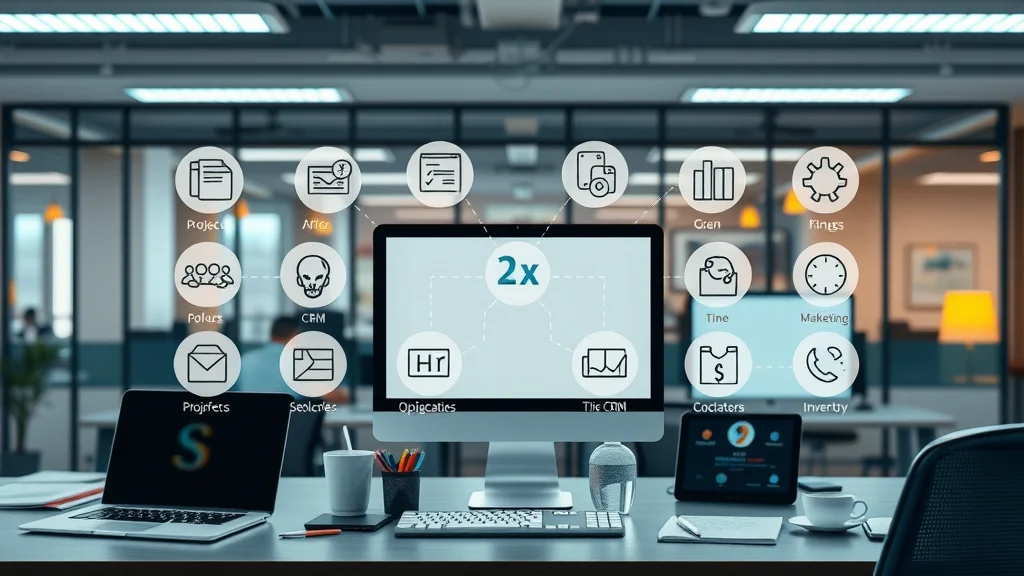
The seven types of application software typically include:
- Project Management (Trello, Asana)
- Accounting/Finance (QuickBooks, FreshBooks)
- CRM (HubSpot, Salesforce)
- Time Tracking (Harvest, Clockify)
- Marketing/Email (Mailchimp, Buffer)
- HR Management (Gusto, Zenefits)
- Inventory Management (TradeGecko, Zoho Inventory)
What are the five basic business applications?
Exploring the Most Critical Business Software for Small Business Owners
The five most common business applications for small business owners are project management tools, accounting software, CRM platforms, time tracking applications, and email marketing solutions. Together, these form a foundational stack, designed to help small companies manage projects, finances, customers, time, and customer engagement more effectively.
What are the 10 examples of application software?
Listing and Brief Overview of Ten Common Application Software for Small Businesses
- Trello (Project Management)
- QuickBooks (Accounting)
- HubSpot CRM (Customer Relationship Management)
- Mailchimp (Email Marketing)
- Clockify (Time Tracking)
- Slack (Communication/Collaboration Tool)
- Gusto (HR Management)
- TradeGecko (Inventory Management)
- Salesforce Essentials (CRM)
- CHLabs.co.uk Business Software Solutions (All-in-One/Industry-Specific)
Frequently Asked Questions about Software Applications and Solutions for Small Businesses
-
How do I choose the best business software for my company?
Identify your most time-consuming tasks, assess your company’s size and future growth, test with free trials, and ensure your chosen solutions offer reliable customer support and integrations that fit with your existing workflows. -
Are there industry-specific software solutions for small businesses?
Yes, many providers offer software tailored to specific industries, such as retail, consulting, or hospitality. CHLabs.co.uk specializes in ready-to-use, industry-focused applications to streamline operations for various sectors. -
What is the typical cost range for small business software?
Monthly SaaS subscriptions range from $8 to $50 per user for most tools. Many offer free plans or discounted pricing for startups, making it budget-friendly to get started. -
How can software solutions help with day-to-day operations?
By automating repetitive tasks, centralizing data, and speeding up communication, software solutions free up time, reduce errors, and allow owners to focus on growing their business and improving the customer experience. -
What features should I prioritize as a small business owner?
Look for ease of use, reliable customer support, integration capability, scalability, and robust reporting or analytics. These ensure you get full value as your business grows and changes.
Key Takeaways: Streamlining Business Growth with the Right Software Applications and Solutions
- The right software applications and solutions for small businesses enhance productivity and enable growth.
- CHLabs.co.uk offers comprehensive, ready-to-use business software solutions for immediate deployment.
- Evaluate key factors such as cost, features, and scalability before selecting a solution.
Final Thoughts on Software Applications and Solutions for Small Businesses
Empowering Business Owners with Effective Tools
Small businesses now have access to powerful, affordable, and user-friendly software solutions that once belonged only to big corporations. With the right applications, you can boost productivity, enhance the customer experience, and position your business for sustainable growth—even in competitive industries.

Next Steps for Implementing Your Small Business Software Strategy
Begin by listing your company’s biggest pain points, exploring free trial options for leading tools, and considering industry-tailored solutions from trusted sources like CHLabs.co.uk for instant, scalable deployment. Every digital step you take is a stride towards smarter, more efficient business operations.
As you continue to refine your digital strategy, remember that the journey doesn’t end with selecting the right tools—partnering with a business software development expert can unlock even greater potential. If you’re interested in exploring how custom-built solutions and ongoing technical support can future-proof your operations, discover the full spectrum of services offered by a leading business software development agency. This next step can help you adapt to evolving market demands, drive innovation, and ensure your business remains agile and competitive for years to come.
Ready to Transform Your Operations?
To learn more about The Complete Multi Platform Business Software Applications & Solutions Service For Companies visit https://www.chlabs.co.uk/software-applications-and-solutions-for-business/
Sources
- https://www.chlabs.co.uk/software-applications-and-solutions-for-business/ – CHLabs: Software Solutions for Business
- https://www.pcmag.com/picks/the-best-small-business-accounting-software – PCMag: Best Accounting Software for Small Businesses
- https://www.capterra.com/ – Capterra: Business Software Reviews
- https://www.techradar.com/best/best-project-management-software – TechRadar: Best Project Management Software
- https://www.salesforce.com/resources/articles/small-business-software/ – Salesforce: What Software Do Small Businesses Need?
To enhance your understanding of software applications and solutions for small businesses, consider exploring the following resources:
-
“Best Business Software Of 2025 – Forbes Advisor”: This comprehensive guide reviews top business software options, including eHopper, a versatile point-of-sale system suitable for retailers, e-commerce businesses, and restaurants. (forbes.com)
-
“5 Essential Types of Software Every Small Business Needs in 2025 | MinuteDock”: This article outlines crucial software categories for small businesses, such as Client Relationship Management (CRM) tools like HubSpot CRM, which offers robust contact management and sales pipeline visibility. (minutedock.com)
These resources provide valuable insights into selecting and implementing software solutions that can drive growth and efficiency in your small business.





Write A Comment