
Did you know nearly 40% of Americans are dissatisfied with the color of their teeth? If you’re one of them, the solution might be simpler, safer, and greener than you think
Unveiling the Truth About Organic Teeth Whitening
"Did you know nearly 40% of Americans are dissatisfied with the color of their teeth? Discover how organic teeth whitening can be your game changer."
Many people crave a radiant, white smile without the risks linked to chemical teeth whitening. Organic teeth whitening is sparking a revolution—more individuals are turning to natural teeth whitening in hopes of reducing exposure to potentially harmful chemicals, minimizing tooth sensitivity, and leveraging eco-friendly solutions. With traditional whitening methods sometimes leading to discomfort or enamel wear, the demand for safer, more sustainable choices is sharply on the rise. Whether your goals are cosmetic, health-related, or environmental, discovering how to whiten your teeth using organic methods can be a transformative step. This article addresses the most searched questions, reveals the most effective natural solutions, and guides you confidently through a natural teeth whitening routine—with evidence-backed benefits and user-approved tips.
Organic teeth whitening stands at the intersection of effective oral care and conscious living. Understanding how it compares to conventional bleaching, as well as recognizing the ingredients and science involved, empowers you to make choices that align with your lifestyle and your smile goals. Let’s dig deeper into what makes organic teeth whitening so popular—and how you can benefit from it today.

What You'll Learn About Organic Teeth Whitening
The science and benefits of organic teeth whitening
How natural teeth whitening methods compare to chemical solutions
Popular organic ingredients like coconut oil and baking soda
Tips for achieving whiter teeth safely
Expert insights and real user reviews
What is Organic Teeth Whitening? The Foundation of a Brighter Smile
Organic teeth whitening refers to using natural substances—free from synthetic additives and harsh chemicals—to brighten your smile. While conventional methods often rely on hydrogen peroxide-based gels or strips, organic whitening harnesses naturally sourced ingredients like coconut oil, baking soda, and certain fruits and vegetables. These agents work by gently removing stains, balancing oral pH, or encouraging a healthy bacterial balance for improved oral health. For many, embracing an organic approach leads to overall improved dental hygiene and decreased risk of tooth sensitivity as compared to chemical treatments.
But how do these organic options truly stack up? Consider the factors below in making the decision that’s best for your teeth, health, and the environment
Aspect |
Organic Whitening |
Conventional Whitening |
|---|---|---|
Effectiveness |
Noticeable results with consistent use; best for surface stains |
Faster, often deeper whitening but risk of irritation |
Cost |
Low – uses affordable household ingredients |
Moderate to high – involves professional products/services |
Tooth Sensitivity |
Gentle; low risk of sensitivity |
Commonly causes sensitivity or gum irritation |
Eco-Friendliness |
Minimal environmental impact; biodegradable |
Plastic waste and chemical runoff concerns |
Exploring Popular Organic Teeth Whitening Ingredients
The backbone of organic teeth whitening lies in time-tested, naturally derived ingredients. Understanding how each one works (and their unique benefits) will help you choose an approach tailored to your needs for whiter teeth—without sacrificing your health or values. Below, we dissect four commonly celebrated solutions endorsed by both health experts and everyday users alike.
Coconut Oil and Oil Pulling for Teeth Whitening
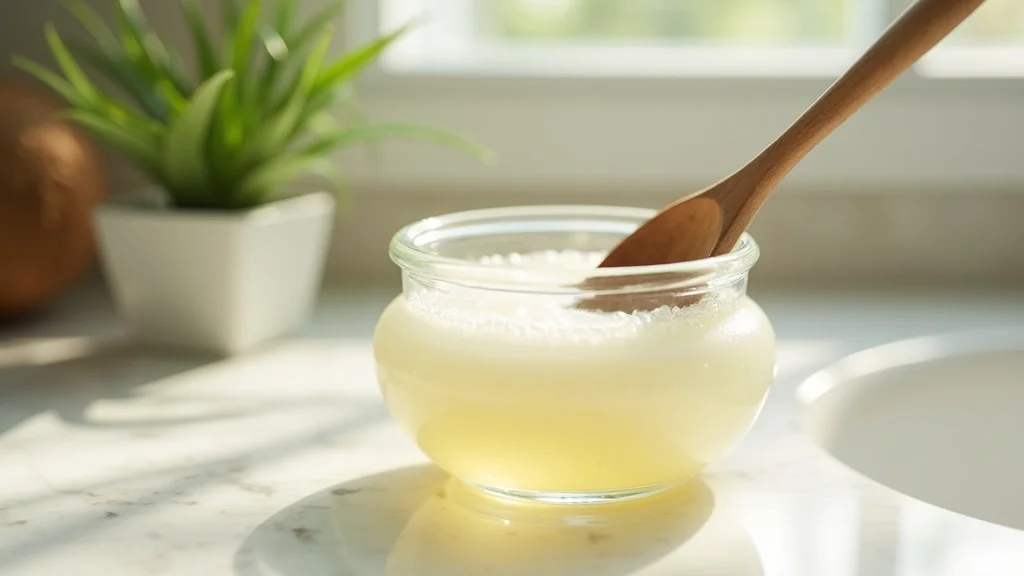
Oil pulling—especially with coconut oil—is an ancient Ayurvedic technique rapidly gaining mainstream popularity for organic teeth whitening. During oil pulling, you swish coconut oil in your mouth for about 15-20 minutes before spitting it out. Coconut oil is high in lauric acid, a natural agent renowned for its antimicrobial properties, which means it may help reduce oral bacteria that cause stains, plaque, and bad breath. Advocates credit coconut oil pulling for gently lifting surface stains left by coffee, tea, and wine, while keeping gums and teeth healthy. While not as instantaneous as peroxide, consistent use promises less risk of tooth sensitivity and no exposure to harmful chemicals. Whether or not it’s scientifically proven to match professional whitening, many users claim it contributes to healthier-looking, shinier, whiter teeth over time.
Baking Soda for Natural Teeth Whitening
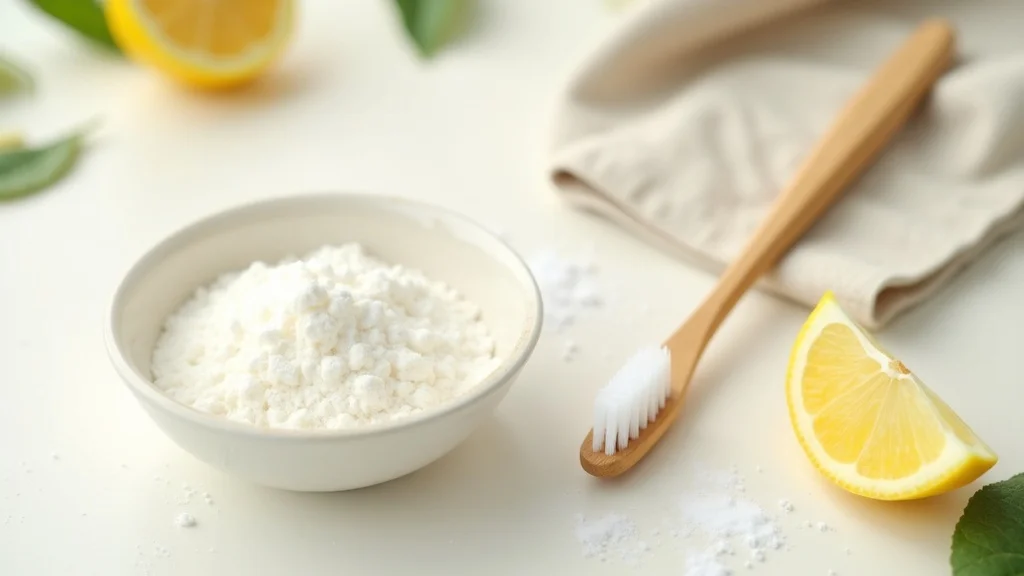
Baking soda, also known as sodium bicarbonate, is both loved and debated as a natural, household tooth whitener. Its mildly abrasive texture allows it to gently polish the enamel and scrub away surface stains without the use of artificial boosters or hortmful chemicals. The alkalinity of baking soda makes the oral environment less favorable for bacteria, supporting broader oral health in addition to cleaning teeth. Using a paste of baking soda and water a few times a week can noticeably enhance the brightness of your smile, though care must be taken not to brush your teeth too harshly to protect enamel. While not suitable for everyone—those with dental work or extremely sensitive teeth should consult a dentist—it remains one of the most affordable, accessible, and eco-friendly ways to pursue organic teeth whitening.
Hydrogen Peroxide: Safe for Organic Whitening?
Hydrogen peroxide sits on the fence between conventional and organic teeth whitening. Small, food-grade concentrations are considered relatively safe and are even produced naturally by the body, but most commercial formulas are much more potent—potentially causing irritation and tooth sensitivity with overuse. If you’re drawn to hydrogen peroxide for a natural whitening boost, always opt for diluted formulas (no more than 1–3%) and consult your dentist before using it at home. Remember: The “organic” designation for oral care is stricter; true organic whitening methods avoid synthesized chemicals and instead prioritize gentle, food-based ingredients. While hydrogen peroxide can be effective, it may not fit the purest definition of organic teeth whitening.
Fruits and Vegetables: Nature’s Secret to Whiter Teeth
Many fruits and vegetables contain natural acids or enzymes that act as mild whiteners—think strawberries (malic acid), apples, pineapples, and even crunchy carrots. These foods can help polish away stains and promote saliva production, which naturally cleanses the teeth. Strawberries, in particular, mashed and applied briefly to the teeth, are a popular DIY hack believed to gently lift superficial discoloration. Crunchy veggies, meanwhile, have the added benefit of scrubbing teeth as you chew, encouraging healthier gums and improved dental hygiene. While the science is still evolving, adding more of these foods to your diet—alongside a solid brushing routine—supports a natural, multi-faceted approach to organic teeth whitening.
Step-by-Step: How to Whiten Your Teeth Naturally at Home
Achieving a naturally whiter smile at home is simpler than ever with the right ingredients and a safe routine. Follow these steps for organic teeth whitening—and notice a difference in your confidence and overall oral health, week by week:
Choose your preferred organic teeth whitening method (coconut oil, baking soda, or fruit-based treatments).
Gently brush your teeth with the selected ingredient or perform an oil pull for the suggested duration (e.g., 15-20 minutes for oil pulling).
Follow a consistent, safe routine: Limit abrasive methods like baking soda to 2–3 times per week, and always use a soft-bristled toothbrush.
Monitor results for a brighter smile by taking weekly photos and noting any sensitivity. Celebrate improvements and make adjustments as needed.

Pros and Cons: Is Organic Teeth Whitening Right for You?
Pros: Reduced chemicals, lower tooth sensitivity, eco-friendly, affordable
Cons: Slower results, possible dietary impact, mild effectiveness compared to peroxide-based products
"Organic teeth whitening can be just as effective as more conventional methods, especially for those with sensitive teeth or a preference for green products."
Watch as real users demonstrate simple methods—like oil pulling, brushing with baking soda, and fruit applications—for a naturally whiter, brighter smile. Notice the differences and hear their honest feedback!
Expert & User Reviews on Organic Teeth Whitening Products
Dentist Insights: The Science Behind Safe, Natural Teeth Whitening

Leading dental professionals emphasize that organic teeth whitening is generally safer for those with sensitive teeth or concerns about oral health. According to the American Dental Association, natural agents like coconut oil and baking soda are effective in stain removal when used properly and sparingly. Dentists caution, however, that even gentle abrasives, if overused, may affect enamel. Most experts recommend combining organic methods with regular dental checkups and professional cleanings for optimal results. Ultimately, “natural” does not always mean risk-free—individual reactions can vary based on existing dental work, the health of the gums, and personal habits. Always consult your dentist before starting any at-home whitening product routine, especially if you have crowns, veneers, or implants.
Authentic User Reviews: Achieving a Brighter Smile
Thousands of users report positive experiences with organic teeth whitening—many noting improvements in brightness, reduced sensitivity, and a sense of empowerment from using earth-friendly products. For example, one user shares: “After switching from peroxide strips to oil pulling and baking soda paste, my teeth look brighter and feel smoother—plus, no more stinging!” Others cite the budget-friendly nature of organic ingredients, and some note enhanced fresh breath and overall dental hygiene as unexpected benefits. However, a small subset reports that results can be subtle and require more patience than quick-fix chemical products. On balance, satisfaction rates are highest among those seeking gentle, sustainable oral care that complements, rather than replaces, professional dental treatments.
People Also Ask: Answers to Common Organic Teeth Whitening Questions
What is the most effective natural teeth whitening?
The most effective natural teeth whitening methods are typically oil pulling with coconut oil, brushing with a paste made from baking soda, and using mashed strawberries for their natural whitening enzymes. Consistency and safe technique—alongside routine dental hygiene—deliver the best results for a brighter smile.
Does organic teeth whitening work?
Yes, organic teeth whitening can effectively reduce surface stains, especially for those with light to moderate discoloration. While results may take longer than with conventional whitening products, users often experience less tooth sensitivity and avoid harmful chemicals.
Can yellow teeth be whitened naturally?
Yellow teeth caused by surface stains often respond well to organic methods like coconut oil pulling and baking soda brushing. However, deeper staining or color changes from medications may require consultation with a dental professional for optimal outcomes.

What is the best non-toxic teeth whitening?
The best non-toxic teeth whitening methods are those using natural, readily available ingredients—such as coconut oil, baking soda, and certain fruits. These minimize exposure to synthetic substances and are safe for regular use when applied correctly.
FAQs: Essential Guidance for Organic Teeth Whitening
How often should I use organic teeth whitening methods? Most experts advise using gentle methods, such as oil pulling or fruit-based whitening, daily or several times a week. More abrasive approaches (like baking soda) should be limited to two or three times weekly to protect enamel.
Does organic teeth whitening/products cause tooth sensitivity? Generally, organic methods lead to less tooth sensitivity compared to chemical alternatives, but overuse or improper application might cause discomfort for some individuals.
Are there clinical studies supporting organic whitening effects? Several studies suggest natural ingredients like coconut oil can support oral hygiene and reduce stains. However, scientific evidence for dramatic whitening is still emerging, so always temper expectations.
Is organic whitening safe for children? While milder than chemical options, consult with a pediatric dentist before introducing any new at-home whitening routine for children, especially with ingredients like baking soda or hydrogen peroxide.
Key Takeaways on Organic Teeth Whitening
Organic teeth whitening offers a safe, non-toxic path to a brighter smile.
Popular methods include coconut oil pulling, baking soda, and fruit-based treatments.
Suitable for people concerned about chemicals and tooth sensitivity.
Consistency is key for visible results.
Conclusion: Unlock Your Brighter Smile with Organic Teeth Whitening
Embrace the gentle, natural route—organic teeth whitening delivers real results without compromise. Start today for a smile that shines!
Ready to Experience Organic Teeth Whitening? Explore Our Approved Products
Find your perfect starting point! Browse our curated selection of organic teeth whitening products, read trusted reviews, and begin your journey to a healthier, more confident smile—naturally.






Write A Comment