Add Row
Add Element
UPDATE
Add Element
  • Home
  • Categories
    • Business and Economy
    • Community
    • Small Biz
    • Policy and Law
    • Real Estate
    • Modern Life
    • Explore the U.S
January 24.2026
1 Minute Read

Don't Ignore Your civil rights—Protect Them Now

Did you know thousands of Americans face wrongful arrest or prosecution every year, often without knowing their civil rights were violated? These startling statistics highlight a hard truth: your freedom can be at risk if you're not aware of how to protect your rights from police officers and law enforcement misconduct

Civil Rights: Understanding Your Protections Against False Arrest & Malicious Prosecution

“Every year, thousands of Americans are wrongfully arrested or prosecuted, underscoring the urgent need to know and defend your civil rights.”

Civil rights exist to protect everyone in the United States from unjust treatment at the hands of government officials, including police officers and law enforcement. Understanding the protections in place can mean the difference between suffering in silence and mounting a powerful civil rights claim. False arrest and malicious prosecution are two of the most harmful civil rights violations, resulting in lasting emotional distress, financial harm, and the erosion of public trust in law enforcement agencies. If you are the victim of either, acting quickly with the support of a trusted law firm or civil rights lawyer can help you regain control and seek justice.

The United States Constitution, especially the Fourth Amendment, establishes critical boundaries for police officers—protecting you from being detained or prosecuted without probable cause. Law enforcement, while charged with keeping communities safe, must also respect the rights of those they serve. Any overreach—such as a police officer making an unlawful arrest or a prosecutor pursuing a criminal case without foundation—can be grounds for a robust civil rights lawsuit. Knowing your rights and the available remedies makes you less vulnerable to rights violations and more empowered to take legal action.

Diverse everyday people standing united before an American courthouse showing civil rights solidarity

What You'll Learn About Civil Rights, False Arrest & Malicious Prosecution

  • What constitutes a civil rights violation by a police officer or law enforcement agency
  • How false arrest and malicious prosecution undermine basic civil rights
  • Steps to take when you believe your rights claim has been violated
  • How to pursue a civil rights claim and work with a law firm

Civil Rights: The Foundation of Protection from Police Officers

Civil rights act as a legal shield against government overreach, with critical implications during police encounters. The rights granted by the Constitution, particularly in the context of police officers and law enforcement agencies, are designed to prevent abuse of power. When a police officer stops, searches, or arrests someone, the action must be grounded in probable cause and adhere to strict procedural rules. Violations of these safeguards—whether intentional or accidental—constitute not just unethical behavior but a direct rights violation, forming the basis of many civil rights claims.

For individuals who find themselves in sudden confrontations with law enforcement, knowledge is the first line of defense. If you’re ever confronted by a police officer, understanding your fundamental civil rights—including your right to remain silent, to refuse consent to certain searches, and to request an attorney—can mean the difference between lawful treatment and a potential false arrest. Law enforcement officers are obligated to respect these boundaries; when they do not, you have legal recourse.

Key Civil Rights Guaranteed by the Constitution

  • Fourth Amendment rights against unreasonable searches and seizures
  • Due process and equal protection under the law
  • Protection from excessive force by police officers

Professional police officer standing in police station lobby representing law enforcement boundaries

How Civil Rights Violations Occur During Arrests and Prosecutions

Civil rights violations often occur at the point of arrest, search, or prosecution. Police officers may overstep legal boundaries, detaining or searching individuals without probable cause or a valid warrant. In other cases, misconduct escalates further, such as using excessive force during an arrest or fabricating evidence to justify a criminal proceeding. During prosecution, malicious intent from government officials—like pursuing criminal charges without sufficient evidence—may also give rise to rights violations.

These abuses are not only distressing to the victim but also represent a failure of the police department and the justice system to uphold their core responsibility. If your Fourth Amendment rights are violated or you’re subject to an unjust prosecution claim, you have the legal standing to pursue a civil rights claim. It’s crucial to recognize the signs early and seek legal advice to avoid long-term negative consequences.

Police Officers and Law Enforcement: Their Role and Boundaries in Civil Rights

Police officers and law enforcement agencies play a critical role in safeguarding public safety throughout the United States. However, their authority is not absolute and must be exercised within the boundaries of the law. The dignity of individuals, the presumption of innocence, and equal protection are at the heart of these legal boundaries. Violations by a police officer, whether through discrimination, unlawful searches, or baseless arrests, undermine the very civil rights these institutions are sworn to protect.

When law enforcement or a police officer crosses these lines, victims have the right to file a rights claim. Navigating this process often requires the guidance of a civil rights lawyer knowledgeable in both federal and state law, as civil lawsuits against police officers and law departments can be exceptionally complex. A law firm with expertise in civil rights claims will know how to systematically gather evidence and advance your rights claim effectively.

Duties and Limits of Law Enforcement Related to Civil Rights

The duties of law enforcement include upholding laws, investigating crimes, and protecting citizens. However, clear limits define how and when police officers may detain, search, or question individuals. These limits—defined by the Fourth Amendment, civil rights statutes, and court rulings—are critical to prevent excessive force, false arrest, and other forms of rights violations. When police officers disregard these boundaries, the potential for a civil rights violation increases sharply.

It is vital for every community member to recognize these limits and understand that even government officials must respect civil liberties. When a police officer’s conduct fails to meet legal standards, victims are entitled to seek legal recourse and accountability through a civil lawsuit or formal rights claim.

Situations Leading to Civil Rights Violations by Police Officers

Situations leading to civil rights violations include stops or arrests without probable cause, racial profiling, relying on fabricated evidence, or excessive use of force. Sometimes, police officers may feel pressured to make an arrest or bring closure to a case, resulting in a false arrest or even malicious prosecution. When the actions of law enforcement are driven by improper motives or fail standard procedures, rights violations are almost unavoidable.

If you believe that you have been the victim of a wrongful act by law enforcement, it is important to recognize early warning signs—such as unclear charges, inconsistent police reports, or intimidation—and seek the assistance of a civil rights lawyer to explore possible rights claims and remedies.

False Arrest: A Serious Civil Rights Violation

False arrest is one of the most devastating forms of civil rights violation because it strips individuals of their freedom without legal justification. When a police officer or law enforcement agent detains or imprisons a person without probable cause or a valid warrant, it directly infringes upon the victim’s Fourth Amendment rights. False arrest not only results in short-term distress, embarrassment, and loss of liberty, but can also harm future job prospects, damage reputations, and create lasting emotional distress.

Legal recourse in the form of a civil rights claim or lawsuit becomes critical in these scenarios. If you have been wrongfully detained by police officers, it is essential to act fast. Document the incident, seek immediate legal advice, and contact a reputable law firm—such measures not only protect your rights but also lay the groundwork for a successful civil lawsuit if necessary.

Defining False Arrest and How It Violates Civil Rights

False arrest occurs the moment a person is detained without legal grounds—usually in the absence of a warrant or credible suspicion that the person committed a crime. In the context of civil rights, such an arrest undermines key constitutional guarantees, including freedom from unlawful detention. Even a brief false arrest by a police officer may warrant a substantial rights claim, especially if the arrest results in criminal proceedings or reputational harm. Both federal court and state courts recognize false arrest claims under U.S. civil rights statutes.

The right to liberty and security is central to the American legal tradition. When these rights are ignored by the very officers tasked with upholding them, it’s more than just a simple mistake—it’s a clear civil rights violation that can be actionable under the law.

Common Causes of False Arrest by Police Officers

False arrests often stem from misidentification, overzealous law enforcement tactics, lack of proper evidence, or external pressures within a police department to resolve cases quickly. In other instances, a police officer may be manipulated by third parties seeking to settle personal scores, resulting in wrongful detention. Additional causes include racial profiling, failure to investigate thoroughly, or a misunderstanding of legal procedures regarding the need for probable cause.

Regardless of the cause, the impact on victims is severe. From missed employment opportunities to deep emotional distress, the ripple effects of a false arrest can last for years. This is why knowing what steps to take following an arrest is critical for safeguarding your rights.

False Arrest Case Studies: Real-World Civil Rights Claims

Consider a scenario where a person is mistakenly arrested due to a witness’s misidentification. Despite clear evidence showing the individual’s innocence, the police officer’s failure to investigate or recognize inconsistencies leads to an unjust detention and a criminal case that collapses only after legal intervention. In another case, police officers might act on fabricated evidence or false statements, causing a false arrest that unravels only during federal court proceedings.

Such cases underscore the importance of timely legal action and the role a civil rights lawyer plays in exposing rights violations and holding law enforcement accountable. Successful outcomes of civil lawsuits not only bring relief to victims but also drive meaningful policy changes within police departments.

Individual in distress being handcuffed on city street representing possible false arrest by police officer
Comparison of Lawful Arrest vs. False Arrest
Criteria Lawful Arrest False Arrest
Probable Cause / Warrant Required Not present
Rights Violation No Yes—Fourth Amendment violated
Evidence Required Clear and convincing Often lacking or fabricated

Malicious Prosecution and Its Impact on Civil Rights

Malicious prosecution represents another grave threat to civil rights, affecting not only the immediate target but also undermining trust in the justice system at large. When government officials or law enforcement pursue criminal proceedings with ill intent, without probable cause, or purely to harass or retaliate, the result is often lasting emotional, financial, and reputational harm. Malicious prosecution may follow a false arrest or originate from an abuse of prosecutorial discretion.

Victims of malicious prosecution not only face wrongful criminal charges but also the stress and anxiety of a pending criminal case—sometimes for months or years—before justice prevails. In these scenarios, a civil rights claim or civil lawsuit is both a path to recovery and a means to restore public confidence in the justice system.

What Is Malicious Prosecution? Key Civil Rights Affected

Malicious prosecution occurs when criminal charges are brought against someone without probable cause, usually motivated by malice or other improper reasons. Critical civil rights, including the right to due process and protection from deprivation of liberty, are directly implicated. While police officers or prosecutors play central roles in initiating prosecution claims, courts across the United States hold that their actions must be free of bias, malice, or personal retribution.

When you are dragged into a criminal proceeding without basis, it undermines both your personal freedoms and the integrity of the legal process. If you can demonstrate malice and a lack of probable cause, you are entitled to pursue damages for emotional distress, legal fees, and other losses through a civil rights lawsuit.

Case Examples: Malicious Prosecution and Subsequent Rights Claims

  • Prosecuting without probable cause
  • Harassment through repeated or unfounded charges
  • Impact on individuals’ criminal case outcomes

For example, if a police officer repeatedly charges a person with crimes that courts routinely dismiss due to insufficient evidence, victims have clear grounds for a rights claim. In another instance, someone acquitted in a criminal case learns that the arrest or charges were fabricated as retaliation for reporting police misconduct—providing a textbook case of malicious prosecution. These real-world scenarios emphasize the need for knowledgeable legal representation and swift civil action.
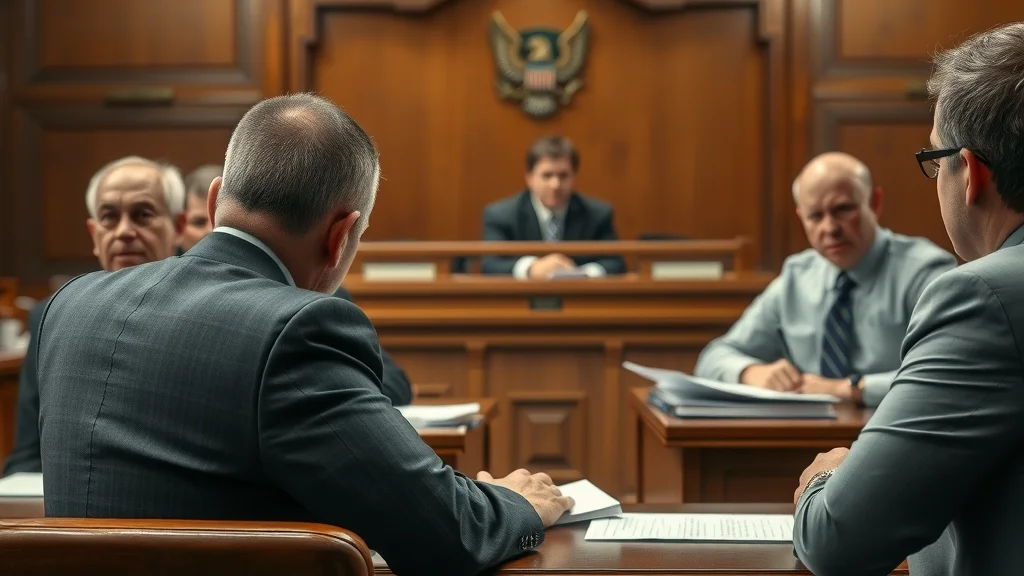
Defendant at courtroom table with prosecutors, representing a malicious prosecution civil rights violation

The Four Elements of Malicious Prosecution

Every malicious prosecution civil rights claim must generally establish four elements: (1) initiation or continuation of a legal action, (2) absence of probable cause, (3) malice, and (4) termination of the case in the victim’s favor. These four factors help courts distinguish between honest errors and intentional abuse by police officers, prosecutors, or law enforcement agencies.

Without satisfying all four elements, it is difficult to prove that a rights violation has occurred. The ability to document malicious intent and show the role of key government officials is crucial to a successful civil rights claim.

Elements of Malicious Prosecution and Examples
Element Example
Legal Action Initiated Filing criminal charges despite no evidence
Lack of Probable Cause No reasonable link between suspect and crime
Malice Police officer acts out of personal vendetta
Favorable Outcome for Victim Charges dismissed or acquittal in court

The Relationship Between False Arrest & Malicious Prosecution in Civil Rights

False arrest and malicious prosecution often go hand in hand. A wrongful arrest by a police officer may mark the beginning of a long journey through the criminal justice system, culminating in a prosecution that is equally unfounded. When the legal process is distorted from the outset, your civil rights are placed at risk at every stage.

Recognizing the relationship between these two civil rights violations allows victims to craft more comprehensive rights claims. Legal action addressing both issues can recover damages for lost income, legal costs, emotional distress, and more. For the best results, work with a law firm experienced in federal and state civil rights litigation.

False Arrest and Malicious Prosecution: How They Often Intersect

Frequently, the same set of circumstances gives rise to both a false arrest and a malicious prosecution. For example, a police officer might make a baseless arrest, and prosecutors, relying on flawed evidence, proceed with criminal charges. The entwinement of both wrongs increases the severity of the rights violation and often results in higher damage awards in civil lawsuits.

Bringing a combined civil rights claim demands detailed documentation, quick evidence preservation, and a proactive legal strategy—emphasizing why consulting a civil rights lawyer as early as possible is vital.

Legal Pathways for a Civil Rights Claim Involving Both False Arrest and Malicious Prosecution

Civil rights claims alleging both false arrest and malicious prosecution are typically filed in state or federal court under 42 U.S.C. § 1983 or similar statutes. These rights claims must address the roles of all involved government officials, detail how your Fourth Amendment and due process rights were violated, and include thorough evidence of malice or misconduct.

The claim process can be intricate, often requiring collaboration with a law firm skilled in rights claims, evidence gathering, and negotiation with police departments and city attorneys for settlement or trial. If you believe you were a victim of both forms of rights violations, don’t delay—seek legal advice and act quickly to protect your future.

Lawyer reassuring client in law office during a civil rights claim discussion

Recognizing Police Misconduct: Civil Rights Violation and Rights Claim Options

Recognizing signs of police misconduct is essential for defending your civil rights. Too often, victims are unaware that their experiences qualify as rights violations and thus hesitate to take appropriate civil or legal action. Police misconduct can involve various behaviors, ranging from minor procedural breaches to severe cases of false arrest, abuse of authority, or malicious prosecution. To take the first step in asserting your rights claim, learn to spot warning signs and seek expert legal advice without delay.

Not every unpleasant police encounter amounts to a rights violation, but if your liberty, property, or dignity has been unjustly compromised, it’s worth consulting a lawyer. The more proactive your response, the stronger your civil rights claim will be if you choose to pursue a civil lawsuit.

Common Signs of a Civil Rights Violation by Police Officers

  • Unlawful detention without cause
  • Fabrication or suppression of evidence
  • Excessive use of force

These warning signs often signal that your case could form the basis for a strong rights claim, particularly if emotional distress or harm has occurred. Early intervention—documenting the incident and seeking legal advice—is your best protection.

“Justice always requires accountability, especially when public trust in law enforcement is at stake.”

Steps to Take If You Are a Victim of Civil Rights Violations, Including False Arrest or Malicious Prosecution

  1. Document the incident and gather evidence. Write down every detail, save communications, record the names and badge numbers of involved police officers, and collect witness information.
  2. Contact a civil rights lawyer or law firm. A specialized lawyer will be able to assess the validity of your rights claim and outline your civil lawsuit options.
  3. File a civil lawsuit or rights claim in a timely manner. Deadlines are strict; missing them may bar your case.
  4. Cooperate with investigations and follow legal advice. Adhering to professional guidance boosts your chances for a favorable outcome.

Timely action in the wake of a rights violation can be decisive—don’t hesitate to seek out a reputable law firm for immediate support.

Individual with family, relieved and optimistic at home, reviewing civil rights documents after false arrest or malicious prosecution

Working with a Law Firm to Protect Your Civil Rights

Navigating the complexities of civil rights claims demands the experience and commitment of a skilled law firm. The right legal counsel can mean the difference between missed opportunities for justice and a successful civil lawsuit resulting in compensation and policy change. Civil rights lawyers not only explain your options but also act as powerful advocates during every stage of your rights claim.

When choosing a law firm, look for professionals with a proven record of defending civil rights, experience in litigating against police departments and law enforcement agencies, and a compassionate approach to client needs.

Choosing an Experienced Civil Rights Lawyer for Your Case

When it comes to defending yourself against a false arrest or malicious prosecution, selecting the right civil rights lawyer is critical. Look for a law firm with a robust track record in federal and state civil rights litigation and positive client testimonials. The ideal lawyer will be able to dissect police officer conduct, gather evidence, and guide you through complex procedural steps. Before hiring, ask about their experience with rights claims similar to yours, their approach to settlements, and their familiarity with local police departments.

A dedicated rights lawyer provides more than legal skill—they offer reassurance, strategic vision, and unwavering commitment to holding law enforcement officials accountable for civil rights violations.

What to Expect During a Civil Rights Claim Process

The civil rights claim process typically involves an initial case evaluation, evidence collection, filing of the civil lawsuit, and negotiations or court proceedings. Your lawyer will handle deadlines, filings, and communications with involved parties—including the police department and other government officials—while you focus on recovery. The process can be lengthy, but persistence and patience are essential.

Transparency is key. Expect regular updates from your lawyer regarding developments, timelines, and recommended actions, giving you confidence and control throughout your legal journey.

Civil Rights Claim Process: Steps, Timelines, and Key Legal Considerations
Step Estimated Timeline Key Considerations
Case Evaluation & Evidence Gathering 1–4 weeks Documentation, witness statements, police reports
Filing Rights Claim / Lawsuit 1–2 weeks after evaluation Adherence to legal deadlines (statute of limitations)
Discovery & Negotiation 1–12 months Depositions, document sharing, potential settlements
Court Proceedings (if no settlement) 6–24 months Trial, appeals, possible settlement during litigation
“Our commitment to protecting your civil rights means advocating for accountability at every level of enforcement.” – Howard Law Firm

People Also Ask: Civil Rights, False Arrest & Malicious Prosecution

Is malicious prosecution a civil rights violation?

Answer: Malicious prosecution, when perpetrated by law enforcement or a police officer, can constitute a civil rights violation when it leads to wrongful deprivation of liberty or other protected rights.

Is false arrest a civil rights violation?

Answer: Yes; a false arrest by police officers or law enforcement is a direct rights violation under federal civil rights statutes, especially when conducted without probable cause.

What is the difference between false arrest and malicious prosecution?

Answer: False arrest occurs at the time of the detention or arrest, typically without legal justification, while malicious prosecution refers to initiating criminal proceedings without probable cause and with improper motive, which continues after the arrest.

What are the four elements of malicious prosecution?

Answer: The four elements are: (1) initiation or continuation of legal action, (2) absence of probable cause, (3) malice, and (4) favorable termination for the victim.

Key Takeaways: Your Rights and Legal Remedies for Civil Rights Violations

  • Stay informed of your rights when interacting with law enforcement
  • False arrest and malicious prosecution are actionable civil rights violations
  • Seek help from a qualified law firm if you suspect your civil rights have been violated

Frequently Asked Questions About Civil Rights, False Arrest & Malicious Prosecution

  • Can I sue for damages after a civil rights violation? Yes, victims of civil rights violations—including false arrest or malicious prosecution—may file a civil lawsuit seeking compensation for lost wages, emotional distress, and other damages.
  • What compensation is available for false arrest and malicious prosecution? Depending on the severity of your case, you may receive compensation for economic losses, pain and suffering, legal expenses, and punitive damages designed to punish the wrongdoer and deter future violations.
  • How long do I have to file a civil rights claim? The statute of limitations varies by state but generally ranges from one to three years. Prompt action is critical, so seek legal advice as soon as possible.
  • What evidence is most helpful in civil rights lawsuits? Key evidence includes arrest records, body camera footage, witness statements, correspondence with law enforcement, and any documentation showing the absence of probable cause or evidence of malice.


Conclusion: Take Action to Defend Your Civil Rights, Today

Don't wait—Contact our experienced civil rights lawyers at Howard Law Firm to discuss your rights claim and secure legal protection for your future.

Policy and Law

0 Comments

Write A Comment

*
*
Please complete the captcha to submit your comment.
Related Posts All Posts
04.06.2026

Need Adoption Attorneys in St Charles MO? Here’s What to Know

Did you know that nearly 135,000 children are adopted in the United States every year, yet many families struggle to navigate the legal complexities without experienced adoption attorneys in St Charles MO? The world of adoption law can seem daunting, full of emotional highs and legal hurdles. In Saint Charles and across Charles County, finding the right adoption lawyer could be the most important decision you make for your growing family. This guide will reveal key facts, outline crucial steps, and show you how Lecour Family Law is assisting clients in their adoption journey with clarity, compassion, and unwavering support.“Did you know that nearly 135,000 children are adopted in the United States every year, yet many families struggle to navigate the legal complexities without experienced adoption attorneys in St Charles MO?”Startling Facts About Adoption Attorneys in St Charles MOAdoption is more common than many realize, but its legal landscape is far from simple. Adoption attorneys in St Charles MO play an essential role in demystifying the process and safeguarding your rights. Across Charles County, countless families embark on the adoption journey only to encounter obstacles – from confusing paperwork to unexpected legal challenges. Without the guidance of a knowledgeable adoption lawyer or family law attorney, even the most prepared families can stumble. For those in Saint Charles, local law firms specializing in adoption law offer invaluable support, ensuring you don’t miss crucial steps or overlook your legal protections. By partnering with a trusted adoption law firm in Charles County, you position your family for a smoother, safer, and more joyful adoption experience.The reality is: each type of adoption – whether private, stepparent, or agency-based – comes with its own legal nuances. Rights attorney specialists and experienced adoption lawyers in St Charles MO know Missouri statutes inside out and tailor their approach for your unique needs. Working with these legal professionals means you’ll have an advocate at every stage, from preparing initial petitions to finalizing the adoption in court. Their experience stretches beyond adoption; many also offer counsel in related practice areas like child custody, custody modification, and even criminal defense if needed, addressing the full scope of family law matters that might arise during the adoption journey.What You'll Learn About Adoption Attorneys in St Charles MOThe critical role of adoption attorneys in St Charles MOEssential steps in the adoption process throughout Charles CountyHow Lecour Family Law guides clients in Saint Charles through family law challengesAnswers to the most common questions about adoption law and rightsWhy You Need Experienced Adoption Attorneys in St Charles MOFamily Law and Adoption: Expert Support in Saint CharlesThe role of a family law attorney during adoption extends far beyond basic representation. When you work with dedicated adoption attorneys in St Charles MO, you benefit from their in-depth knowledge of both Missouri law and the unique details of Charles County’s courts. These professionals collaborate with families to address paperwork, mediate sensitive communications, and handle any disputes that may arise—especially those involving birth parents or contested rights. A seasoned adoption law firm offers essential legal advice grounded in local experience, helping you avoid costly mistakes and delays. By hiring a local law attorney, you ensure that your interests remain the top priority from your first consultation to the final adoption decree.Families often seek more than procedural guidance. They want a trustworthy advisor who will stand by them during one of life’s most emotional transitions. Serving Saint Charles and the broader area, adoption lawyers provide a reassuring presence, breaking down complex legal language, outlining timelines, and explaining every required form. Lecour Family Law, for example, is known for its compassionate approach and expert guidance, tailoring every strategy to your specific circumstances. Whether you’re beginning the adoption process, navigating a family law matter, or concerned about child custody implications, your law firm’s expertise can make the difference between an overwhelming experience and a smooth one.The Importance of Working With a Local Law FirmChoosing a local law firm like those in Saint Charles brings an important advantage: firsthand understanding of both the Missouri and Charles County court systems. Local adoption attorneys are familiar with the preferences and processes of area judges, clerks, and agencies, which can expedite proceedings and help your case stay on track. If complications arise—such as challenges from a rights attorney or questions about compliance with state regulations—a nearby law office can respond quickly and efficiently. They understand local dynamics and build strong relationships with key court personnel, a benefit you simply can’t get from generic online legal services or out-of-county firms.Beyond legal expertise, a local law attorney offers accessibility and personalized customer support. Saint Charles families appreciate the ability to schedule in-person meetings and get prompt answers to urgent questions. A local office address means you can drop off documents, attend consultations, or discuss changing circumstances with real people who know your situation. When it comes to family law matters, especially something as significant as adoption, having a law firm right in your community creates peace of mind and reassurance.Understanding Adoption Law in St Charles CountyHow an Adoption Attorney Protects Your RightsAdoption law in Charles County is designed to protect the best interests of the child while ensuring families follow applicable state and federal rules. An adoption attorney in St Charles MO is your advocate throughout this process. Their support includes reviewing your eligibility, preparing application documents, and making sure every requirement is met in accordance with Missouri’s specific guidelines. If disputes or uncertainties arise—such as contested parental rights, background checks, or compliance with the Adoption and Safe Families Act—your adoption lawyer navigates these issues on your behalf, working to achieve the best possible outcome for all parties.These legal professionals not only prepare you for every step but also safeguard you against unforeseen problems. They monitor changes in adoption law or family law in Missouri, interpret new regulations, and ensure you don’t inadvertently miss key steps that could jeopardize your case. In short, your rights and interests remain paramount, thanks to attention and experience tailored to Charles County and the needs of its families.Adoption Lawyers vs. Rights Attorneys: Knowing the DifferenceMany people researching adoption law come across distinct roles: adoption lawyers and rights attorneys. While adoption lawyers focus on representing adoptive parents or prospective parents through the process—from petitions and background checks to court hearings—rights attorneys are more often engaged in disputes regarding the legal rights of biological parents, children, or extended family members. Understanding this difference is vital, as it determines the type of law attorney you need at different points in the adoption journey.Your adoption attorney in St Charles MO may work collaboratively with or in opposition to rights attorneys depending on the nature of the adoption. In contested adoptions or cases with criminal defense concerns, your legal team may expand to include rights specialists or even additional family law attorneys. Discuss the specifics with a local law firm to ensure all your interests are represented, especially if there are concerns regarding withdrawal of consent or the legal status of a birth parent. Lecour Family Law brings this multidimensional approach to serving Saint Charles clients, providing both adoption process support and broader legal protection.Navigating the Adoption Process with Adoption Attorneys in St Charles MOAdoption Process Steps Simplified by Saint Charles ProfessionalsThe adoption process in Charles County, Missouri, involves several key steps, each with important legal implications. With the guidance of a local adoption attorney, you can move through each stage confidently. Saint Charles professionals start with an initial consultation, where your eligibility and goals are assessed. Next, your attorney assists in compiling and filing all necessary documents, including background checks, references, and statements of intent.Once documents are prepared, your lawyer will help you navigate court hearings, communicate with agencies or birth parents, and address any objections or delays. Throughout this process, your attorney ensures not only compliance with state statutes, but also that your family’s emotional well-being is taken into account. At every stage, their job is to clarify complicated legal language, respond to new developments, and advocate for your interests so you can focus on welcoming your new family member.Step in Adoption ProcessRole of Adoption Attorney in St Charles MOKey Considerations in Charles CountyInitial ConsultationAssess eligibility, explain adoption law, outline next stepsLocal court preferences and unique documentation for Saint CharlesDocument PreparationDraft petitions, coordinate background checks, collect supporting evidenceMissouri-specific requirements, timely filing with local courtsCourt HearingsRepresentation at hearings, address objections, manage interactionsKnowledge of Charles County courthouse protocolsFinalizationEnsure decrees are properly recorded, resolve any post-adoption questionsEnsuring child’s legal status and updating records locallyRelated Practice Areas at Lecour Family LawCustody ModificationChild SupportChild CustodyFamily LawCriminal Defense (when applicable)People Also Ask: Which Type of Lawyer Would Help in Adoption?Answer: Adoption attorneys in St Charles MO are specially trained to handle complex adoption law matters and ensure your family’s rights are protected.When navigating the adoption process, it’s crucial to find an adoption attorney or adoption lawyer who is experienced in Missouri’s adoption law. These professionals understand both general family law and the specifics of adoption, offering guidance that a general rights attorney may not provide. Adoption attorneys in St Charles MO support families through every stage, preparing documents, communicating with birth parents or agencies, handling court appearances, and ensuring every detail is legally sound and emotionally sensitive. If your adoption is complicated by custody modification, criminal defense matters, or overlapping practice areas, a family law firm like Lecour Family Law brings multi-faceted expertise to your case.People Also Ask: What is the New Law for Child Custody in Missouri?Answer: The updated child custody laws in Missouri focus on the best interests of the child and emphasize joint custody arrangements, an area your adoption attorney in St Charles MO can expertly navigate.Missouri’s latest child custody reforms prioritize the child’s welfare, encouraging courts to award joint legal and physical custody when feasible. Family law attorneys, including those specializing in adoption law in Saint Charles, are prepared to help clients interpret and apply these new standards. Whether your adoption involves changing existing custody arrangements or incorporating new legal precedents, a skilled adoption lawyer ensures all steps are taken in line with the best interests of the child. Local legal teams frequently handle overlapping matters in child custody and adoption, helping families adapt to new laws and procedures efficiently.People Also Ask: Do You Have to Be Married to Adopt Your Partner's Child in Missouri?Answer: In Missouri, a person does not always need to be married to adopt a partner’s child, but consulting an adoption attorney in St Charles MO ensures compliance with state and county rules.Missouri law allows individuals to adopt a partner’s child even if they are not formally married, but specific legal conditions apply. Consulting a local adoption attorney in St Charles MO is vital for understanding the nuances, as local courts in Charles County may require extra documentation or hearings. An experienced adoption lawyer or family law attorney will help you determine eligibility, prepare affidavits, and ensure you’re in compliance with all regulations. By seeking guidance from law attorneys familiar with Missouri statutes and Saint Charles courthouse processes, you give your adoption the strongest foundation.People Also Ask: What is the Adoption and Safe Families Act in Missouri?Answer: The Adoption and Safe Families Act sets federal standards for child welfare, and your adoption attorney in St Charles MO can explain how these laws affect your local adoption journey.The Adoption and Safe Families Act (ASFA) is federal legislation that ensures child protection is paramount in every adoption. Missouri courts, including those in Charles County, apply ASFA’s guidelines to all adoption cases, focusing on timely placement and permanent outcomes for children. Your adoption attorney stays abreast of both state and federal changes, explains the implications for your situation, and ensures your process meets every legal marker. Choosing a law firm with in-depth knowledge of adoption law and access to related practice areas—such as family law or criminal defense—ensures your family’s interests remain protected throughout.Top Reasons to Hire Adoption Attorneys in St Charles MOStreamline the adoption process in Saint Charles and Charles CountyEnsure full compliance with local and federal adoption lawAccess to related practice areas like custody and child supportClient Stories: How Lecour Family Law Makes a Difference“Lecour Family Law guided us through every step of our adoption journey with compassion and expertise.”Many families in Saint Charles and Charles County have seen their dreams realized thanks to the knowledgeable and supportive adoption attorneys at Lecour Family Law. From initial consultations to joyful finalizations, their commitment to excellence and compassion shines through. Clients praise the law firm’s ability to provide clear instructions, reduce legal stress, and advocate fiercely for families. Lecour’s strong standing in the community and depth of expertise in family law matter make them a reliable partner, whether you’re managing simple adoptions or facing unexpected legal hurdles.FAQs About Adoption Attorneys in St Charles MOHow do I start with an adoption attorney in St Charles MO?Begin by researching reputable family law firms in your area and scheduling a consultation with an experienced adoption attorney. Most local law offices, such as Lecour Family Law, offer convenient contact forms and dedicated customer support to discuss your situation.What documents are needed in Charles County?You’ll need identification, background checks, reference letters, statements of intent, and potentially medical or financial records. Your local adoption lawyer will provide a full checklist tailored to Saint Charles and Charles County guidelines.How long does the adoption process take in Saint Charles?Timeline varies depending on the type of adoption, court schedules, and document readiness, but your adoption attorney will offer a personalized estimate and work to keep the process efficient and transparent from start to finish.What if the birth parent changes their mind?This situation is governed by both Missouri law and the details of the adoption contract. Your adoption lawyer will explain your rights and outline how courts typically resolve these matters, ensuring every step is handled empathetically and legally.Key Takeaways: Adoption Attorneys in St Charles MOExpert legal support is essential in Saint Charles county adoptionsLecour Family Law is experienced with a range of family law and adoption mattersUnderstanding adoption law can protect your family’s futureReady for Your Family’s Next Step? Contact UsFor personalized guidance from experienced adoption attorneys in St Charles MO, contact us by submitting our contact form or call us at (636) 685-0440 at your convenience. Your family’s next chapter starts with the right legal partner.

03.30.2026

Struggling with deciphering divorce paperwork essentials? Here's How

Did you know? Most high net worth divorces involve over 10 times more paperwork than standard cases—missing a single page could trigger years of litigation, financial uncertainty, and ongoing legal costs. If you’re navigating divorce at the high end, deciphering divorce paperwork essentials is not just procedure—it's critical protection for your wealth, children, and future.Startling Facts Every High Net Worth Individual Should Know About Deciphering Divorce Paperwork Essentials"Most high net worth divorces involve over 10 times more documentation than standard cases—miss one page, and years of litigation can follow." — Senior Counsel, Leavitt Family LawIn the world of high net worth divorce, paperwork is both shield and sword. Unlike standard cases, where paperwork may fit a single binder, high net worth divorces can quickly escalate into stacks of folders, each containing critical financial documents, court orders, and legal filings. Missing just one of these essential documents can spell catastrophe—prolonging the divorce process, jeopardizing asset protection, and potentially damaging future custody arrangements. That is why the process goes far beyond merely filing for divorce; it becomes a meticulous exercise in strategic documentation, detailed compliance, and thorough analysis. For affluent clients with substantial assets, complicated investments, or blended families, understanding the nuances of each divorce document is the first line of defense against unintended financial exposure and protracted legal battle.When you begin to deciphering divorce paperwork essentials, you step into a world where every document serves a story—of ownership, of intent, of rights. A single overlooked paragraph regarding child custody or financial disclosure may tilt the outcome out of your favor. Working proactively to compile, organize, and scrutinize your paperwork ensures your interests are protected from the initial divorce petition all the way to the delivery of your final divorce decree. Let’s uncover exactly what you need to know to safeguard your lifestyle and your legacy.What You'll Learn About Deciphering Divorce Paperwork EssentialsUnderstand every type of divorce document and its roleHow to parse financial affidavits in high value casesKey distinctions in contested divorce paperworkExpert tips for organizing complex legal documentsPitfalls for high income earners in divorce proceedingsUnderstanding the Basics: The Divorce Process and Its Core DocumentsThe Divorce Process Explained for High Net Worth ClientsFor high net worth individuals, the divorce process is rarely straightforward. From the moment you decide to file for divorce, you embark on a legal journey built around an intense exchange of divorce documents, intricate forms, and detailed disclosures. Each stage—beginning with the divorce petition and culminating with the final divorce decree—relies on comprehensive documentation to support your rights and obligations. Unlike standard divorce proceedings, high net worth divorces may require additional compliance with complex asset tracing, detailed tax returns, and layers of supporting evidence tied to property division and business valuations.The increased financial matters and asset complexity set a demanding pace. The initial paperwork sets the tone: missing or incomplete forms can trigger delays, additional scrutiny from the court, or even accusations of bad faith. Every step must be documented—from listing assets and liabilities, to submitting detailed financial affidavits, to making child custody recommendations. Legal counsel becomes indispensable, providing precise navigation through every legal document so you never leave your financial destiny to chance. This initial onboarding of paperwork is not just about meeting minimum legal obligations—it lays the groundwork for negotiations and the enforceability of future court orders.Overview of Essential Divorce DocumentsThe backbone of every divorce case lies in its essential documents. For clients with significant assets, core divorce documents include the initial divorce petition, detailed financial affidavits, asset and debt ledgers, tax returns, and property appraisals. Each document not only satisfies a procedural requirement but also acts as evidence—showing the court and all parties involved the full scope of the financial landscape. Additional filings may be needed if you own businesses, intellectual property, or have international holdings.Crucial paperwork includes postnuptial agreements, estate planning documents, and even prior prenuptial contracts. When child custody or spousal support is at issue, you’ll need to submit parenting plans, income documentation, and records of any special expenses. The more organized and comprehensive your initial presentation, the easier it is for your legal team to negotiate favorable settlement terms and respond to any legal proceedings initiated by your spouse’s counsel. Meticulous handling of these forms is not only a matter of efficiency—it's also about protecting your reputation and ensuring your voice is heard clearly throughout the legal process.The Role of Family Law in Navigating the PaperworkFamily law expertise is indispensable for deciphering divorce paperwork essentials, especially in high net worth cases where conventional legal tactics may fall short. A skilled divorce attorney does not just fill out forms—they interpret complicated legal requirements, ensure full compliance, and help you make informed decisions in the context of Nevada’s legal landscape. Leavitt Family Law, for example, approaches each case as a unique financial blueprint, working closely with forensic accountants, tax advisors, and valuation experts to craft documents that withstand intense scrutiny.The complexity of assets—from stock options to generational trusts—requires legal professionals who understand how each element affects property division, spousal support, and child custody. By leveraging cutting-edge document management tools and cross-disciplinary knowledge, experienced counsel helps pinpoint potential red flags while ensuring every court order, affidavit, and disclosure meets stringent standards. Ultimately, the guidance of a seasoned family law team ensures your paperwork forms an effective shield in the high-stakes world of divorce proceedings.Initial Paperwork: Filing for Divorce and the Divorce PetitionStep-by-Step Through the Divorce PetitionFiling for divorce is the official doorway into the legal process for marital dissolution. For high net worth clients, the divorce petition requires more than simply listing names and addresses—it necessitates a full disclosure of marital status, grounds for divorce, and initial claims for alimony, child custody, and property division. You will need to supply detailed information regarding your marriage, the identities of any minor children, residential and business addresses, and a preliminary list of assets, debts, and income streams.Common errors in preparing a high-value divorce petition include submitting incomplete documentation, omitting information about foreign or business-held assets, and underestimating the level of scrutiny your paperwork will receive. Even a small oversight can create a loophole for a determined opposing party, leading to expensive court battles or accusations of concealment. By working closely with your legal counsel, you can ensure your divorce petition is both accurate and thorough, setting a positive trajectory for a swift and amicable resolution wherever possible.Information required for a high net worth divorce petitionCommon errors to avoid when filing for divorceContested Divorce vs. Uncontested Divorce: What Changes in the Paperwork?Contested Divorce Paperwork EssentialsA contested divorce arises when spouses disagree about one or more key issues, such as property division, child custody, or spousal support. For high net worth individuals, contested divorces often escalate into highly structured exchanges of information demanding far more paperwork than their uncontested counterparts. Anticipate reams of discovery requests, subpoenas for business records, interrogatories related to hidden assets, and formal depositions. Each form is a tactical element in shaping negotiations or the courtroom narrative.Contested cases demand thorough and ongoing documentation of all communications, responses to motions, and up-to-the-minute financial updates. Missing a deadline or failing to produce a mandated document could result in sanctions from the court or damage claims against your reputation. In this environment, your attorney will urge you to adhere to rigorous organizational standards, preparing you not just to respond but to lead through documentation—knowing which form must be produced and when can be a powerful position in a divorce proceeding.Document Differences in Uncontested DivorceAn uncontested divorce can greatly reduce the paperwork burden if you and your spouse can agree on all major issues. Essential divorce documents include the original petition, a jointly signed marital settlement agreement, and supporting financial disclosures. In these cases, much of the negotiation takes place out of court, but thorough records still play a critical role—substantiating the terms of agreement, verifying mutual consent, and ensuring compliance with Nevada’s legal requirements for property and custody settlements.Despite the relative simplicity, high net worth clients must exercise caution. The documentation still needs to be complete, consistent, and accurate, especially regarding complex financial instruments, property holdings, and intellectual property. Partnering with experienced family law professionals ensures that even amicable splits do not inadvertently leave valuable assets unaddressed or create ambiguity in future legal proceedings. Ultimately, fully prepared paperwork gives peace of mind that settlements will remain enforceable and protected from future disputes.How Complex Asset Structures Affect Divorce ProceedingsWhen one or both spouses hold significant business interests, trust funds, or international real estate, the paperwork expands exponentially. Divorce proceedings for high net worth parties require comprehensive asset tracing and specialized financial affidavits, often with attachments running hundreds of pages. Assets may be co-mingled across multiple states or involve overseas banking, necessitating rigorous reporting, sometimes through separate court orders or hearings devoted solely to tracing ownership and value.Every additional layer of complexity—involving LLCs, stock options, or inherited wealth—demands careful documentation to protect your assets, demonstrate fairness, and prove compliance with full disclosure obligations. A single oversight in disclosing a trust or failing to value a unique asset could not only jeopardize the legality of your settlement agreement, but also expose you to ongoing litigation or contempt actions even after the divorce case is finalized.Financial Documents, Affidavits, and Disclosure RequirementsFinancial Affidavit: The Keystone of High Net Worth Divorce CasesThe financial affidavit sits at the heart of a high net worth divorce, offering a sworn inventory of assets, liabilities, income, and expenses. Unlike in standard cases, these affidavits for affluent clients must be painstakingly detailed, often calling for professional appraisals, business valuation reports, and expert opinions. The stakes are elevated—errors or omissions can lead to criminal penalties or undermine leverage in the divorce settlement.Disclosing every account, from brokerage portfolios to corporate stock grants, is essential. The court order requires transparency, and both sides rely on these documents to negotiate fair spousal support, child support, and property division. Your divorce attorney will coordinate closely with tax and financial professionals to ensure all tax returns, recent bank statements, and supporting evidence are prepared proactively, mitigating challenges and defending your interests in even the most contentious legal process.Comparison of Key Financial Documents Required in Standard vs. High Net Worth DivorcesDocument TypeStandard DivorceHigh Net Worth DivorceFinancial AffidavitBasic income & expense details, bank statementsComprehensive asset inventory, business valuations, investment portfolios, trust documents, international holdingsTax ReturnsLatest returns (1-2 years)Multiple years, with schedules for self-employment, capital gains, and partnership interestsProperty AppraisalsPrimary residenceResidential, investment, and commercial properties; international assetsBusiness RecordsNot typically requiredFull corporate ledgers, shareholder agreements, audit reportsRequirements for High Value Asset DisclosureDisclosure in high-value divorces goes beyond surface-level information. Both parties must enumerate all bank accounts, investment vehicles, stock options, luxury assets, artwork, and intellectual property, leaving no stone unturned. These disclosures often involve collaboration between your attorney and forensic accountants who know how to uncover hidden or underreported assets.Transparency is enforced by the court—failure to deliver a complete asset inventory can result in legal sanctions or unfavorable property division. The paperwork is best approached as a living document, updated as new assets are discovered or valuations shift. For clients with substantial holdings, advanced planning is vital; working with your legal team to anticipate requests, gather comprehensive records, and review for accuracy long before the deadline is the surest way to maintain control of the process.Marital Settlement Agreement and Settlement DocumentsComponents of a Marital Settlement AgreementThe marital settlement agreement is a foundational document outlining the resolution of property, debt, and support obligations following divorce. In high net worth scenarios, it addresses far more than primary residence and bank accounts. The agreement typically delineates real estate holdings, division of business interests, structured spousal support, child custody arrangements, and protocols for ongoing communication.Property and asset distributionHidden assets and full disclosureCounsel review for complex asset divisionTo build an enforceable settlement, parties must commit to full disclosure. Attempting to shield or minimize the visibility of assets can make the agreement voidable and lead to additional legal proceedings. For this reason, legal counsel thoroughly reviews drafts, confirming they account for every known asset and anticipate potential challenges. In many cases, experts such as business valuation professionals or forensic accountants lend their judgment to accurately structure the document and provide independent verification of asset values before signatures are entered.Drafting a Settlement Agreement Amid High Asset DivisionCreating a settlement agreement when tens of millions are at stake demands more than basic legal templates. Custom language is often required to protect intellectual property, manage future income streams, and address unique holding structures. The process will likely involve several rounds of negotiation, legal review, and sometimes mediation—each producing new rounds of paperwork or documentation of the parties involved.Legal counsel’s expertise here is invaluable; they identify likely areas of dispute, propose contingency language, and ensure the agreement reflects both parties’ intentions. Proactive handling of this document reduces the risk that ambiguous or incomplete language could reignite disputes after the final divorce decree is issued. With proper documentation, parties can make informed decisions while minimizing their risk exposure in the wake of legal separation.Navigating Child Custody, Child Support, and Spousal Support DocumentationChild Custody Documents: Prioritizing the Child's InterestsChild custody is always deeply personal, and for high net worth individuals, the stakes extend beyond day-to-day parenting. Child custody documents include parenting plans, custody proposals, communication schedules, and—often—evidence supporting each parent’s capacity to provide a stable, enriching home. Custody arrangements might also include supporting letters from teachers, counselors, or medical professionals—all of which should be carefully preserved and submitted.In every custody arrangement, thoroughness and clarity protect both children and parents. The court will look not only at who requests primary custody but also at who is prepared with exhaustive documentation—attendance records, financial means, and proof of a safe and consistent environment. Meticulous record-keeping demonstrates your commitment and can be decisive in close cases, reinforcing your stance as a responsible, attentive parent focused on the children’s best interests.Child Support Paperwork for High EarnersFor high net worth clients, child support calculations are rarely straightforward. Standard guidelines only go so far, and both courts and opposing counsel will require clear, comprehensive proof of all income, recurring expenses, and special costs such as private schooling or extracurriculars. Expect to file extensive income documentation—pay stubs, executive compensation, investment income, trust distributions, and tax returns for multiple years.Any deviation from standard support formulas based on your income or extraordinary expenses needs to be supported by clear documentation and, often, testimony from financial experts. Ensuring your paperwork is complete and well-organized puts you in a stronger position both to negotiate fair support obligations and to defend your position should any disputes arise after the final divorce decree.Spousal Support in High Net Worth DivorcesHigh income levels make spousal support a central battleground. Each party must document their living expenses, income potential, lifestyle during the marriage, and any unique burdens stemming from property division or health. Legal counsel will compile affidavits, expense reports, and supporting testimony—creating a comprehensive financial portrait to guide the court’s determination.Even if you anticipate amicable negotiations, every claim regarding spousal support should be substantiated with paperwork from both parties. Remember: what the court order ultimately requires may hinge on the thoroughness of your affidavits and supporting documents. Being proactive with your documentation reduces the risk of disputes, saves substantial legal costs, and allows both parties to move forward with clarity and security.Ensuring Completeness: Final Divorce Decree and Closing DocumentsThe Final Divorce Decree ExplainedThe final divorce decree is the formal court order dissolving your marriage. It confirms all terms of your settlement—addressing everything from property division to child custody and spousal support. For affluent clients, this document also memorializes agreements on business interests, retirement plans, and unique assets.A meticulous approach to the paperwork leading to this stage is vital. Any errors or omissions can result in enforcement issues, future litigation, or voided elements of your settlement. Legal counsel will conduct a final review, cross-examining each document and ensuring that every item set forth in the agreement is correctly referenced and legally enforceable.Critical Closing Documents for High Net Worth IndividualsThe closing phase involves more than just the divorce decree. You may also need to execute property deeds, amend trust documents, or formalize business interest transfers. This closing documentation is unique to high net worth cases—requiring coordination among attorneys, accountants, and sometimes financial institutions or corporate counsel.Retention of these documents is critical. Complex asset division may generate new contracts, assignments, and releases that will impact your future financial freedom and legal obligations. Your legal team should provide organized copies of everything, ensuring you can respond promptly should enforcement or clarification be needed in the years ahead.Expert Tips and Red Flags: How to Avoid Common Paperwork MistakesChecklist for Deciphering Divorce Paperwork EssentialsOrganizational techniques for complex filesWhen to call in forensic accountants or expert witnessesEven seasoned professionals can overlook critical details in a sea of paperwork. Here is a high-level checklist every high net worth divorce client should reference: Maintain both digital and hard copies of all key documents Label and organize paperwork by category—financial, custody, property, court orders Review all financial affidavits for completeness and accuracy Retain backup documentation for all valuations and appraisals Schedule regular status meetings with your legal counsel and accounting experts Engage forensic accountants early if you suspect hidden assets or unusual transactions Double-check every draft of your settlement agreement before submission Staying organized and detail-oriented minimizes risk and puts you in the best position to protect your interests, your family, and your future.Legal Proceedings: How Specialized Counsel Streamlines Deciphering Divorce Paperwork Essentials"Having an expert by your side is not a luxury—it’s essential when millions are on the line." — Lead Partner, Leavitt Family LawNavigating the paperwork requirements of a high net worth divorce without expert guidance is a costly gamble. Specialized family law counsel brings not just subject matter expertise but also proven systems for organizing, reviewing, and submitting critical filings. From drafting bulletproof financial affidavits to orchestrating the timely gathering of supporting tax returns, your legal team serves as both advisor and shield.With experienced representation, you benefit from tested workflows and early interventions, such as the involvement of forensic professionals or the strategic use of expert witnesses in property and asset valuation. By working with attorneys who specialize in high asset divorces, you reduce errors, improve the completeness of your filings, and increase the chances of a swift and favorable resolution to your divorce case. The value of peace of mind and long-term protection far exceeds the costs of professional guidance in this arena.Watch as our expert family law attorneys provide an inside look at the modern systems and personal attention that set high net worth divorce representation apart. See how Leavitt Family Law ensures every client’s paperwork is organized, complete, and bulletproof.People Also Ask About Deciphering Divorce Paperwork EssentialsWhat is the most important divorce document?Answer: The most important divorce document in most cases is the divorce decree, as it formalizes the dissolution of marriage and outlines final agreements on property, custody, and support.How do I organize my divorce paperwork?Answer: Use categorized folders (digital and physical), label each according to document type (e.g., financial affidavits, custody, property), and consult with legal counsel to ensure completeness.What are common mistakes in handling divorce documents?Answer: Overlooking mandatory disclosures, incomplete financial affidavits, and failing to double-check settlement agreements for accuracy are frequent issues, particularly in high net worth divorces.FAQs on Deciphering Divorce Paperwork EssentialsWhat is a financial affidavit and why is it crucial?A financial affidavit is a sworn statement detailing your income, expenses, assets, and debts. It forms the basis of asset division, spousal support, and support calculations, and accuracy is critical to avoid legal consequences.How long should I keep my divorce documents?Retain all divorce paperwork and related documents indefinitely or for at least seven years, as future legal, tax, or financial events may require proof of agreements or property division.Do I need all paperwork before starting the divorce proceedings?While you do not need every document to initiate the process, gathering all essential information and organizing your files as early as possible will ensure smoother proceedings and stronger legal outcomes.Key Takeaways for High Net Worth Clients on Deciphering Divorce Paperwork EssentialsMeticulous documentation is non-negotiable when millions are involvedExpert legal support prevents small mistakes from becoming costlyPreparation and completeness are the best defenseContact Leavitt Family Law for Expert Help with Deciphering Divorce Paperwork EssentialsGet in touch with us at https://leavittfamilylaw.com/contact/Call Now! (702) 605-0065

03.25.2026

ABR Electric Announces New 2026 Surge Protection Codes Revisions and Updates

Did you know that damage from power surges in North Texas has doubled in the past decade? As Collin County faces intensified storm seasons and an increased reliance on sensitive electronics, new 2026 whole home surge protection code requirements are set to reshape how local homeowners protect—and insure—their most valuable assets. ABR Electric’s major code update brings a tidal shift, impacting every residential electrical panel, panel upgrade, and surge protector installation throughout the region. Startling Facts: The Rising Importance of Whole Home Surge Protection New Code Requirements in Collin County TX “The volume of power surge-related damage from storms in North Texas has doubled in the past decade.” – James Adams, Master Electrician Why 2026 Whole Home Surge Protection New Code Requirements in Collin County TX Matter Now Power surges are more than just a brief inconvenience—they can wreak havoc on a home’s entire electrical system, frying everything from refrigerators to smart TVs. With Collin County’s explosive growth in new construction and advanced electronics, the risks from voltage spikes and lightning have surged. The 2026 whole home surge protection new code requirements in Collin County TX represent a response to these escalating threats by demanding stricter protection at the panel level for every dwelling unit. Homeowners must now pay close attention; non-compliance could mean costly repairs, voided insurance, and compromised safety. The electrical code update ensures that both new builds and existing homes with panel upgrades or services equipment are armed with the latest in surge suppression—moving from optional upgrades to a new foundation of home safety. Beyond individual protection, this initiative impacts the broader community, reducing infrastructure strain caused by repeated failures during seasonal storms. As James Adams, Master Electrician, frequently reminds homeowners: proactive surge protection doesn’t just prevent damage, it also shields your investments, family, and peace of mind. Whether you’re planning an EV charger install, upgrading kitchen appliances, or simply want to meet your insurer’s new demands, understanding the technical and practical drivers behind the 2026 code will be critical for Collin County residents. What You'll Learn About Whole Home Surge Protection and 2026 Code Updates The latest 2026 whole home surge protection new code requirements in Collin County TX and what they mean for homeowners. Differences between house surge protectors, surge strips, and panel upgrades. How the national electrical code changes impact homeowners and contractors. Insightful quotes and recommendations from James Adams, Master Electrician. Understanding Whole Home Surge Protection: Definitions, Functions, and Relevance What Is Whole Home Surge Protection? Whole home surge protection is a system designed to shield your entire house from harmful electrical surges, such as those caused by lightning strikes, power outages, or grid disruptions. Unlike simple surge strips that protect only a few plugged-in devices, a whole home system connects directly to your electrical panel—acting as a gatekeeper to stop dangerous voltage spikes from entering your home’s network of branch circuits and appliances. By intercepting excess energy before it travels through your house, this type of surge protector can prevent catastrophic damage to your HVAC, refrigerator, computers, smart home controls, and more. In Collin County, where thunderstorms are frequent and household electronics are abundant, this comprehensive protection is no longer a luxury but a code-mandated necessity for every dwelling unit and new panel upgrade. Recent national electrical code changes have elevated surge protection standards. As technology advances and homes add electric vehicle (EV) chargers, rooftop solar, and high-demand appliances, our electrical infrastructure is exposed to more risks from power fluctuations. The 2026 requirements mean that every panel upgrade must include a compliant surge protector at the service entrance, helping safeguard not only big-ticket electronics but also the control system and ground fault protection mechanisms inside your walls. This seismic code evolution reflects both local weather realities and evolving homeowner needs. Types of Surge Protection: House Surge Protector, Surge Strips, and Panel Upgrades Not all surge protection works the same way. The three most common solutions are: house surge protectors (Type 1 or Type 2), surge strips, and comprehensive panel upgrades with built-in surge suppression. House surge protectors are hardwired directly onto your main panel or service equipment, intercepting surges traveling on both the line and load side—effectively guarding all branch circuits. Surge strips, often recognizable as power bars with a reset button, offer limited protection and are best for sensitive electronics in one spot, like your home office or entertainment system. However, these are not sufficient protection for the whole system and aren’t recognized by the latest national electrical code as a compliance solution. Panel upgrades go further, integrating modern surge protective devices and ensuring your panel can handle increased loads—for instance, supporting EV chargers, advanced kitchen appliances, or expanded HVAC systems. A true panel upgrade in Collin County now means future-proofing your service equipment with the right capacity and surge protection devices to meet both local enforcement and family demands. Understanding these differences is critical for compliance, effectiveness, and peace of mind. How Surge Protection Safeguards Your Electrical Panel & Home The heart of surge protection is its ability to absorb, divert, and neutralize dangerous voltage before it damages your house. When a surge hits—from a lightning strike, downed power line, or a sudden grid switch—your house surge protector detects the voltage spike (which can be thousands of volts AC or volts DC, much more than branch circuit wiring tolerances). The device rapidly channels this excess energy to ground, protecting your electrical panel, appliances, and sensitive gadgets from burning out or experiencing long-term degradation. This process works seamlessly with existing fault protection systems like ground fault and arc fault circuit interrupters to maximize your home’s resilience. “A house surge protector isn’t an optional luxury— it’s a necessity under the newest electrical code standards.” – James Adams When installed as part of a panel upgrade or retrofit on the load or service side, a whole home surge protector delivers true defense across every branch circuit—ideal for modern dwelling units, including those planning additional power transfer needs for smart technology or electric vehicle chargers. In essence, whole home surge protection is a shield that keeps your assets—and your peace of mind—safe from unpredictable hazards. 2026 Whole Home Surge Protection New Code Requirements in Collin County TX: Key Changes An Overview of ABR Electric's Announced Code Revisions ABR Electric’s recent announcement signals a sweeping change for homeowners and contractors in Collin County. Beginning in 2026, every new panel upgrade, major remodel, or newly constructed home will be required to install a compliant surge protector at the service entrance. This update mirrors nationwide shifts in the national electrical code (NEC) but also incorporates local-specific criteria, given Collin County’s storm-prone climate and high rates of sensitive electronics in modern homes. The updated code mandates both Type 1 and Type 2 devices depending on the property use, increased requirements for continuous load calculations accounting for future electric vehicle chargers, and clear inspection protocols for service equipment upgrades. For homeowners, ABR Electric’s leadership means clarity, reliability, and the peace of mind that comes from trusted local expertise. The revised code closes previous loopholes, eliminating ambiguity over whether surge protection is “recommended” or “required. ” Every panel upgrade, even on newer homes or expanded service equipment, must now feature protection rated for the unique risks of Collin County, sharply reducing the frequency and severity of power surge-related losses. How the National Electrical Code Impacts Surge Protection and Panel Upgrades The national electrical code (NEC) is a living document, updated every few years to address emerging risks and new technologies. The 2026 code cycle includes some of the strictest surge protection rules in history—reflecting lessons learned from increased power surge events, the proliferation of electric vehicle charging stations, and widespread adoption of smart home control systems. NEC now requires surge protectors on every panel upgrade and new build, with additional attention to load calculations for modern continuous load demands. In practical terms, the national electrical code updates mean electricians can no longer use generic power strips or underpowered devices to claim code compliance. Instead, properly rated house surge protectors—verified by manufacturers like Schneider Electric—must be integrated into service equipment. As a result, Collin County’s electrical inspectors are equipped to enforce best practices that put community safety and resiliency first. Schneider Electric and Industry Response to New Code Requirements Top electrical manufacturers, especially Schneider Electric, have responded to the 2026 surge protection update with a new generation of whole home protective devices. These solutions offer rapid suppression of voltage spikes, improved monitoring interfaces, and clear installation compatibility with modern panel upgrades. The feedback from industry experts underscores that the new requirements aren’t just about ticking a box—they’re about increasing the lifespan of appliances, lowering insurance risk, and aligning electrical panels with future demands (such as EV charging and solar integration). “Homeowners need to know—ignoring the new national electrical code can void insurance claims for surge damage.” – James Adams With Schneider Electric’s leadership and ABR Electric’s on-the-ground implementation, Collin County sets a new precedent for regional safety and reliability. The collaboration of code-makers, local experts, and manufacturers ensures that 2026’s code isn’t just the letter of the law—it’s the backbone of a safer home. Comparison Table: Old vs. New Whole Home Surge Protection Code Requirements Code Cycle Surge Protection Scope Installation Requirement Applies To Panel Upgrade Mandate 2017 NEC Optional in most cases; recommended for sensitive equipment Surge strips and plug-in devices New builds, some panel upgrades Not consistently enforced 2020 NEC Type 1 or Type 2 surge protection for new homes and service upgrades Required at main electrical panel All new dwelling units, major panel upgrades Varies by local enforcement 2026 NEC (Collin County) Mandatory whole home, panel-integrated surge protection; stricter capacity calculations Service entrance and all panel upgrades Every new home, retrofit, and service equipment upgrade Strictly enforced by local inspectors Upgrading Your Electrical Panel for Surge Protection Compliance Do You Need a Full Panel Upgrade or Can You Retrofit? One of the top questions in Collin County is whether an existing panel can be retrofitted with a house surge protector or if a full panel upgrade is needed. In many cases, modern surge protectors can be added to relatively new, compliant panels—provided there’s enough space and the service equipment meets current load and branch circuit standards. However, for older homes, or where panels are undersized or lack room for additional protective devices, a comprehensive panel upgrade is essential. This ensures full compatibility with new surge devices, ample capacity for continuous load (especially where electric vehicles are concerned), and long-term compliance with national electrical code revisions. ABR Electric can assess your panel and determine the most cost-effective path to compliance, balancing retrofit possibilities with the peace of mind only a complete upgrade can provide. Either way, any dwelling unit planning significant renovations, smart home upgrades, or EV charger installations should plan for a compliant surge protector as the backbone of their electrical system. The Role of Schneider Electric Solutions for 2026 Compliance Schneider Electric has responded to the 2026 code shift by rolling out new surge protective devices specially tailored for panel upgrades in Collin County and other storm-prone regions. With more sensitive monitoring, rapid suppression of voltage swings, and proven compatibility with modern service equipment, their devices are now the gold standard. When ABR Electric installs or upgrades your panel with a Schneider Electric house surge protector, you’re investing in both present day security and long-term resilience—meeting stringent code requirements while preparing for future needs such as EV chargers or expanded continuous loads. Whether you choose a Type 1 (service entrance) or Type 2 (panel-mounted) device, choosing a trusted manufacturer ensures both compliance and maximum real-world protection. Schneider Electric’s focus on safety and innovation is a big reason why their products are specified in most Collin County upgrades as 2026 approaches. How Panel Upgrades Future-Proof Your Home Against Surges Panel upgrades do much more than meet current code; they position your home to withstand tomorrow’s threats. Upgraded panels feature better fault protection, advanced surge absorption, and extra capacity for future expansion—essential in the era of smart thermostats, whole-home audio, solar, and electric vehicles. By installing a compliant surge protector, you’re creating a first line of defense against both exterior voltage spikes and interior electrical faults. The result is a home that’s safer, more insurable, and built for the future of continuous load electronics. “Panel upgrades are sometimes required—even for newer homes—due to increased demands from electric vehicle charging.” – James Adams As Collin County evolves—welcoming more high-tech homes and tightening enforcement—a proactive approach to panel upgrades is the best way to avoid costly emergencies and enjoy peace of mind with every electrical storm. How Surge Protectors Work: Protecting Your House Against Power Surges Differences Between Whole House Surge Protector and Surge Strips The distinction between a whole house surge protector and power surge strips is more than just installation location—it’s about the scale and effectiveness of protection. Surge strips are portable devices that safeguard a handful of plugged-in electronics from voltage spikes, but their capability is limited. Whole house surge protectors, installed at the electrical panel, shield every branch circuit and device connected to your home’s wiring, catching surges whether they originate inside or outside the house. With the new code, only whole home solutions qualify for compliance in Collin County—surge strips alone are no longer considered sufficient defense. Surge protectors at the panel use MOVs (metal oxide varistors) or similar components to absorb and divert voltage spikes, while surge strips offer only a fraction of this capability and are largely ineffective against major grid disturbances or direct lightning. In short, whole house solutions protect high-value investments—from your HVAC to your electric vehicle charger—whereas surge strips should be considered only as a minor supplement. Placement of Surge Protectors and Maximum Effectiveness For maximum surge protection effectiveness, a house surge protector must be professionally installed on the main electrical panel or at the service entrance for the dwelling unit. Placing the device as close to where power enters the home ensures that dangerous voltage spikes are intercepted before they can harm any branch circuits, appliances, or connected devices. Surge protectors should never be hidden in sub-panels or placed after sensitive electronics—early interception ensures the best results and meets the strictest code standards. Key surge protection factors by device type: house surge protector for the whole panel; surge strips only as supplementary, local protection. Best practices for installing whole home surge protectors: Always install on the load side of the main breaker, use manufacturer-approved wiring methods, and verify ground fault and branch circuit compatibility. With the 2026 code, Collin County is moving toward a future in which panel-integrated surge devices are no longer optional. Proper placement, professional installation, and annual inspection are now essential for both compliance and real-world safety. Common Misconceptions About Surge Protection and the National Electrical Code Debunking Myths Around surge protection and house surge protector Installations Many homeowners believe surge strips are sufficient for compliance, or that only old homes require house surge protector installations. In reality, the national electrical code now mandates panel-level surge protection for every new home, service upgrade, or major remodel in Collin County. Another common myth is that all surge protectors are created equal; in truth, only certified and properly rated devices, installed at the service entrance or main electrical panel, meet code requirements and actually protect all branch circuits, continuous loads, and dwelling units. A further misconception is that these upgrades are only necessary for regions with frequent lightning. However, power surges can originate from the grid, internal circuit faults, or even fluctuations caused by electric vehicle chargers. Today’s code recognizes these new realities, making whole home protection a necessity for everyone—not just “high risk” homes. What the National Electrical Code Really Says in 2026 The 2026 edition of the national electrical code (NEC) is clear: every new or upgraded electrical panel in a dwelling unit must include a properly rated surge protective device. The code specifies approved types, installation methods (service entrance or main panel), and ongoing maintenance procedures to ensure protective integrity over the system’s lifespan. Permitting and inspection processes are also updated, ensuring only licensed electricians can certify compliance—from the continuous load calculations to the final inspection sticker. By aligning local rules with NEC updates, Collin County has clarified the expectations for everyone involved—homeowners, contractors, and inspectors. The new standards eliminate confusion and assure all parties that surge protection is not just best practice, but a legal requirement for safety and insurability. Why Collin County TX Homeowners Must Pay Attention: Local Enforcement & Permitting County vs. State Implementation of electrical code Revisions While the national electrical code provides a regulatory framework for the entire country, adoption and enforcement of those rules fall to state and county agencies. In Collin County, officials have moved quickly to implement the new requirements for surge protection, leading the state in safety standards and inspection rigor. Local inspectors are specifically trained to identify compliant installations and to spot shortcuts that may fail in the face of a real power surge or voltage spike. For homeowners and contractors, that means every permit application, inspection, and final sign-off is now subject to detailed review. The days of “just adding a surge strip” or ignoring panel upgrades during renovations are over; failure to comply can mean denied permits, rework, or even liability for damages during an insurance claim. Permitting for Surge Protectors, Panel Upgrades, and Electrical Panel Compliance “We’re seeing Collin County inspectors tighten enforcement on every new panel upgrade—no exceptions.” – James Adams Any new panel upgrade, surge protector installation, or major electrical renovation in Collin County now requires a permit and a compliance inspection. Inspectors verify not only that a surge protector is present, but also that it matches capacity needs, is correctly installed on the load side, and is fully integrated with the dwelling’s fault protection systems. For homeowners and builders, this increases the importance of hiring licensed electricians who understand the new code and can navigate local permitting efficiently. Inadequate installations or skipped steps means failing inspection, paying costly re-inspection fees, and risking long-term safety hazards in your home’s branch circuits. The Cost of Non-Compliance With Whole Home Surge Protection New Code Requirements Insurance Implications: Are You Covered Without a House Surge Protector? Non-compliance with whole home surge protection new code requirements in Collin County TX can have steep financial consequences. Insurance providers increasingly require proof of compliant surge protector installation before honoring claims related to power surge damage. Without a certified device protecting your panel upgrade, you could be left covering replacement costs for expensive electronics, HVAC systems, or appliances out-of-pocket—even if you thought you were covered. As Master Electrician James Adams emphasizes, “Ignoring the new code can void insurance claims for surge damage. ” In many cases, insurers now request evidence of code-compliant installation by a licensed contractor, especially after a major loss event. Protecting your home and family means staying ahead of regulatory changes—and keeping documentation on hand for peace of mind should the unexpected occur. Penalties, Fines, & Potential Hazards for Ignoring electrical code Fines for ignoring mandated surge protection can be immediate, but the bigger risks are often long-term. Failing to install the correct surge protector is a violation of both local and national electrical code, leading to denied permits, stop-work orders, and the possibility of forced rework—which in turn costs more time and money. More importantly, ignoring these updates leaves your home vulnerable to fire hazards from uncontrolled voltage spikes, burned branch circuits, or even total panel destruction. For property owners or landlords, non-compliance can mean liability if electrical faults cause harm to occupants or renters, especially in dwelling units covered under lease-purchase agreements. The safest—and most cost-effective—solution is to comply now rather than face penalties or post-disaster repair costs later. Long-Term Savings: Why Surge Protectors Are Worth the Investment Though installing a code-compliant house surge protector or upgrading your electrical panel may seem expensive at first, the long-term savings are enormous. A single power surge can instantly destroy appliances, computers, and irreplaceable smart devices—costing thousands in repairs. With a modern surge protector, these catastrophic expenses become a thing of the past. Over the life of your home, preventing just one major surge pays for the upgrade many times over. Panel upgrades also lower insurance risk, streamline future renovations, and ensure your home stays ready for the new era of electric vehicles and connected living. Best Practices for Whole Home Surge Protection Choosing the right surge protector for your panel upgrade Scheduling regular electrical panel inspections Staying updated on new national electrical code requirements For best protection, always work with licensed electricians familiar with both local and national codes. Schedule annual panel inspections and ask your provider to verify the integrity and lifespan of your surge protective device—some need replacement after a significant event. Following these best practices not only maintains compliance but preserves your home’s safety for years to come. Walkthrough of ABR Electric’s Surge Protection Recommendations This official video from ABR Electric provides step-by-step explanations of new code compliance, real-world surge incidents, and expert tips for integrating surge protection into every panel upgrade—a must-watch for local homeowners. Expert Demo: Electrical Panel Upgrades and Surge Protector Placement Learn from licensed electricians how a house surge protector is installed, inspected, and maintained according to both Collin County and 2026 national electrical code standards. People Also Ask: Whole Home Surge Protection New Code Requirements in Collin County TX [[paa]] Answers to Top Questions About Surge Protection, House Surge Protectors, and Electrical Code Updates Q: Are surge protectors required for every panel upgrade in Collin County now? A: Yes, under the 2026 code, every panel upgrade or major electrical renovation must include a compliant house surge protector installed by a licensed electrician. Q: What’s the difference between a house surge protector and a surge strip? A: A house surge protector shields the whole home at the panel, while a surge strip protects just a few devices at the outlet—full panel protection is required for code compliance. Q: Does the updated code require a specific brand? A: The code mandates verified, UL-listed devices. While it does not name a specific brand, trusted manufacturers like Schneider Electric are preferred for compatibility and inspection. FAQs: 2026 Whole Home Surge Protection New Code Requirements in Collin County TX Are surge protectors required on every new electrical panel upgrade? Yes—new code mandates panel-mounted surge protectors for every upgrade and new home. What’s the difference between a house surge protector and a surge strip? House surge protectors protect your entire panel and all connected circuits; surge strips only protect localized, plug-in devices. Does the national electrical code require a specific type or brand of surge protector? The code requires UL-listed, properly rated surge protectors but does not specify brands; choose reputable manufacturers like Schneider Electric. How often should surge protection systems be inspected? At least annually and always after a major surge event or panel upgrade. Will installing a house surge protector lower my insurance rates? Many insurers offer discounts for compliant installations and may deny claims for surge damage without them. Expert Quotes: James Adams, Master Electrician, on 2026 Surge Protection Reform “Every electrical panel in Collin County should meet the new surge protection standards—there’s no alternative after 2026.” – James Adams “Expect the adoption of whole home surge protection new code requirements in Collin County TX to set a precedent for surrounding areas.” – James Adams Key Takeaways: 2026 Whole Home Surge Protection New Code Requirements in Collin County TX Compliance protects your home, investments, and family. Panel upgrades and house surge protectors are increasingly mandatory. Stay informed and consult a licensed, qualified electrician. Ready for the 2026 Code? Schedule a Whole Home Surge Protection Consultation With ABR Electric Take action today—schedule an inspection or consultation with ABR Electric to ensure your panel upgrade, surge protector installation, and complete electrical system meet the strictest 2026 whole home surge protection new code requirements in Collin County TX.

Terms of Service

Privacy Policy

Core Modal Title

Sorry, no results found

You Might Find These Articles Interesting

T
Please Check Your Email
We Will Be Following Up Shortly
*
*
*