
Imagine walking into your new job on day one to a personalized welcome, an eager team awaiting your arrival, and leadership who not only remembers your name but also your story. Now, consider the opposite: a cold cubicle, a stack of paperwork, and a manager passing by with barely a nod. Which scenario leads to engaged employees and thriving business outcomes? At the Delaware Business Owner Summit, Melissa Tipton, Chief Experience Officer of Compass Business Solutions, Inc., challenged leaders to rethink workplace culture—not as something that happens naturally, but as something intentionally designed.
Presented at the Delaware Business Owner Summit before hundreds of business owners, executives, and entrepreneurs, Tipton's presentation focused on one deceptively simple idea: culture doesn't happen by accident.
Setting the Stage for Intentional Workplace Experience
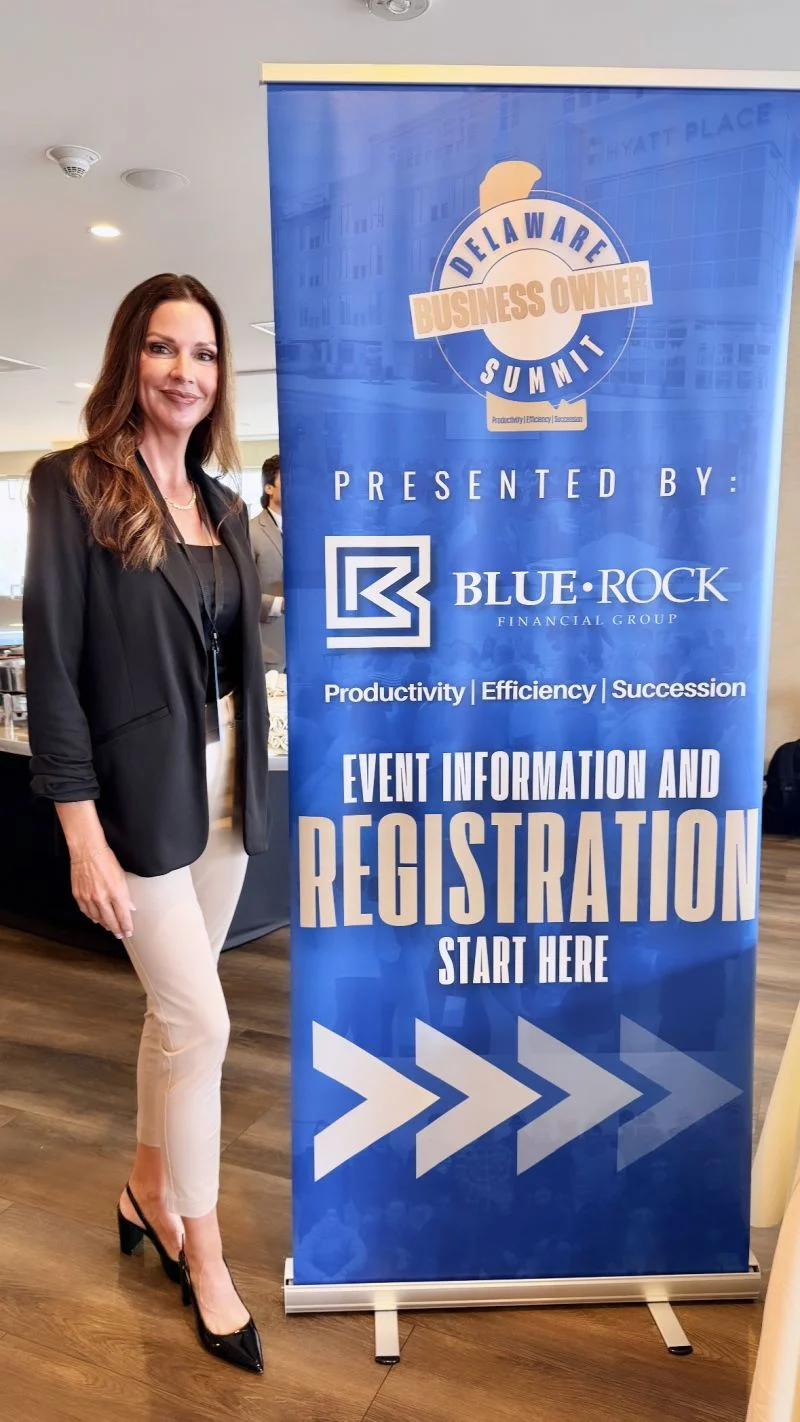
Today’s organizations cannot afford to let their work environment or employee life be guided by happenstance. As Melissa Tipton emphatically reminded leaders at the Delaware Business Owner Summit, "Culture happens if we're not intentional about creating it. And spoiler alert, usually it's not a good thing. You should let culture happen by design. " When leaders design employee moments on purpose—structuring onboarding, growth, and even everyday interactions—they build a foundation for positive workplace experience that reverberates through employee retention, morale, and even business outcomes. The key is to recognize that workplace experience isn’t a program, but every moment that shapes how employees feel, collaborate, and deliver.
The intentional design of workplace experience is more than a set of HR best practices; it’s a leadership imperative. Regular, meaningful touchpoints, authentic service recovery, and transparent communication foster an environment where employees—and, by extension, customers—feel seen and valued. When companies neglect these fundamentals, the fallout is predictable: disengagement, high turnover, diminished productivity, and a damaged reputation in an era where every workplace decision is transparent to the world. In other words, your company culture is either built by design or by default.
Why Intentional Culture Design Matters for Team Experience
Culture by default breeds inconsistency, confusion, and missed opportunities. When organizations opt to let culture unfold on its own, they relinquish a powerful lever for shaping employee engagement, satisfaction, and business outcome. As Tipton explains, "We're living in a fishbowl; everybody sees everything we do, and they talk about it. " This era of transparency means that employee disengagement or negative moments are magnified, deeply impacting talent retention and organizational reputation. By intentionally crafting the employee journey, leaders empower their teams to excel, trust leadership, and serve customers more meaningfully.
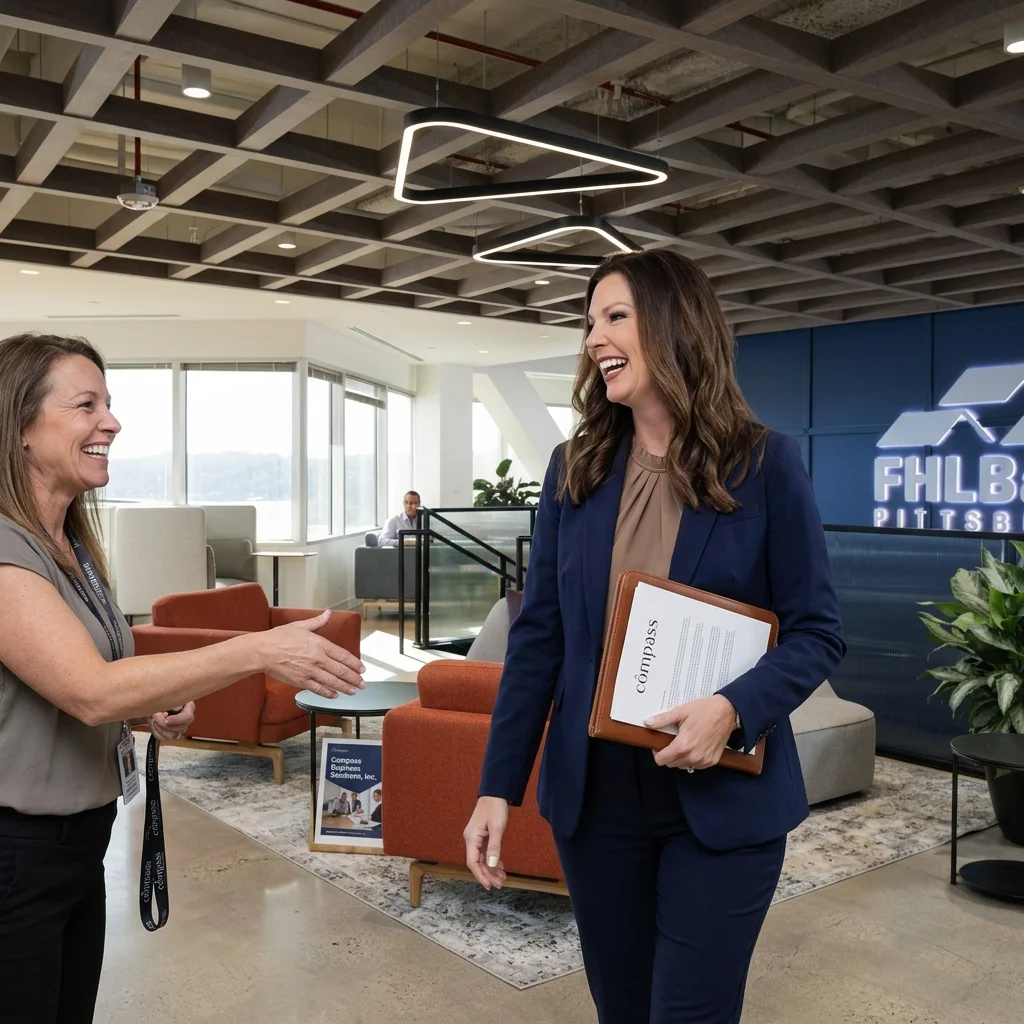
The best workplaces don’t leave the creation of culture to fate. They create daily opportunities to enhance employee life and connect people to a value-driven mission. This, in turn, draws in top talent and boosts customer satisfaction. Intentional culture design also directly addresses the root causes of HR headaches like costly attrition and underperformance, providing a practical roadmap for leaders who seek impact. The evidence is clear: teams that curate their work environment and engineer key moments create not just happy employees, but resilient, high-performing organizations.
While designing a positive team experience is crucial, it’s equally important to recognize that effective communication underpins every successful culture initiative. For actionable insights on strengthening communication within your organization, explore these strategies for effective business communication that can help reinforce your employee engagement efforts.
About Melissa Tipton
Melissa Tipton serves as Chief Experience Officer for Compass Business Solutions, Inc. She helps organizations intentionally design employee and customer experiences that strengthen workplace culture, improve engagement, and drive long-term business performance.
The Scenario: Culture by Default Versus Culture by Design in Employee Journey
Think back to a defining work memory. Is it a leader who recognized your strengths when you barely saw them yourself, or perhaps a tense customer situation defused with empathy and skill? Alternatively, maybe the memory is a cautionary tale of poor leadership—a boss whose lack of action caused ripple effects of discontent. Every organization faces a choice: passively accept whatever culture forms, or intentionally engineer experiences that inspire. Tipton points out that bad leadership doesn’t just cause discomfort; it triggers a domino effect of disengagement, retention issues, lost productivity, and can even unleash social media chaos.
Letting culture happen by default is akin to crossing your fingers and hoping for the best—a risky proposition in today’s connected world. Intentional design, on the other hand, means isolating those key touchpoints—onboarding, coaching, recognition, and trust-building—and scripting them to reinforce the company’s mission and values. When leadership steps in to create these moments, the result is a positive employee journey that benefits every stakeholder—from the C-suite to the newest recruit, from the frontline employee to the loyal customer.
Lessons from Employee Life: The Peak-End Rule and Business Moments
Memory isn’t an even record of the entire employee journey—it’s heavily skewed by emotional peaks and how an experience ends. As Tipton underscores, "Research says that there is this theory called the peak-end rule. What it means is that we remember the peaks, the exciting parts, and we remember the end. " That’s why it’s vital to architect standout “peak” moments—be it an extraordinary first day, a timely service recovery, or a mission-driven community effort. Such moments become sticky, giving your people the stories and feelings that define their work life and, ultimately, their loyalty.
The lesson for HR leaders is clear: the “in-between” of an employee’s tenure can fade, but strategic, high-impact moments linger. These include formal recognitions, mentorship breakthroughs, and even the ways challenges are managed. By training leaders to sculpt these experiences, organizations transform the work environment into a catalyst for engagement and employee retention. When employees are equipped with memorable high points and meaningful endings, they are far more likely to become engaged employees and passionate advocates.
What You'll Learn About Employee Experience and Culture Design
How employee experience shapes the work environment and drives organizational outcomes
Leadership strategies for intentionally designing employee moments that matter
Steps to improve employee engagement, retention, and satisfaction in measurable ways
Frameworks and real-world case studies from Melissa Tipton and Compass Business Solutions
Actionable tactics to elevate your employee experience journey and everyday work environment
The 80/8 Delivery Gap: Data Shows a Major Employee Experience Blind Spot

Few statistics capture the urgency of intentional culture design like the “delivery gap” outlined by Bain & Company research: while 80% of business owners believe their organizations deliver superior service, a mere 8% of customers agree. Tipton frames this as a critical blind spot—not just in customer experience but in the moments leaders provide to their employees. This discrepancy reveals that well-meaning leadership, left unchecked, can fail to move the markers of real impact.
The gap exists because leadership often equates intentions with outcomes. However, it’s the structured, memorable touchpoints—those engineered with the peak-end rule in mind—that truly shift perceptions among both employees and customers. When these are missing, the data communicates what words cannot: moments are not resonating, employees feel overlooked, and customer satisfaction plummets.
Understanding the Employee and Customer Satisfaction Discrepancy
The difference between internal perception and external reality is more than humbling—it’s actionable. Leaders cannot rely on self-assessment or intuition alone; experience surveys, pulse surveys, and transparent feedback are necessary to reveal true employee and customer satisfaction levels. In many organizations, there’s a misalignment between what’s promised (on paper and via policy) and what employees and customers actually experience day-to-day.
HR professionals and business strategists who recognize this discrepancy are positioned to bridge the gap. That begins with honest assessments of culture, regular workplace experience surveys, and an openness to adjust based on hard data—not assumptions. Employee engagement is not a “nice to have,” but the root of business outcome, directly impacting reputation and retention.
Leadership Inaction and Its Cost on Employee Life and Retention
Leadership, Tipton argues, is defined not only by the decisions you make but by the behavior you tolerate. "In leadership, it doesn’t just stop at making decisions, but your inaction is also a decision. " The cost of neglect is staggering: losing a high-performing employee can run 50% to 200% of their annual salary. Disengaged employees influence culture, productivity, and even the perception of the brand externally—especially now that every workplace action is visible and easily shared.
Engaged employees stay engaged because their leaders act intentionally—not only solving problems but also preventing them. By designing a strong workplace culture, organizations avoid costly “regrettable turnover” and create a self-sustaining culture of growth, creativity, and retention. This is where frameworks for training the trainers become indispensable: no single HR leader or professional can singlehandedly carry the culture. It must be a shared, consistently modeled responsibility.
"Culture happens if we're not intentional about creating it. And spoiler alert, usually it's not a good thing. You should let culture happen by design." — Melissa Tipton
Business Owner vs. Customer Perceptions of Service Excellence |
|
Stakeholder Group |
Percentage who rate service as "Superior" |
|---|---|
Business Owners |
80% |
Customers |
8% |
Melissa Tipton’s Framework: The Four Key Moments in Employee Experience
Moments of Elevation: Creating Standout Events in the Employee Journey

Moments of elevation occur when organizations turn the ordinary into the extraordinary—surprising and delighting employees with unexpected appreciation and recognition. Whether it’s an exceptional first-day onboarding, a thoughtful client follow-up, or a personal touch in career milestones, these events make employees feel valued beyond task completion. Tipton illustrates: sending a handwritten welcome note to a new hire before their start, ensuring all their tools are set up, or simply orchestrating an end-of-day check-in can transform a routine experience into a memorable one.
Such high points need not be costly. Small details—like remembering personal milestones or recognizing extra effort—can yield outsized results in loyalty and engagement. Especially in industries like hospitality, real estate, and professional services, moments of elevation create emotional connections that not only improve employee satisfaction but drive customer experience and business outcomes long after the event itself.
Moments of Insight: Connecting Daily Work to a Higher Purpose

Insight moments are the “aha” realizations that anchor an employee’s daily labor to something larger—company mission, community impact, or personal growth. Moments of insight help people understand how their work matters, making abstract values concrete. Tipton shares how, in healthcare, a single day spent on community service as part of onboarding changed new hires’ perspectives, showing real-world impact. For many, these insight moments are the “peak” experiences they recall years later.
Leaders who intentionally link individual responsibilities to broader goals create environments where employees are proud not only of what they do, but of the reasons behind it. Such experiences spark motivation, deepen engagement, and reinforce why employees chose this organization—and why they should stay.
Real-World Examples: Onboarding, Client Touchpoints, and Service Recovery
Consider the difference between a “management drive-by” on a new hire’s first day and a meticulously choreographed welcome routine. The latter sets the tone for engagement. In real estate, remembering to send a card months after a client’s transaction tells them they are more than a number. In fast-paced sectors, leaders who pause to check in with high-stress employees or immediately address service issues demonstrate care and solidify trust.
These examples illustrate how moments of elevation and insight need to be woven into the employee lifecycle: from interview to exit, from client onboarding to crisis management. Structured, repeatable frameworks—like onboarding playbooks and service recovery protocols—help scale these powerful moments across teams and locations.
"Research says that there is this theory called the peak-end rule. What it means is that we remember the peaks, the exciting parts, and we remember the end. But the stuff that happens in between is easily forgotten." — Melissa Tipton
Train the Trainer: Scaling Positive Employee Experience Across Teams
Building a culture of intentional employee experience isn’t a one-person job. Train-the-trainer models ensure that every leader—and not just HR—feels ownership over crafting great moments. Tipton’s approach at Compass includes distributing tools, worksheets, and curricula so teams can practice and teach best-practices for employee engagement and culture-building. This democratized approach unlocks higher performance and allows organizations to sustain momentum as they scale.
When leaders at all levels are empowered to identify and elevate key moments, the transformation moves beyond policy and becomes a lived reality. This approach also ensures a reservoir of champions equipped to “recover” from mistakes or course-correct when things go astray, protecting the overall employee experience journey.
Improving Employee Engagement Through Structured Moments
How to Improve Employee Engagement and Retention with Experience Strategy

Improving employee engagement and retention isn’t about perks—it’s about building an organizational storyline full of meaningful, positive experiences. Experience strategy starts by mapping the employee lifecycle through structured touchpoints. Use employee experience surveys, exit interviews, and pulse surveys to spotlight which moments matter, then focus on enhancing or repairing them.
Aligning engagement efforts with business outcomes ensures leadership buy-in and long-term impact. Train managers to recognize disengagement early and empower them to act, not just react. Simple checklists, regular feedback loops, and increased transparency can significantly improve employee trust and satisfaction, leading to higher employee retention and reduced turnover costs.
Examples of Elevation and Insight in Action: Experience Strategy in Different Industries
In hospitality, creating peak moments might involve surprising guests and staff during high-pressure shifts with a public shoutout or thank-you. In fintech or professional services, linking daily work to company purpose—such as improving clients’ financial autonomy—translates into moments of insight that resonate beyond paychecks. Real estate teams who check on past clients during milestone events foster relationships that yield referrals and loyalty.
These industry-specific experience strategies echo the universal need for employees to feel their work is recognized and meaningful. By intentionally architecting these moments, organizations create cultures where happy employees drive exceptional customer satisfaction and business outcomes.
Unlocking Employee Potential: Development Opportunities as Moments of Insight
Investing in development opportunities for employees demonstrates a commitment that extends well beyond professional growth—it validates their worth and potential. Initiatives such as mentorship programs, cross-functional projects, and leadership book clubs, like Compass Business Solutions’ 12-month onboarding study, supply countless insight moments. Employees see a future with your company because you invest, recognize, and believe in them.
This approach not only builds skills but also strengthens emotional connections and loyalty. Such sustained engagement is what turns the average employee journey into a meaningful career—one distinguished by repeated moments of elevation and insight.
Map the employee lifecycle and pinpoint critical touchpoints
Structure onboarding with intentional moments of elevation
Tie daily tasks to purpose-driven organizational goals
Recognize and celebrate milestones in real time
Empower leaders to address and recover from mistakes quickly
Provide consistent growth and development opportunities
Gather continuous feedback with experience surveys and act on results
"In leadership, it doesn't just stop at making decisions, but your inaction is also a decision." — Melissa Tipton
Leveraging Employee Experience Platforms and AI for Culture Transformation
The Role of Employee Experience Platforms in Driving Engagement

Building on Tipton's concepts, employee experience platforms can monitor, measure, and improve every phase of the employee journey. These platforms centralize recognition, performance tracking, and feedback, empowering HR professionals and managers with actionable insights. With AI-driven analytics, pulse surveys, and real-time alerts, leaders can proactively address engagement dips and recognize contributors before problems escalate.
Employee experience platforms help create a single source of truth for all HR leader needs—from onboarding experience to talent management. By automating feedback loops and surface-level engagement triggers, these platforms make it easier to scale intentional experiences and drive consistent satisfaction across departments and offices.
Practical AI Prompts and Workflows to Design Employee Experience Milestones

One practical way organizations can implement these ideas today is by designing and triggering critical moments across the employee lifecycle. By building AI workflows—such as reminders for check-ins after onboarding, alerts for anniversaries, or suggestions for personalized recognitions—organizations ensure that high-impact moments are never missed. AI prompts can assist HR leaders in creating new recognition routines, ideating on service recovery scenarios, and even scripting language to support employee life transitions.
While Tipton focused primarily on leadership behaviors, today's AI tools can help leaders consistently execute the same principles. They provide the bandwidth for leaders to focus on relationship-building, culture mapping, and complex decision-making. Whether via experience platforms or custom scripts, AI-driven workflows empower organizations to deliver repeatable, data-driven moments without sacrificing authenticity or care.
People Also Ask About Employee Experience
How can leaders improve employee experience for better retention?
Leaders improve employee experience and retention by intentionally designing each stage of the employee journey. This includes structured and welcoming onboarding, regular recognition for achievements, growth opportunities, clear communication, and swift resolution of issues. Creating moments of elevation and insight ensures that employees feel valued, connected to the organization’s mission, and motivated to stay for the long term.
What are employee experience platforms and how do they enhance the employee journey?
Employee experience platforms are digital tools that centralize feedback, recognition, communication, and performance analytics. They help organizations manage every phase of the employee lifecycle, from onboarding to exit. By automating important milestones, capturing real-time engagement data, and providing actionable insights, these platforms empower companies to continually improve the employee journey and deliver a more consistent, satisfying work environment.
How does intentional work environment design impact employee engagement?

Intentional work environment design positively impacts employee engagement by aligning the physical, social, and cultural elements of the workplace with organizational values and employee needs. When leaders create spaces and routines that foster collaboration, openness, and recognition, employees are more likely to engage deeply, feel supported, and deliver their best work, contributing to a robust company culture.
What is the connection between employee experience and customer satisfaction?
There is a direct link between employee experience and customer satisfaction. Engaged, empowered employees are more invested and attentive, directly influencing the quality of product or service delivery. When organizations create positive employee experiences, customers benefit from improved service, consistency, and satisfaction—driving loyalty and business success.
Key Takeaways for Building Better Employee Experience
The cost and impact of disengagement and high turnover rates can be immense, hurting both finances and morale.
Practical, scalable frameworks—like those shared by Melissa Tipton—help improve employee engagement and build lasting culture.
The role of leadership, inaction, and data-driven design is critical in shaping every phase of employee life.
Frequently Asked Questions on Employee Experience
What is an employee experience strategy?
An employee experience strategy is a deliberate approach that organizations use to map, measure, and improve every phase of the employee lifecycle—from recruitment and onboarding to development and exit. It prioritizes creating structured, positive, and purpose-driven moments that align with company values, ensuring that employees are engaged, retained, and contributing to business outcomes.
How does an employee experience platform support organizational success?
An employee experience platform streamlines critical HR tasks, automates recognition, and offers real-time analytics on engagement and satisfaction. This allows organizations to quickly identify and address disengagement before it impacts retention or performance. By reinforcing best practices and supporting actionable feedback, these platforms directly improve employee life and drive long-term organizational success.
Why is trust important in employee engagement?
Trust lays the foundation for open communication, mutual respect, and sustained engagement. When employees trust their leaders and their organization, they are more willing to share feedback, contribute ideas, embrace change, and advocate for the company. This cycle of trust produces a positive employee experience and sets the stage for growth, retention, and loyalty.
Connect with Melissa Tipton for Workplace Experience Solutions
"Culture happens if we're not intentional about creating it." -- Melissa Tipton
For organizations seeking stronger retention, better engagement, and exceptional customer experiences, Melissa Tipton's message was clear: don't leave culture to chance. Design it intentionally—one meaningful workplace experience at a time.
To build a culture by design within your organization or learn more about implementing these actionable frameworks, connect directly with Melissa Tipton, Chief Experience Officer of Compass Business Solutions, Inc. Reach her on LinkedIn for consultation, training resources, and next-level leadership development support.





Write A Comment