 Add Row
  Add
Add 

The Houston Homeowner’s Guide to Roof Repair: Why Our Climate Demands a Specialized Approach
If you own a home in the Houston area, your roof is currently fighting a battle against the elements—and aging nearly twice as fast as roofs in the rest of the country.
Harris County alone sees nearly double the national average of weather-related roof claims due to hail, heat, and storms. In Houston, the combination of powerful storms, blistering summers, and sudden temperature shifts means local roofs age faster, fail more unpredictably, and demand specialized repair strategies. As a homeowner, whether you are staring at storm-battered shingles or planning a proactive replacement, understanding the unique pressures and best practices for roof repair in Houston is critical to protecting one of your largest investments.
Houston’s Roofing Crisis: Startling Facts Every Homeowner Needs to Know
“Harris County sees nearly double the national average of weather-related roof claims due to hail, heat, and storms.” — National Insurance Institute
The Houston area experiences over 3,000 severe hail and wind events annually, with a spike in insurance claims and roof repair requests every spring and summer storm season.
More than 40% of all roof replacements in Houston arise directly from storm damage—compared to around 20% nationwide, according to home insurance reports.
The average Houston roof lifespan is just 12–15 years (vs. 20+ years in cooler regions), meaning most repairs or full replacements happen sooner and come with extra hidden costs.
Heat, humidity, and unpredictable weather combine to make roof repair in Houston far more urgent and complex than in other U.S. cities.
Local storms regularly strip roofing materials, exposing vulnerable decking and causing rapid leaks homeowners often miss until major water damage occurs.
Houston roofing contractors report that over 60% of repairs involve correcting mistakes made in prior quick fixes or storm-related patch jobs.
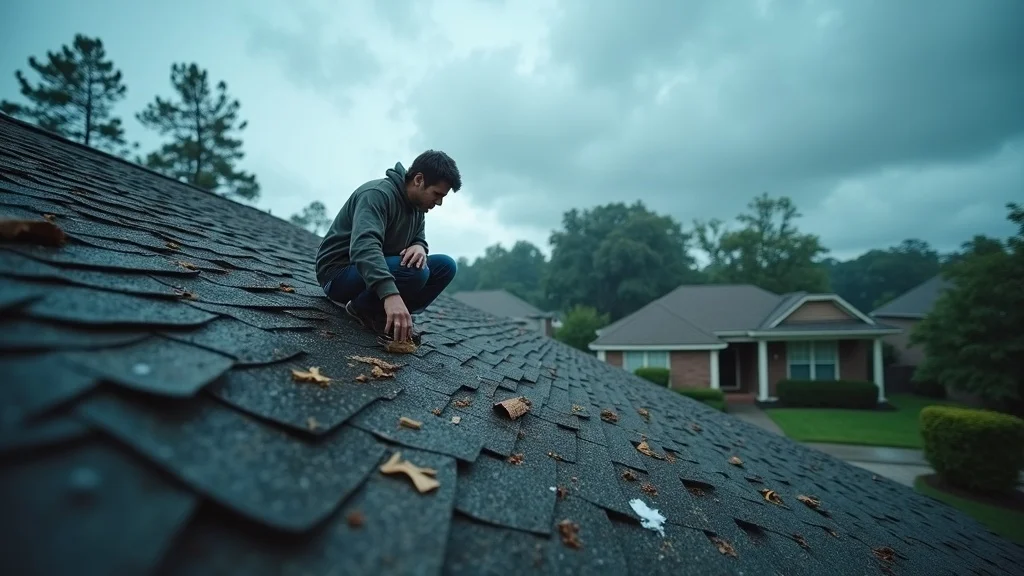
What You’ll Learn in This Roof Repair in Houston Explainer
How long most Houston roofs truly last—and why many require replacements or repairs far sooner than you might expect.
Which roofing materials — like specialty metal or reinforced asphalt — provide the best defense against Houston’s climate stress.
The hidden, escalating costs of storm damage that go beyond the obvious (like decking, underlayment, and increased insurance premiums).
A step-by-step breakdown of the roof replacement process, along with the costly pitfalls Houston homeowners face if corners are cut or due diligence is skipped.
Why Roof Repair for Houston Is Different: Local Climate and Common Roof Problems
Heat, Humidity, Storms: What Houston Roofs Endure Each Year
The life of a Houston roof is unlike that of roofs in milder climates. Summer daytime highs regularly exceed 95°F, with humidity often spiking to 90% or more. These relentless conditions cause shingles to curl, blister, and lose their protective coating in record time. Sun’s UV rays can degrade most composite shingles and even impact metal materials, leading to premature failures. Houston is also in “Hail Alley,” experiencing frequent ice-pellet barrages that can knock loose asphalt granules and dent even supposedly durable surfaces. Add seasonal downpours and months of moisture-laden air, and you have a recipe for leaky roofs and hidden water damage that’s easy to underestimate.
Each year’s cycle of extreme weather—from torrential spring storms to late-summer hurricanes—accelerates the need for roof repairs. Homeowners often face leaking valleys, warped decking, and missing shingles, all exacerbated by a climate that challenges every layer of the roofing system at once. The proof? Houston insurance adjusters regularly cite water infiltration through aged “storm patches” or quickly replaced contractor work as the most common cause for claims disputes and denied roof warranties.
UV exposure from relentless sun rapidly breaks down asphalt shingles and even some synthetic materials.
Frequent hail impacts cause both visible dents and “micro-cracks” that later lead to full-scale leaks.
Moisture cycles—from sudden deluges to slow, ambient humidity—accelerate rot and rust, especially in poorly ventilated attics.
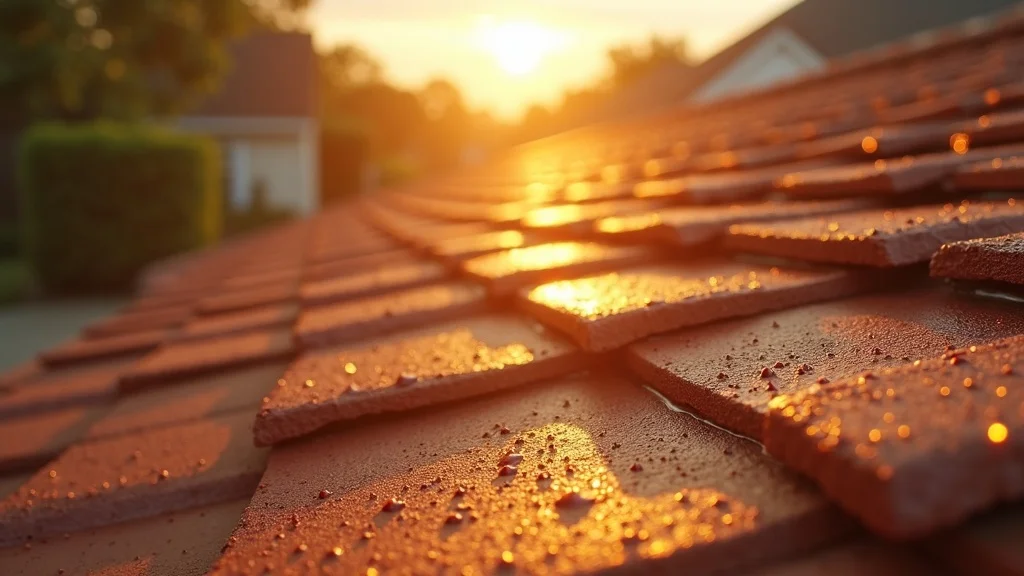
Common Failure Patterns in Houston Roof Repair
The combination of heat and storms means even “new” roofs in Houston are prone to specific, recurring issues. The most common patterns include:
Missing shingles: Hail and high winds blow off or crack shingle corners, leaving underlayers bare and prone to rapid water ingress.
Leaky valleys: Water pools and overflows in shallow valleys due to improper installation or old underlayment, which quickly wears out in humid, stormy weather.
Premature aging: Houston’s rapid temperature swings and high humidity cause warping, granule loss, and sealant breakdown long before the “expected” lifespan ends.
Unlike homes in other cities, many Houston properties see major roofing repairs not just after historic hail events, but as a recurring necessity every few years. Poor attic ventilation, inadequately anchored flashing, and improper previous contractor work all further compound risk, often requiring expert diagnostics to determine root causes for leaks, structural sagging, or energy wastage.
How Houston Roof Lifespan Differs from National Averages
While homeowners in cooler, drier American cities may enjoy 20–30 years from their original roofs, Houston’s climate dramatically shortens these expectations. Materials tested in ideal lab environments may last just a decade or less here, while even high-end options like metal sometimes underperform if not expertly installed or periodically maintained. This makes knowing what to expect—and investing in the right initial system—vital for avoiding a cycle of constant repairs and hidden costs.
Roofing Material |
Avg. Lifespan in Houston |
U.S. National Avg. Lifespan |
|---|---|---|
Asphalt Shingles |
10–14 years |
20–25 years |
Metal Roofing |
18–25 years |
35–50 years |
Clay/Concrete Tile |
16–22 years |
30–50 years |
Synthetic/Composite |
15–20 years |
30+ years |
Roofing Company and Contractor Inspections in for Roof Repair in Houston
With such volatile conditions, a quality roof inspection by a legitimate Houston roofing company or contractor is the foundation of sound repair or replacement. True professionals go beyond a simple visual scan. They check for hidden hail bruises, moisture trapped in decking, attic venting, insulation gaps, and the signaling presence of mold or rot. This comprehensive approach is why accredited local roofing contractors can often cite specific weak points in Houston-area roofs missed in generic maintenance visits.
A Houston contractor should provide photos, moisture readings, and written summaries during each inspection visit, not just an invoice.
Documentation from these expert roof inspections is often required for insurance company claims and future warranty settlements.
Routine, pre-storm inspections can prevent thousands in emergency repairs by catching failures before the rainy season or hurricane threats.
“Proper roof inspections in the Houston area save owners thousands in avoidable repairs.” — Texas Roofing Association
Houston Roofing Materials: Making the Right Choice for Roof Repair and Replacement
Material Options: Asphalt, Metal, Tile, and Synthetic for Roof Repairs in Houston
Choosing the right material for your roof replacement is a high-stakes decision for Houston homeowners. While asphalt shingles are affordable and widely used, their resilience against heat and hail can be lacking. Metal roofs—aluminum or galvanized steel—offer strong resistance to fire and hail impacts, and their longevity improves with reflective, “cool roof” coatings. Clay or concrete tile boasts unmatched aesthetic and cool-roof properties, but weight and installation costs are high. Newer synthetic and composite options try to blend cost, durability, and energy efficiency, offering impact resistance and diverse styles that fit neighborhood requirements throughout the Houston area.
Asphalt Shingles — Cost-effective, but vulnerable to Houston’s extreme sun and storm cycles.
Metal Roofing — Higher upfront cost, but notable for longevity, hail resistance, and eco-friendly options.
Clay/Concrete Tile — Premium price, long-lasting, cooler in summer, but heavy and more complex to replace.
Synthetic/Composite — Mid- to high-range pricing, customizable, better impact/cooling performance than most asphalt products.
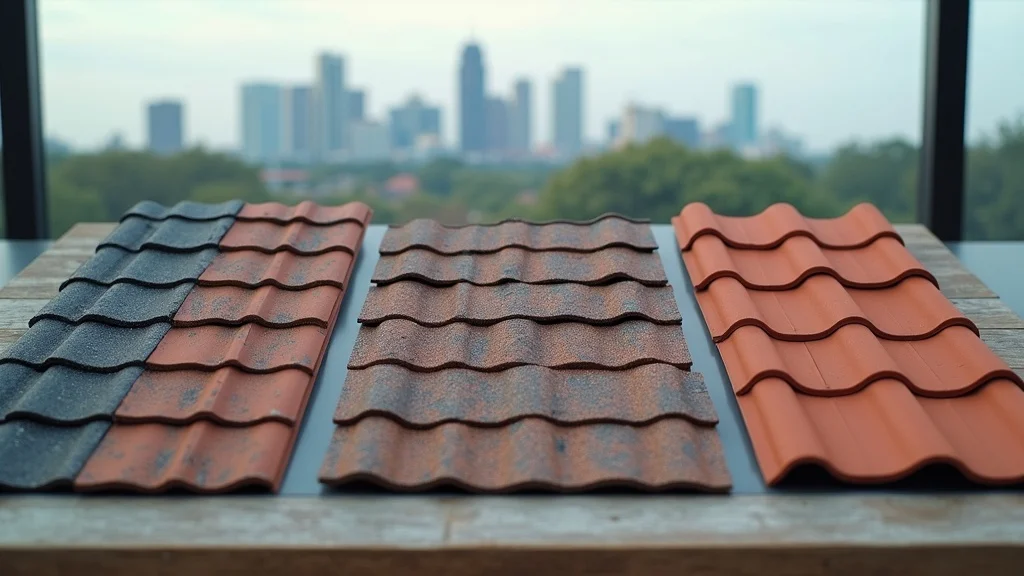
How to Choose Roofing Material for Houston’s Unique Conditions
There’s no one-size-fits-all answer to material selection, and Houston’s roofing challenges mean this decision must be deliberate. Before committing, homeowners should consider three critical categories:
Hail Resistance: Ensure ASTM-rated products (or above) that can sustain repeated hail impacts without granule loss or penetrations. Impact-rated metal and specialty asphalt products are worth the investment in Houston’s storm-prone neighborhoods.
Cooling Efficiency: Look for “Cool Roof” labeled materials and lighter colors that reflect rather than absorb sun. This can noticeably lower attic temperatures, HVAC costs, and increase year-round comfort—crucial for the heat-heavy Houston area.
Longevity & Warranty: Prioritize roofing solutions that combine both documented lifespan and strong manufacturer/contractor-backed warranties. Check for historic Houston install performance, not just theoretical ratings.
Material |
Houston $/sq.ft. (Installed) |
National Avg. $/sq.ft. |
Houston Lifespan (years) |
National Avg. Lifespan (years) |
|---|---|---|---|---|
Asphalt Shingles |
$4.00–$5.50 |
$3.50–$5.00 |
10–14 |
20–25 |
Metal |
$8.00–$12.00 |
$7.00–$11.00 |
18–25 |
35–50 |
Clay/Concrete Tile |
$12.00–$18.00 |
$10.00–$16.00 |
16–22 |
30–50 |
Synthetic/Composite |
$7.50–$10.00 |
$7.00–$10.00 |
15–20 |
30+ |
How Roofing Contractors Advise Material Selection in Houston
Reputable Houston roofing contractors rarely recommend only one type; instead, they evaluate your home’s architecture, insurance history, HOA guidelines, and personal risk tolerance. Experienced contractors will also provide side-by-side comparisons, transparent price breakdowns, and case studies of similar Houston roof replacements. Look for professionals who explain both the technical merits and real-world track records of each system—plus long-term warranty coverage under local weather conditions.
The best guidance combines climate data, manufacturer studies, and testimonials from Houston-area past projects. Ask for specific examples of how a roofing material performed after recent Houston hail or hurricane events, and request third-party resources (not just brochures) to back up each claim.
Roof Replacement Process: Steps, Timing, and Decision Risks for Houston Homeowners
From Roof Inspection to Full Roof Replacement: What Every Houston Owner Should Know
The roof replacement process isn’t just about swapping out old shingles; it’s a multi-step roofing project that should start with a thorough inspection by an experienced contractor in Houston. The process typically includes:
Initial roof inspection and documentation of conditions, storm damage, and historical repairs
Material and system selection, with consideration for wind/hail resistance and warranty value
Securing city permits and coordinating with your insurance company for claims approval
Complete removal of existing roofing (down to clean, dry decking if needed)
Installation of underlayment, flashing, new materials, proper ventilation, and water/ice shields
Post-installation inspection, photographic quality assurance, and warranty activation
Each step is critical in Houston, where skipping best practices or using non-certified crews can lead to failure—and denial of future insurance or warranty claims. A professional, well-documented process is the best defense against costly surprises down the road.
Timing Your Roof Repair: Best Practices in Roof Repair in Houston
When it comes to timing, avoid scheduling replacements during peak storm season (typically late spring and summer) or in the days immediately following major weather events, when roofing contractors are scrambling to address emergency roof repairs across the Houston area. The best window for most replacements is early fall or late winter, when weather is stable and labor should be more available.
Book reputable roofing companies at least a month ahead to secure materials and scheduling priority.
If you need emergency leak repair after storms, opt for temporary patches until a full assessment can be scheduled under less stressful conditions.
Monitor upcoming weather forecasts before any major roofing project—even a single day of heavy rain can delay or invalidate some installation warranties.
In every case, ensure your technician provides a clear timeline in advance and doesn’t rush through preparation simply to move to the next job. Cutting corners on timing to “beat the weather” invites long-term headaches, as rushed jobs are a leading cause of premature roof failure in Houston homes.
Why Many Roof Replacements Fail: Houston Owner Pitfalls
Even well-intentioned homeowners can make costly errors during the roof replacement journey in Houston. Some top mistakes:
Rushing into contracts with storm-chasing out-of-town roofers after a major event
Choosing the lowest bid without clear documentation of materials, labor, and warranty coverage
Missing fine print on insurance policies—especially regarding “ACV” vs. “RCV” settlements after storm damage
Failing to check previous homeowner maintenance or hidden damage below the shingles
Real Houston roofing companies stress that due diligence at every step saves more than it costs. Ask for local references, demand proof of insurance and permits, and document every promise in writing before any signed agreement.
Don’t: Approve any major repair or replacement without an independent inspection following storm events.
Don’t: Rely solely on an insurance company’s “preferred” contractor without your own research.
Do: Compare longevity, climate-specific test results, and third-party warranty protections before selecting materials.
“Skipping due diligence on Houston roofing contractors is the fastest way to double your costs.”
Houston Roof Insurance & Warranty Realities: What Homeowners Overlook
Roof Repair in Houston and Navigating Insurance Claims
Most roof repairs or replacements in Houston—even regular maintenance—eventually involve interacting with an insurance company. Many homeowners discover exclusions or documentation requirements only after they need to file a storm damage claim, which can lead to denial or severe payment reductions.
Common exclusions on Houston roof policies include pre-existing damage, “wear and tear,” and past insufficient repairs.
Keep detailed records (before-and-after photos, inspection reports, receipts) for all roof work—these are required in most claims processes.
When in doubt, consult both your contractor and a third-party claims specialist to understand your insurance rights and requirements in Texas.
Communicate proactively with your insurance provider, supply documentation fast, and never start a replacement job without understanding your deductible and coverage balance. A trusted, transparent roofing professional can greatly simplify this process but should never rush you to file unnecessary claims.
Understanding Houston Roof Warranties for Lasting Peace of Mind
When investing in a roof replacement, understanding your warranty is just as important as selecting material or contractor. Most Houston projects include two key types of coverage:
Material/Manufacturer Warranty: This covers defects in shingles, metals, or tiles—but may exclude “Acts of God,” poor installation, or uses outside of rated climates.
Workmanship Warranty: Separate from material coverage, this is offered by your roofing contractor and guarantees proper installation. It’s crucial, as most Houston roof failures stem from installation flaws, not material issues.
Always check the fine print, clarify what climate events are included, and demand a signed copy of both documents after installation. Inquire about transferability; this not only protects you but adds value if you sell your Houston home.
Roof Replacement Cost Traps and Unexpected Expenses in Houston
Storm damage hidden below the visible layer can lead to rot, mold, or deck replacement during the project, increasing costs by as much as 25%.
Houston city permits and inspections may be required for code compliance, adding time and expense compared to “unpermitted” work.
Insurance only covers “like for like” replacements unless you opt to pay the difference for an upgrade; this catches many homeowners off-guard.
Cost Factor |
Houston Range |
Notes |
|---|---|---|
Basic Material |
$4–$12 per sq. ft. |
Asphalt cheapest, metal/tile priciest |
Labor |
40–60% of total |
Varies by season and demand |
Decking/Underlayment |
$2–$4 per sq. ft. extra |
Required for rotten or storm-damaged roofs |
Permits/Disposal |
$500–$2,500+ |
Mandatory for legal resale |
Emergency Repairs |
$450–$2,000+ |
Temporary, not full replacement |
Expert Insights: Choosing the Right Houston Roofing Company or Contractor
Credentials and Red Flags for Roofing Contractors in Houston
Licensing & Insurance: Ensure your contractor holds valid Texas licenses, carries sufficient general liability and worker’s comp coverage, and provides proof upon request. This is essential for protecting yourself from liability and ensuring the roofing process is up to code.
Reputation: Research online reviews, check local BBB ratings, and ask for multiple recent references in the Houston area. Beware of companies with only out-of-town or generic testimonials.
Contract Clarity: The bid should itemize every cost, spell out timelines and materials, and disclose warranty terms. Never sign a vague “proposal” or verbally agreed contract.

Comparing Houston Roofing Companies: What Matters Most
Transparency: A quality Houston roofing company shares inspection photos, repair options, and pricing without pressure or misdirection.
Inspection Quality: Leading contractors use moisture sensors, drones, and offer a step-by-step summary of their assessments.
Material Guidance: True experts provide comprehensive, comparative material samples and explain why certain options perform better in the Houston climate.
Follow-up: The right team offers warranty assistance and post-job inspections, so you never have to guess about the future of your home’s largest investment.
“The right Houston roofing contractor asks about your goals, not just your budget.”
When to Consider Roof Repair in Houston Versus Full Roof Replacement
Warning Signs: Widespread shingle loss, repeated leaks, spongy decking, and overlapping storm/hail repairs usually indicate the need for full replacement, not just patching.
Cost Considerations: If expected roof repairs exceed 30–40% of the full replacement price, it’s often more economical and safer to opt for a new system.
Professional Assessment: Insist on an independent inspection and written documentation before committing—Houston’s climate and codes make “gut feeling” decisions risky for your investment.
Key Takeaways: Houston Roof Repair and Replacement Essentials
Never underestimate Houston’s impact—hot, humid, stormy conditions cut roof lifespan by up to half compared to cooler climates.
Choose impact-resistant, energy-efficient materials tailored for the Houston area—ask for documented, real-world performance.
Invest in thorough inspections and documented project steps to maximize insurance/warranty value and avoid future hidden costs.
Carefully screen your roofing company; request licenses, insurance, and local references every time.
Watch out for insurance, permit, and emergency repair traps—what’s “covered” and what isn’t may not match assumptions.
Houston roof replacement costs are higher than the national average due to local weather volatility—budget for contingencies and always get multiple quotes.
Attic ventilation, storm preparedness, and planning roof work for the right season all help extend system life.
People Also Ask: Common Houston Roof Repair Questions Answered
How much does it cost to replace a roof in Houston?
The average roof replacement in Houston costs between $8,000 and $20,000 for a typical single-family home in 2024. Final price depends on square footage, material selection, roof complexity, and whether decking or structural repairs are needed. Expect to pay at the higher end for premium impact-resistant materials and full code-compliant work. Prices may surge after major storms due to contractor demand and materials shortages.
What is the average cost of a roof repair?
Most common roof repairs—like patching missing shingles or sealing valley leaks—cost anywhere from $400 to $1,500 in the Houston market. More extensive repairs, such as replacing damaged underlayment or addressing hail-related damage, can run higher, especially if moisture or rot is discovered beneath the surface.
What is the most expensive part of replacing a roof?
Major cost drivers in Houston are usually skilled labor (which rises after storms), the quality and type of selected roofing material, and the need to install new decking if water damage is found. Premium tile, specialty underlayment, and permit/disposal fees can further raise the project price, especially for complex rooflines or older homes.
How much does it cost to roof a 1200 ft home?
For a 1,200 square-foot roof, expect to pay between $4,800 (asphalt, basic) and $14,000+ (metal, tile, or synthetic) in Houston. Key factors are pitch/complexity, need for new decking or ventilation, and time of year. For the most accurate estimate, request detailed on-site inspections and quotes from certified Houston-area contractors.
FAQs: Houston Roof Repair Solutions
What roof material lasts longest in Houston? Metal and high-grade tile generally perform best, but installation quality and attic ventilation are just as crucial.
How soon should I inspect after a storm? Immediately if damage is visible; otherwise, within a week. Early documentation is critical for insurance and warranty support.
Can I “patch” storm damage, or is full replacement required? Small, isolated leaks may be patched, but widespread or repeated damage usually signals the need for a full system replacement for peace of mind.
What’s the best way to screen a roofing contractor? Verify licenses, insurance, written reviews, local references, and contract detail. Don’t rely on verbal commitments or out-of-town storm chasers.
Watch: Common Houston Roof Repair Problems and How They’re Solved
In this video, see typical Houston roof repairs in action, from uncovering storm-caused leaks to the step-by-step process of shingle, valley, and flashing replacement. View before-and-after drone footage, closeups of hail damage, and how professionals solve common pitfalls.
The footage documents an actual roof replacement project in the Houston area, highlighting smart inspection tools, teamwork, and homeowner education throughout the project phases.
A Local Example: How Kainos Roofing & Exteriors Puts Houston Roof Repair Best Practices Into Action
Kainos Roofing & Exteriors is a Houston-based company known for its transparency, thorough inspections, and focus on material guidance tailored specifically to local climate and insurance requirements. They take time to document each stage of the process, educate homeowners, and recommend repair or replacement options based on climate history and budget, not just quick fixes.
Choosing a contractor who truly understands Houston’s challenges can simplify everything—from navigating complex insurance claims to selecting materials with proven performance. Considering a locally focused, detail-oriented company is a practical and reliable option for lasting roof results.


Write A Comment