

Military families face a life unlike most others—a revolving door of relocations and upheavals, often moving every 3-4 years. Amid these constant transitions, maintaining emotional stability can be tremendously challenging. Yet, there is an unsung hero in this journey: pets for military families. These beloved companions offer more than just friendship—they provide crucial emotional grounding, routine, and continuity that soothe the stress and disruptions of military life. Join us as we explore how pets become vital anchors in the lives of military families, helping them adapt, heal, and thrive through constant change.
Opening Hook: The Unique Challenges of Military Life and the Role of Pets
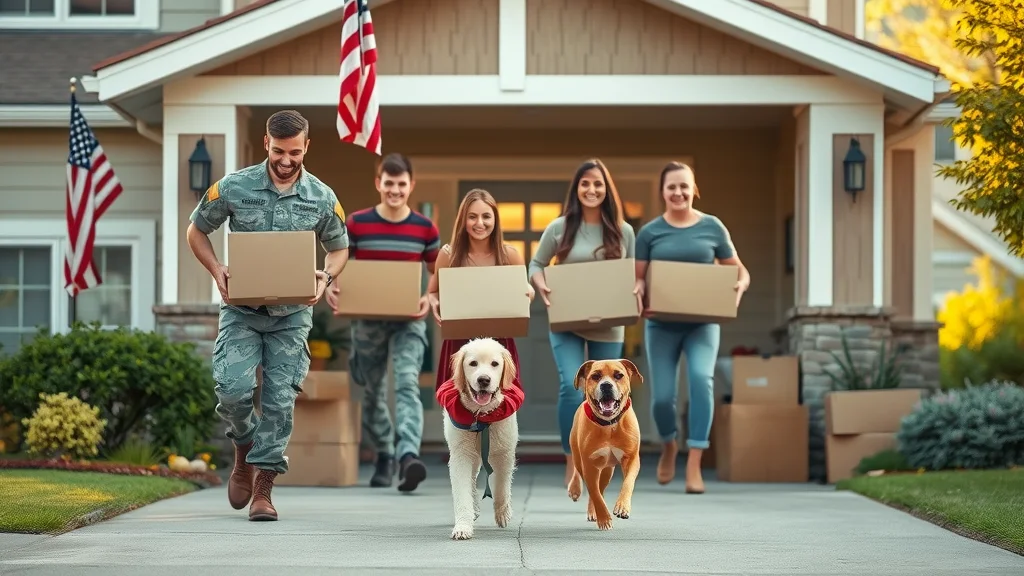
Understanding the Frequent Relocations and Emotional Upheaval in Military Families
Military families experience unique and ongoing challenges shaped by constant relocations, often every few years. For example, service members stationed at large installations such as Fort Bragg may find themselves moving across the country or even overseas repeatedly. These moves disrupt traditional markers of stability, such as close friendships, familiar schools, and community connections.
Dustin Mathews of Long Leaf Animal Hospital explains, "Military families aren't just changing homes; they are uprooting entire lives. This upheaval creates emotional challenges, especially for children who lose their long-term friends and stable routines. "
Constant moves also make it difficult for families to establish lasting community ties or consistent support networks. The experience can bring about feelings of loss and disorientation, especially for young members of the household.
How Pets for Military Families Offer a Grounding Presence
Within this whirlwind of change, pets offer a unique source of emotional continuity and grounding. Caring for a pet involves daily routines—feeding, walking, grooming—that provide structure and a comforting sense of normalcy no matter where the family is located.
Dustin Mathews, of Long Leaf Animal Hospital, explains, “Pets provide emotional continuity and a sense of routine that military families desperately need amid constant relocations. ” These routines foster responsibility and connection, which help military family members anchor themselves emotionally despite an ever-changing environment.
Additionally, pets offer unconditional love and companionship, serving as constant and nonjudgmental supporters. As families say goodbye to familiar places and faces, their pets remain steady, reinforcing emotional security during stressful periods of transition.
Military Pet Fostering and Pet Foster Programs: Creating Stability Through Companion Animals
The Importance of Pet Foster and Military Pet Fostering for Families on the Move
Military pet fostering programs have emerged as vital solutions to the challenges of relocating with pets. These programs help military families temporarily place their pets in loving foster homes when frequent moves or deployments make direct care difficult. This system not only ensures pets receive the care they need but also reduces stress for families worried about their companions' well-being.
Fostering programs sustain the bond between military personnel and their pets, preventing pets from becoming displaced or abandoned due to the pressures of military life. These companion animals become part of a support network, offering stability until families can reunite.
By leveraging military pet fostering, families avoid the painful dilemma of relinquishing cherished pets permanently due to logistical challenges. Instead, the pets live with foster caregivers trained to provide attentive care and affection.
How Foster Home Programs Support Military Families and Their Pets
Foster home programs serve dual purposes: protecting animal welfare and bolstering family emotional health during transitions. These programs provide temporary housing with compassionate families who understand the unique demands faced by military households.
In many cases, foster caregivers maintain regular communication with service members, sharing updates and photos that help families feel connected to their pets even from a distance. This connection mitigates feelings of guilt or anxiety associated with being separated from a beloved companion.
Such programs also help maintain pets’ regular routines—diet, exercise, medical needs—preserving their well-being and reinforcing the eventual reintegration into the family with minimal disruption.
The Super Bond: Emotional Benefits of Pets for Military Personnel and Veterans
Combat Veteran Insights on Pets for Military Families and PTSD Healing
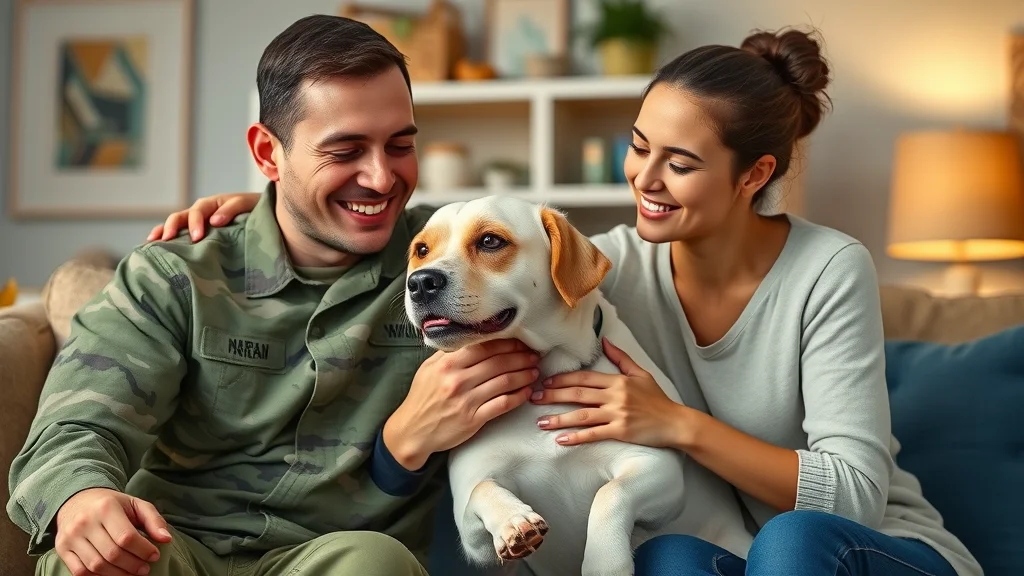
For military personnel and veterans coping with PTSD and related emotional challenges, pets play a profound role in healing and emotional regulation. Dustin Mathews, a combat veteran and business manager at Long Leaf Animal Hospital, shares his personal experience: “My dog provides me with emotional grounding and helps me manage PTSD symptoms by offering unconditional love and companionship. ”
He describes how his dog’s ecstatic greeting after a stressful day provides a powerful emotional release, helping to shed the burdens of combat trauma.
Pets serve as nonjudgmental listeners and companions, offering calming presence that can lower anxiety and ease emotional withdrawal often experienced by trauma survivors. This super bond enhances veterans’ capacities to process trauma and re-engage with life.
Scientific Evidence Supporting Pets’ Role in Emotional Regulation and Stress Relief
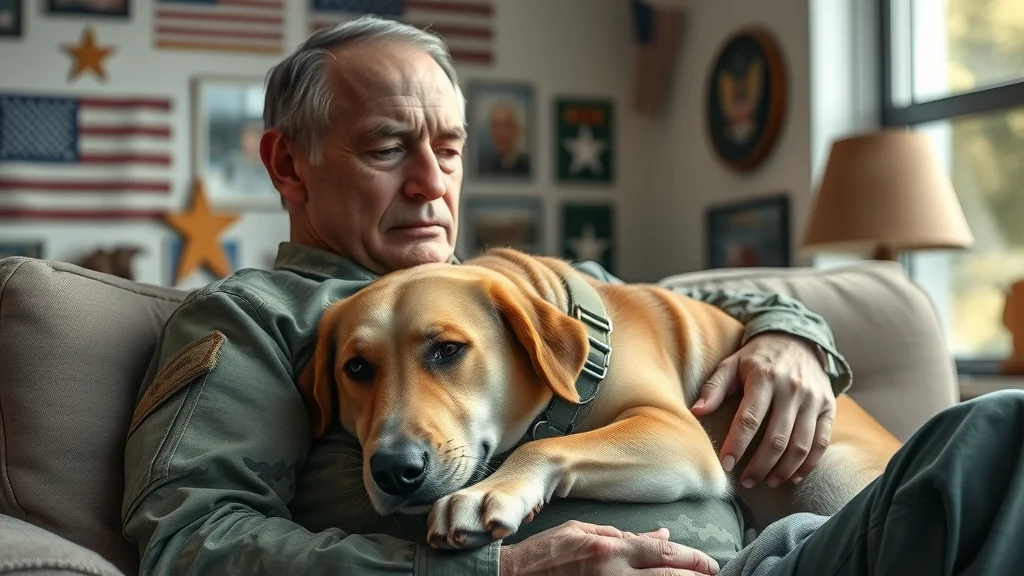
Beyond anecdotal experiences, scientific studies reinforce the emotional benefits of pets. The Department of Veterans Affairs (VA) has conducted case studies showing that pets can physiologically reduce stress responses similar to the calming effects of weighted blankets. When a pet lies close to a veteran, it produces a natural soothing effect, lowering heart rate and promoting relaxation.
This physiological grounding helps veterans and military family members reduce anxiety, manage PTSD symptoms, and promote emotional resilience. Regular interaction with pets encourages the release of oxytocin, a hormone that fosters bonding and emotional well-being.
The presence of a companion animal offers a constant source of comfort and emotional support, forming a critical part of holistic healing and wellness strategies for military families.
Establishing Routine and Responsibility: How Pets Help Military Families Reinforce Stability
Daily Care and Routine as Anchors During Frequent Moves and Deployments
The daily responsibilities of pet care—feeding, walks, grooming, and play—create essential anchors of stability for military families. These tasks become predictable routines that provide a sense of control amid external chaos.
Dustin Mathews highlights how having a pet instills structure, “When you move to a new area, everything feels new and uncertain, but you still have to walk Fluffy at the same time every day. That consistency helps normalize life. ”
This routine fosters responsibility in children and adults alike, reinforcing life skills and emotional discipline. Even during deployments, preserving pet care routines through family cooperation smooths transitions and reduces stress for everyone involved.
Large Animals and Companion Pets: Different Roles in Military Family Life
While companion animals such as dogs and cats provide mobility and emotional support in most military households, some families also care for larger animals like horses. For military families who relocate to farm properties, the responsibilities of caring for livestock add another layer of routine and stability.
Dustin Mathews envisions expanding programs to support families with large animals, recognizing that “feeding the horses and walking the dog each morning becomes a grounding ritual, particularly for children. ”
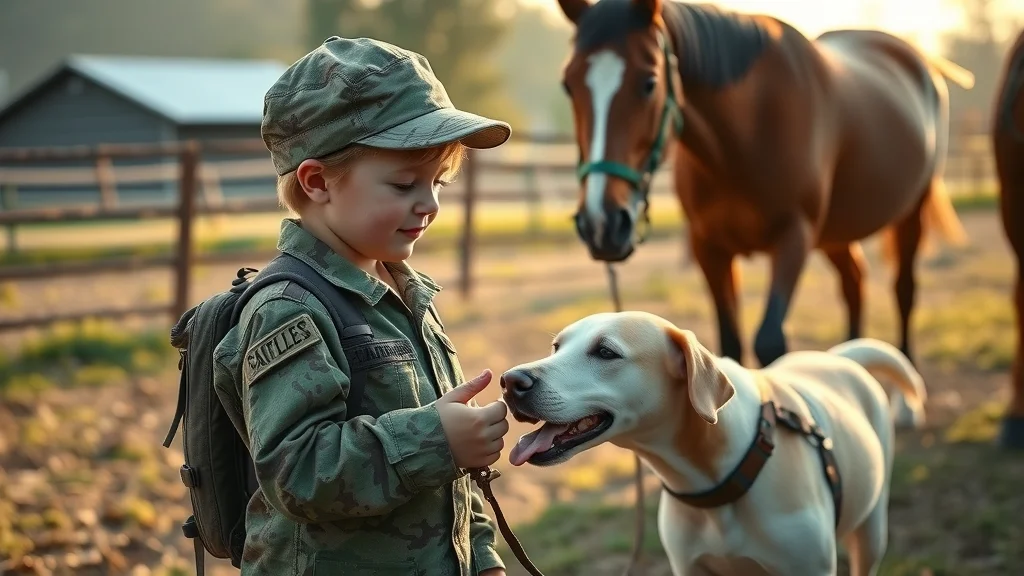
These diverse animal companions help instill commitment and emotional balance, enriching military family life through multiple dimensions of care and connection.
Practical Considerations: What Military Families Should Know Before Getting Pets
Long-Term Commitment and Planning for Pets in Military Households
Adopting a pet is a joyful but serious decision, especially for military families facing frequent relocations and deployments. Dustin Mathews advises, “Pet ownership must be a family decision with full awareness of the responsibilities, especially considering deployments and frequent moves. ”
He recommends an intentional, well-planned approach: purchase all necessary supplies first and live with them for several weeks before committing to a pet. Research costs like food, veterinary care, and training to prepare a realistic pet budget.
Understanding the long-term commitment—from 8 to 15 years or more—is crucial. Families must be prepared for the emotional and logistical demands of caring for pets across military life changes, ensuring pets are integrated into the entire family, not just the service member.
Financial and Logistical Aspects of Pet Ownership During Deployments and Relocations
Military life can incur additional expenses related to pet care, including travel and veterinary requirements during moves or overseas assignments. The military often supports these costs, such as reimbursing pet health checks and travel fees for overseas deployment.
Families should plan for costs related to boarding, pet sitters, or foster care while a service member is deployed. Dustin emphasizes, “The person buying the pet shouldn’t be the only caretaker; the entire family needs to share responsibility, especially during deployment. ”
Clear communication and planning help prevent last-minute stress and ensure pets’ needs are met consistently throughout military transitions.

Military Pet Care During Deployment: Maintaining Stability and Reducing Stress
Establishing Consistent Routines to Ease Transitions When Service Members Are Away
Deployment periods present a critical challenge to maintaining pet care and family stability. Establishing routines from the beginning of pet ownership helps ensure that care continues seamlessly throughout deployments.
Dustin notes, “If feeding and caring for the pet is part of the family's daily rhythm from day one, deployment won’t disrupt that sense of normalcy. ” This consistency supports pets’ well-being and reduces emotional strain on family members, especially children.
Routines become lifelines that preserve family cohesion and help everyone cope with the absence of the deployed service member.
How Pets Serve as a Bridge of Continuity for Military Families
Pets often become bridging companions during separations, offering emotional connection and comfort to those at home. Their presence helps maintain family bonds and provides a stable point of focus during uncertain times.
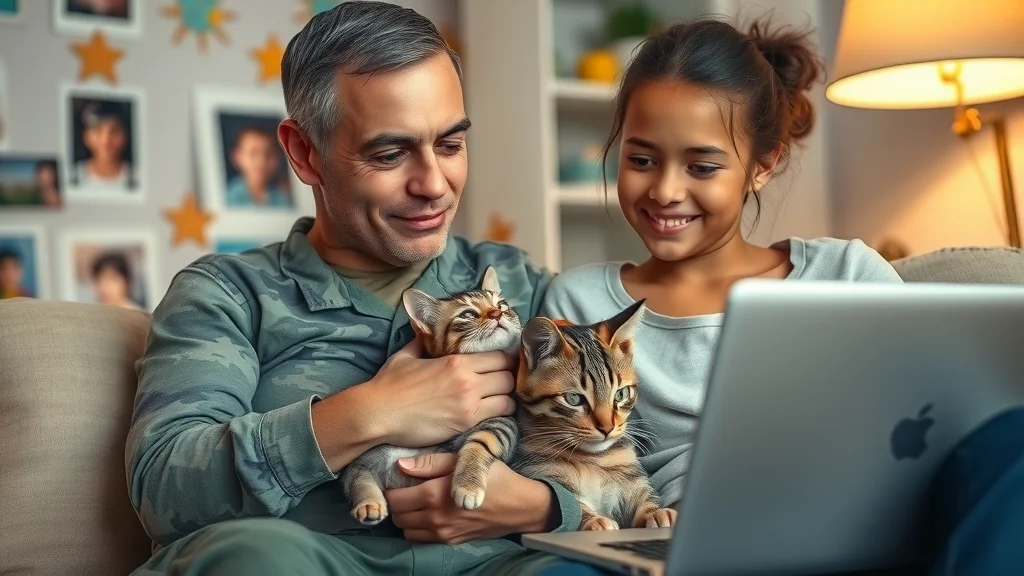
Whether it’s a dog greeting a returning family member or a pet cat curling up beside a military spouse video chatting with their deployed loved one, these moments fortify family ties and ease loneliness.
People Also Ask (PAA)
How do pets help military families cope with frequent moves?
Pets provide daily routines, emotional continuity, and companionship, which help mitigate the upheaval caused by frequent relocations. Their presence creates a sense of normalcy and stability, anchoring families emotionally despite constant change.
What should military families consider before adopting a pet?
Families should assess the long-term commitment, financial costs, and logistical challenges related to deployments and moves. Adopting a pet requires intentional planning, family agreement, and understanding that pet care responsibilities will continue regardless of service member deployment.
Can pets help veterans with PTSD?
Yes, pets offer unconditional love and companionship that help veterans manage PTSD symptoms by providing emotional grounding, reducing isolation, and calming physiological stress responses.
What is military pet fostering and how does it work?
Military pet fostering programs temporarily place pets with foster families during relocations or deployments, ensuring pets receive proper care and emotional attention until they can reunite with their military family.
Key Takeaways: The Vital Role of Pets for Military Families
| Benefits of Pets for Military Families | Challenges | Solutions |
|---|---|---|
| Provide emotional stability and grounding | Frequent relocations disrupting pet care | Military pet fostering and planned routines |
| Create daily routine and responsibility | Financial and logistical strain during deployments | Military support for pet travel costs; budgeting |
| Help manage stress, PTSD, and anxiety for veterans | Emotional strain of deployments on family and pet | Consistent family care plans and therapy integration |
| Enhance reintegration and community connection | Difficulty in maintaining long-term pet care | Intentional adoption decisions and family involvement |
Conclusion: Embracing Pets as Emotional Anchors in Military Life
Summary of Emotional and Practical Benefits of Pets for Military Families
Pets serve as essential emotional anchors, providing routine, love, and stability amid the upheavals of military life. Their presence significantly enhances the well-being of military families, veterans, and children alike.
Encouragement to Make Thoughtful, Intentional Decisions About Pet Ownership
Prospective pet owners in military families should approach adoption consciously and collaboratively, understanding the lasting commitment and unique challenges involved.
Expert Final Thoughts from Dustin Mathews
Dustin Mathews concludes, "Pets are not just companions; they are vital members of military families who provide stability, love, and healing through every move and deployment."
Contact and Call to Action
Schedule an Appointment or Consultation at Long Leaf Animal Hospital
Ready to provide your military family with the emotional support and stability pets can offer? Contact Long Leaf Animal Hospital and Pet Boutique to explore pet services, veterinary care, and resources tailored for military families. Call Us Today: 910-692-4201
Or email Dustin Mathews at: dustinmathews@longleafanimalhospital.com
What You'll Learn
- How pets provide emotional grounding for military families during frequent moves
- The role and benefits of military pet fostering programs
- Scientific and personal perspectives on pets aiding PTSD and stress relief
- Practical guidance for military families considering pet ownership
- Steps to maintain pet care continuity during deployments


Write A Comment