

Imagine your voice not only telling your story, but igniting your brand’s reach, building trust, and drawing loyal customers right to your business. If you’ve felt your industry is crowded or your message is getting lost in the digital noise, starting a podcast can be the breakthrough you’ve been searching for. Whether you’re a business owner hustling for growth or a manager looking to elevate your organization’s visibility, this guide will foster the confidence and clarity you need to launch a podcast that genuinely resonates.
Ignite Your Brand Voice: Why Business Leaders Should Learn How to Start a Podcast
Podcasting has become an essential marketing tool for modern businesses—but its impact runs much deeper than just sharing audio content. Launching a podcast allows business owners to build authority in their fields, express their brand’s unique voice, and foster genuine loyalty among listeners. As competitors race for online attention, a podcast can set your business apart by establishing a powerful, human connection with your target audience. Recent trends show that more consumers trust and engage with brands that offer authentic, value-driven content—especially in audio format.
By learning how to start a podcast, business owners don’t just communicate; they create. A successful podcast strategy can lead to more qualified leads, improved customer retention, and measurable returns on investment. With strategic planning, your podcast becomes a vital extension of your sales funnel—offering insightful episodes that lead prospects closer to your core products and services. In a world filled with faceless digital ads, podcasting is your chance to speak person-to-person and show the people behind your business.
“Podcasting is more than content—it’s a chance for businesses to build authority, nurture loyalty, and humanize their brand.”

What You'll Learn: The Ultimate How to Start a Podcast Blueprint
The essential steps to start a podcast with confidence
Choosing a compelling podcast topic for your business
Selecting the right podcast host and hosting service
Recording a professional podcast episode
Launching your show on major podcast directories
Effective podcast marketing strategies for brand growth
How podcasts can make money and impact your bottom line
Step 1: Your Strategic Podcast Topic — Setting Your Business Apart
How to select a podcast topic that aligns with your brand mission
Finding your unique podcast topic is the cornerstone for launching a show that stands out and drives business results. Start by identifying your brand’s core mission: What problems do you solve for your customers? Where is your expertise most valuable? Conduct market research to understand what your target audience is already listening to and identify untapped gaps in your industry. The best podcast topics speak directly to your audience’s needs, ignite curiosity, and align naturally with your brand values.
Balance is key—choose a topic that both fuels your passion and meets real business goals. For example, if your company offers tech consulting, consider a series on emerging tech trends or digital problem-solving for entrepreneurs. Use brainstorming sessions with your team to generate topic ideas that connect your expertise with customer pain points. Remember, a well-chosen podcast topic is not just about expressing what you know, but about engaging listeners in ways that drive interest and, eventually, lead generation.

Market research tips: Understand your audience
Finding podcast topics that convert listeners to leads
Balancing passion, expertise, and business goals
“Great podcasts begin with great questions—start with your customers' pain points.”
As you develop your podcast strategy, it's worth considering how other digital channels can complement your efforts. For example, integrating SMS marketing with your podcast promotions can help you reach your audience directly and drive engagement for new episodes. Discover actionable tactics in these top ways to grow your business with effective SMS marketing to further amplify your brand’s reach.
Step 2: Planning Your Podcast — Format, Length, and Episode Structure
Designing an engaging structure: solo, co-hosted, interview, or panel
Before you hit record, plan your podcast’s format—this decision shapes your show’s identity. Solo podcasts establish you as the go-to expert and work well for sharing insights or advice. Co-hosted or interview formats, on the other hand, spark dynamic conversations and attract guests who bring fresh perspectives and credibility. Panel episodes are perfect for dissecting complex topics with multiple experts.
Consider your business goals and time commitment. Solo episodes are efficient but require strong storytelling and planning. Interviews and panels need scheduling and prep, but expand your network and listener reach. No matter your choice, aim for clarity: outline a beginning, middle, and end for every podcast episode to guide the conversation. Strong structure keeps listeners engaged and makes editing easier—a crucial step for maintaining professional audio quality as you scale.

Podcast episode planning checklist
Successful podcasts don’t happen by accident. Start each podcast episode with a detailed checklist to ensure consistency and professionalism. List your podcast topic, guest contacts (if any), episode outline, and a brief summary. Plan key questions and talking points, and decide how to introduce and close each episode. This preparation minimizes dead air and awkward transitions while maximizing value for every podcast listener.
Comparison of Popular Podcast Formats for Business Owners |
||
Format |
Advantages |
Best Use Case |
|---|---|---|
Solo |
Easy to start, clear voice, flexible schedule |
Showcasing thought leadership |
Co-hosted |
Dynamic dialogue, shared workload |
Peer-to-peer expertise sharing |
Interview |
Expert insights, broader audience reach |
Industry authority building |
Panel |
Diverse perspectives, lively debates |
Deep dives on trends/issues |
Step 3: Setting Up Your Podcast Recording Studio for Professional Results
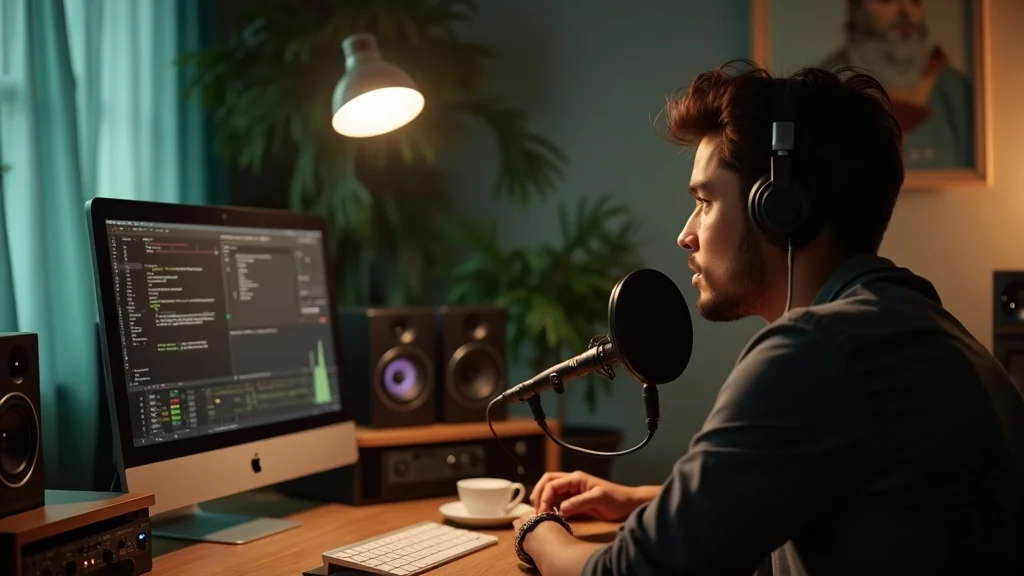
Essential equipment: microphones, headphones, and digital audio interfaces
Studio-quality audio begins with the right equipment but doesn’t have to break the bank. Invest in a reliable usb microphone or professional podcast mic—these deliver noticeable improvements in clarity over built-in laptop microphones. Paired with closed-back headphones, you’ll be able to monitor real-time audio and spot noises before they ruin a recording. For superior sound, add a digital audio interface to connect XLR mics for flexibility and future upgrades. Focusing on audio quality from day one gives your show a professional edge that listeners notice and appreciate.
For small business owners, you can start a podcast with a simple setup: a good USB mic, headphones, and free recording software. Prioritize equipment that’s comfortable, durable, and easy to use. Consider tabletop microphone stands to keep the mic steady, and use pop filters to reduce unwanted “p” and “s” sounds. Remember: the best gear is the one you’ll use consistently, so choose tools that fit seamlessly into your existing workspace and workflow.
Software tools for high-quality podcast recording and editing
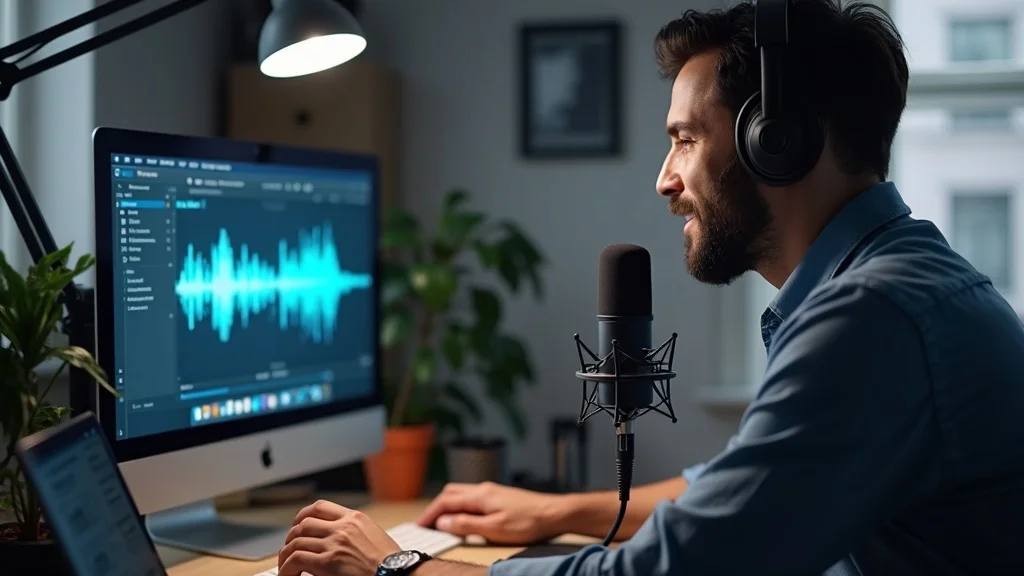
Podcast recording and editing is easier than ever thanks to user-friendly software. Free options like Audacity and GarageBand let beginners hit record, edit mistakes, and export polished audio files. For even more power, pro tools like Adobe Audition or Hindenburg offer features such as noise reduction and multi-track editing, making your show sound clean and cohesive. Look for recording software that allows basic cut/trim, fade in and out, and volume leveling—especially important for guest interviews and hybrid shows recorded remotely.
Tips for recording in quiet spaces
Simple audio editing tools anyone can use
Step 4: Choosing a Podcast Host and Hosting Service
How to compare top podcast hosting services
A dedicated podcast host or hosting service is non-negotiable for publishing and distributing your episodes. Unlike simple audio file uploads, a good hosting platform handles large podcast files and automatically generates an RSS feed, distributing your show to podcast directories like Apple Podcasts, Spotify, and Google Podcasts. When comparing hosts, evaluate storage limits, bandwidth, analytics (like listener statistics), and support for monetization. Some popular podcast hosting services even provide custom-branded web pages and automatic submission to directories.
Before you pick a hosting service, list your must-haves: Affordable pricing? Advanced analytics for business tracking? Monetization options? Ease of use for your learning curve? Select a host that aligns with your current needs but also scales as your audience grows. Remember, your podcast host should make it simple to upload audio files, manage show notes, and access essential stats to help drive business decisions.

Podcast host platform features checklist
Top Podcast Hosting Platforms for Business Owners |
|||
Hosting Service |
Pricing |
Analytics |
Monetization |
|---|---|---|---|
Libsyn |
From $5/month |
Advanced |
Sponsorship integration |
Buzzsprout |
Free to $24/month |
User-friendly |
Affiliate tools |
Podbean |
Free to $99/month |
Comprehensive |
Dynamic ads |
Anchor (Spotify for Podcasters) |
Free |
Basic |
Easy sponsorships |
Step 5: Crafting Your Compelling Podcast Description and Branding
Write a clear, SEO-friendly podcast description
Your podcast description is your show’s elevator pitch—a short but powerful statement that tells potential listeners and search engines what your show is all about. Use relevant keywords naturally, like your core business services, industry expertise, and target audience problems you solve. Well-optimized descriptions make your podcast more discoverable in search results and podcast directories.
Tips for catchy podcast titles and memorable artwork
Building brand consistency across your show visuals

Don’t underestimate the power of striking cover art. Invest in bright, easy-to-read artwork featuring your business logo or key visual motifs. Use consistent fonts, colors, and logos that align with your business website and marketing. Standout designs will help your show appear more professional and memorable when featured in crowded podcast directories and when shared on social media.
Step 6: Recording and Editing Your First Podcast Episode
Podcast episode scripting: Balancing authenticity and professionalism
There’s a fine art to scripting a great podcast episode. Too much planning can feel robotic; too little can lead to rambling. Start with detailed episode outlines covering main topics, calls to action (“Contact us to learn more!”), and segues between segments. Sprinkle in stories, personal insights, and guest contributions. This balance keeps your show natural and engaging—just what modern podcast listeners expect.
Editing essentials: Trimming, leveling audio, adding music and intros
Editing sharpens your podcast’s impact. Use editing software to trim silences and mistakes, level out audio volume between different speakers, and incorporate intro/outro music that reinforces your branding. High-quality audio files with clear sound will increase the likelihood that listeners will return and share with others. When you’re just starting out, focus on removing distractions rather than perfection—improvement comes with every episode.
Common mistakes to avoid in your first podcast episode
Step 7: Publishing Your Podcast to Major Podcast Directories
How to submit your podcast to Apple Podcasts, Spotify, Google Podcasts, and more
To reach more listeners, submit your show’s RSS feed to every major podcast directory. Platforms like Apple Podcasts, Spotify, Google Podcasts, and Amazon Music have their own submission requirements, but most walks you through the basics: verify show ownership, upload cover art and your podcast description, and confirm a sample episode. Check the metadata—title, category, tags—to maximize discoverability in each platform’s search engine.
Understanding RSS feeds and submission requirements
Maximizing discoverability in podcast directories through proper metadata

Podcast directories not only increase your reach; they lend your business new credibility and social proof. Keep your show notes and episode descriptions clear, keyword-rich, and actionable to improve results in search engines and podcast apps.
Step 8: Launch and Podcast Marketing Strategies for Growth
Building buzz before you launch
Don’t keep your new podcast a secret—build anticipation! Share teaser audio or video clips on your social media channels, email lists, and website. Announce your launch date, theme, and first guests to spark conversation and attract early subscribers. Involve your team, partners, or loyal customers to spread the word. Countdown campaigns, behind-the-scenes videos, and interactive polls help drive initial excitement and give your launch the best chance for momentum.
Podcast marketing tactics to grow your business audience
After launch, consistent podcast marketing is key for steady growth. Share every podcast episode on social media with curated hashtags, eye-catching video clips, and direct calls-to-action. Reach out to previous guests and encourage them to share with their networks. Use email marketing to update subscribers about new episodes, bonus content, and industry news. Listeners love bonus downloadable guides or exclusive access to live Q&As.
Social media promotion best practices
Email marketing for podcast audience growth
Leveraging guests' and partners' networks

Step 9: Monetize Your Podcast and Track ROI
How to make money with your podcast: sponsorships, ads, products, and partnerships
Monetizing your show transforms it from a brand asset to a revenue accelerator. The most popular model is sponsorships, where brands pay to reach your engaged, niche audience. Dynamic ad insertion means you can promote sponsors or your own products directly within episodes. Other proven strategies include selling branded merchandise, offering premium or bonus episodes, and forming joint-venture partnerships with complementary businesses.

Measuring podcast success: Downloads, audience engagement, and business outcomes
Monitor metrics like downloads, unique listeners, and average listen time to assess which episodes resonate most. Dive deeper with engagement stats—social shares, feedback, and conversion from podcast listener to client. Don’t be afraid to experiment with episode formats, hosting services, and marketing tactics to find your sweet spot. Successful measurement and optimization help ensure your podcast remains a valuable, ROI-driving part of your business strategy.
Podcast Monetization Models for Business Owners |
||
Monetization Stream |
Requirements |
Scalability |
|---|---|---|
Sponsorships/Ads |
Loyal audience, regular downloads |
High (as audience grows) |
Products/Merch |
Branded assets, e-commerce setup |
Moderate |
Premium Content |
Paywall or subscription model |
Varies |
Partnerships |
Industry connections |
Flexible |
Step 10: Sustaining and Scaling Your Podcast for Ongoing Business Growth
Creating a production schedule that minimizes burnout
The secret to a successful podcast isn’t just starting strong—it’s maintaining momentum. Set a realistic publishing schedule that fits into your broader marketing calendar and business resources. Weekly or bi-weekly episodes allow you to build listener habits without overwhelming your team. Use planning boards, digital calendars, and time-tracking tools to visualize work. Automating repetitive tasks or creating batching days for podcast recording and editing can help prevent burnout while ensuring steady episode output.

Gathering and leveraging listener feedback
Your podcast listener community is your best source of improvement. Encourage feedback through surveys, episode comments, and social media engagement. Analyze episode performance: Which topics generate the most discussion? Which formats encourage listener email or social sharing? Use this feedback to refine your content calendar, adjust your episode structure, and keep content fresh and relevant.
Scaling your podcast team and processes
As your business podcast grows, consider expanding your team. Delegate editing, marketing, or guest booking to trusted staff or freelancers. This not only lightens your load but also brings diversity in ideas and expertise to your episodes. Implement clear production workflows and standard operating procedures so team members can step in seamlessly, ensuring you maintain quality as your show—and your business—scales.
People Also Ask: Essential Questions When Learning How to Start a Podcast
How does a beginner start a podcast?
Beginners can start a podcast by choosing a topic that aligns with their interests or business goals, picking the right equipment (such as a USB microphone, headphones, and recording software), planning their first episodes, and selecting a podcast hosting service to distribute their show. Following a step-by-step process makes the learning curve manageable and ensures your first podcast episode sounds professional from the start.
How much does it cost to start a podcast?
Depending on your goals, starting a podcast can cost as little as $100–$300 for basic gear (microphone, headphones, and editing software). More advanced setups and podcast hosting with advanced analytics may push the investment up to $500 or more. Many beginner podcasters start simple and upgrade as their show grows and monetization opportunities emerge.
Do podcasts make money?
Yes—business podcasts can make money through sponsorships, advertising, product sales, and paid premium content. Building a loyal podcast listener base is key, as sponsors are drawn to shows with well-defined audiences. Yield can vary widely; some shows cover their costs, while others become major revenue streams for their business owners.
Can a normal person start a podcast?
Absolutely! Anyone with a message and some basic equipment can start a podcast. Consistency, willingness to learn, and a bit of practice are all that’s required. In fact, many of today’s successful business podcasts started as passion projects from ordinary people eager to share their expertise.
FAQs: Common Challenges in How to Start a Podcast
What are the minimum equipment requirements to start a podcast? A decent USB mic, headphones, and free recording/editing software are all you need to begin.
How often should I release a podcast episode? Weekly or bi-weekly is ideal for most business podcasts, balancing consistency with sustainability.
What makes a podcast episode engaging for business audiences? Relevant topics, actionable takeaways, dynamic guests, and high audio quality.
How can I repurpose podcast content for other marketing channels? Turn episodes into blog posts, video clips, or email content for greater reach.
Should I outsource editing or keep it in-house? Start in-house for learning; outsource when scaling to focus on higher-value tasks.
Key Takeaways for Business Owners Ready to Start a Podcast
Podcasting builds trust and authority in your industry
A clear launch plan saves time and reduces stress
Consistent quality and marketing drive lead generation
Anyone can succeed with the right tools and strategies
Ready to Start a Podcast for Business Growth?
Take the first step toward amplifying your business voice and reaching new audiences. Contact Us and let’s bring your podcast vision to life!
If you’re inspired to elevate your business through podcasting, remember that the most successful brands leverage a mix of digital strategies to maximize their impact. Exploring innovative approaches—like combining podcasting with targeted SMS campaigns—can help you connect with your audience in more meaningful ways and accelerate your growth. For a deeper dive into how integrated marketing can transform your results, explore our insights on growing your business with effective SMS marketing. Unlock new possibilities and take your brand’s communication to the next level.
Sources
To enhance your understanding of starting a podcast, consider exploring the following resources: “How to Start a Podcast” by Buzzsprout: This comprehensive podcast series guides you through creating a podcast from scratch, covering topics like choosing a niche, naming your show, and selecting the right format. (podcasts. apple. com) “How to Start a Podcast in 2026: The Complete Step-By-Step Guide” by Castos: This detailed guide offers insights into recording equipment, software, and best practices for launching a successful podcast. (castos. com) If you’re serious about starting a podcast, these resources will provide you with the knowledge and tools to launch and grow your show effectively.


Write A Comment