
Add Row
Add Element
UPDATE
Add Element
  • Home
  • Categories
    • Business and Economy
    • Community
    • Small Biz
    • Policy and Law
    • Real Estate
    • Modern Life
    • Explore the U.S
July 08.2025
3 Minutes Read

How Trump's Megabill Is Giving Chinese EV Makers an Advantage

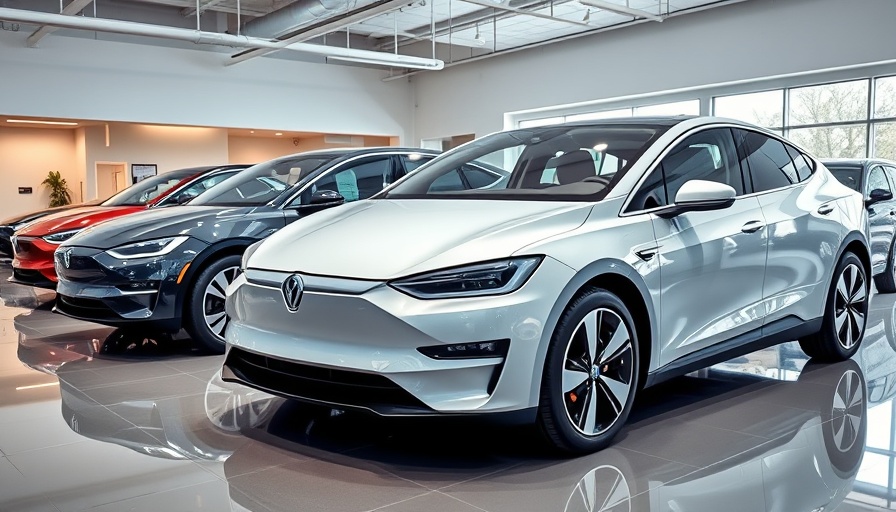
Modern electric vehicles in a showroom.

How Trump's Megabill Is Reshaping Global EV Markets

The recent megabill proposed by former President Trump has sparked significant discussion in the automotive industry, particularly concerning its implications for electric vehicle (EV) manufacturers, both domestic and abroad. The head of an influential auto group highlighted concerns that this legislation may inadvertently provide an upper hand to Chinese EV makers, complicating the competitive landscape in the U.S. and beyond.

Examining the Legislative Landscape: What’s at Stake?

As the U.S. government pushes for more robust EV incentives, the landscape is becoming increasingly competitive. Trump's megabill suggests significant funding increases aimed at stimulating electric vehicle technology innovation and production domestically. However, there are strings attached: manufacturers must meet specific criteria, some of which could favor larger, more established companies — many of which now arise from China. The concern lies not just in the financial backing but in how these regulations might be tweaked to favor foreign manufacturers that can meet the hefty demands approved by lawmakers.

China’s Strategic Position in the EV Market

Chinese manufacturers have gained a notable foothold in the EV sector over the past decade, bolstered by government policies that promote innovation and production at a rapid pace. According to the head of the auto group, these firms are uniquely positioned to exploit the U.S. bill's guidelines. They have the necessary economies of scale and technological advancements, which could allow them to outperform American manufacturers in securing government contracts and incentives.

Counterarguments: Opportunities for American Manufacturers

While the fear of giving Chinese companies an advantage is palpable, some industry experts argue that this situation might spur American companies to innovate and streamline their operations further. U.S. firms could find new efficiencies and explore unique applications of EV technology that could differentiate them from established giants. It’s a double-edged sword where, while competition increases, the pressure to innovate might lead to breakthroughs within the American EV market.

A Global Perspective: Patterns of Cooperation and Competition

Examining the global EV market reveals complex dynamics of cooperation and competition. Countries are increasingly looking to share technology and resources, but they remain cautious of over-reliance on foreign entities like Chinese automakers.

The global market is vastly interconnected; hence, while some may view the situation as a potential threat, it could also be seen as a chance for U.S. manufacturers to collaborate more extensively with technological firms worldwide, seeking partnerships that can bolster competitiveness and innovation.

Future Predictions for the U.S. EV Sector

The future of the U.S. EV sector remains uncertain as significant changes are on the horizon. Analysts predict that the ongoing developments in trade policy and white house initiatives will inevitably shape the landscape. U.S. manufacturers need to strategize carefully to not only sustain their market position but to thrive amidst fierce global competition, particularly from China. The path forward may involve innovative regulatory adjustments that prioritize American jobs while still permitting competition from abroad.

Addressing Concerns: Driving Electronics Towards a Balanced Approach

It is imperative for stakeholders involved in shaping future policies to focus on finding a path that preserves U.S. jobs and promotes sustainability. Balancing these interests with the realities of globalization can lead the way toward a more competitive yet equitable EV market. Collaboration between industry leaders and policymakers is essential to ensure that domestic manufacturers are on an equal footing with their international counterparts.

In essence, Trump's megabill could either be a catalyst for American innovation or a gracious opportunity for Chinese automakers to dominate further. As the discussions continue, it is crucial for consumers, policymakers, and stakeholders to engage in meaningful dialogue that champions growth while maintaining ethical standards within the global market.

For those interested in learning more about the implications of the current U.S. EV landscape and what it means for the future, stay engaged with ongoing news analyses and expert interviews.

Business and Economy

0 Comments

Write A Comment

*
*
Please complete the captcha to submit your comment.
Related Posts All Posts
04.13.2026

Why Recognizing the Difference between Commercialization and Sales Growth Is Crucial

Update The Crucial Distinction Between Commercialization and Sales Growth In today's fast-paced business environment, many entrepreneurs and startups equate the term "commercialization" with actual sales growth, but this overlap can lead to significant misconceptions. Commercialization involves the comprehensive strategy of bringing a product to market, incorporating not just marketing but also production, distribution, and customer support. Sales growth, however, pertains specifically to the increase in revenue from sales of that product over time. Understanding the Commercialization Process According to insights from both Entrepreneur and an article on effective commercialization strategies, this journey can be broken down into several key phases. These phases include market research, product development, manufacturing, and marketing, where each step is vital for the successful launch and sustainability of a product. A well-coordinated effort among teams—ranging from engineers to marketers—is essential in this multi-faceted process. Market Research: The Foundation of Effective Commercialization Before commercialization strategies are launched, comprehensive market research is crucial. This process helps in identifying customer needs, analyzing competitors, and understanding the market landscape. A thorough approach ensures that products resonate with their target audience and stand out in a crowded marketplace. The importance of market research cannot be overstated as it forms the groundwork that informs every facet of commercialization from product design to marketing messaging. Strategies to Maximize Sales Growth While commercialization creates the infrastructure necessary for a product launch, achieving sales growth requires a dynamic approach to marketing and customer engagement. Crafting a strong marketing strategy includes targeted advertising, leveraging social media, and effective public relations. Sales teams should focus on building relationships, understanding customer feedback, and adapting offers in response to market demands. Challenges in Commercialization vs. Sales Generation The road from idea to sales is littered with challenges. Market saturation, regulatory barriers, and shifts in consumer behavior can hinder both commercialization efforts and sales growth. For instance, while a product may have gone through successful commercialization processes, it can still struggle to find its footing in the market if sales strategies are not equally robust. A study highlighted in Clarkston Consulting suggests that transitioning from R&D to a commercial focus requires a solid understanding of operational changes, robust quality management, and an emphasis on an adaptable culture. Learning from Successful Case Studies Many businesses have demonstrated successful transitions from commercialization to sales growth. For example, several tech startups have effectively harnessed the power of agile methodologies to adapt their products according to consumer feedback swiftly, improving customer satisfaction and boosting sales. These case studies illustrate that a flexible approach and open lines of communication across teams are integral to ensuring that products not only reach the market but thrive once there. Conclusion: Bridging the Gap Between Commercialization and Sales The distinction between commercialization and sales growth is a critical one in today’s business landscape. Understanding this can lead to more strategic decisions that move businesses from mere product launches to achieving consistent sales growth. By approaching commercialization with a well-rounded strategy and continuously adapting it based on market feedback, businesses can set themselves up for success well into the future.

04.13.2026

McDonald's Expands Beverage Offerings with Exciting Energy Drinks

Update McDonald's Expands Beverage Offerings: A Bold Move In an exciting shift for fast food enthusiasts, McDonald's is stepping up its beverage game by adding energy drinks and crafted sodas to its menu. This new initiative marks the end of the CosMc’s venture, a discontinued spinoff that experimented with unique beverages. The company is set to roll out new drinks like the Red Bull Dragonberry Energizer and a Mango Pineapple Refresher across its U.S. restaurants, aiming to capture a larger share of the beverage market, which represents a staggering $100 billion opportunity. A Testing Ground: Insights from McDonald's Recent Trials Last year, McDonald's tested these exciting flavors in over 500 locations, receiving overwhelmingly positive feedback. Jill McDonald, the executive vice president and global chief restaurant experience officer, stated that these beverages not only drove orders but also resulted in higher sales per transaction. This successful trial phase set the stage for the nationwide launch anticipated later this year. The Competitive Beverage Landscape As more quick-service restaurants (QSRs) expand their drink offerings, McDonald's is part of a larger trend. Competitors like Taco Bell and Chick-fil-A are also capitalizing on drinks as a key part of their strategy, aiming to drive sales through innovative beverage offerings. Analysts suggest that drinks made a substantial impact on customer choices, hinting at a shift in consumer preferences. Future Predictions: What This Means for the QSR Market The expansion of McDonald’s beverage lineup is expected to shape the market landscape. With rising consumer demand for unique and appealing drinks, McDonald's is positioning itself to meet these needs. Industry experts predict that the new offerings could lead to increased visits and enhance brand loyalty among customers, particularly younger demographics who are increasingly drawn to energy and craft drinks. Why This Matters: Engagement Through Innovation For McDonald's, integrating energy drinks and crafted sodas into its beverage menu is not just about appealing to taste buds but also about redefining customer engagement. By offering more variety, the brand can create new dining occasions throughout the day, whether through morning energizers or afternoon refreshers. This strategic move could allow McDonald's to cultivate a refreshed customer base, making it a hub for social interactions. Final Thoughts: The Takeaway for Consumers and Investors The strategic addition of energy drinks and crafted sodas to McDonald's offerings signals the company's continued focus on menu innovation and customer satisfaction. As they launch these exciting beverages, consumers can look forward to more diverse options, while investors might watch closely to see how this move impacts overall sales and brand loyalty. For anyone in the fast food space, keeping an eye on these developments is essential for understanding shifts in consumer behavior and preferences.

04.13.2026

Cash Incentives to Relocate: 6 U.S. Cities Paying You to Move in 2026

Update Discover the Cities Offering Cash to New Residents As the housing market continues to shift across America, some cities are taking bold steps to attract new residents—offering cash payments as incentives. In 2026, this strategy has gained momentum, compelling urban areas to craft attractive offers to entice young professionals and families alike. But which cities stand out, and how can moving there benefit you? The Rise of Cash Incentives in Urban Areas In cities where job markets are tightening and populations are dwindling, cash incentives to move—often referred to as relocation bonuses—are becoming essential tools for economic revitalization. This approach not only boosts local economies but also rejuvenates neighborhoods and increases the diversity of residents. Cities like Tulsa and Memphis have already seen success with these strategies, and other smaller locales are now exploring these possibilities. Explore the Cities that Will Pay You to Relocate Here are six cities that are paving the way in 2026: Tulsa, Oklahoma: Known as one of the pioneers of relocation incentives, Tulsa offers approximately $10,000 to those who decide to make the city their home. The funds can be used for purchasing a home, starting a business, or even education, fostering an immersive community experience. Gary, Indiana: In a bid to attract new residents to revitalize its economy, Gary is launching a program offering up to $15,000—a generous incentive for families looking for affordable housing and a supportive community. Chattanooga, Tennessee: This charming city is extending a warm welcome to newcomers with a program that provides $5,000 to buy a home. Chattanooga’s strong sense of community and vibrant arts scene are added bonuses for potential residents. Buffalo, New York: Buffalos’ cash incentives can reach up to $7,000, enticing people to invest in their neighborhoods. The city also boasts an affordable cost of living and a growing job market. West Virginia: Aiming to counter its declining population, West Virginia has introduced incentives of up to $20,000, targeting remote workers eager to experience its stunning natural beauty and small-town charm. Lincoln, Nebraska: Lincoln’s offer of $7,000 reflects its commitment to not only grow its population but also enhance its economy. Prospective residents are drawn to Lincoln’s dynamic culture and excellent public services. Why Move? The Benefits of Cash Incentives These cash incentives are not only attractive financial opportunities for individuals and families but also create a cascading effect in local economies, promoting business growth and community investment. When people move to these cities, they contribute to local businesses and the overall vibrancy of the community. Economic Impacts and Future Trends As urban centers grapple with population declines and economic stability, the reliance on cash incentives is likely to grow. Cities that successfully implement these programs can expect an influx of talent and innovation, granting them a competitive edge in attracting and retaining residents. Counterarguments: Challenges Ahead While these relocation bonuses seem compelling, there are challenges, such as the risk of gentrification and potential displacement of long-standing communities. It is crucial for local governments to consider sustainable strategies that benefit both newcomers and existing residents. Fostering Community: Beyond the Dollar Signs At its core, the conversation about incentivizing relocation is as much about fostering community connections as it is about financial gain. Cities must strive to welcome not only new residents but provide a platform for diverse voices that strengthen community bonds. This innovative movement encourages cities across the country to think creatively about how to invite new residents while ensuring the sustainability of their initiatives. Relocating for cash isn’t just about the money. It’s about building a new life in a fresh environment. As 2026 approaches, the landscape and community dynamics in many of these cities will evolve, offering exciting opportunities for those ready to embrace change. So, could this be the year to consider relocating for a fresh start and financial incentive?

Terms of Service

Privacy Policy

Core Modal Title

Sorry, no results found

You Might Find These Articles Interesting

T
Please Check Your Email
We Will Be Following Up Shortly
*
*
*