
Add Row
Add Element
UPDATE
Add Element
  • Home
  • Categories
    • Business and Economy
    • Community
    • Small Biz
    • Policy and Law
    • Real Estate
    • Modern Life
    • Explore the U.S
October 30.2025
1 Minute Read

Is Your Bathroom Haunted?

Ever stepped into your own bathroom and felt an icy chill... even when the shower’s off? Flickering lights, creaking pipes, and that persistent sense of being watched—sometimes, a haunted bathroom feels less like an old wives’ tale and more like an eerie reality. Step inside as we explore what’s lurking behind the mirror, and discover whether your spooky space is a design disaster or truly a home for the restless.

Opening Anecdote: My Chilling Haunted Bathroom Encounter

Let me set the scene: It was a stormy night, and I’d just settled in after a long day. As I entered my bathroom, the air felt oddly dense, leaving a tingle that raised the hair on my arms. One flick of the switch and the bulb overhead flickered like a candle in a crypt. Steam from the evening’s shower hung heavy, swirling in corners where shadows crept a little too thick. Glancing at the fogged-up mirror, I caught a glimpse—just a blur—of movement behind me. Heart pounding, I spun around, expecting nothing. Yet, the roll of toilet paper slowly unspooled itself, dancing languidly in the still air. Was it the draft, faulty hardware, or something far, far stranger haunting my nightly routine? That, dear reader, was my introduction to the mysterious world of the haunted bathroom.

moody Victorian haunted bathroom with nervous person glancing at foggy mirror, swirling mist, and flickering lightbulb. Haunted bathroom atmosphere with old tile floors in cool blue-gray tones.

What You'll Learn About Haunted Bathrooms

  • Spotting signs of a haunted bathroom
  • Famous haunted bathroom legends, like Moaning Myrtle
  • Practical advice: Is your haunted bathroom a design flaw or a ghostly presence?
  • FAQ: Answers to your spookiest (and silliest) haunted bathroom questions

The Haunted Bathroom Phenomenon: Why Do Bathrooms Get Haunted?

The bathroom is more than just a functional space—it’s a stage for stories, secrets, and sometimes, the supernatural. Paranormal enthusiasts argue that bathrooms are among the rooms in the house most prone to strange activity. Why? For one, running water, old plumbing, and the way bathrooms are tucked away from the hustle and bustle contribute to an eerie backdrop primed for ghostly rumors. Dampness, cool tiles, and dim lighting can combine to make things worse, transforming even a simple night visit into a chilling experience in your own haunted bathroom.

But it’s not all about spooks. Scientifically, these spooky sensations often have practical explanations. Old pipes can groan unexpectedly, and poor ventilation creates shadows and mists that seem almost alive. Yet, when a friend swears their toothbrush floated, or you sense a presence when you’re most alone, it’s hard not to wonder if your home is host to more than just mildew. Whether you’re a skeptic or a believer, understanding the phenomenon of the haunted bathroom is helpful to understand home maintenance, and perhaps, your own nerves.

Top Signs Your Haunted Bathroom Might Be The Real Deal

  1. Strange noises that aren’t the pipes: If you hear unexplained whispers, knocking, or creaking not tied to your home’s usual groans, this could be a signature of a haunted bathroom. When such sounds become routine and don't align with water running or known plumbing issues, it's easy to feel unsettled. The unpredictability makes things worse—especially when accompanied by other oddities.
  2. Unexplained temperature drops: Sudden pockets of cold can indicate a ghostly presence, according to common paranormal lore. Of course, drafts and old windows can make things worse, so precise location checks for leaks or insulation failures should come first.
  3. Mysterious puddles: Ever stepped into a bathroom only to find a puddle of water with no apparent source? While this could be a leaky pipe, in the world of the haunted bathroom, phantom puddles have a spooky reputation. Combined with other phenomena, it’s hard not to second-guess.
  4. Toilet paper moving on its own: This is a classic sign, lending itself to both ghostly anecdotes and playful pranks. But if your toilet paper keeps unrolling with no explainable cause, the haunted bathroom theory grows ever more convincing (or at least entertaining).
  5. Feeling watched while brushing your teeth: Lots of people have reported that uncanny sense of eyes on them while performing personal aspects of their routine. It could just be your mind playing tricks in a quiet, isolated space—or is it something more?

eerie modern bathroom with toilet paper unraveling itself, ghostly reflections in the mirror, cold tiled room, blue-white tones, subtle mist for haunted bathroom.

Famous Haunted Bathrooms: From Moaning Myrtle to Modern Myths

Some of the most iconic haunted bathroom tales have roots in legend and pop culture. Think of Moaning Myrtle, the spectral student from the “Harry Potter” series who haunts a Hogwarts girls’ bathroom—her wails echoing through the tiled stalls and pipes. Myrtle’s tale illustrates how haunted bathrooms permeate our imagination, combining adolescent mischief with the history of old, creaky locker rooms. Likewise, stories abound of real-world haunted hotels, theaters, and even restaurants with notorious restrooms. These tales often spread fast—based on limited data or half-remembered anecdotes—yet the fascination endures.

Even now, in modern times, websites or apps brim with lists of spooky bathroom encounters, community forums blaze with photos and personal stories, and the haunted bathroom remains a familiar (if chilling) meme. Whether you believe or not, these stories reveal how tightly bathrooms are linked to the supernatural in our collective cultural psyche. If advertising presented on websites leans toward unsolved mysteries or ghost hunters, you can bet haunted bathrooms will lead the charge!

Expert Opinions: Are Haunted Bathrooms Real or Just Old Pipes?

The line between the paranormal and practical is thin and often blurry. Plumbers, home inspectors, and even psychologists weigh in on the haunted bathroom debate. Most support the purposes explained by sound science: old plumbing can make strange noises, and outdated fixtures or flickering lights only make things worse. According to home inspectors, what feels like a supernatural presence is frequently just a combination of creaky wood, drafty windows, and shadows cast by poor lighting.

"Most haunted bathroom tales can be attributed to poor lighting, outdated plumbing, and the unexplained creaks of an old house." – Local Home Inspector

Still, for every reasonable explanation, there’s a homeowner convinced their bathroom is truly haunted. Sometimes, combined with other information—like pets behaving oddly or recurring problems—logic isn’t enough to banish those goosebumps. In the end, both skeptics and believers can benefit from a thorough checkup: if the activity on this service continues, it may be time to call a plumber—or perhaps, a paranormal investigator!

home inspector with flashlight analyzing pipes in vintage haunted bathroom with cracked tiles, dust motes, and natural daylight.

Table: Haunted Bathroom vs. Regular Bathroom – What’s the Difference?

Feature Haunted Bathroom Regular Bathroom
Noises Unexplained whispers, knocks Normal running water
Atmosphere Cold, eerie, unsettling Comfortable, familiar
Plumbing Issues Defy explanation Have a logical fix

Room Design or Real Ghost? How to Tell If Your Haunted Bathroom Needs a Renovation

  • Outdated fixtures as sources of spooky sounds: Loose pipes, old taps, and rattling radiators might be the real culprits. These mechanical flaws can create noises eerily similar to spectral activity, especially when water is flowing late at night.
  • Poor bathroom lighting creating scary shadows: Dim bulbs and bad placement can give rise to dramatic, shifting shadows—turning an ordinary room in the house into a source of fright. Upgrading lights can instantly build or improve a sense of safety and comfort.
  • When should you call a plumber instead of a ghost hunter? If the unexplained puddles, odd rumbles, or cold spots persist after upgrading fixtures and lights, it’s time to bring in a pro. Effective renovations often end the "haunting" and restore peace to one of the most personal aspects of your home.

designer inspecting contemporary haunted bathroom with old fixtures and shadowy corners, cluttered shelves, shafts of daylight, and worn surfaces.

A List of Quick Fixes for Your Haunted Bathroom

  1. Upgrade your bathroom lighting: Bright LEDs or layered fixtures eliminate eerie shadows and reveal what’s lurking in every corner—making things worse for any ghosts, but much better for you.
  2. Seal drafts and windows: Block those mysterious cold breezes in precise locations, and your haunted bathroom will feel warmer and safer immediately. Plus, it’ll help your energy bill!
  3. Call a plumber for those mysterious leaks: If you find water pools with no obvious cause, professional help is better than ghost stories—especially if plumbing issues are making things worse elsewhere in the house.
  4. Add cheerful decor to banish the ghosts: Colorful towels, fun shower curtains, or potted plants can transform the atmosphere, chasing away that cold, unsettling vibe that invites ghostly rumors.

People Also Ask: Who haunts the first floor girls bathroom?

One of the most famous haunted bathrooms is the first-floor girls’ bathroom at Hogwarts, haunted by the infamous Moaning Myrtle. Myrtle, a ghost from J.K. Rowling’s Harry Potter series, met her tragic fate in these stalls and has since become a beloved, if mournful, fixture in both literature and fantasy. Her story is a prime example of how haunted bathroom lore can make things both mysterious and oddly comforting in the context of fiction. In the real world, first-floor bathrooms (especially in old schools or public buildings) often spark similar legends based on unexplained sounds or sightings, making them popular spots for ghost stories on social websites or apps.

whimsical ghost girl floating in deserted school haunted bathroom with gothic arches and glowing light. Haunted bathroom meets playful Hogwarts theme.

People Also Ask: What is the number 0 bathroom?

The term “number 0 bathroom” doesn’t commonly appear in traditional plumbing or architectural jargon. However, in some online circles and forums, people may refer to a “zero bathroom” as a bathroom space with zero features—that is, one that lacks the standard essentials such as a shower or bathtub, essentially a room with just a toilet or perhaps a sink. Many haunted bathroom stories spring from bathrooms that feel unfinished, underused, or have a history based on limited, mysterious data—adding to their eerie reputation!

People Also Ask: What bathroom is Moaning Myrtle in?

Moaning Myrtle famously haunts the girls’ bathroom on the first floor at Hogwarts School, as featured in the Harry Potter books and films. This haunted bathroom is described with cool tiles, mysterious moaning sounds, and an atmosphere that makes even the bravest students uneasy. In the real world, bathrooms with a storied past—like those in historic schools or theaters—are often ripe for paranormal rumors. Whether it’s Myrtle or another restless spirit, these tales support the purposes of haunted bathroom myths everywhere.

People Also Ask: What is a bathroom called with no shower?

A bathroom that doesn’t have a shower or bathtub is popularly known as a “half bath” or “powder room.” These rooms only contain a toilet and usually a sink, making them common fixtures in homes and offices. Even though they lack the features most associated with ghostly sights (like steamy mirrors or tubs), these spaces can still feel haunted—especially when dimly lit or tucked away in corners of the house that have activity at strange hours.
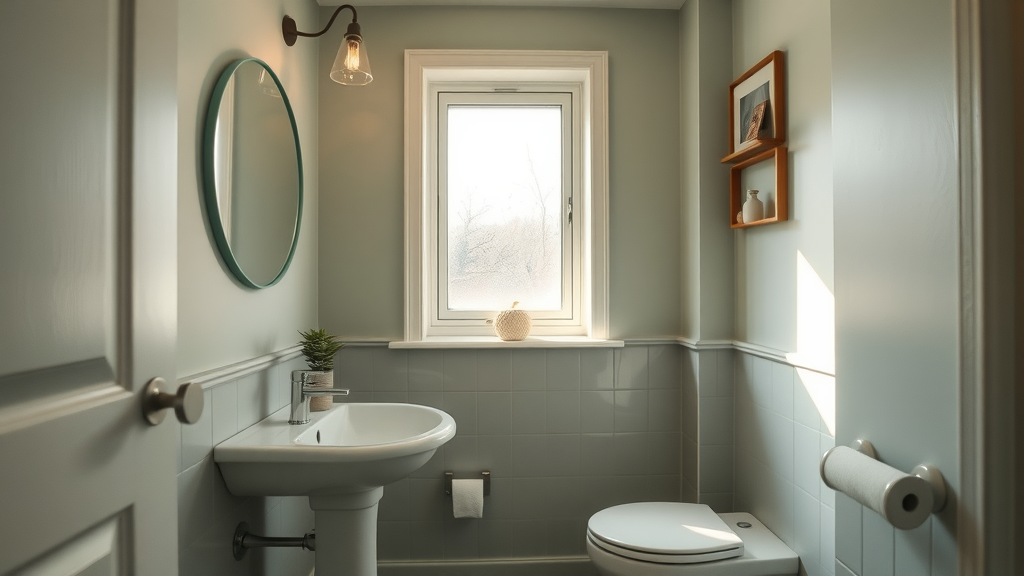
tastefully decorated half bath without shower, featuring stylish sink and toilet, sunlight, and soft colors for a serene, non-haunted bathroom.

Haunted Bathroom Video Tour: What the Ghosts Don’t Want You to See

Take a virtual tour through some of the world’s most notorious haunted bathrooms—see the flickering lights, listen for ghostly whispers, and hear firsthand accounts from real homeowners. This video peels back the curtain on what it’s really like to live with a haunted bathroom, and what practical steps made things better for these brave souls.

FAQs: All About Your Haunted Bathroom

  • Can a haunted bathroom be fixed by renovation?
    Absolutely! Often, what feels like a supernatural issue is actually due to outdated fixtures, bad lighting, or poor insulation. Building or improving your bathroom with modern features (lights, fixtures, insulation) usually makes things better—even banishing the “haunting” for good.
  • Why do mirrors play such a big role in haunted bathroom tales?
    Mirrors are thought, in many cultures, to be gateways to other realms. Their reflective surface and ability to distort light can make things worse in a dim setting. They often feature in haunted bathroom stories because they amplify already spooky sensations by doubling images or reflecting what is—or isn’t—there.
  • When should I call a professional for a haunted bathroom issue?
    If cold spots, odd noises, or water leaks persist after you make needed upgrades, it’s time to call a plumber, electrician, or home inspector. Don’t assume every issue is paranormal—sometimes, ignoring practical repairs can make things much worse! Professionals can help address the personal aspects of maintenance so you get your peace of mind back.

Final Thoughts: Is It Time to Renovate Your Haunted Bathroom?

Whether your bathroom is genuinely haunted or just long overdue for a makeover, don’t let mystery go unaddressed. Make practical upgrades and say goodbye to the chills—both supernatural and literal!

Key Takeaways on Haunted Bathroom Realities and Remedies

  • Haunted bathroom myths often hide real maintenance issues
  • Make practical upgrades to banish both ghosts and plumbing problems
  • Famous haunted bathrooms have shaped our understanding of spooky home stories

Ready to Say Goodbye to Your Haunted Bathroom?

Is it time to get your bathroom remodeled? Call us at (479) 903-1630 for a free consultation. Take the first step toward transforming your haunted bathroom into a relaxing, ghost-free retreat!

Exploring the realm of haunted bathrooms reveals a tapestry of eerie legends and real-world accounts that blur the lines between the supernatural and the explainable. For instance, the legend of Hanako-san tells of a young girl who haunts school restrooms in Japan, with tales of her ghostly presence dating back to the 1950s. (en.wikipedia.org) Similarly, the story of Aka Manto describes a masked spirit offering ominous choices to unsuspecting individuals in public bathrooms. (en.wikipedia.org)

In the United States, the Lemp Mansion in St. Louis is notorious for its haunted downstairs women’s bathroom, where visitors have reported unsettling encounters believed to be linked to the tragic history of the Lemp family. (ranker.com) These narratives, whether rooted in folklore or personal experiences, contribute to the enduring fascination with haunted bathrooms.

If you’re intrigued by the intersection of history, architecture, and the paranormal, these resources offer a deeper dive into the mysteries that may be lurking behind closed doors.

Modern Life

0 Comments

Write A Comment

*
*
Please complete the captcha to submit your comment.
Related Posts All Posts
03.30.2026

Best Mold Remediation Services in San Diego CA

Did you know that over 60% of homes in San Diego show signs of indoor mold growth at some point? That’s a staggering statistic for such a sunny city, and it means hundreds of families and businesses face serious risks every year. Mold isn't just unsightly—it can cause persistent health problems, costly property damage, and even devalue your biggest investment. If you want solutions and peace of mind, read on for your comprehensive guide to the best mold remediation services San Diego offers. Why Mold Remediation Services in San Diego Are Essential In San Diego, mild winters and moist ocean breezes make mold growth a year-round threat. Untreated mold doesn’t just result in musty odors—it can lead to respiratory illnesses, aggravate allergies, and cause structural damage to your home or business. The main keyword: mold remediation services San Diego, is at the heart of protecting local buildings and the people inside them. In San Diego county, properties left with unchecked mold damage often see costly repairs, potential loss of property value, and significantly higher insurance premiums. Health Risks: Mold spores can trigger allergies and worsen asthma, especially in children and seniors. Property Damage: Persistent moisture and humidity in San Diego county allow mold to damage drywall, wood, and insulation, undermining a structure’s integrity. Unique Local Threats: San Diego homes often feature stucco or other breathable building materials, which can conceal mold problems until major damage is visible. “San Diego’s unique climate makes mold remediation a year-round necessity for homeowners. ” – Local Remediation Expert What You’ll Learn About Mold Remediation Services in San Diego What a professional mold remediation service includes, from inspection to removal and restoration. How to tell exceptional providers from standard mold removal companies, comparing certifications, technology, and results. Step-by-step breakdown of the removal process: what you can expect and what to look for. How to choose the best local company—understanding credentials, reviews, and insurance considerations. When to call for help and how to protect your home or business from future mold damage. Understanding the Mold Problem in San Diego County Mold problems in San Diego County are more common than most residents realize. Thanks to coastal humidity, seasonal rains, and older home construction, many properties face conditions ideal for mold growth. Common species include black mold (Stachybotrys chartarum), Aspergillus, and Penicillium, each with unique risks for both health and property value. These mold types thrive in places with moisture and poor ventilation—think bathrooms, basements, and attics. Left untreated, infestations can spread quickly behind walls or beneath flooring, making detection and early intervention essential. Professional remediation services understand these risks and use advanced equipment like air scrubbers and thermal imaging to pinpoint sources and stop the problem at its root. Mold Remediation Services San Diego: What’s Included A typical mold remediation service in San Diego covers more than just removing visible mold. The removal process usually includes several vital steps to ensure complete elimination and long-term prevention: Inspection: Identifying all affected areas with moisture meters and infrared cameras. Containment: Isolating the affected area to prevent mold spores from spreading throughout the home or business. Air Filtration: Using HEPA filters and industrial air scrubbers to capture airborne spores and purify the indoor air. Mold Removal: Removing contaminated materials and thoroughly sanitizing remaining surfaces with EPA-approved solutions. Prevention: Applying mold inhibitors and fixing sources of water damage to prevent future growth. Choosing a provider specializing in remediation service ensures your property is safer, healthier, and protected against future mold problems. Companies that offer transparent walkthroughs and free estimates typically give you better peace of mind. Since water intrusion is a leading cause of mold growth, it's wise to familiarize yourself with the early warning signs of water damage in your property. Recognizing these indicators can help you address moisture issues before they escalate into more serious mold problems. Service Level Standard Mold Remediation Premium Mold Remediation Emergency Mold Remediation Inspection & Diagnosis ✔ Basic visual & moisture testing ✔ Detailed infrared scanning & lab analysis ✔ Rapid on-site emergency inspection Containment & Air Filtration ✔ Standard plastic sheeting, portable air scrubbers ✔ Full negative air barriers, commercial HEPA filtration ✔ Immediate containment, industrial air cleaning Mold Removal ✔ Manual removal, disinfecting agents ✔ Advanced chemical, steam treatments, material replacement ✔ 24/7 rapid material removal & temporary repairs Restoration & Prevention Optional ✔ Structural repairs, warranty, and prevention plan Emergency patching, future consultation Key Features of Professional Mold Remediation Service San Diego Offers The best mold remediation services San Diego specialize in more than just mold cleanup. Top-rated companies are equipped to manage complex cases involving water damage restoration, fire damage cleanup, and even smoke damage removal. These extra capabilities matter when unforeseen disasters strike and time is critical for property safety and recovery. What separates elite providers from the rest? Look for those who use advanced equipment—like negative air machines, industrial air scrubbers, and digital moisture meters. Top companies employ certified technicians trained in both mold removal and restoration, ensuring your property is returned to a safe, pre-damage condition. A professional mold remediation service should always provide detailed assessments, transparent timelines, and robust customer support. How to Choose the Best Mold Removal and Remediation Companies Selecting the right provider for remediation service in San Diego county is critical to protecting your home or business. Not all mold removal companies are alike; the best offer third-party certifications (such as IICRC), local city or county business licenses, and full insurance that covers property and worker liability. Always look for positive online reviews and before-and-after galleries that show actual results. Verify professional credentials and state licensing. Review insurance documentation—protecting both you and the technicians is essential. Read customer reviews and ask for references from recent projects in San Diego County. Request free estimates or detailed proposals before hiring. Make sure the company offers a clear remediation plan and a post-removal guarantee. “Always confirm that your selected removal service is certified and insured for mold damage—don’t be afraid to ask for proof. ” Top 5 Mold Remediation Services San Diego CA Gold Coast Flood Restorations – Renowned for rapid response, transparent pricing, and the thoroughness of their remediation services across San Diego. Mold Safe Solutions – Noted for cutting-edge mold detection and environmentally-safe mold removal techniques. San Diego Mold Removal Pros – Highly reviewed for their comprehensive service, including water and fire damage repairs. Pacific Mold Pros – Stand out with their certified team, industry-leading guarantees, and strong focus on customer education. 911 Restoration of San Diego – Experts in large-scale emergencies, available 24/7 for critical removal service needs. Benefits of Hiring a Professional Mold Remediation Service in San Diego Choosing experienced remediation services San Diego brings peace of mind to homeowners and property managers. Not only do certified technicians follow strict protocols for health and safety, but they also save you time and trouble by addressing underlying issues such as water damage, fire damage, or even unnoticed structural repairs. Professionals use advanced equipment and EPA-approved solutions to eliminate even stubborn infestations. Health: Thorough cleanup and air purification mean reduced risk of respiratory symptoms and allergies. Efficiency: Pros complete the job quickly, minimizing disruption, and preventing recurring issues with professional-grade prevention steps. Comprehensive Service: The best companies offer all-in-one packages, handling removal and remediation for complex cases where multiple types of damage overlap. How Mold Remediation Services in San Diego Work: Step-by-Step Process Understanding the removal process employed by top remediation services helps set expectations and ensures quality results. Here’s how the best in the business protect San Diego properties: Inspection: Visual exam, moisture mapping, and air quality testing to identify all trouble spots. Containment: Isolating the affected areas with plastic barriers and sealing off HVAC vents. Air Filtration: Deploying air scrubbers to clean the indoor environment and prevent the spread of mold spores. Removal & Cleanup: Careful disposal of contaminated materials, thorough cleaning of all surfaces, and application of anti-microbial agents. Restoration: Repairs to affected areas, repainting, and providing recommendations to prevent mold from returning. Final Inspection: Ensuring all mold is gone, no odors remain, and humidity/moisture levels are within safe ranges. Comparing Mold Removal and Mold Remediation: What’s the Difference? While “mold removal” and “mold remediation” are often used interchangeably, the distinction matters. Mold removal typically refers to the physical act of stripping visible mold from surfaces. However, this alone doesn’t address the root problems, like high moisture or hidden spores. Mold remediation is a holistic process that includes removal, cleansing the air, decontamination, and addressing the underlying causes such as leaks or prior water damage. Regulatory definitions in California often require remediation to follow strict safety, air quality, and disposal protocols, which means results are verifiable and lasting. For lasting peace of mind and better property outcomes, remediation—not just removal—is the gold standard. When to Choose Mold Removal Mold Remediation Minor, surface-level mold issues ✔ Widespread infestation, recurring mold ✔ Water or fire damage concerns ✔ Property sale or insurance compliance ✔ Signs You Need Mold Remediation Services San Diego Now Visible mold stains or dark patches—especially in bathrooms, kitchens, attics, or basements. Musty odors that linger despite fresh air or cleaning. Recent water damage: leaks, flooding, or burst pipes in your home or business. Cold or allergy-like symptoms: sneezing, coughing, or skin irritation that improve outside the property. San Diego’s combination of salty air, seasonal humidity, and common building materials makes it vital to take signs of a mold problem seriously. Cost Factors for Mold Remediation in San Diego County Severity of Infestation: More extensive areas or deeper penetration will take longer and require more resources. Location: Attics and crawlspaces can be harder to reach, impacting labor costs. Square Footage: Larger homes or offices have more affected areas that must be addressed. Type of Service: Emergency or premium services may cost more but add value through faster response or advanced restoration. Additional Damage: The need for water damage, fire damage, or structural repairs can add to the price. Customer Reviews: Experiences with Mold Remediation Services in San Diego "After a pipe burst, my bathroom was a mess. The removal service responded fast, contained the area, and now it looks brand new." "I never realized how much mold damage was lurking in our attic until the inspection. Remediation services walked us through every step, and we’re breathing easier now." "Professional mold remediation saved my rental property value—happy to recommend them to anyone with a mold problem in San Diego County." People Also Ask About Mold Remediation Services San Diego How much does mold remediation cost in San Diego? The cost of mold remediation in San Diego varies depending on the extent of mold damage, the size of the affected area, and the level of service required. Generally, costs can increase for premium technology, after-hours emergencies, or simultaneous water/fire damage restoration. Most reputable companies offer free estimates so you know what to expect up front. Is there a difference between mold removal and mold remediation? Yes. Mold removal deals with getting rid of visible mold, while remediation addresses the underlying cause and ensures long-term health and safety by eliminating spores, moisture, and preventing future growth. For persistent or hidden problems, remediation is usually advised over simple removal. What is the average cost to get rid of mold? The average cost to remediate mold in San Diego ranges depending on the severity, but most jobs reflect your property’s square footage, affected surfaces, and additional services like demolition, repairs, or environmental testing. Premium or emergency services can be higher but often shorten timelines and guarantee safer outcomes. How much does it cost to get mold removed professionally? Professional pricing structures usually include inspection, containment, removal, and final clearance testing. Depending on the size and scope, you may see additional costs for water or fire damage handling, advanced air purification, and restoration of affected areas. Asking for a detailed quote or free estimate is always recommended. Frequently Asked Questions on Mold Remediation Services San Diego Does insurance cover mold remediation? Coverage varies—always check with your provider. Many policies exclude mold unless caused by a covered event like water damage. How long does the remediation process take? Most standard projects in San Diego are completed in 1–5 days, depending on severity and property size. Can services handle emergencies? Yes, reputable providers offer 24/7 emergency response and can contain issues on the same day. Are services guaranteed? The best companies stand by their work with satisfaction guarantees and post-remediation inspections or warranties. Do I have to leave my home? Not always. For limited mold problems, you can often stay during the process; larger jobs may require temporary relocation for safety. Key Takeaways for Homeowners Considering Mold Remediation Services San Diego Act fast if you notice mold—delays can worsen mold damage and increase costs. Only hire licensed, insured, and certified professionals who specialize in mold remediation services for San Diego County. Request free estimates and clear answers on methods, results, and guarantees. Keep your home or business dry, ventilated, and regularly inspected, especially after water damage or heavy rainfall. Protect your health, property value, and peace of mind with a quality removal and remediation provider. Get Help Fast: Mold Remediation Services San Diego If you suspect a mold problem or want a free professional evaluation, don’t wait. Call Gold Coast Flood Restorations at (619) 449-9611 to arrange prompt, expert remediation services in San Diego today. Take action now—your healthy home starts with the right team! Mold issues rarely occur in isolation—often, they’re the result of underlying water damage that goes unnoticed until it’s too late. If you’re committed to safeguarding your property for the long term, consider exploring the full range of water damage warning signs that every San Diego homeowner should know. By staying proactive and informed, you’ll be better equipped to prevent future mold outbreaks and protect your investment. For those seeking advanced strategies and peace of mind, understanding the early indicators of water intrusion is the next step toward a healthier, safer home environment. To further enhance your understanding of mold remediation services in San Diego, consider exploring the following resources: “Mold Remediation Services San Diego CA - Remove Black Mold | KIC Restoration” This resource provides insights into the importance of professional mold remediation and the services offered by KIC Restoration in San Diego. “Mold Remediation Services San Diego CA - Pacific Flood Restoration” This resource offers information on mold removal and remediation services provided by Pacific Flood Restoration in San Diego. If you’re serious about safeguarding your property and health from mold-related issues, these resources will provide valuable information and guidance.

03.17.2026

Ceiling Fan Installation Cost: What You Need to Know Now

Did you know that in Dallas-Fort Worth, ceiling fan installation cost can swing from as low as $110 to well over $550—sometimes just because your room has a high ceiling or there’s no existing electrical box? If you’ve ever wondered why the price of ceiling fan installation seems so unpredictable, you’re not alone. For homeowners throughout Texas and especially in older homes, things like ceiling height, the presence of existing wiring, or even the need to install a new light fixture could make your quote double almost overnight. In this comprehensive guide, we break down every factor that affects the true ceiling fan installation cost, spotlight insider pitfalls, and help you find out what a fair price looks like in DFW and beyond. What You'll Learn About Ceiling Fan Installation Cost Understand the factors influencing ceiling fan installation cost Compare costs between handyman and licensed electrician services Learn why high ceilings and lack of an existing box affect installation costs Explore DIY vs. professional ceiling fan installation common pitfalls Uncover real cost averages in the Dallas-Fort Worth area Get answers to top questions about ceiling fan installation A Surprising Truth About Ceiling Fan Installation Cost "In Dallas-Fort Worth, the average ceiling fan installation cost ranges from $110 to $550 — but unique variables can send prices much higher." Most homeowners expect a few hours of work and a standard rate for getting a ceiling fan installed. But here’s the surprise: the underlying costs depend on much more than just labor. The biggest leaps occur if your ceiling is taller than 12 feet or if you don’t have an existing wiring setup – scenarios that can immediately double your bill. In reality, labor, home age, electrical code compliance, and the type of fan installation service you choose all play a major role in your final quote. Seasoned DFW electricians report that quick install a ceiling fan jobs may run just over $100 for a straightforward replacement, but add in high ceilings or the cost to run new wiring, and the installation cost could reach $550 or more. That’s why knowing exactly what drives the bill up is critical before hiring anyone. Overview: What Drives Ceiling Fan Installation Cost? Understanding the main variables behind ceiling fan installation cost is the key to avoiding sticker shock. Whether you’re swapping out an old fan or adding a completely new fixture, certain factors have a direct and sometimes unexpected impact on your final install cost. Most installation service companies calculate charges based on time, material complexity, and any extra safety or code requirements. A quick direct swap might take a pro just an hour, while anything involving an older home, high ceilings, or a missing electrical box requires more advanced skills and time—often with a sizeable price bump. Besides basic labor fees, ceiling fan brands, mounting brackets or remotes, energy efficiency features, the type of light fixture included, or even your home’s layout (like a tricky staircase or vaulted ceiling) can factor into costs. Knowing the difference can help you anticipate, negotiate, and budget effectively for your next ceiling fan installation. Key Factors That Determine Ceiling Fan Installation Cost Ceiling height Presence of existing wiring and boxes Type and size of ceiling fan Home layout and electrical codes Labor type: handyman vs. professional electrician Ceiling height is perhaps the biggest driver, with installations over 12 feet involving not just ladders, but additional manpower or even scaffolding. Older homes or outdoor spaces may lack existing wiring or the proper mounting brackets, requiring major prep work. The size and style of your new ceiling fan, whether it’s a standard, Energy Star, or outdoor-rated model, also influence both labor intensity and the type of wiring needed. Lastly, deciding whether to book a general handyman or a licensed electrician changes the risk, the level of insurance, and compliance with Texas electrical codes—you’ll pay more for expertise but reduce your risk of code or safety issues (which can be very costly if discovered down the line). Ceiling Fans and Their Impact on Installation Costs The style and specs of your chosen ceiling fans can be a budget decider. Modern ceiling fans often come with more advanced features like remote controls, Energy Star efficiency rates, integrated light fixtures, or innovative mounting systems. While these upgrades boost comfort and savings, they can increase install complexity and, therefore, your overall ceiling fan installation cost. For example, a basic ceiling fan swap can be completed quickly if the mounting brackets and electrical wiring are in place. But when choosing an extra-large fan, a heavy decorative model, or an outdoor-rated design meant for patios or covered decks, you’ll often require special mounting brackets and possibly an upgraded circuit, both of which add fees. Always discuss your fan installation needs and selected items up front so that your installation service can quote you appropriately. Existing Wiring vs. New Wiring and the Ceiling Fan Installation Cost Existing wiring dramatically reduces ceiling fan installation cost since it streamlines the job for your installer. If your home already has a fan or a compatible light fixture, most electricians perform a direct swap with minimal labor. But in an older home, rooms without any box or wiring above, or cases where you want a new fan in a location previously used for something else, the job requires new electrical work. Installing new wiring often means getting into the attic or even cutting into drywall and ceilings, costing you extra not just in time, but also for materials and repairs. Homeowners should expect the ceiling fan installation cost to increase by $100, $200, or more if there’s no accessible power source or the box isn’t rated for fan support—especially in homes with strict code requirements or unusual layouts. Standard Labor and Ceiling Fan Installation Cost in Dallas-Fort Worth "Based on recent surveys, most homeowners in DFW pay between $120 and $200 for a direct swap, but more complicated installs can exceed $450." Regional labor rates play a big role in what homeowners pay for ceiling fan installation in Dallas-Fort Worth. Standard pricing for a direct replacement hovers in the $120–$200 range if no unique complications are present. However, if you need new wiring, your space has a high or vaulted ceiling, or the installer has to add an electrical box from scratch, the price quickly increases—sometimes by multiple hundreds of dollars. Hiring an electrician to install a fan, rather than a handyman, generally comes with additional peace of mind, code compliance, and warranty possibilities. In DFW, many professional electricians and installation services break down costs transparently (see table below) based on whether you’re simply swapping an old fan, installing in a challenging spot, or dealing with high ceilings. Always ask for itemized quotes to see exactly what you’re paying for—including materials, labor, and safety checks—so you’re not surprised on installation day. Ceiling Fan Installation Cost Breakdown by Scenario Scenario Average Cost (DFW) Notes Replace existing fan $120-$200 Wiring/box in place Install with no existing box $220-$450 May require attic work High ceiling (12ft+) $300-$550 More safety/mechanical work Comparing DIY Versus Pro Ceiling Fan Installation Cost DIY material cost Average time investment (3–5 hours) Common mistakes and risk of failure Cost to fix DIY errors vs. hiring a pro from the start Trying the DIY route for ceiling fan installation can be tempting—especially if you’re handy, and the price for a pro seems steep. DIY materials (mounting brackets, boxes, wiring connectors) generally cost $40–$100, but that doesn’t account for owning the right tools or the real value: your time. Most homeowners spend three to five hours attempting their first ceiling fan install. Unfortunately, it’s not uncommon to hit a roadblock—especially with unfamiliar ceiling wiring, high ceilings requiring safety gear, or fan installation mistakes that only show up when the blades wobble or the fan won’t turn on. The harshest reality? If you end up calling a licensed electrician after a failed DIY job—sometimes after four hours on a weekend and a hole in your ceiling—the cost to fix and finish the project typically exceeds what it would have been to hire a pro from the start. As one local DFW installer puts it: “The most expensive call I get is for a half-completed fan install with wiring issues and mounting brackets installed wrong. ” Ultimately, DIY has its place but so does professional expertise—especially when dealing with high ceilings, heavy fans, or older electrical systems. Why High Ceilings and Missing Electrical Boxes Increase Ceiling Fan Installation Cost Impact of Ceiling Height on Installation Cost Taller ceilings—especially those measuring 12 feet or higher—drive up the ceiling fan installation cost significantly. Professionals need heavy-duty ladders, scaffold setups, and additional safety equipment just to reach and handle the install safely. In some older homes with vaulted ceiling designs or unique architectural layouts, this often translates into more than double the labor time. Specific high ceiling risks, such as mounting heavy ceiling fans securely or integrating remote controls at distance, make these jobs specialized. A standard handyman may not have the proper equipment for safe installation, so hiring an insured, licensed electrician is recommended—even if the up-front labor cost to install is higher. These extra fees cover both personal safety and home insurance liability, and they’re well worth the investment if your home has unique height challenges. The Cost to Install a Ceiling Fan When No Existing Box is Present A ceiling fan install without an existing wiring box means extra labor, material, and sometimes even drywall or attic work. Installation services must first ensure there is proper ceiling support for the fan weight, typically by adding a fan-rated electrical box and secure mounting brackets. This process pushes the install cost much higher—potentially $200 or more above a standard swap. The complexity increases further if your home’s electrical circuits need updating or if code compliance demands extra steps (such as adding a wall sconce or additional light fixture for visibility). All these tasks require more specialized knowledge, raising the ceiling fan installation cost but ensuring your new ceiling fan is both safe and legal. Handyman vs. Licensed Electrician: Who Should Install Your Ceiling Fan? The choice between hiring a general handyman or a licensed electrician can mean the difference between a quick, affordable install and long-term headaches with your ceiling fan installation. In Texas, only a licensed professional can legally run new wiring or make changes to your electrical panel—handymen are permitted to perform swaps if the wiring and box are already in place, but they cannot address deeper electrical issues. Ask any trustworthy ceiling fan installation service in DFW, and they'll confirm: licensing, insurance, and adherence to electrical codes matter for safety, insurance coverage, and home resale value. If you want to upgrade to a new light fixture, special remote controls, or a wall sconce with your fan, proper permits, and documentation are crucial. Cost to Install by Handyman vs. Professional Electrician Handymen may advertise rates as low as $75–$100 for a basic install, but these are only legal and safe if your ceiling fans are being swapped onto an existing, fan-rated box and wiring without need for code upgrades or high ceiling work. When the job calls for added wiring or safety checks, expect to pay a professional electrician’s rate of $120–$200 per fan for a simple swap—and $300+ for complicated installs. While it’s tempting to save by hiring a handyman, the risk of improper installation or lack of insurance coverage in case of accidents can seriously outweigh short-term savings. Be upfront when requesting quotes about the presence of existing wiring, your ceiling height, and any new light fixtures or additional work needed. Texas Electrical Codes, Insurance, and Installation Risks Texas strictly mandates that electrical work, including most ceiling fan installation, must follow state and city codes to protect both homeowners and workers. Only licensed electricians carry the required insurance for these jobs, which may factor into the higher install price but ultimately safeguards your property and family. Unlicensed or underqualified installs bring insurance risks, potential home resale headaches (due to failed code inspections), and even safety issues. If you’re adding new wiring, updating mounting brackets, or installing a wall sconce or light fixture with your fan, insist on proof of licensure and insurance from your installer. Ceiling Fan Installation: Weighing Short-Term Savings vs. Long-Term Costs While the impulse to save a few bucks on ceiling fan installation cost is understandable, remember: the cheapest route isn’t always the safest or most cost-effective. A professional installation service, though pricier up front, means reduced risk of electrical fires, less likelihood of noise or balance problems, and—most important—compliance with local codes that impact insurance and resale. Fixing DIY mistakes or hiring an unqualified installer increases long-term costs dramatically. If your fan wobbles, your wall sconce flickers, or your light fixture blinks after install, repair bills quickly erase your short-term savings. Investing in quality work saves you time, money, and hassle over the life of your ceiling fan. Step-by-Step: How Professionals Install a Ceiling Fan — And Where Costs Add Up Evaluate existing wiring and structural support Install mounting brackets and electrical box Attach ceiling fan and connect wiring Safety and code compliance check Clean up and test Professional ceiling fan installation follows a thorough, systematic process—one that minimizes risks and exposes hidden issues before they become costly. First, the installer checks existing wiring and ensures the ceiling can safely bear the fan’s weight with the right mounting brackets. If any part isn’t up to code, the technician must upgrade it. Next comes the secure installation of the electrical box and brackets, followed by careful wiring and connection of the fan (and attachments like a light fixture, remote controls, or wall sconces, if required). The job isn’t done after mounting. True pros run through code compliance checks, balance the fan blades, test every function, and finally clean up the space. These steps ensure your new fan is not just spinning, but safe and ready for years of trouble-free use—explaining, in part, why professional installation service rates are set where they are. How Regional Pricing Affects Ceiling Fan Installation Cost Dallas-Fort Worth pricing isn’t just about labor—it’s also about local norms for home construction. Larger Texas homes, prevalence of vaulted ceiling layouts, and frequent upgrades for high-efficiency fans mean both complexity and labor time are often above national averages. In neighborhoods with older homes, absence of existing wiring, unique lighting demands, or recent code changes, rates climb further. Professional ceiling fan installation services generally provide more competitive, itemized estimates in metropolitan areas like DFW, reflecting strong competition—but these rates can rise quickly for outlying rural zones or upscale neighborhoods with stricter compliance standards. Always ask what’s included in your quote and confirm if haul-away, old fixture removal, or attic work carries extra charges. What Is a Fair Ceiling Fan Installation Cost in Dallas-Fort Worth? "Local labor rates and home construction norms play a significant role in the final installation quote." A fair market price for ceiling fan installation in Dallas-Fort Worth—according to surveys and local company data—lands around $120–$200 for straightforward swap-outs. Expect that number to climb up to $550 for high ceilings, missing boxes, or jobs with lots of extra electrical work. Outside these ranges, be wary of quotes that seem too good to be true; they often skip quality checks or code compliance that lead to higher costs later on. Always get multiple estimates from well-reviewed, licensed electricians and clarify exactly what’s included. Labor rates should reflect not only the complexity of your install, but also the value of expert workmanship and safety. People Also Ask: Frequently Searched Ceiling Fan Installation Cost Questions How much do electricians usually charge to install a ceiling fan? Electricians typically charge $75–$125 per hour, with the total ceiling fan installation cost ranging from $120 for a simple swap up to $400+ for new wiring or high ceilings. How much does Home Depot charge to put up a ceiling fan? Home Depot’s installers typically offer a flat rate per fan, averaging $120–$270 depending on the complexity and location. How much does it cost to install a ceiling fan? Ceiling fan installation cost varies by region, task complexity, and ceiling height, but expect the range to be $120–$550 overall. How much does Lowes charge to install a ceiling fan? Lowes installation services usually quote $120–$350 for ceiling fan installation cost, depending on install type and region. FAQs About Ceiling Fan Installation Cost, Process, and Risks What's included in typical ceiling fan installation cost quotes? — Most quotes include labor, basic mounting brackets and hardware, testing, and cleanup, but not always new wiring, high ceiling surcharges, or disposal of old fans. Ask for an itemized list. How does ceiling height affect installation cost? — Higher ceilings require special ladders, longer setup times, and more manpower. This often adds $100–$250 to the bill. Should I upgrade the light fixture or add a wall sconce with my fan installation? — Combining upgrades saves on labor but adds material cost. Upgrading at install time is recommended for best results and code compliance. What are signs of poor-quality fan installation? — Wobbling blades, flickering lights, strange noises, or non-working remotes are red flags. Quality installs always balance blades, secure the box, and test every feature. Hire a professional electrician to correct issues if noticed. Key Takeaways: How to Get the Best Ceiling Fan Installation Cost Compare multiple professional electrician estimates Understand the impact of home wiring and ceiling height Factor in savings from getting it done right the first time Ask about code compliance and warranty Ready to Get a Ceiling Fan Professionally Installed? Get Quick, No-Obligation Quotes Now Finding the best deal on ceiling fan installation cost is all about planning ahead, understanding what drives the price, and always hiring a qualified professional. Start your search for licensed electricians in Dallas-Fort Worth today, compare detailed quotes, and enjoy peace of mind under your new fan.

02.08.2026

Are Air-Source Heat Pumps a Good Fit for the Northern Irish Climate?

Plumbrite 📍 Address: 63A Battlehill Rd, Portadown, Craigavon BT62 4ES, UK 📞 Phone: +44 7933 830316 🌐 Website: http://plumbrite.org.uk/ ★★★★★ Rating: 5.0 Understanding Energy Choices: Why Air-Source Heat Pumps Get Everyone Talking Look outside on a typical Northern Irish morning—crisp air, low clouds, and that famous, ever-present drizzle. For many families, this unpredictable weather raises a vital question: how can you keep your home warm and comfortable without spending a fortune? The past decade has seen a surge of interest in air-source heat pumps, promising cleaner air and lower bills. But with so many options and opinions, homeowners often wonder: are air-source heat pumps a practical choice for our unique, damp, and cool climate? Getting to grips with any new heating technology can be daunting. Energy costs are rising, environmental concerns are more urgent than ever, and the push to reduce carbon footprints sits at the heart of daily decisions. In this context, air-source heat pumps have become the talk of the town for people hoping to make their homes not only cosier but also kinder to the planet. But are these systems the smart upgrade everyone says they are, especially in a climate famous for its chilly winds and endless rain showers? By exploring performance, efficiency, and real-world experiences, this article demystifies what air-source heat pumps truly offer Northern Irish homes—setting you up with clear facts to make an informed, confident choice. What Are Air-Source Heat Pumps? A Simple Solution for Complex Climates An air-source heat pump is a clever device that gathers heat from the air outside—even on cold days—and pumps it into your home to keep it snug and warm. Unlike oil or gas boilers, which create heat by burning fuel, air-source heat pumps use electricity and natural processes to move warmth, making them far more energy-efficient. They don’t just save energy; they can lower both your bills and your environmental impact. The trick lies in their design: they harness natural temperature differences, meaning that on damp or chilly Northern Irish days, they can still provide reliable comfort indoors. Yet, many people wonder if these systems can handle the local climate, which is well known for its persistent rain, moderate cold, and a lack of truly freezing spells. Here’s the thing—all heating systems perform differently depending on where you live, how your home is built, and the kind of warmth you expect. Without a proper understanding of how air-source heat pumps work and how climate affects their efficiency, it’s easy to be left in the cold or pay for expensive changes that don’t pay off. Some people may even risk disappointment or higher-than-expected energy costs if they dive in without checking the fit for their home and lifestyle. That’s why knowing how air-source heat pumps behave in Northern Ireland’s climate is not just useful—it’s essential for anyone considering a more efficient future. How Air-Source Heat Pumps Match Northern Irish Weather Patterns Plumbrite stands out as an expert voice with over 30 years of practical experience in designing efficient heating systems for a range of local environments. Their approach focuses on tailoring systems to specific homes and user preferences, recognising that the Northern Irish climate poses both challenges and advantages for air-source heat pump performance. One of the main benefits is the mildness of winters in the region. While it often feels cold and damp, wintry temperatures rarely plunge far below freezing, which works in favour of air-source heat pumps because these devices are most effective in temperate, not extreme, cold. Homeowners benefit from this sweet spot. Air-source heat pumps can reliably extract warmth from the outdoor air—even in winter—delivering steady heat inside without the spikes in fuel consumption typical of older systems. The promise of lower energy bills is matched by a more stable, comfortable home environment, protected from the sudden chills that sometimes sweep through older, draughty buildings. From reducing monthly expenses to protecting against future energy price rises, heat pumps harness the provided local environment rather than fight against it—making them not only a viable, but a wise choice for Northern Ireland. Personalised Efficiency: Why Choosing the Right System Matters Another lesson learned by experts in heating system design is that no two homes are identical, and no single heating solution suits everyone. Plumbrite emphasises the importance of shaping the heating system—air-source heat pump included—to match both building characteristics and personal comfort preferences. Northern Irish weather demands year-round performance and reliability. When an air-source heat pump is correctly specified and installed, it works with the insulation and layout of your home rather than against it, capturing maximum efficiency and comfort. By avoiding one-size-fits-all solutions and relying on detailed assessments, homeowners get systems that respond to their needs, not just to outside temperatures. That’s what sets energy-smart installations apart from quick fixes; the result is a heating system that delivers constant, gentle warmth while curbing waste and making practical use of every penny spent on energy. The end result? Reduced carbon footprint, lower bills, and a more comfortable living space—regardless of how many rainy days the forecast predicts. From Fossil Fuels to Future-Proof: How Heat Pumps Support a Greener Northern Ireland Northern Ireland, like much of the world, faces increasing pressure to move away from traditional oil and gas heating, both for environmental and economic reasons. Air-source heat pumps are at the forefront of this transition, offering homeowners a practical way to slash their reliance on fossil fuels. Unlike boilers that need regular topping up or emit carbon dioxide, these systems use electricity and work cleanly in the background, quietly supporting wider climate goals. For many families, this greener approach also brings peace of mind—knowing your everyday comfort is contributing to a more sustainable community. Making the switch to air-source heat pumps is more than a technical upgrade; it’s a commitment to future generations, ensuring homes are part of the solution, not just the problem. Maximising Performance: Tips for Getting the Most from Your Air-Source Heat Pump While the technology behind air-source heat pumps is advanced, day-to-day operation is simple and user-friendly—especially when supported by experts who design and maintain systems for local conditions. The foundation for efficient operation begins with an initial assessment, making sure the chosen system suits both the building and the preferences of those living in it. Beyond installation, Plumbrite’s seasoned approach stresses the importance of regular servicing to keep everything running smoothly and safely, year after year. Practical actions—like checking insulation, using thermostats wisely, and arranging for timely maintenance—can ensure that every pound spent on heating goes further. In a place where comfort truly counts, the value of a smooth-running, energy-smart heating system cannot be overstated. Plumbrite’s Approach: Over 30 Years of Expertise in Smart Heating Solutions With decades of hands-on experience, Plumbrite has established itself not only as a trusted name in plumbing but as a reliable authority in modern, efficient heating design. Their philosophy centres on providing smart plumbing solutions tailored to the individual, treating every home or business as unique. This commitment to custom design ensures each installation—whether a new air-source heat pump or a full system overhaul—supports both comfort and energy savings for the long term. Underpinning their work is an attention to detail, highlighted in the way systems are evaluated, installed, and serviced. Plumbrite’s customer-focused outlook means every solution is future-proofed as much as possible, providing peace of mind in a rapidly changing energy landscape. Bringing over 30 years of expertise to every project, their dedication to reliable, efficient heating creates conditions where air-source heat pumps can truly thrive—even in the famously unpredictable Northern Irish climate. What Real People Say: Outstanding Service and Lasting Results Trust is often built through firsthand experience, and no recommendation speaks louder than the stories of real clients whose homes and comfort have been transformed by smart plumbing and efficient heating design. For families facing renovation headaches or stress, having a reliable expert on hand can truly make the difference between disappointment and genuine delight. If you want it done right, look no further. Faultless throughout with attention paid to every detail for a quality finish. We had a shower explode in the ensuite with a lot of damage, Brian and co were able to fully restore this room beyond expectations, aswell as resolving other ongoing plumbing issues whilst on site. Hearing this level of satisfaction affirms not only technical precision but also the lasting peace of mind that comes from jobs done well. For homeowners considering air-source heat pumps, this kind of expertise suggests that careful planning and thorough service lead to results that exceed expectations—making the choice to upgrade a rewarding and reliable investment. How Air-Source Heat Pumps Pave the Way for a Smarter Energy Future in Northern Ireland The drive for cleaner, more reliable heating isn’t just about saving money—it’s about choosing technology that fits the local climate and supports wider environmental goals. Air-source heat pumps, especially when supported by experts with deep knowledge of Northern Irish homes and weather, offer a real pathway towards a smarter, more sustainable way to keep warm. Plumbrite’s track record in efficient heating system design and installation brings authority and reassurance to families weighing their options. When strategically chosen and expertly maintained, air-source heat pumps can be an excellent fit for the Northern Irish climate—turning unpredictable weather into a reliable resource for comfort and savings. Contact the Experts at Plumbrite If you’d like to learn more about how air-source heat pumps could benefit your home and comfort in the Northern Irish climate, contact the team at Plumbrite. 📍 Address: 63A Battlehill Rd, Portadown, Craigavon BT62 4ES, UK 📞 Phone: +44 7933 830316 🌐 Website: http://plumbrite. org. uk/ Plumbrite Location and Hours 🕒 Hours of Operation:📅 Monday: 8:00 am – 5:00 pm📅 Tuesday: 8:00 am – 5:00 pm📅 Wednesday: 8:00 am – 5:00 pm📅 Thursday: 8:00 am – 5:00 pm📅 Friday: 8:00 am – 5:00 pm📅 Saturday: ❌ Closed📅 Sunday: ❌ Closed

Terms of Service

Privacy Policy

Core Modal Title

Sorry, no results found

You Might Find These Articles Interesting

T
Please Check Your Email
We Will Be Following Up Shortly
*
*
*