

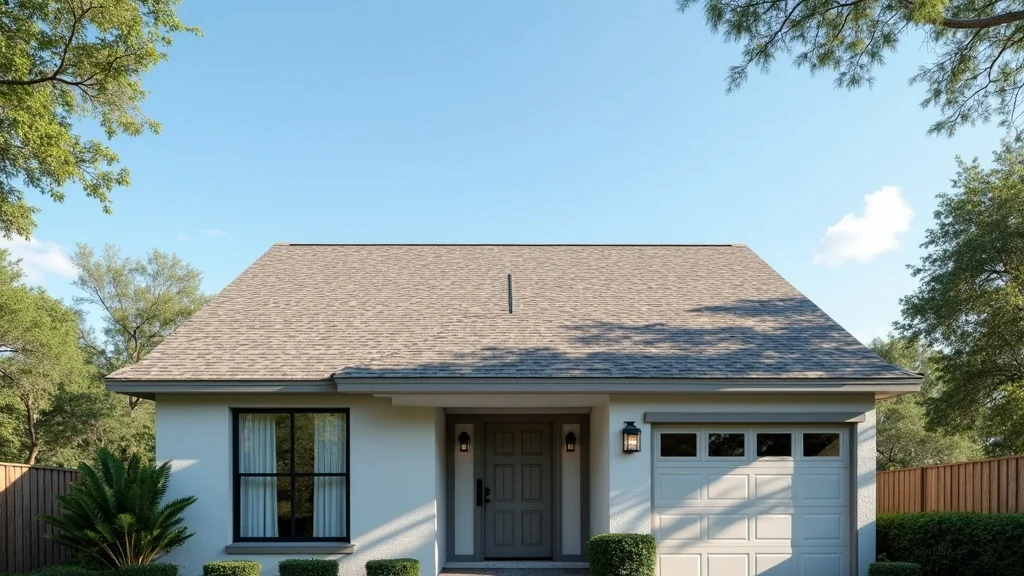
Why Your Houston Roof Warranty Might Likely Be Useless: Insights from Jimmy Vitulli
Warranty Backing Company Stability Determines Real Value
In Houston’s unforgiving climate, roof warranties are a battleground of expectation versus reality. As the city’s 90% humidity collides with relentless UV, homeowners often assume that the longevity of their shingles is simply a matter of material quality. However, as Jimmy Vitulli of Kainos Roofing & Exteriors clarifies, the reality hinges overwhelmingly on one stark truth: warranties are only as valuable as the company standing behind them. Most homeowners judge the promise, not the paper—and that can be a costly mistake.
According to Mr. Vitulli, even the most comprehensive-seeming warranty may dissolve into fine print if the company backing it becomes insolvent or avoids responsibility. Manufacturer warranties often appear robust due to corporate size and perceived permanence, but their terms are typically narrow and often filled with loopholes. Contractor warranties, in contrast, may seem more personal yet are highly sensitive to the survival and integrity of a single business entity. In either scenario, the hidden linchpin is company stability. If the company can’t or won’t stand by you, your warranty lacks true value.
"It's only as good as the company that's behind the warranty. If the company's not going to be in business or stand behind it, then it's not worth the paper it’s printed on."
— Jimmy Vitulli, Kainos Roofing & Exteriors
Why Manufacturer Warranties Alone Often Fail Houston Homeowners
Many Houston homeowners are shocked to discover the limitations buried in most manufacturer warranties. Mr. Vitulli reveals, “If your roof is not ventilated properly, every manufacturer's warranty has an exclusion voiding coverage. About 90 percent of roofs we’ve seen are inadequately ventilated, so most of these warranties are useless without homeowners knowing it.” In essence, buyers are lulled by the perceived security of major brand backing, but those protections evaporate if the roof is even slightly out of specification—or if the installation is flawed.
The central problem is that manufacturer warranties are exceptionally narrow: they’re designed to protect against genuine defects in the shingles—issues like manufacturing errors, premature granular loss, product delamination, or poor sealing. They rarely extend to what actually causes the majority of roof failures in Houston: improper installation or inadequate ventilation. Faulty installs void warranty claims, leaving unsuspecting homeowners facing full replacement costs even when their shingles have years ostensibly left on paper. As Mr. Vitulli frequently observes, “The exclusions are so broad that they leave most roofs unprotected in real-world conditions.”
"If your roof is not ventilated properly, every manufacturer's warranty has an exclusion voiding coverage. About 90 percent of roofs we've seen are inadequately ventilated, so most of these warranties are useless without homeowners knowing it."
— Jimmy Vitulli, Kainos Roofing & Exteriors
Manufacturer warranties mainly cover material defects: shingle manufacturing errors, premature granular loss, delamination, and sealing failures.
They do NOT cover faulty installation or poor roof ventilation.
Contractor warranties cover workmanship but depend on the contractor's longevity and reliability.
How Proper Installation and Ventilation Are the Linchpins of Warranty Validity
According to Jimmy Vitulli, the pivotal difference between a lasting roof and a voided warranty is rarely about just material—it’s about whether the installation was done “by the book.” A certified or truly manufacturer-familiar contractor is not a marketing slogan; it is the line that separates an enforceable promise from an expensive mirage. Mr. Vitulli regularly advises property owners to scrutinize credentials: “You have to hire a contractor certified or familiar with the manufacturer, installing according to guidelines. If the roof isn’t installed right, especially ventilation, the manufacturer won’t honor the warranty.”
The installation process itself is fraught with booby traps: high nailing, incomplete ventilation calculations, underventilated attic zones, and improper underlayments. Each shortcut is a ticking time bomb, ready to void coverage at the first sign of trouble. It’s in these moments—the points of interface between product, science, and real-world installation—that most Houston homeowners inherit risk. And as Mr. Vitulli emphasizes, “If your roofer did not put the roof on right, the manufacturer is not going to cover that.” Rigorous adherence to guidelines is not a technicality; it’s the core of ROI and insurance eligibility.
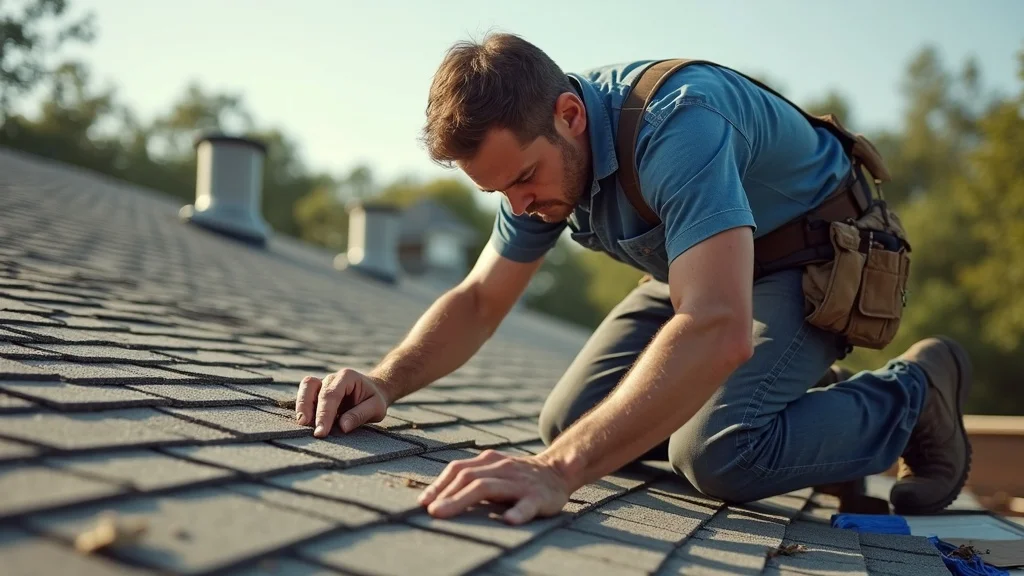
"You have to hire a contractor certified or familiar with the manufacturer, installing according to guidelines. If the roof isn’t installed right, especially ventilation, the manufacturer won’t honor the warranty."
— Jimmy Vitulli, Kainos Roofing & Exteriors
The Hidden Risk: Houston's Climate and Common Roof Ventilation Failures
Houston’s climate is a relentless antagonist: high humidity, extreme UV rays, and fierce heat cycles accelerate degradation of even high-quality roofs. Most contractors and homeowners underestimate the significance of proper attic ventilation. According to Mr. Vitulli, inadequate ventilation is not just a comfort issue—it is the root cause of premature shingle failure and fast-tracks a roof toward warranty exclusion. Intense heat and moisture buildup break down shingle adhesive underlayers, create moisture pockets in decking, and, over time, convert manufacturer warranties into empty gestures.
What amplifies this risk is the fact that almost all manufacturers make proper ventilation a prerequisite for warranty validation. Yet, as Vitulli’s analysis reveals, poor air exchange rates and neglected attic zones afflict roughly 90% of all Houston roofs. The disconnect between installation shortcuts and long-term performance fuels a cycle where insurance adjusters often deny claims based on noncompliance, leaving property owners in financial jeopardy. Houston's conditions magnify seemingly small oversights into catastrophic vulnerabilities—a reality every informed consumer must heed.
High humidity and extreme UV accelerate roof wear and increase ventilation demands.
Inadequate ventilation traps heat and moisture, causing premature shingle failure.
This condition triggers manufacturer warranty exclusions—a widespread but often unnoticed risk.
Realistic Roof Lifespans and Warranty Coverage: Debunking the 50-Year Shingle Myth
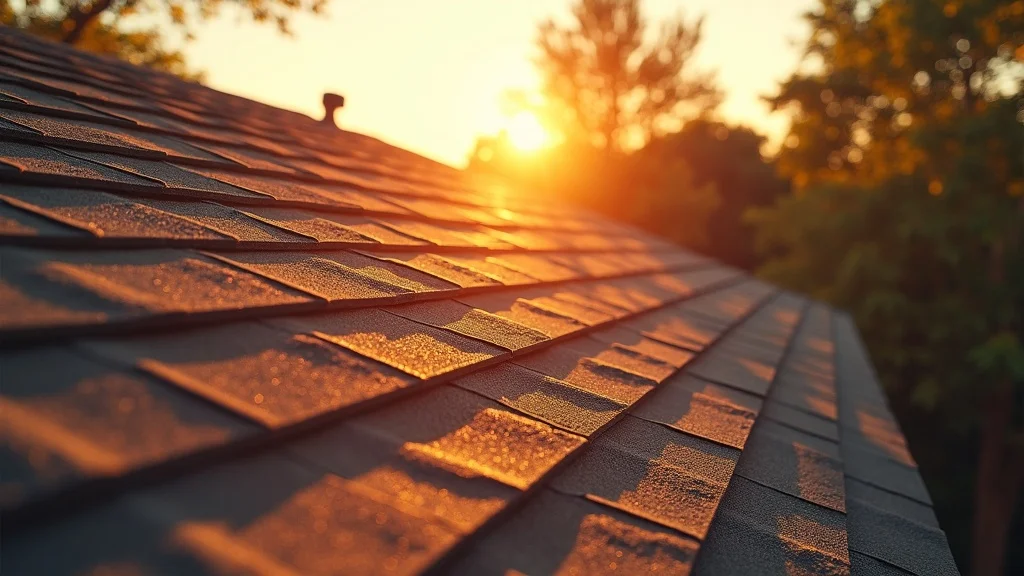
Advertising claims touting “50-year shingles” have cast a long shadow over Houston’s roofing expectations. However, as Mr. Vitulli points out, the lifespan of an asphalt shingle roof in this region reflects a much harsher reality. Due to the city’s intense sun and humidity, even well-installed systems rarely surpass 25 years. “The key is focusing on the non-prorated years of the warranty, usually the first 10 to 20 years, as that’s when coverage for defects and workmanship matters most,” Mr. Vitulli advises. The allure of a decades-long guarantee masks the fact that almost all warranties become prorated after 20 to 25 years and cease to offer meaningful protection.
For homeowners and investors, this means the real value lies in the warranty’s early phase—the so-called “non-prorated” period—where product defects and workmanship issues are actually covered in full. Beyond that, homeowners are left with rapidly diminishing returns, as most claims will be denied for installation or ventilation errors anyway. Vitulli's engineering perspective spotlights why those “50 years” are more of a marketing fiction than a technical promise: “Most roofs in Houston...they should last probably more in that 17 to 25 years.” Anything less is symptomatic of shortcuts or neglect. Anything more is unlikely, regardless of what’s printed on the box.
Due to climate and installation factors, most Houston roofs last 17 to 25 years under ideal conditions.
Poor workmanship and ventilation can reduce lifespan to as low as 10 to 15 years.
Manufacturers’ 50-year shingle warranties usually become prorated after 20-25 years and don’t cover installation defects.
"The key is focusing on the non-prorated years of the warranty, usually the first 10 to 20 years, as that’s when coverage for defects and workmanship matters most."
— Jimmy Vitulli, Kainos Roofing & Exteriors
Strategic Advice for Houston Homeowners: Choosing and Verifying Your Warranty
Mr. Vitulli’s evaluative expertise has crystallized a clear data-driven approach for Houston property owners: Verification is king. Homeowners, luxury property managers, and even institutional buyers should never assume all warranties are created equal. Instead, begin by confirming the history, ratings, and financial stability of both the manufacturer and the contractor. Only trust your roof’s long-term value to companies known for upholding their obligations through extreme Houston events and economic cycles.
Finally, demand clarity about the terms: Specifically, how does the warranty transition from full to prorated coverage, and exactly what is excluded? A small investment in due diligence can prevent big financial exposure down the line

Verify the stability and reputation of the warranty-back company—manufacturer or contractor.
Ensure your contractor is certified or endorsed by the manufacturer and follows installation guidelines precisely.
Confirm your roof ventilation meets manufacturer standards to avoid voiding warranties.
Understand exactly what each warranty covers and the timeline for prorated vs. full coverage.
Key Takeaway: Avoid Hidden Warranty Voids by Prioritizing Installation Quality Over Warranty Length
Every year, countless Houston roofs lose their warranty protection long before their materials fail—often due to shortcuts invisible to the untrained eye. As Mr. Vitulli underscores, “Know what you’re getting. Both manufacturer and contractor warranties have value, but if the roof isn’t put on right, manufacturer warranties are worthless.” The technical aspects—the math behind air exchanges, the placement of ridge vents, even the underlayment used—matter far more than the marketing slogans about duration or “lifetime” coverage.
The right questions to ask are not about years, but about process: Was this installed to manufacturer specifications? Can I validate every step? Does my vent system meet or exceed the manufacturer’s standards? By focusing here, you transform your warranty from a piece of paper into actionable protection—and avoid the silent risk transfer that is endemic in Houston’s hurricane-prone market
“Know what you’re getting. Both manufacturer and contractor warranties have value, but if the roof isn’t put on right, manufacturer warranties are worthless.”
— Jimmy Vitulli, Kainos Roofing & Exteriors
Summary: How Manufacturer vs Contractor Warranty Insights Save Houston Homeowners from Costly Risks
Warranty validity relies heavily on proper installation and adherence to ventilation standards, especially in Houston’s extreme climate.
Manufacturer warranties primarily address defects, while contractor warranties cover workmanship risk—both require a reliable backing company.
Understanding warranty terms and focusing on the non-prorated coverage window equips homeowners to make informed decisions versus relying on marketing claims about duration.
A technically sound roof with correct ventilation maximizes both the lifespan and warranty benefits.
Next Step: Secure Your Roof’s Value with a Professional Assessment
The difference between a valid warranty and an empty promise comes down to process, vigilance, and technical rigor. If you’re unsure about your roof’s current installation quality or the integrity of your warranty, now is the moment to act. As Houston’s climate continues to challenge even the best roof systems, a proactive approach isn’t just smart—it’s necessary to protect your investment, your insurance eligibility, and your peace of mind.
Schedule an expert Property-Value Risk Audit to evaluate your roof’s installation integrity and warranty risks.
You can reach Mr Vitulli at Kainos Roofing & Exteriors in Houston for comment. 713.487.5255


Write A Comment