
Every child deserves safety and understanding—especially those grappling with trauma. Schools have a vital role in healing and support. Embracing compassion can transform struggles into strengths, helping students thrive despite their challenges. Discover how schools can make a heartfelt difference in these young lives today.
Understanding the Importance of Supporting Students with Trauma
Supporting students with trauma is an essential cornerstone for fostering healthy academic and personal development. Trauma can profoundly impact a child's emotional well-being, cognitive functioning, and behavior in school settings. Recognizing trauma's pervasive effects is the first step toward creating an environment where students feel safe, understood, and empowered.
Schools serve as critical touchpoints where many children experience stability and support outside their homes. By implementing trauma-informed practices, educational institutions become safe havens that can help students navigate their challenges and build resilience. The transformative power of compassion and understanding cannot be understated — it influences not only the individual student but also the school culture as a whole.
Anthony McCauley, of Males of Distinction, explains, "My belief is, I’ve seen the difference that one caring adult can make when we refuse to let a bad choice or some hard season in somebody’s life become the whole story of who that person or that child is. " This highlights the profound impact that empathy and steadfast support can have on altering life trajectories for young people struggling with trauma.
Definition of trauma and its impact on students
Why schools play a critical role in supporting students with trauma
The transformative power of compassion and understanding
Key Challenges Faced by Students Experiencing Trauma and Behavioral Issues
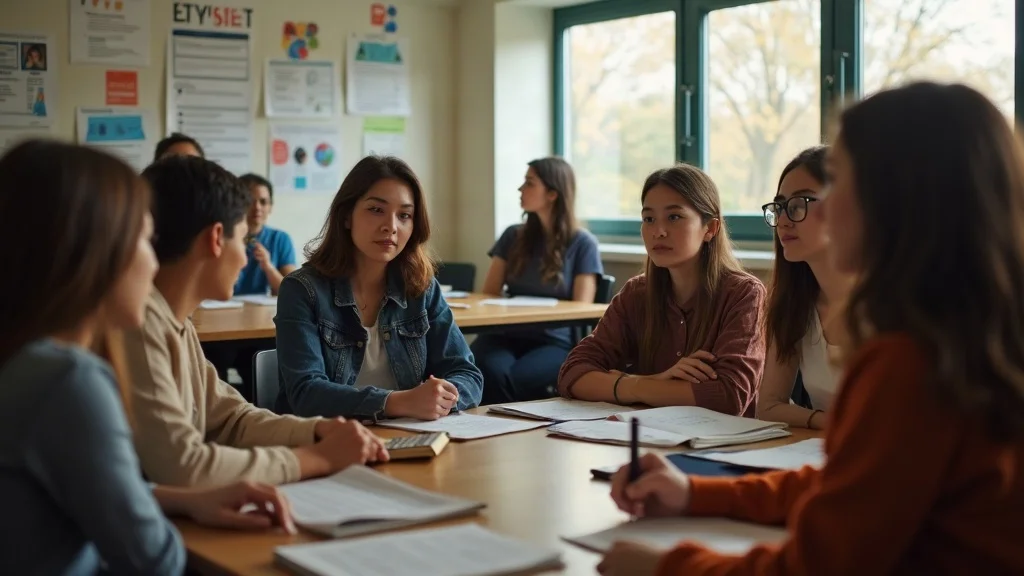
Students facing trauma often express their struggles through behavior. From withdrawal and shutting down to acting out and disruption, these behaviors are frequently misinterpreted as willful disobedience or defiance rather than cries for help. Traditional school systems tend to focus on managing these behaviors without exploring the underlying causes, which can lead to punitive rather than supportive responses.
Shifting the perspective from asking, "What's wrong with the child?" to "What happened to the child?" is a transformative approach. This framed question opens the door to empathy and deeper understanding. It recognizes behavior as a form of communication — a language that conveys what students may not yet have the words to express.
Anthony McCauley emphasizes, "Behavior is a language. A kid who’s shutting down, acting out, or checked out is almost always trying to communicate something they don’t have the words for yet. " This insight challenges educators and caregivers to look beyond surface behaviors toward the emotional and situational roots beneath.
Common behavioral manifestations of trauma in students
How traditional school systems often respond to behavior rather than underlying causes
The importance of shifting from 'What’s wrong with the child?' to 'What happened to the child?'
Effective Strategies for Supporting Students with Trauma in Schools
To effectively support students with trauma, schools must adopt trauma-informed practices that prioritize understanding trauma's effects on the brain and behavior. Awareness of ACEs (Adverse Childhood Experiences) is essential in shaping responsive interventions and creating nurturing environments where students feel safe and valued.
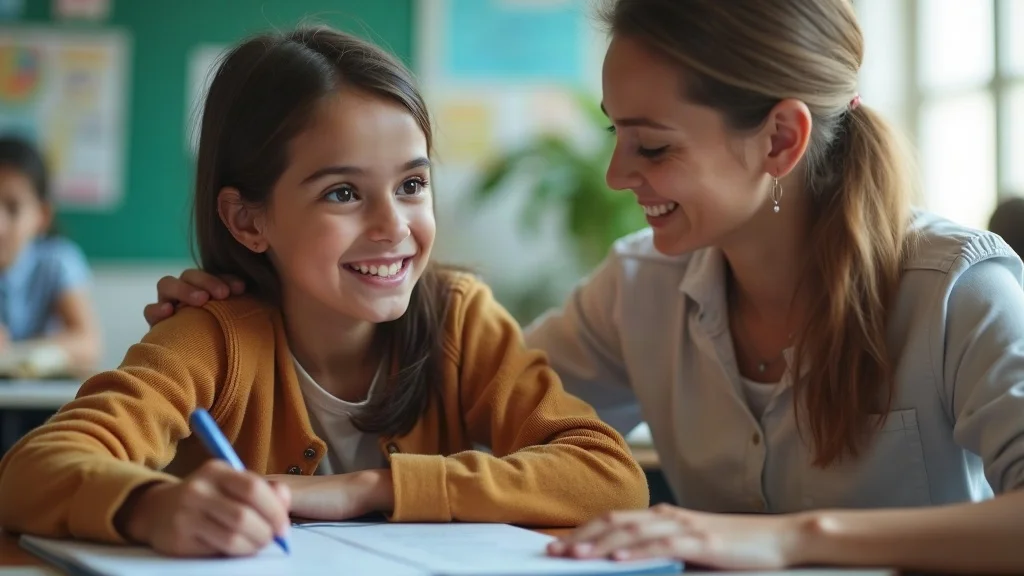
Building trusting relationships through consistent mentorship and adult engagement fosters a sense of belonging. When students perceive adults as reliable and caring figures, they are more likely to engage in learning and healing. Safe spaces within schools allow students to express themselves without fear of judgment, enabling meaningful growth.
Training educators to recognize early warning signs and respond proactively enhances prevention. Teachers and staff equipped with trauma-sensitive approaches can intervene before behaviors escalate into crises, making schools places of proactive care rather than reactive discipline.
Implementing trauma-informed practices and ACEs (Adverse Childhood Experiences) awareness
Building trusting relationships through consistent mentorship and adult engagement
Creating safe spaces where students feel seen and valued
Training educators to recognize early warning signs and respond proactively
The Role of Mentorship and Community Involvement
Mentorship plays a pivotal role in supporting students with trauma. Consistent, caring adults can provide guidance, model positive behaviors, and offer emotional stability. Community involvement extends this support network, connecting schools with local resources, professional expertise, and social services to holistically meet student needs.
Anthony McCauley shares, "I’ve witnessed firsthand how a caring adult mentor can change the direction of a child’s entire life by stepping in early and showing up consistently. " This real-world experience underscores mentorship as a catalyst for positive change, breaking cycles of trauma and fostering hope.

Addressing Common Misconceptions About Trauma and Student Behavior
There are many myths surrounding students who have experienced trauma. One common misconception is that these students are "broken" or beyond help. This harmful stereotype overlooks the resilience that many possess and the potential for healing when given proper support.
Trauma responses are survival mechanisms developed in reaction to stress or danger. Behaviors that seem disruptive or defiant are often protective adaptations rather than willful misbehavior. Understanding this distinction is crucial for fostering empathy and crafting interventions that respect students’ experiences and dignity.
Schools that approach trauma with empathy rather than judgment create more inclusive and effective educational environments. Recognizing that kids who have faced trauma need care and understanding, not punishment, can transform relations and outcomes.
Dispelling myths that trauma-affected students are 'broken' or 'incorrigible'
Understanding that trauma responses are survival mechanisms, not willful misbehavior
Recognizing the need for empathy rather than judgment
How Schools Can Proactively Prevent Behavioral Crises Through Early Intervention
The best approach to supporting students with trauma centers on prevention. Intervening before behaviors escalate into crises not only improves student outcomes but is fiscally responsible for school districts. Early identification allows for timely and tailored support, reducing the need for costly disciplinary actions or remediation.
Anthony McCauley states, "Prevention is the most fiscally responsible thing a school district can invest in. We need to build a culture that catches warning signs before a crisis happens. " Proactive strategies create safety nets that pivot student trajectories toward success.
Developing targeted training programs equips educators and staff with tools to recognize trauma signals. Partnerships with community organizations extend the reach of school-based resources, creating a network of care that supports students both in and out of school. Implementing dedicated student support services focused on early intervention ensures that no warning signs go unnoticed.
Developing training programs for teachers and staff on trauma-sensitive approaches
Partnering with community organizations to extend support networks
Implementing student support services focused on early identification and intervention
Practical Tips for Educators to Support Students with Trauma
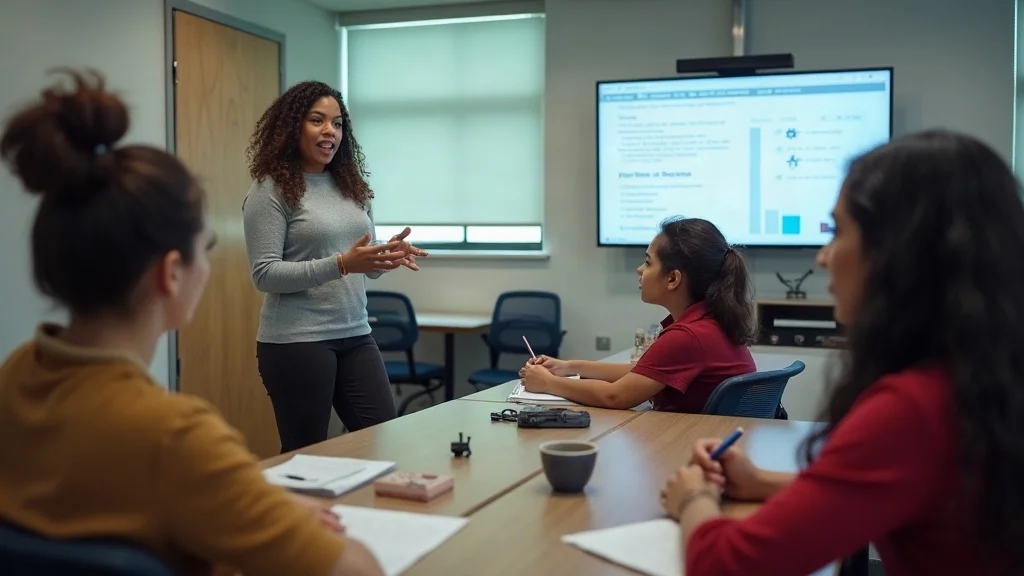
Ask open-ended questions like "What happened?" instead of "Why did you do that?" This invites dialogue focused on understanding rather than assigning blame, helping students feel heard.
Create consistent routines and safe spaces in the classroom. Predictability fosters security and reduces anxiety for trauma-affected students.
Use trauma-sensitive language and avoid punitive measures when possible. Language matters; gentle guidance encourages growth over fear.
Engage families and caregivers as partners in support. Collaborative relationships ensure wraparound care and reinforce positive development at home and school.
Encourage growth mindset to empower students’ resilience. Teaching students that abilities can develop over time builds confidence and motivation.
People Also Ask
How to support students with trauma in the classroom?
Create a safe and predictable environment
Build trusting relationships with students
Incorporate trauma-informed teaching strategies
Provide opportunities for students to express themselves
Collaborate with counselors and mental health professionals
What are the 5 F's of trauma responses?
Fight
Flight
Freeze
Fawn
Flop
What are 8 ways to support students who have experienced trauma?
Build strong relationships
Maintain consistency and structure
Use positive behavior supports
Teach coping skills
Provide emotional regulation tools
Encourage self-expression
Collaborate with families
Promote a growth mindset
What are the four R's of a trauma-sensitive classroom?
Realize the impact of trauma
Recognize the signs of trauma
Respond with trauma-informed practices
Resist re-traumatization
The Vision for a Trauma-Sensitive School System
Anthony McCauley envisions, "A system built not just to educate, but to see people the same way I’ve tried to see every young person I’ve ever come across — meeting children right where they are. " This vision articulates the goal of transforming schools into nurturing environments that honor each child’s unique story and potential.
Such a system acts as a safe haven where potential and resilience are cultivated. Policies and practices focus holistically on strengthening families and prioritizing student well-being. Collaborative community efforts sustain positive change, creating lasting impact beyond the classroom.
Schools as safe havens that nurture potential and resilience
Policies and practices centered on family strengthening and student well-being
Community collaboration to sustain long-term positive outcomes
Summary of Key Takeaways
Supporting students with trauma requires understanding behavior as communication
Early intervention and trauma-informed training are essential for prevention
Consistent mentorship and community partnerships amplify positive impact
Schools must shift from reactive to proactive approaches to truly support students
Every child deserves to be seen, believed in, and given a real chance to succeed
Final Thoughts and Invitation to Engage
Anthony McCauley encourages, "If we strengthen families, we don’t separate families. That’s how we make decisions that truly support our children. " Compassion and connectedness are the foundation of educational transformation. The community plays a vital role in driving this mission forward—together, we can foster schools that heal, support, and empower.

The power of compassion and connection in education
The role of community stakeholders in driving change
Invitation to readers to participate in this vital mission
Get Involved: Share Your Interest or Concerns
Email your interest or concerns to Anthony at: mccauleyinstitute@outlook.com
Join the movement to create trauma-sensitive schools
Help build a supportive community for all students





Write A Comment