
Add Row
Add Element
UPDATE
Add Element
  • Home
  • Categories
    • Business and Economy
    • Community
    • Small Biz
    • Policy and Law
    • Real Estate
    • Modern Life
    • Explore the U.S
September 20.2025
1 Minute Read

Rockdale County Water Line Replacement: Are Your Lines Safe?

Did you know that some neighborhoods in Rockdale County still rely on decades-old water lines that may be vulnerable to leaks—or even lead contamination?

Even in 2025, many Rockdale County homes could have water lines installed before 1989, potentially exposing families to hidden plumbing problems and dangerous contaminants. This isn't just a concern for older houses on your street. Your family's water safety may depend on understanding what flows through those pipes, how to spot trouble early, and why Rockdale County water line replacement is every homeowner's responsibility.

In this guide, we'll break down what you need to know—with easy checklists, expert advice, and local resources - so you can keep your home healthy and safe.

What You'll Learn About Rockdale County Water Line Replacement

  • What water service lines are and who maintains them in Rockdale County

  • Risks associated with older plumbing - especially lead contamination

  • Practical advice and checklists for Rockdale residents

  • How to identify issues with water and sewer service lines

  • Steps to protect your water quality

Understanding Rockdale County Water Service Lines

A water service line is the pipe that brings drinking water from the main water line (usually beneath your street) straight into your house.

In Rockdale County, Rockdale Water Resources manages the public portion of the water service line, from the street up to your water meter at the property edge, ensuring county water quality and compliance. But everything from the meter right up to your faucet falls on you, the homeowner.

That means maintaining, inspecting, and replacing this private portion is your responsibility.

Why Rockdale County Water Line Replacement Matters

If you live in Rockdale County, your home could have old water pipes made from lead or other hazardous materials—posing serious health risks, especially to children and pregnant women. The Environmental Protection Agency (EPA) is urging local governments and residents to identify and report service line materials as part of its nationwide Lead and Copper Rule Revisions (LCRR). Rockdale County is participating in these efforts to locate, assess, and replace lead service lines. Knowing your pipe type helps protect your health, comply with EPA mandates, and maintain the safety and value of your home.

Aging Infrastructure

Cast iron, galvanized steel, or even lead, which can impact water quality and necessitate timely water line replacement, were once standard materials, but we now know they corrode and deteriorate, sometimes leaching contaminants into the environment.

Primary Risks

  • Leaks & Breaks: Old pipes can burst suddenly, causing property damage.

  • Lead Exposure: The U.S. Environmental Protection Agency (EPA) confirms there is no safe level of lead in drinking water. Children and pregnant women face the highest risks.

  • Higher Costs: Small leaks raise water bills and can damage landscaping or foundations.

Identifying Issues: Does Your Rockdale County Water Line Need Replacement?

As a Rockdale resident, how do you know if your water line is in trouble? Here's your checklist for what to look (and listen) for - and when it's time to call in the pros. Please note that if you live in a home built before 1989, especially one with original plumbing, the likelihood that your lines are due for replacement is high.

  • Look for: Unusual discoloration in your water (brown, yellow, or rusty) or persistently low water pressure. Spot visible leaks in your front yard, often a stream of water running down the driveway or into the street is when you will realize you have a leak. But also look for signs of dampness that never seem to dry near your meter or in the yard.

  • Listen for: Rattling, banging, or hissing sounds in your plumbing. These noises can indicate water pressure issues, leaks inside the pipes, or even a developing blockage.

  • Take action: Schedule a professional inspection if you suspect trouble. Only licensed Rockdale plumbing professionals should test or replace water service and sewer service lines to ensure safety and compliance.

  • Test for lead: Homes built before 1989 are at higher risk. Use an EPA-approved lead test kit or send samples to a Georgia-certified lab.

How to Tell What Type of Pipe You Have

Wondering whether your pipes contain lead? A simple scratch and magnet test can help you identify your pipe material. Be sure to check both your service line (the pipe between the street and your home) and indoor plumbing to ensure full safety. Here's a quick comparison:

Material

Color

Scratch Test

Magnetic

Safe to Use?

Lead

Silver

Shiny, soft metal

❌

❌ Replace ASAP

Copper

Orange

Orange, shiny

❌

✅ Monitor

Galvanized Steel

Matte Gray

Dull gray, flakes

✅

❌ Replace

Plastic (PEX/PVC)

Black, Medium Blue, or White

Non-metallic

❌

✅ Good option

How Rockdale Water Resources and Local Plumbers Protect Your Water Quality

  • Rockdale Water Resources: Maintains public water and sewer lines, conducts monitoring, and must comply with the EPA Lead and Copper Rule Revisions (LCRR) requiring inventories of all service lines by Oct. 2024.

  • Use this Interactive Pipe Material Map to find out what the Rockdale County pipes are made of that supply water to your address.

  • Licensed plumbers in Rockdale: Inspect private lines, replace outdated pipes, and help homeowners access grants or funding for replacement.

Rockdale Water Resources: Your Questions Answered About County Water and Sewer Service

Who's actually responsible for which pipe?

The answer: Rockdale County handles the main water lines and the part up to your meter. Everything after that—right into your home—is your job.

What happens during a water line replacement project?

Expect temporary service interruptions; workers may need to dig up your yard near the street. Qualified crews will replace the old line with safe, modern materials and restore the area before leaving.

Step-by-Step: What To Do If You Suspect Issues With Your Water Service Line

  1. Visually inspect the area where your water line enters the house. Check for dampness, corrosion, or unusual pipe colors.

  2. Flush your pipes by running cold water for at least 3–5 minutes every morning. Use NSF/ANSI 53-certified water filters for extra peace of mind.

  3. If you have concerns, contact Rockdale County Water Resources or trusted Rockdale plumbing services for a professional inspection of your water service and sewer service lines.

  4. For homes built before 1989: Arrange for lead testing of your drinking water, especially if you have kids or are pregnant.

  5. If a problem is found, plan for water line replacement. It's the fastest way to make your water safe again.

Lead, Safety, and the Future: Proactive Actions for Services in Rockdale County

  • Always use cold water for drinking or cooking, since hot water is more likely to leach lead from pipes.

  • Clean faucet aerators every six months to remove debris or lead sediment.

  • Choose only certified lead-free plumbing fixtures, especially if you're renovating or replacing old pipes.

  • Stay educated! Sign up for local water alerts, annual testing reminders, and community updates from Rockdale Water Resources. The more you know, the healthier your neighborhood will be.
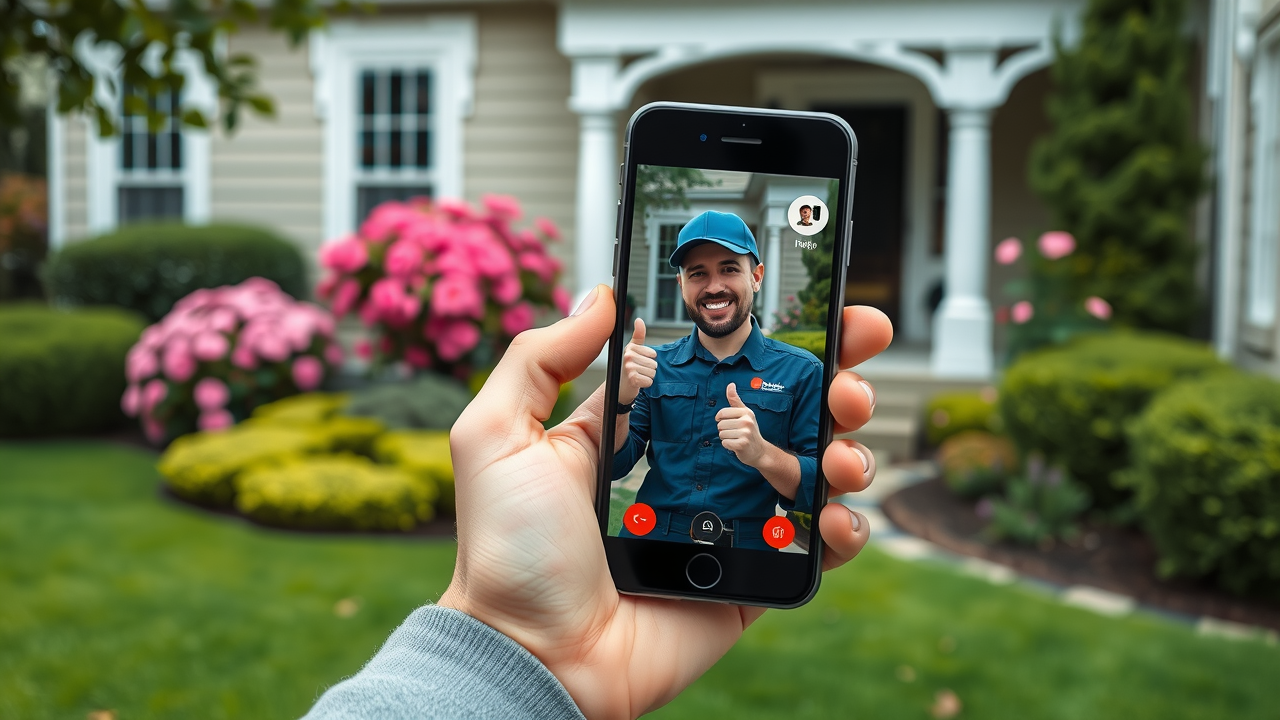
Key Takeaways: Rockdale County Water Line Replacement

  • Timely water line replacement protects your family's health and home value.

  • Responsibility is shared: the County maintains pipes to your meter, but you own everything beyond it.

  • No amount of lead is safe in drinking water, especially for kids and pregnant women.

  • Regular inspections, lead testing, and working with trusted Rockdale plumbers are the best safeguards.

  • Check the Rockdale Water Resources website for ongoing replacement projects and tips.

  • If you're not sure where to start, ask for a free quote or inspection from a trusted Rockdale plumbing service. They can guide you step by step!

Rockdale County Water Line Replacement FAQs

Are there any famous people from Rockdale County?

Answer: Yes, Rockdale County has been home to several notable individuals, including Grammy-winning singer Monica and Academy Award-winning actor Holly Hunter.

What services does Rockdale Water Resources offer?

Answer: Rockdale Water Resources provides comprehensive water and sewer service, water line repair and replacement, water quality monitoring, billing, and support for Rockdale residents.

Where does Rockdale County water come from?

Answer: Rockdale County's water is sourced from local reservoirs and is treated at county-operated water treatment facilities to meet all state and federal quality standards.

Who is responsible for water service lines in Rockdale County?
The County manages the public portion, but homeowners are responsible for pipes from the meter to their home's interior.

How do I know if I need water line replacement?
Look for discolored water, low pressure, frequent leaks, or test for lead—especially in older homes.

Is my water safe to drink during a water line replacement project?
Yes, but always ask your contractor or the County about possible disruption or temporary precautions during work.

How can I test my water for lead or other contaminants?
Contact a state-certified lab or use an EPA-recommended lead test kit; details can be found through Rockdale Water Resources.

Water Line Replacement News in Rockdale County

Take Charge of Your Rockdale County Water Line Replacement

  • Rockdale County water line replacement is a vital service that preserves community health and home value.

  • Empowered Rockdale residents are safer when they proactively address water and sewer service concerns.

  • Don't wait—trust local Conyers plumbing services for professional assessments and timely action on water service and sewer service line issues.

Additional Reading and Rockdale County Resources for Conyers Residents

To ensure you have the most accurate and current information regarding your home's plumbing, check out the Lead and Copper Rule Revisions (LCRR) Program, which details Rockdale Water Resources' compliance with new federal requirements meant to reduce lead exposure in your drinking water. For ongoing official updates, services, and contacts, visit Rockdale Water Resources, your primary resource for water quality monitoring and water line replacement projects in the County.

Suppose you're serious about safeguarding your family's health and staying ahead of infrastructure issues related to Rockdale County water line replacement. In that case, these resources will give you timely guidance and essential local support.

Need Plumbing Help You Can Trust? Call Anthony Wimpey Plumbing Today!

Don't take chances with your home's water safety. For quick inspections, expert water line replacement, residential water line repair, or answers to all your plumbing services in Rockdale questions, contact Anthony Wimpey Plumbing. We are water line installation contractors, and our experienced plumbers are ready for your Conyers water line replacement project. For 30 years, we have been your friendly, local neighborhood plumbing pro in Rockdale County, GA.

Community

0 Comments

Write A Comment

*
*
Related Posts All Posts
02.24.2026

Residential Roof Replacement in Houston: Costs, Materials & Tips

Beyond the Storm: Why 60% of Houston Roofs Fail Prematurely (and How to Save Yours)According to the Regional Roofing Association, “In Houston, more than 60% of premature roof failures are linked to material selection and install timing — not storm events.” That means countless homeowners lose thousands of dollars to avoidable mistakes each year when replacing roofs in the Houston area. This article investigates why residential roof replacement in Houston demands a thoughtful approach, exploring everything from climate stressors and material choices to budgeting, contractor selection, and insurance realities. If you’re considering replacing your roof, these insights could save you money and ensure lasting protection for your home.Startling Facts: Why Residential Roof Replacement in Houston Demands Special AttentionResidential roof replacement is a major home improvement investment. In Houston, the stakes are even higher due to unique weather patterns and local construction challenges. The city’s combination of intense heat, high humidity, sudden hailstorms, and hurricane-force winds puts tremendous strain on roofing systems. Many homeowners believe storm damage is the primary culprit behind roof failures. Yet, as reviewed in the introduction, most accelerated roof deterioration in Houston actually stems from wrong material selection and poorly timed roof installation—critical mistakes that are entirely avoidable with the right information.Homeowners in this region must be vigilant in understanding how Houston’s climate both accelerates normal roof wear and makes some common roofing materials less suitable. This section highlights the importance of carefully planning every stage of a roof replacement project in Houston: from evaluating roof size, slope, and existing roof condition, to factoring in labor costs and selecting the best contractor. Failing to address these local variables frequently leads to costly repairs well before a roof has reached its intended lifespan. By knowing what makes Houston roof replacement so unique, homeowners can confidently navigate upcoming projects, minimize risks, and maximize their investment’s longevity.Homeowners in Houston inspect a weathered roof—where heat, humidity, and material choice can make all the difference.“In Houston, more than 60% of premature roof failures are linked to material selection and install timing — not storm events.” – Regional Roofing AssociationWhat You’ll Learn About Residential Roof ReplacementThe unique climate challenges for residential roof replacement in HoustonCommon and costly mistakes in roof replacement projectsHow roof replacement cost varies based on roof size, roofing material, and labor costsStep-by-step guidance for planning and budgeting a successful residential roof replacementHow to choose the best roofing materials and contractorsRealistic expectations for roof lifespan and insurance claimsUnderstanding Residential Roof Replacement Versus Roof RepairMany Houston homeowners struggle with the decision of whether to pursue roof repair or commit to a full residential roof replacement. While roof repairs can temporarily solve localized roof damage or extend the service life of a relatively sound roof, there is a tipping point where repeated repairs become more costly than a complete replacement. Roof size, age, leakage patterns, and the nature of roof damage all influence this decision.Houston’s unpredictable weather complicates the integrity of patchwork repairs. Problems like water damage, weakened supports, or warped underlayment may not be visible until significant harm is done. A new roof not only eliminates these ongoing risks but also allows for improved energy efficiency and longer-term protection. Understanding when to move from roof repair to a full replacement is key for maximizing home value and avoiding future emergency costs.Recognizing When to Replace a Roof Instead of Opting for Roof RepairThere are telltale signs indicating that roof repair is no longer sufficient for addressing a damaged roof. If you notice widespread shingle curling, persistent leaks despite recent repairs, sagging areas on the roof surface, or granule loss from asphalt shingles accumulating in gutters, these point toward the need for a full roof replacement. In Houston, the timing for replacing your roof can be critical, especially after exposure to storm events, hail, or periods of high humidity, which can rapidly degrade roofing materials.Full residential roof replacement may also be the better, more cost-effective long-term choice when a roof is near the end of its intended lifespan, typically 15–25 years for shingle roofs and up to 50 years for metal or tile. Unresolved water damage, recurring leaks, and multiple areas requiring patchwork often signal that investing in continued roof repairs isn’t practical. Houston’s frequent hail and wind events, combined with constant exposure to extreme heat, increase the likelihood of an existing roof reaching this tipping point sooner than in milder climates.Professional inspectors in Houston check for deeper damage beneath surface-level wear—key for smart roof replacement decisions.Signs your roof repair won’t prevent future problemsWhen roof replacement is more cost-effective than roof repairsHouston-specific factors: storm damage, hail, wind, and humidityRoof Replacement Cost: Breaking Down the NumbersThe roof replacement cost in Houston can vary significantly based on several key factors: roof size, roofing material, labor costs, roof pitch, and the contractor’s level of expertise. The average cost to replace a roof in Houston is generally higher than the national average due to local climate pressures and higher demand for skilled labor after major storms. Understanding how these elements interact helps homeowners set realistic budgets and avoid unpleasant financial surprises during their roof replacement project.Whether your roof size is modest or substantial, or you’re choosing classic asphalt shingles versus a more durable metal roof, every detail—from roofing material to specialized labor costs—affects your final invoice. This section arms you with essential data, allowing you to benchmark quotes from local roofing companies and recognize when a figure is far outside typical Houston replacement costs. The following table breaks down common expenses associated with roof replacement projects in Houston across popular material options.Average Roof Replacement and Repair Costs in Houston (2025)Roofing MaterialRoof Size (sq ft)Avg. Replacement CostAvg. Repair CostLabor Costs (est.)Asphalt Shingles2,000$8,000 – $13,000$500 – $2,500$2.50 – $4.00/sq ftMetal Roof2,000$16,000 – $25,000$900 – $3,500$4.00 – $7.50/sq ftTile2,000$18,000 – $30,000$1,000 – $4,500$6.00 – $10.00/sq ftFactors Impacting Roof Replacement Cost in HoustonSeveral critical factors can either increase or decrease the roof replacement cost in Houston. The type of roofing material—asphalt shingle, metal, tile—plays the most significant role in determining the price. Asphalt shingles remain the most common roofing material due to their lower upfront cost, but they may not always offer the longest service life in Houston’s climate. Metal and tile roofing, while more expensive, offer better durability against heat and storms. Other cost variables include the size and pitch of the roof, with steeper or more complex designs requiring greater labor and potentially specialized equipment.Labor costs in the Houston area can also fluctuate depending on demand. Following hurricanes or storms, prices for skilled labor and materials often spike. Additionally, trusted roofing contractors with a proven record of quality installation may charge more, but their expertise often translates into fewer problems and repair expenses down the line. Don’t forget to account for the removal and disposal of old roofing materials—a step often overlooked when calculating full replacement costs.Roofing material choices: asphalt shingle, metal, tileLabor costs in the Houston areaRoof size and pitchRoofing contractor experienceRemoval/disposal of old roofing materialsCalculating Roof Replacement Cost Per Square FootUnderstanding the per-square-foot roof replacement cost helps map out total project expenses, especially when comparing bids from different roofing companies. In Houston, asphalt shingle roofs typically range from $4 to $7 per square foot, factoring in both materials and labor. For a metal roof, the costs are usually higher—$8 to $14 per square foot—while tile can range from $9 up to $16 per square foot, depending on tile type and color choices. These figures increase for steep, complex, or multistory roofs, as extra labor and safety precautions are required.To accurately calculate your expected residential roof replacement cost, measure your roof’s square footage (length x width for each plane), add up the total, and multiply by material/labor rates. Always request itemized proposals breaking out costs for materials, labor, permits, and removal of the existing roof; this transparency helps prevent hidden charges or misunderstandings that can arise during your roofing project.Reviewing bids side-by-side allows homeowners to compare square footage pricing and discover where each dollar goes.Houston Climate Pressures: How Weather Influences Residential Roof ReplacementHouston's distinctive climate poses some of the toughest challenges for residential roof replacement nationwide. The city’s relentless heat and high annual humidity levels work together to degrade common roofing materials faster than in cooler, drier regions. Frequent severe weather—such as thunderstorms, high winds, and hail—further stress the roof system, testing its ability to withstand both sudden impacts and long-term exposure.This harsh environment makes it essential for homeowners and roofing contractors to carefully consider the suitability and lifespan of different roofing materials. Asphalt shingles, for example, can soften and lose granules quicker under Houston’s direct sun, while metal roofs may perform better against heat but can be vulnerable to denting from hail. Tile and slate, though more resistant to heat, demand proper underlayment and support to counter heavy seasonal rain and shifting temperatures. Selecting a roof replacement option solely on price or appearance—without factoring in local weather—can result in a roof that fails prematurely, leading to higher replacement costs and constant repairs.Roofs in Houston combat a constantly shifting blend of humidity, storms, and sun—demanding climate-smart material choices.Heat, humidity, and storm frequencyMaterial suitability for Houston’s climateRoofing material lifespans and vulnerability to local conditionsSelecting the Right Roofing Material for Houston HomesPicking the right roofing material is central to a successful residential roof replacement in Houston. The most common local options include asphalt shingles, metal, and tile. While affordability plays a role, it is crucial to evaluate each material’s proven performance under the city’s challenging conditions before making a final decision. The wrong choice can leave a home vulnerable to water damage, excessive heat transfer, and accelerated wear, especially if the home has a large roof size or complex design elements.Considerations such as expected roof lifespan, maintenance requirements, and compatibility with the architectural style of the home all influence this decision. An experienced roofing contractor will help homeowners weigh these variables, but informed consumers should understand the key characteristics, pros, and cons of each material in Houston’s environment.Popular Roofing Materials: Asphalt Shingles, Metal, Tile, and MoreAsphalt shingles are the most common roofing material in Houston, favored for their low installation cost and relatively simple repair process. However, they risk softening and granule loss under the city’s high temperatures and are less durable in hailstorms. Metal roofs provide strong resistance to heat, wind, and rain, offering an appealing modern look and up to 50 years of protection. Their drawbacks include higher upfront expense and the potential for cosmetic dents from hail. Tile and slate, while pricey, excel in heat management and longevity, but require reinforced structures due to their weight.Other roofing materials occasionally seen in Houston include wood shake and specialty composites, though these are less common and often more vulnerable to moisture or fire risk. For any material, curb appeal and maintenance must be balanced with performance in the local climate. Consulting with reputable roofing contractors helps ensure the end result matches both the aesthetic and durability needs of the homeowner.Diversified roofing materials let Houston homeowners weigh pros, cons, and suitability—before making a replacement choice.Pros and cons of each roofing material in HoustonAsphalt shingle performance under heat and stormsDurability, maintenance, and appearance considerationsHow Roofing Materials Impact Roof Replacement Cost and LifespanThe choice of roofing material directly influences both the cost and expected lifespan of a residential roof replacement. Asphalt shingles, as the most affordable solution, typically last 15–25 years depending on thickness and installation quality. Metal roofs, while carrying higher initial costs, are valued for their longevity (often up to 50 years) and excellent storm resistance. Tile and slate materials, the most expensive options, can serve for 40–75 years, but are best suited for homeowners prepared to make a substantial investment and handle added roof structure requirements.Long-term costs stem not just from installation but from ongoing maintenance and repairs. Homeowners should assess the total cost of ownership—factoring in Houston’s climate—when deciding. Cheaper roofing material may lead to frequent repairs and earlier full replacement, proving more expensive over time. Quality installation by experienced roofing contractors is just as crucial as material selection, as flaws in installation are a leading cause of premature roof failure.Key Mistakes Homeowners Make in Residential Roof ReplacementEven the most diligent homeowners can make costly errors during the roof replacement process. Chief among these is underestimating the full cost of a new roof, often by overlooking labor, disposal, or permit expenses. Other pitfalls include hiring the wrong roofing contractor—whether due to haste, lack of research, or chasing the lowest bid. Failing to account for Houston’s specific climate risks, scheduling replacements at susceptible times (like peak hurricane season), or skimping on proper attic ventilation and insulation are common mistakes that may lead to water damage, energy inefficiency, or early failure.Prioritizing the lowest upfront replacement cost over long-term durability usually ends up costing more in ongoing repairs and early re-roofing. Homeowners are advised to ask potential contractors about material suitability, ventilation strategies, and hidden fees. Choosing established, transparent professionals is a critical safeguard.Underestimating replacement costsChoosing the wrong roofing contractorIgnoring climate-specific needsPoor timing (seasonal issues)Inadequate ventilation and insulation"Homeowners often regret not considering Houston’s humidity and storms when choosing roofing materials, leading to avoidable early replacement." — Local Roofing ExpertRoof Replacement Costs: Budgeting, Insurance, and Financing OptionsFor many Houston families, the roof replacement cost exceeds what they have in available cash savings. Accurate up-front budgeting is essential for avoiding delays, scaled-back work, or using inferior roofing materials. Homeowners should start by requesting itemized estimates from multiple roofing companies, asking for a breakdown of labor costs, material pricing, replacement costs per square foot, and removal of the existing roof. Factor in local permit fees and the potential for unforeseen costs, such as structural repairs if roof damage is more severe beneath the surface.Securing adequate insurance coverage and exploring legitimate financing programs can make the financial side of a residential roof replacement less daunting. Houston offers several local resources—both through city partnerships and private lenders—that can spread payments over time, making even a high-quality metal or tile roof accessible to a broader range of homeowners.Planning for Replacement Costs and Avoiding Surprise ExpensesAvoiding surprise expenses during a residential roof replacement requires careful advance planning. Key steps include measuring your roof’s square footage, selecting a suitable roofing material, and building in an extra 10–15% contingency for unexpected repair needs discovered once old materials are removed. Transparent communication with your roofing contractor helps eliminate misunderstandings about what’s included (and not included) in your estimate.It’s also wise to ask about cost-saving strategies, such as scheduling the project in slower seasons when labor costs may be lower, or sourcing roofing materials directly. Reviewing all insurance documentation ahead of time ensures homeowners understand out-of-pocket expenses and what, if anything, their policy will contribute due to roof damage.Discussing roof project budgets upfront can prevent financial surprise halfway through replacement in Houston.Navigating Insurance Claims for Residential Roof ReplacementUnderstanding the details of your home insurance policy is critical if your roof replacement stems from storm or accidental roof damage. Insurance typically covers sudden loss (like hail or windstorm), not gradual wear and tear. Photographic documentation before and after severe weather, as well as thorough inspection reports from trusted roofing contractors, improve claim approval odds. If your claim is denied or only partially covered, collecting comparisons from other roofing companies can help argue for a more accurate replacement cost valuation.Experienced Houston contractors often assist with insurance claim documentation—ensuring that adjusters understand the storm-specific conditions and full scope of the roofing project. If you encounter hurdles, local consumer protection agencies and public adjusters can advise on next steps. Never start major roof replacement work until claim eligibility and homeowner reimbursement are confirmed to avoid expensive out-of-pocket surprises.Available Houston Financing Programs and Payment OptionsNumerous financing solutions exist for residential roof replacement in Houston. Homeowners can pursue low-interest loans, zero-interest promotions from established Houston roofing companies, or specialty lending programs for energy-efficient roof upgrades. Some city and state initiatives offer assistance for storm-hardening upgrades, which make homes more resilient to future events. Major lenders occasionally partner with local contractors, bundling loans directly into your roofing project agreement; inquire about eligibility, rates, and repayment schedules before committing.As with any substantial home improvement, comparison shopping is key. Match your project to your comfort with monthly payments and always scrutinize the terms. Reputable roofing contractors will explain realistic timelines and help structure payments to fit your family’s budget—never trust any provider pushing nontransparent pricing or rushed signatures.Choosing a Roofing Contractor: What Houston Homeowners Must KnowChoosing the right roofing contractor for your residential roof replacement is a decision that impacts every aspect of your project’s success. In Houston, homeowners should prioritize licensed, insured professionals with a track record of satisfied clients and experience with local weather challenges. Reputation and local knowledge frequently distinguish excellent providers from those who leave jobs half-completed or use unsuitable roofing materials.Key actions before signing any agreement include checking online reviews, verifying state and local business licensing, and requesting proof of insurance. Ask detailed questions about their approach to roof replacement cost estimates, material recommendations based on Houston climate, and whether they guarantee labor quality for a set period. Be wary of high-pressure sales, vague proposals, or reluctance to provide references.Licensing, insurance, and reputation in the Houston areaQuestions to ask before signing a contractWarning signs of a poor roofing contractorWorking with local contractors for faster response and local expertiseChecking credentials and reputation ensures you hire a professional roofing contractor prepared for Houston’s unique pressures.Timing Your Residential Roof Replacement: When Is Best in Houston?Timing plays a crucial role in the success and replacement cost of your new roof in Houston. Most roofing companies agree that spring and fall present the ideal weather windows: temperatures are mild, humidity is manageable, and major storms are less likely. Scheduling during these periods allows for smoother installations, lower labor costs, and minimal risk of weather-related project delays. On the other hand, replacing your roof during hurricane season or extreme summer heat exposes crews to safety hazards and increases the odds of rushed, less precise installations.Some homeowners may benefit from winter replacements when demand is lower—potentially lowering labor costs or securing more flexible scheduling—but they must balance these advantages with the risk of cold snaps and rain. Understanding Houston’s year-round climate patterns, and planning your residential roof replacement accordingly, helps preserve your investment and minimize disruption to daily life.People Also Ask: Common Questions on Residential Roof Replacement CostWhat's the average cost of a new roof on a home?Average residential roof replacement costs by material and roof size, typical Houston price ranges, and labor costs explained.In Houston, average roof replacement cost for a standard 2,000-square-foot home is typically between $8,000 and $13,000 for asphalt shingles, $16,000 to $25,000 for a metal roof, and $18,000 to $30,000 for tile. These figures include material and labor costs (roughly $2.50 to $10 per square foot, depending on material), and removal of the existing roof. Labor costs can spike after major storms when demand increases. If you have a larger roof size or complex design, expect to pay proportionally more.What is the average cost of a new roof in Colorado?Regional comparison: Houston vs Colorado roof replacement cost, with climate and material differences.The average roof replacement cost in Colorado for a 2,000-square-foot home is generally $7,000–$12,000 for asphalt shingles, slightly below Houston due to milder weather and less severe humidity. However, hail-prone areas in Colorado may require heavier-duty roofing materials, which increase total costs. Houston’s climate—marked by humidity, storms, and heat—necessitates more robust material choices or faster turnaround on full replacement, which can add to average costs when compared to Colorado roof replacement projects.What is the average cost of a new roof in Arkansas?Overview of roof replacement costs in Arkansas, and why Houston’s climate increases costs or changes material options.In Arkansas, roof replacement cost for a similar sized house usually ranges from $6,500 to $11,000 with asphalt shingles as the most common roofing material. Labor costs and material pricing are more moderate compared to Houston. Houston’s heat, humidity, and frequent need for impact- and water-resistant materials often result in higher base replacement costs, as well as stricter requirements for attic ventilation and installation methods. That’s why roofing contractors in Houston customize material recommendations more heavily than those in Arkansas.How much does it cost to replace a 2000 sq ft roof?Cost breakdown for a 2,000 square foot residential roof replacement in Houston, including asphalt shingles and alternative roofing materials.Houston homeowners should expect to pay $8,000 – $13,000 for a standard asphalt shingle roof replacement on a 2,000-square-foot home (about $4 – $7 per square foot). Upgrading to a metal roof typically increases costs to $16,000 – $25,000, while tile or slate can push totals up to $30,000 or more. Full replacement cost includes removing the existing roof, underlayment, flashing, labor costs, and debris disposal. Always ask your roofing company for a detailed breakdown covering the specific square footage and roofing material chosen.FAQs on Residential Roof ReplacementHow often should you replace your roof in Houston? Most asphalt shingle roofs require replacement every 15–25 years in Houston, but intense heat and storms may necessitate earlier action. Metal or tile can last much longer with proper maintenance.What signs mean roof repair is no longer sufficient? Persistent leaks, widespread shingle curling or cracking, sagging areas, and visible water damage inside the home suggest replacement is needed rather than roof repairs.How does roof size impact replacement costs? Larger roofs increase both material and labor costs. Contractors base estimates on total square footage, with complex roof designs typically amplifying installation expenses.What are the warning signs of improper roof installation? Visible gaps, missing flashing, uneven shingle courses, poorly installed ridge cap, and quick recurrence of leaks are major red flags indicating a substandard roofing job.Key Takeaways for Houston Homeowners on Residential Roof ReplacementHouston’s climate demands careful roof replacement planningMaterial selection and contractor choice are crucialBudget for roof replacement costs, insurance, and timingAvoid the most common homeowner mistakesA Houston Example: Implementing Best Practices for Residential Roof ReplacementFor Houston homeowners seeking reliable residential roof replacement, local companies like Kainos Roofing & Exteriors are known for thorough inspections and transparent planning. Choosing a well-established Houston contractor ensures the guidance in this article leads to a long-lasting, climate-specific roof system.With Houston’s complex climate and construction demands, informed planning and attention to local requirements are the difference between long-term protection and costly roof replacement mistakes.

02.23.2026

Unprecedented Freeze in Bay Area, Northeast Battles Historic Blizzard

Update A Chilly Evening for Tampa Bay: Freeze Warning in EffectAs we settle into the evening of February 23, 2026, a freeze warning stretches across most of the Bay Area, reminding residents to prepare for unusually cold weather. Temperatures are expected to dip into the 20s and 30s overnight, with some areas feeling even cooler due to wind chill. The coastal regions from Pasco County southward will be less affected, but inland communities should brace for harsh conditions as the cold front sweeps through. The Response to Cold Weather: Cold Weather Shelters Open UpIn response to the biting cold, local officials are opening cold weather shelters, ensuring that those in need have a warm place to stay. As the temperatures drop, it's vital for community members to check on vulnerable neighbors, especially those without stable housing. These shelters are a crucial resource, providing meals and warmth during this chilly snap, and they reflect the community’s commitment to caring for everyone in times of need. A Dodged Snowstorm: Northeast Faces Winter FuryMeanwhile, a powerful snowstorm is wreaking havoc in the Northeast, trapping millions indoors and leading to widespread travel disruptions from New Jersey to Maine. This unprecedented winter storm is expected to drop significant snowfall, with some parts forecasted to receive up to three feet of snow. As blizzard warnings expand, so do travel bans, making commuting nearly impossible and causing closures of schools and businesses. Weather patterns show that the storm causing chaos in the Northeast has its origins in recent systems that slammed California, demonstrating the interconnectedness of weather events across the country. Meteorologists are declaring this a 'bomb cyclone,' significantly intensifying and worsening conditions for those caught in its path. Federal Aid and Community Resilience: Hurricane Recovery in PinellasAmid these weather challenges, there's also encouraging news on the recovery front. Pinellas County officials remind residents that federal funding for hurricane recovery remains accessible. Following last fall's devastating storms, the $813 million in community block grant funding is aimed at bolstering resilient recovery efforts. It’s a chance for communities to rebuild stronger and prepare for future weather adversities. Winter Preparations and Community SpiritAs we witness nature’s extremes, it underscores the importance of community support and preparedness. Now is the time for families and individuals to take proactive steps, whether it’s by securing adequate home heating or participating in local shelter efforts. On the fun side, the upcoming Florida Strawberry Festival in Plant City stands as a beacon of local optimism, showcasing the community’s resilience and the vibrant culture of the Bay Area amidst environmental challenges. As residents navigate both chilly nights in Florida and historic snowstorms up north, it brings to light the varying experiences weather can unleash across the nation. Each region must adapt to its unique climate challenges while fostering a strong community spirit.

02.22.2026

The Shooting at Mar-a-Lago: Implications for Security Measures

Update Understanding a Serious Incident at Mar-a-Lago In a shocking turn of events on February 22, 2026, U.S. Secret Service agents shot and killed an armed man after he breached the secure perimeter of Mar-a-Lago, the Florida residence of former President Donald Trump. The incident not only raised immediate concerns about security but also sparked a broader discussion around the adequacy of protection measures surrounding high-profile figures in America. What Happened? A Timeline of Events On the day of the incident, the man approached the gated entrance of Mar-a-Lago, where he engaged in a confrontation with security personnel. Witnesses reported hearing gunshots, which led to widespread panic among nearby residents and tourists. The alarming breach forced a lockdown at the estate while law enforcement officials arrived on the scene to investigate. Reports suggest that the individual had armed intentions, which ultimately led to the tragic outcome. Security Protocols and Measures: Are They Enough? This incident has initiated a profound conversation about the effectiveness of security measures at private residences of former presidents. While Mar-a-Lago functions as a club and venue for events, its status as a home for a former U.S. leader heightens the need for robust security. Critics argue that more stringent protocols should be established to protect both the individuals residing there and the public in the vicinity. As seen in past instances of attempted breaches, complacency can lead to dangerous situations. Implications for Public Safety and Political Figures The ramifications of armed confrontations at high-profile locations extend beyond immediate crises; they can usher in policy changes that influence the protection of public figures. After the shooting, there have been calls for a review of the safeguards implemented by the Secret Service and local authorities. Enhanced training and updated threat assessment protocols have been suggested to prepare agents for various scenarios, mitigating potential risks before they escalate. Public Reaction: Fear and Outrage The public's response to the shooting incident has been mixed. On social media, discussions have quickly polarized, with some condemning the need for such drastic measures while others argue it was a necessary action in defense of security. Many local residents expressed feelings of fear; the notion of violence occurring so close to their homes raises anxieties about their safety. It’s reflective of a broader societal concern regarding gun violence, calling into question what measures should be taken to protect communities from gun-related incidents. What Comes Next? Future Security Considerations Looking ahead, this incident serves as a crucial point for dialogue surrounding the protection of public figures and the broader implications for civil safety. As law enforcement agencies review protocols, there's hope that proactive measures will be adopted in the future. Moreover, the event has underscored the importance of balancing security needs with the rights of individuals, a complex topic that requires careful consideration. The tragic outcome is a reminder that heightened security should go hand in hand with thoughtful implementation to ensure the public's well-being. Conclusion: The Call for Increased Awareness In light of this tragic incident, it is essential for both the public and policymakers to engage in constructive dialogue about security practices, gun violence, and measures to foster community safety. As conversations unfold, it becomes crucial that citizens remain informed, participating in discussions that shape the future of not only security protocol but also public policy enhancements to that end.

Terms of Service

Privacy Policy

Core Modal Title

Sorry, no results found

You Might Find These Articles Interesting

T
Please Check Your Email
We Will Be Following Up Shortly
*
*
*