

Did you know that over 55% of U. S. consumers have listened to a podcast in the last month? Podcast equipment setup isn't just a technical hurdle—it's your business's megaphone to thousands of potential clients.
Podcast Equipment Setup: Why Getting It Right Drives Growth
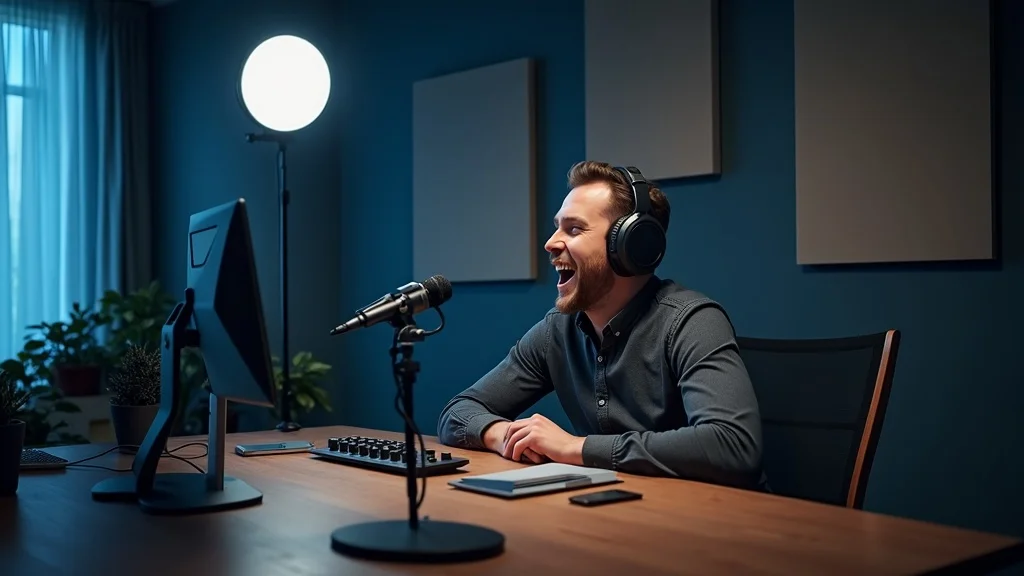
For business owners eager to scale, a professional podcast equipment setup can be a game changer. Your studio isn’t just a recording space – it’s a branded platform that amplifies thought leadership, connects you with your audience, and opens new marketing channels. Whether you’re producing a solo podcast episode, hosting guest interviews, or launching a video podcast, flawless audio quality and consistent sound are what distinguish your content from the competition. In an era where anyone can start a podcast, the businesses standing out are those investing in the right gear from day one.
When you nail your podcast studio setup, you not only prove your commitment to sound quality but also create a recording environment that reduces background noise and technical errors. Quality equipment (like a well-chosen USB microphone, XLR mic, or properly engineered audio interface) is about more than just sound—it shapes your brand’s authority. Additionally, with more listeners tuning in via live stream and video podcast platforms, integrating a podcast camera and advanced monitoring elevates your reach and reputation.
-
What You'll Learn In This Guide About Podcast Equipment Setup
- Essential components of a podcast equipment setup
- How to choose between USB mic and XLR microphone options
- Best practices for podcast studio acoustics
- Step-by-step podcast recording processes
- Tips for selecting editing software and audio interface
- Live stream and video podcast integration
- Cost and ROI expectations for podcast equipment
"Did you know that over 55% of U.S. consumers have listened to a podcast in the last month? Podcast equipment setup isn't just a technical hurdle—it's your business's megaphone to thousands of potential clients."
Defining Your Podcast Equipment Setup Goals as a Business
Before you buy that shiny new audio gear, it’s vital to align your podcast equipment setup with your business objectives. Ask what you want your podcast to achieve: Is it to grow brand awareness? Attract new clients? Build a community or train your team? Understanding your goals will help you decide whether to invest in advanced equipment or start with a lean setup and scale as your podcast grows.
Not all businesses need a Hollywood-grade studio at launch, but every business does need clarity about its podcast’s mission. For example, businesses prioritizing interview-based podcasts may benefit most from multiple input mixers, professional headphones, and high-quality microphones (XLR or USB). On the other hand, businesses leveraging video podcast content or live stream integrations will want to budget for a quality podcast camera and proper lighting to ensure video quality matches audio excellence.
How a Professional Podcast Studio Enhances Brand Authority
A professional podcast studio signals to clients, partners, and industry peers that your brand takes its content seriously. High-fidelity sound, reliable podcast recording software, and a well-treated space not only boost listener engagement but make it easier to attract top-tier guests and sponsors. Many successful businesses attribute part of their growth to the trust and visibility built through great podcasts with professional production values.
Assessing Your Needs: In-House Podcast Studio vs. Outsourcing
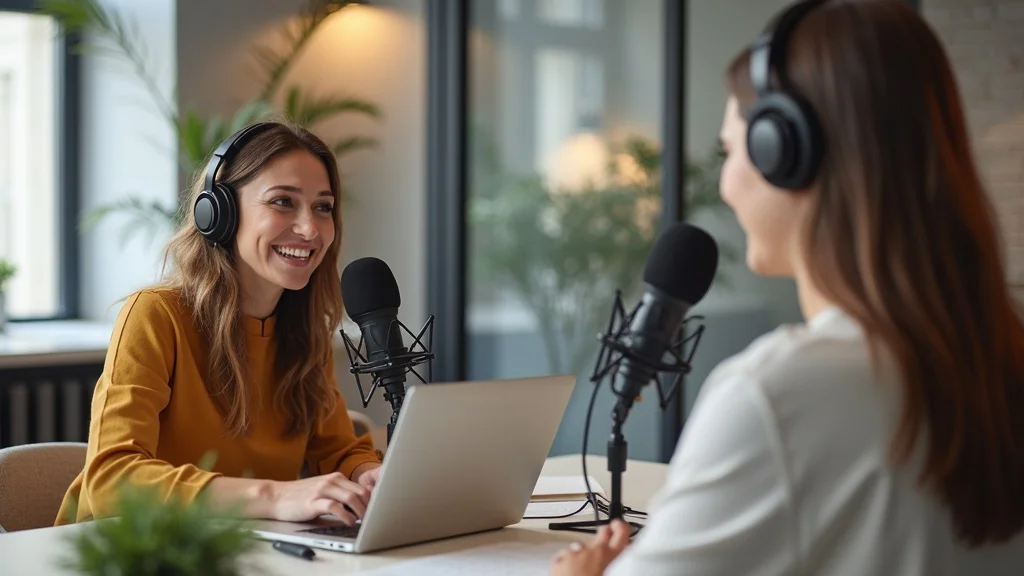
Should you build an in-house podcast studio or outsource your recording and editing? This decision depends on budget, time, and the strategic importance of podcasting in your marketing mix. An in-house studio gives you flexibility and immediate control over recordings, allowing rapid content responses and brand consistency. Outsourcing, on the other hand, minimizes learning curves and simplifies operations but may limit custom branding or rapid iterations.
Consider the scale of your podcast: frequent episodes (especially for serial content or video podcasts) often justify the upfront cost of an in-house setup. Outsourcing is viable for businesses just starting out or with minimal internal resources but keep in mind that managing your core podcast equipment in-house ensures you can maintain sound quality and brand standards across every podcast episode.
As you refine your podcasting strategy, it's worth noting that integrating other digital marketing channels can further amplify your reach. For example, leveraging proven tactics from effective SMS marketing can complement your podcast efforts and help drive audience engagement across multiple platforms.
Podcast Equipment Setup Essentials: Building the Foundation
Each piece of your podcast equipment setup plays a supporting role in delivering a clear, consistent sound and a memorable listening experience. Let’s explore the essential podcast equipment you’ll need, whether you’re recording solo shows, business interviews, or creative video podcasts.
Podcast Microphone Selection: USB Mic vs. XLR Microphone
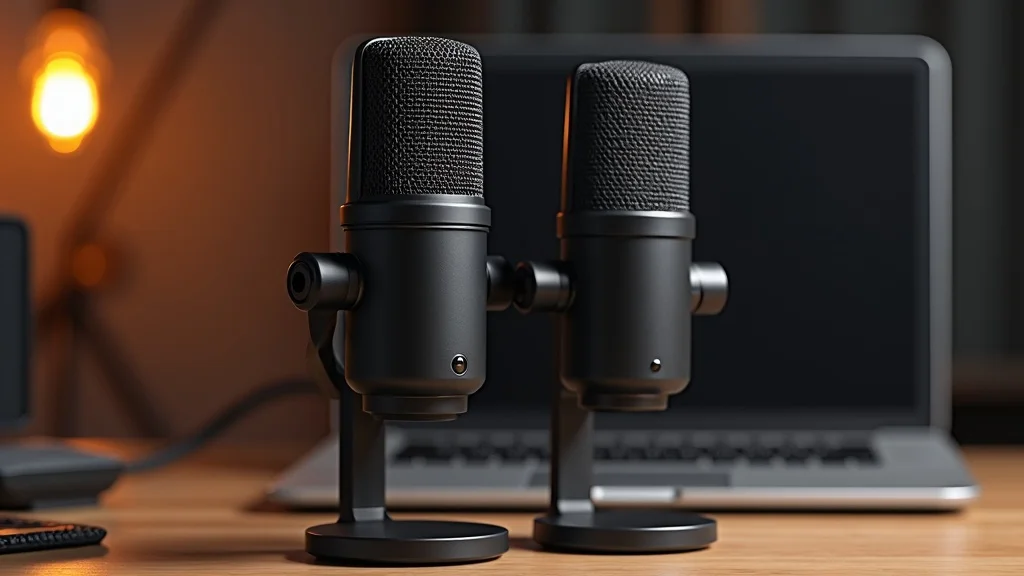
The first decision for most podcasters is choosing between a USB mic and an XLR microphone. A USB microphone like the Blue Yeti connects directly to your computer via a USB cable, offering plug-and-play simplicity and solid audio quality for beginners and solo hosts. For advanced sound quality and flexibility—especially when multiple hosts or guests are involved—an XLR microphone paired with an audio interface is the recommended choice. The XLR mic captures a broader dynamic range and is less prone to computer-induced interference, making it the gold standard for professional podcast studios.
When making your selection, consider your recording environment and workflow. USB mics are perfect for mobile or home setups where you want minimal technical barriers. An XLR mic, by contrast, is better for a permanent podcast studio and is future-proof for upgrades. Investing now means fewer compromises later, especially as your podcast grows in ambition and size.
Podcast Headphones & Monitoring: Wired Headphones or Bluetooth?
Podcast headphones play a bigger role than you might think. Wired headphones offer zero latency, ensuring you and your guests only hear pure, uninterrupted sound—crucial for avoiding feedback or echo during podcast recording. Bluetooth headphones may be convenient for casual listening, but their audio delay can be distracting and problematic for precise recording or live stream work. Most industry experts stick with wired headphones for monitoring, as they guarantee you’re catching subtle background noise and maintaining top-tier sound quality.
For optimal results, select closed-back headphones to dampen room sounds, avoid audio bleed into your microphone, and focus on every nuance of the podcast episode. Remember: good monitoring is the secret weapon of a great podcast, helping you catch issues early so your editing software workload is lighter during post-production.
Pop Filter & Boom Arm: Small Upgrades That Make a Difference
Never underestimate small upgrades like a pop filter and boom arm. A pop filter is an affordable mesh screen placed in front of your podcast microphone to stop plosive sounds (like ‘p’ and ‘b’) from distorting the audio recording. Meanwhile, a boom arm securely positions your mic at any angle, removing desk rumble and allowing you to maintain consistent vocal positioning.
These simple additions to your podcast equipment setup directly increase audio quality, reduce background noise, and create a more professional studio look—especially important if you’re developing a video podcast. Some podcasters opt for a foam windscreen or combine it with a pop filter for maximum clarity and control.
| Equipment | Pros | Cons | Ideal Use |
|---|---|---|---|
| USB Microphone | Easy setup, affordable, good for solo hosts and mobile podcasting | Limited upgrade potential, can pick up computer noise | Beginner podcasters, remote teams |
| XLR Microphone | Superior sound quality, scalable, works with mixers/audio interfaces | Requires extra hardware (audio interface), higher cost | Professional podcast studios, multi-host shows |
| Podcast Camera | Essential for video podcast and live stream, enhances content for YouTube/social | Requires lighting, higher technical skill, adds to setup complexity | Video podcasts, branded marketing, webinars |
Podcast Equipment Setup for Quality Podcast Recording
Achieving consistent, studio-grade audio recording is more than picking the right podcast equipment—it’s about creating an environment where every episode shines. Let’s dive into three critical components for high-quality podcast recording.
Podcast Studio Acoustics: Soundproofing and Acoustic Treatment
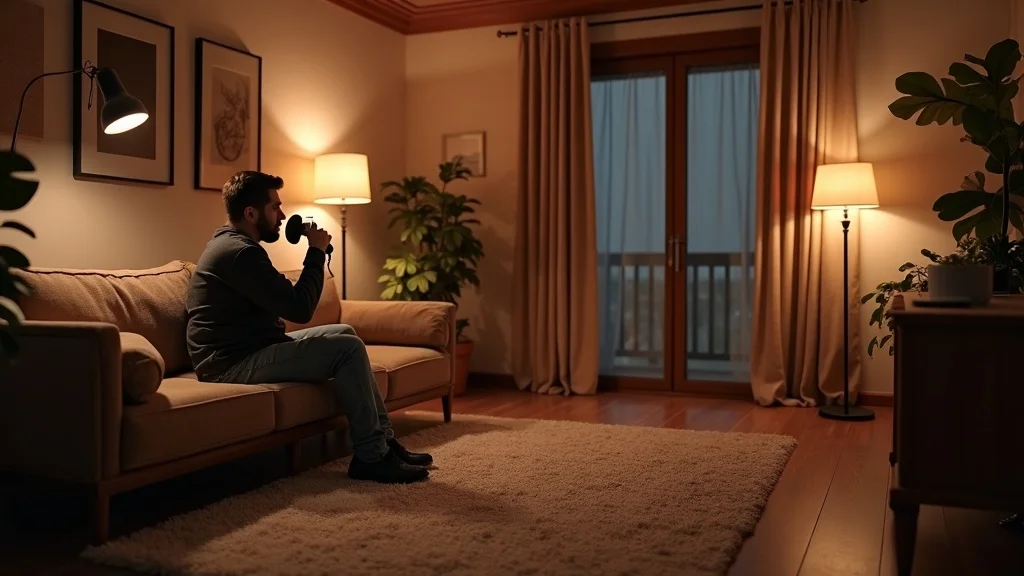
Nothing ruins a professional podcast faster than background noise or echo. Even the best podcast microphone struggles when the room is untreated. Acoustic treatment, like foam panels and soft furnishings, minimizes reflections and absorbs excess sound. Strategic sound treatment helps isolate your voice for that clean "studio" tone, making editing easier and your audio more engaging. A DIY studio at home can be improved dramatically with thick rugs, curtains, bookshelves, and acoustic panels—critical for clear sound and a polished end product.
Soundproofing goes a step further, blocking outside noise from leaking into your recording space. If you’re recording in a busy office or home, consider both portable soundproofing tools (like isolation shields) and permanent treatments. The goal: a controlled, balanced podcast studio environment for every podcast episode, live stream, or video podcast.
Using an Audio Interface for Recording and Live Stream
The audio interface is the backbone of a professional podcast equipment setup—especially if you’re working with an XLR microphone or want to handle multiple input channels. It acts as the bridge between your mic(s) and recording software, often improving audio quality with built-in preamps and analog-to-digital conversion. Select an audio interface designed for podcasting, with enough XLR and 1/4" inputs for your team or guest lineup.
Investing in a solid audio interface has long-term benefits. Besides supporting superior audio recording, it makes live streaming easier—sending clean sound to your broadcast platform or podcast camera. Models with direct monitoring let you hear yourself in real time, preventing embarrassing technical slipups during a live stream or important podcast episode.
Podcast Recording Software: Editing Software Essentials
Your editing software or recording software is where your content comes together. Tools like Audacity, Adobe Audition, and GarageBand allow you to record, edit, enhance, and finalize your podcast episode. Look for features like noise reduction, EQ, and multi-track support—these will speed up post-production and polish your brand.
For businesses venturing into video podcast or live stream territory, choose podcast recording software that syncs audio/video seamlessly. Many audio interfaces come bundled with basic editing software, but investing in premium recording software often yields better results and improved sound quality.
Upgrading Your Podcast Studio: Going Beyond the Basics
Once your podcast equipment setup runs smoothly, consider upgrades to stand out in an increasingly competitive landscape.
Podcast Camera Setup for Video Podcasts and Live Stream Appeal
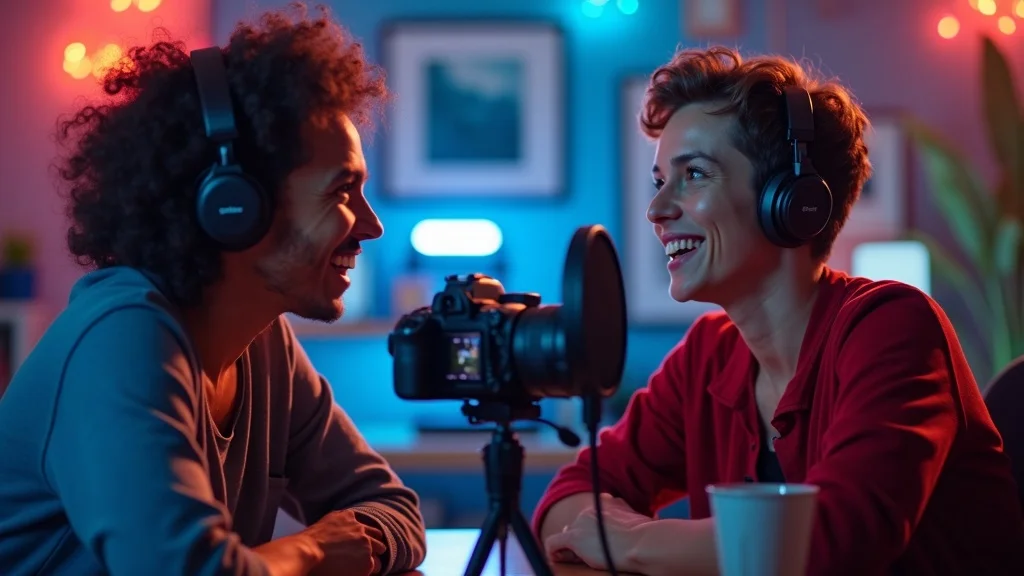
Adding a podcast camera transforms your studio from an audio-only space to a dynamic multimedia environment. A good camera increases your video podcast appeal, boosts shareability, and positions your brand on visual platforms like YouTube and LinkedIn. DSLR and mirrorless cameras offer superior video quality and the ability to tweak settings for different lighting or recording environments.
While smartphone cameras work for beginners, investing in a professional podcast camera ensures you deliver a consistent look across all video podcasts, webinars, and live stream events. For best results, pair with studio lighting and capture your podcast episode in HD or 4K.
Advanced Podcast Equipment: Mixers, Soundboards, and More
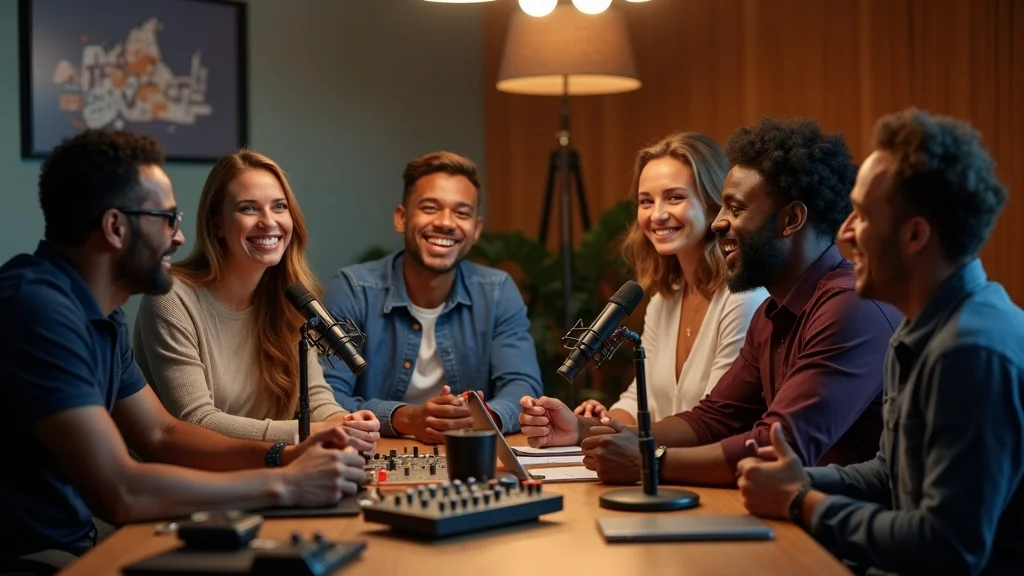
For larger businesses and advanced creators, mixers and soundboards add versatility and creative production options. A good mixer allows for multiple input sources, on-the-fly effects, live stream routing, and backup recordings. It’s particularly useful for roundtable podcasts or shows with live sound drops (music, ads, guest intros). Some modern mixing consoles are even designed specifically for podcasting—combining audio interface, soundpads, and easy mixing controls in one device.
Other upgrades to consider include portable recorders (for remote interviews), secondary podcast cameras for different angles, and studio-quality preamps that further elevate your sound. Always scale equipment based on your growth projections and desired features—don’t overspend early, but don’t skimp if podcasting is central to your business development plan.
Podcast Equipment Setup Budget: Cost Breakdown for Business Owners
Podcast equipment setup can fit nearly any budget—from a few hundred to several thousand dollars. Here’s how to plan your investment, so you maximize ROI while meeting business goals.
| Equipment | Starter Setup (per item) | Pro Setup (per item) |
|---|---|---|
| Microphone (USB or XLR) | $60 – $150 | $350 – $700 |
| Audio Interface | $99 – $200 | $400 – $1200 |
| Headphones | $30 – $90 | $250 – $500 |
| Pop Filter & Boom Arm | $15 – $45 | $115 – $300 |
| Recording/Editing Software | Free – $60 | $250 – $600 |
| Podcast Camera | $90 – $250 | $700 – $3000 |
| Acoustic Treatment | $60 – $200 | $500 – $3000 |
| Total Estimated Cost | $354 – $995 | $2,565 – $8,300 |
ROI and Monetization: Podcast with 5000 Listeners Revenue Potential
A core driver for business podcast equipment setup is the potential for meaningful returns. Podcasts with 5,000 regular listeners can generate anywhere from $250 to over $1,000 per episode through sponsorships, affiliate marketing, and ad placements. Monetizing your show successfully depends on keeping quality high and your brand front-of-mind for listeners.
Beyond direct monetization, many business owners report increased lead generation, event bookings, and partnership opportunities as a result of consistent, high-quality podcasting. Investing in equipment isn’t just a sunk cost—it’s an investment in your brand’s megaphone, audience reach, and authority-building across your industry.
Podcast Equipment Setup: Step-by-Step Guide for a Seamless Start
To help you launch quickly and confidently, follow this structured checklist and video demo. Each step ensures no detail is overlooked—saving you time, money, and countless hours troubleshooting.
-
Step-by-Step Podcast Equipment Setup Checklist
- Choose the podcast studio location
- Select podcast microphone and audio interface
- Set up podcast headphones, boom arm, and pop filter
- Install podcast recording and editing software
- Test podcast equipment setup and acoustics
- Record and review your first test podcast
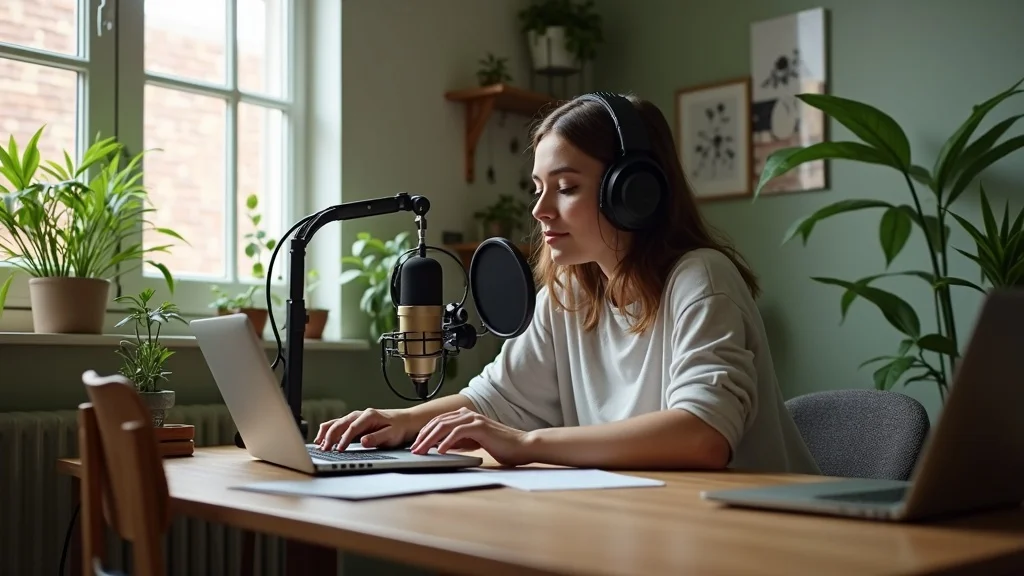
Visual Guide: Arranging Your Podcast Equipment for Maximum Efficiency
Expert Podcast Equipment Setup Tips from Industry Leaders
"A great podcast equipment setup signals professionalism to both guests and listeners—it’s your brand’s first impression.”
Industry leaders recommend systematizing your recording process: test all podcast equipment before each episode; monitor levels through wired headphones; keep cables organized to reduce setup errors; and maintain a quiet, controlled environment using sound treatment techniques. Another tip: regularly update your podcast recording software and audio interface drivers to prevent compatibility issues during a critical podcast recording or live stream.
People Also Ask About Podcast Equipment Setup
What equipment is needed to start a podcast?
At minimum, a podcast equipment setup for beginners requires a microphone (USB or XLR microphone), headphones, a boom arm or stand, an audio interface (for XLR mics), and podcast recording/editing software. For enhanced sound quality, add a pop filter, acoustic treatment, and a podcast camera for video podcast or live streams. Reliable gear ensures your podcast studio produces professional results from the start.
How much does a podcast with 5000 listeners make?
On average, podcasts with 5,000 listeners per episode earn between $250 and $1,000 per episode through sponsorships, affiliate promotions, or dynamic ads. Income depends on audience engagement, podcast niche, and monetization strategy. Consistent, professional podcast equipment setup helps attract premium advertisers and grow listener numbers over time.
What equipment does Joe Rogan use for his podcast?
Joe Rogan’s podcast studio features top-tier podcast equipment, including Shure SM7B XLR microphones, a high-end audio interface, a multi-input mixing console, and professional over-ear headphones for real-time monitoring. His setup also includes acoustic treatment, soundproofing, podcast cameras for video podcasting, and advanced editing software—components known for their strong audio quality and reliability.
What is needed to set up a podcast studio?
Building a podcast studio requires careful planning of space, soundproofing or sound treatment, a high-quality podcast microphone (USB or XLR), headphones, audio interface, pop filter, boom arm, computer with recording/editing software, and (optionally) a podcast camera for video content. Consider lighting, cable management, and ergonomic workstation design for comfort and efficiency during extended podcast episodes.
How to Test Your Podcast Equipment Setup: Live Demo
Key Takeaways for an Effective Podcast Equipment Setup
- Ensure all essential equipment fits your business podcast goals
- Invest in reliable audio interface and podcast recording software
- Optimize quality with pop filter, boom arm, and proper acoustics
- Consider podcast camera and live stream options for richer content
Ready to Amplify Your Message? Schedule a Meeting at https://edenstreams.com/
Ready to take your business podcast to the next level? Learn more at edenstreams. com.
Conclusion: The right podcast equipment setup grows your influence, authenticity, and ROI. Focus on quality, invest wisely, and your podcast studio can become your business’s most powerful asset.
As you continue to refine your podcasting approach, remember that integrating your audio strategy with other high-impact marketing channels can unlock even greater business growth. Exploring innovative outreach methods—such as those outlined in our guide to growing your business through SMS marketing—can help you reach audiences where they’re most engaged. By combining a professional podcast setup with targeted messaging campaigns, you position your brand for maximum visibility and connection. Take the next step and discover how a holistic marketing strategy can elevate your results and set your business apart in a crowded digital landscape.
Sources
To further enhance your understanding of podcast equipment setup, consider exploring the following resources: “Podcast Equipment for Beginners: Best Starter Choose 2026” (obsbot. com) “Podcast Equipment Guide: What I Recommend After 500 Episodes” (buzzsprout. com) These guides offer comprehensive insights into selecting the right equipment, setting up your studio, and optimizing your podcasting workflow. If you’re serious about launching a professional podcast, these resources will provide you with the knowledge and tools to get started effectively.


Write A Comment