
Are you feeling stuck trying to launch your podcast—unsure where to begin, how to stand out, or what steps to tackle next? You’re not alone. Countless entrepreneurs, business owners, and passionate creators share this same hurdle: transforming an idea into a binge-worthy podcast. In this in-depth guide, you’ll discover practical, step-by-step strategies for a podcast launch that not only gets noticed but drives business growth, community engagement, and lasting online authority. Let's break down every stage, from equipment setup to hitting the top podcast directories—and make your podcast launch a resounding success!
Opening Inquiry: Are You Struggling with Your Podcast Launch?
The journey of a podcast launch can feel overwhelming, especially for business owners striving to create recognizable, successful, and engaging shows. The maze of choosing the right podcast equipment, podcast host, and audio editing software, designing memorable podcast art and cover art, or writing click-worthy episode titles—each phase comes with its own learning curve. But here’s the good news: with a clear blueprint, launching a podcast is less daunting than you think. Whether you want to reach your target audience, maximize brand authority, or simply start a podcast that reflects your expertise, our comprehensive guide turns confusion into confident action for a smooth and strategic podcast launch.

Why Launching a Podcast is the Smart Move for Business Growth
A well-executed podcast launch is an unbeatable vehicle for elevating your brand, deepening trust, and fueling business growth. By starting a podcast, business owners tap into a powerful medium that humanizes their message, builds a loyal following, and positions them as thought leaders in their industry. Plus, podcasts deliver incredible discoverability—listeners can access your great content on-the-go via Apple Podcasts, Spotify, and dozens of other podcast directories.
Launching a podcast also gives you an authentic platform for telling your brand story, interviewing industry influencers, and connecting with your target audience on a personal level. The result? Increased website traffic, more leads, and a community that champions your business. Starting a podcast now gives businesses a unique edge—one that can scale both presence and profit.
What You'll Learn on Your Podcast Launch Journey
- Step-by-step guidance for your podcast launch
- How to choose podcast equipment and podcast host
- Strategies to create podcast art and cover art that stands out
- Essentials of podcast marketing, podcast promo, and making your show successful
- Ways to submit to apple podcasts and top podcast directories
- Tips for effective audio editing and optimizing every podcast episode

Podcast Launch Essentials: Planning Your Successful Podcast
No podcast launch succeeds without strong planning—think of it as the foundation for your entire show. Start by crystallizing your goals: Do you want to drive leads, grow authority, or increase client trust? Define your target audience and niche to ensure your podcast serves listeners’ real needs. This clarity helps differentiate your show from competitors and shapes every decision, from topic selection to podcast promo strategy.
A successful podcast launch also involves deep research into popular and underserved topics in your field. Analyze what the leading podcasts are doing and identify opportunities to deliver new perspectives, stories, or expertise. Early-stage planning pays off tremendously—it’s the secret weapon for a strategic, well-loved podcast that continues to grow your business long after the first episode airs.
As you refine your podcast launch plan, it’s also valuable to consider how professional marketing support can streamline your process and amplify your results. For a closer look at the tactical services that can help you execute each stage—from branding to promotion—explore the comprehensive marketing solutions offered by Eden Streams.
Defining Your Podcast Goals and Target Audience
Ask yourself: What business objective will your podcast support? Perhaps it’s nurturing leads, sharing industry insights, or humanizing your brand. Knowing your mission streamlines your content creation process and helps you stay consistent. Next, create a customer avatar to pinpoint your target audience—what are their challenges, interests, and podcast-listening habits? Understanding your listeners not only guides topic selection, but also shapes your tone, story format, and optimal episode length.
Spend time engaging with your community on social media, surveying your audience, or reviewing competitors’ shows to clarify what resonates. The more you personalize your podcast content, the more likely your podcast listener will tune in again and again, fueling organic growth and future monetization.
Researching Topics That Make a Successful Podcast
To truly start a successful podcast, you need more than great audio—your show must cover topics people crave. Research trending topics by reviewing Apple Podcasts charts, reading trade journals, or scanning online forums where your target audience gathers. Are there hot-button issues or gaps in your niche not yet addressed by competitors?
Consider leveraging interviews or roundtable discussions with industry experts to boost credibility and offer unique perspectives. Remember, the best podcast episodes deliver actionable value and feel tailor-made for listeners, building trust and anticipation for each new release. A well-chosen topic list is essential to turn your podcast launch into a true business asset.

Structuring Your Show for a Dynamic Podcast Launch
Structuring your podcast is key to keeping listeners engaged from the moment they press play. Every episode should start with a punchy podcast intro to hook your audience and set expectations. Decide on a show style—solo, interview podcast, co-hosted, or storytelling—and outline your main segments, transitions, and call-to-actions.
Consistency is vital for a successful podcast launch. Create a content calendar and set a regular release schedule to keep your podcast listener coming back. Remember to end each podcast episode with an engaging outro and a tease for what’s next. A clear, professional structure reflects your brand’s authority and helps build a loyal following right from launch day.
Podcast Equipment and Setup for a Professional Podcast Launch
- Choosing the right podcast equipment
- Selecting a podcast host and podcast hosting platforms
- Creating a recording environment for quality sound
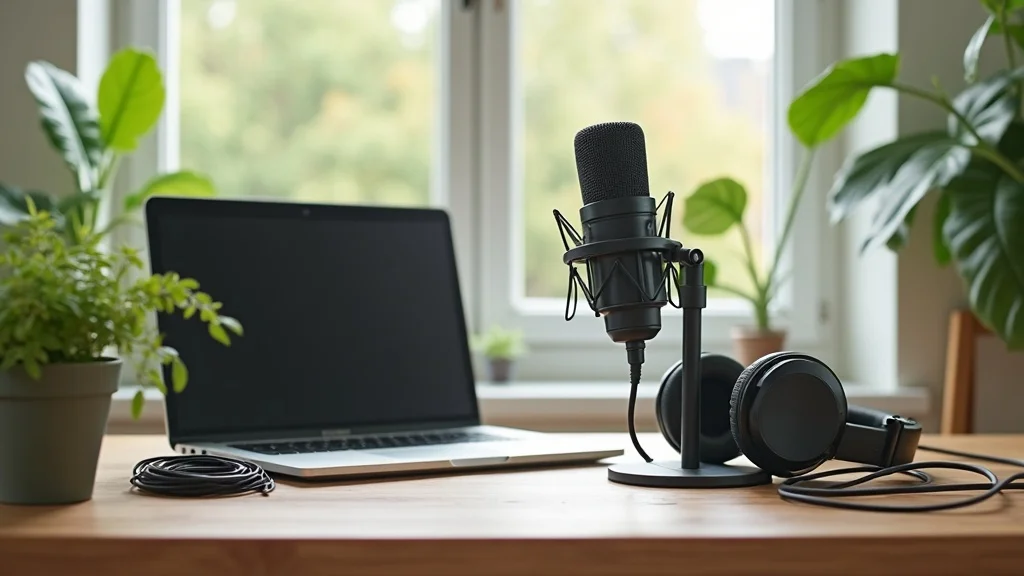
High-quality audio is non-negotiable for a successful podcast launch. Invest in reliable podcast equipment—at minimum, a dynamic or condenser microphone, quality headphones, a USB audio interface, and pop filters. The right podcast equipment not only elevates your sound but also sets a professional tone that builds trust with your target audience.
Your recording environment matters just as much. Choose a quiet room with minimal echo—add soft furnishings or foam panels to reduce noise. Test your audio setup before recording your first episode, and always monitor sound levels to avoid technical pitfalls. Opt for editing software like Audacity or Adobe Audition for seamless post-production. These steps ensure your listeners enjoy a smooth, distraction-free experience right from your podcast launch.
Crafting Your Brand: Podcast Art, Cover Art, and Episode Titles
Your podcast’s visual identity—podcast art, cover art, and even episode titles—plays a massive role in your show’s discoverability and perceived professionalism. Eye-catching designs and creatively-written episode titles can make or break your show’s first impression, especially in crowded podcast directories like Apple Podcasts and Spotify.
Think of podcast art and cover art as your virtual handshake: it’s the first thing a potential listener sees. Invest in custom artwork that reflects your brand values and stands out among competitors. When writing episode titles, think SEO and clickability. Use clear, compelling language that addresses common pain points, questions, or trending topics. Together, sharp visuals and smart copy ensure your podcast grabs attention from day one.
Designing Impactful Podcast Art and Cover Art
Professional podcast art and cover art aren’t just about looking pretty—they’re vital marketing tools for a power-packed podcast launch. Your cover art must be high-res (minimum 1400x1400 pixels for Apple Podcasts), square, visually simple, and totally unique. Graphic elements should pop even at thumbnail size, and your design should reflect your podcast’s mood, style, or industry focus.
Top podcasters hire trusted designers or use tools like Canva and Photoshop for best results. Remember to avoid too much text or clutter: let imagery speak for itself. Updating podcast art and cover art in line with seasonal campaigns or special promotions can also give your show a fresh marketing boost, keeping listeners curious and engaged.

Writing Compelling Episode Titles to Boost Podcast Launch Visibility
Your episode titles work harder than you might think—strong titles drive clicks, listens, and shares. Use keywords your target audience actually searches for, such as “how to start a podcast,” “audio editing tips,” or “business storytelling secrets. ” Avoid clickbait; instead, promise real value and make it clear why each episode matters.
Great episode titles are concise, direct, and packed with benefits. For multi-part topics, use “Part 1” and “Part 2” formats. Don’t forget to include your brand or show name for improved search ranking in podcast directories. With thoughtful, strategic titling, each new podcast episode plays its part in a snowballing, successful podcast launch.
Podcast Recording and Audio Editing: Setting the Stage for a Successful Podcast
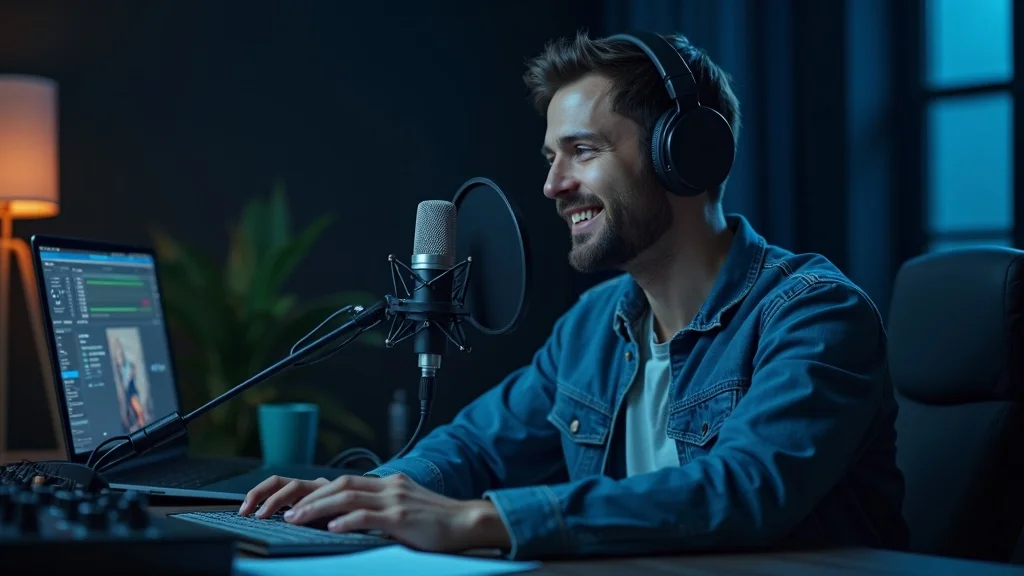
It’s time to bring your show to life! Recording your first podcast episode can be nerve-wracking, but with proper preparation and best practices, every take gets easier. Focus on choosing a distraction-free setting, use a script or bullet points for structure, and adopt a conversational tone that resonates with your target audience. Hit record, speak with energy, and don’t worry about minor stumbles—they can be polished during the audio editing phase.
Editing is where your raw content becomes a professional product. Trim pauses, remove “ums,” and balance audio levels for a polished finish. Adding music intros, outros, and sound effects provides brand consistency and engagement. Use trusted editing software to work with your audio files and aim for clean, crisp audio that meets industry standards—essential for a truly successful podcast launch.
Recording Your First Podcast Episode: Best Practices
Kick off with a relaxed introduction—share who you are, why you started the show, and what the episode covers. Test your mic and sound levels before every recording. Always monitor your audio file in real time with headphones to catch issues before they become an editing headache. Prepare a show outline or script to keep content focused and on track, but allow room for genuine conversation, especially for interview podcasts.
Consider recording in segments; this approach helps maintain energy, and you can easily edit and re-record sections as needed. Consistency is key—maintain the same recording settings each time to ensure your content sounds cohesive across episodes. These practices lay the groundwork for future success as listeners expect increasingly professional results from every podcast episode.
Audio Editing Tips for Professional-Grade Sound
Audio editing transforms an ordinary recording into an engaging, listenable podcast. Use editing software to trim background noise and dead air, normalize volume, and add intro and outro elements for cohesive branding. Apply sound compression and EQ for balanced content, ensuring your host, guest, and any music are clearly heard on all devices.
Don’t skimp on the details: add show notes, time-stamps, or links to resources mentioned, providing extra value for your audience and boosting search discoverability. High-quality audio editing sets your podcast apart, encouraging subscribers, positive reviews, and long-term growth—not only for your show, but for your broader business presence.
Choosing a Podcast Host and Podcast Hosting Platform
Your podcast host is the digital engine that stores and distributes your audio files to podcast directories like Apple Podcasts, Spotify, and Google Podcasts. Picking the right podcast hosting platform is vital for a trouble-free launch and seamless listener experience. Pioneering services like Libsyn, Podbean, and Buzzsprout offer user-friendly dashboards, built-in analytics, and crucial tools like automated RSS feeds for easy distribution.
Consider hosting features such as file storage limits, advanced analytics, monetization support, and built-in website integration to maximize the discoverability and reach of your successful podcast. Your podcast host plays an ongoing role—don’t treat it as an afterthought!
Top Podcast Hosting Services for a Seamless Podcast Launch
There’s no shortage of exceptional podcast hosting platforms. Libsyn is favored for its reliability and distribution reach. Podbean stands out for rich analytics and monetization options. Buzzsprout offers unbeatable beginner-friendliness and excellent customer support. Spotify for Podcasters and Anchor FM provide no-frills, free solutions with smooth integration for new podcasters.
Select a podcast hosting platform that matches your unique needs—factor in expected file size, listener volume, desired analytics, and your long-term business goals. A robust podcast hosting provider saves time, reduces tech headaches, and supports every milestone on your podcast launch journey.
Factors to Consider When Selecting Your Podcast Host
When evaluating a podcast host, look beyond basic file storage. Ensure the hosting platform provides clear RSS feed management for smooth syndication, one-click distribution to major podcast directories, and customizable show pages or embeddable players. Advanced analytics help you understand your podcast listener demographics and optimize marketing efforts.
Think about future needs: Can you migrate shows easily? Does your plan cover additional podcasts as your brand expands? Does the host offer seamless Apple Podcasts submission, marketing integrations, and handy support? Consider these factors to ensure a smooth, scalable, and successful podcast launch.
Publishing and Distributing Your Podcast Launch to Podcast Directories
You’re ready for a public debut—now it’s time to publish and syndicate your show to top podcast directories for maximum reach. Once your audio files are uploaded and your RSS feed is set, start with Apple Podcasts—the gold standard for discoverability—then expand to Spotify, Google Podcasts, Stitcher, and other directories. Each platform may have slightly different requirements for podcast art, show notes, and categorization, so prepare your assets accordingly.
Optimizing your metadata—title, keywords, and show description—is critical for search ranking. Don’t forget to publish a compelling trailer or podcast promo as your first episode, introducing your brand and inviting listeners to subscribe right from launch. With efficient distribution, your podcast launch can quickly gain momentum and followers worldwide.

How to Submit Your Podcast to Apple Podcasts and Other Major Platforms
To submit your show to Apple Podcasts, first create an Apple ID and use Apple Podcasts Connect to add your RSS feed, ensuring all fields are complete: cover art, show notes, category, and ratings. Apple will review and approve your podcast—this can take a few days, so factor it into your timeline.
For other directories like Spotify or Google Podcasts, follow their submission prompts and link your RSS feed. Always check your metadata matches platform specs and test your listings post-launch. Submitting to major platforms at the outset maximizes your reach, increases listens, and sets your show on the path to a successful podcast launch.
Optimizing Your Podcast Launch for Podcast Directories
Directory optimization means more than just uploading your audio file; it’s about standing out in crowded fields. Use rich show notes peppered with your main keywords (“podcast launch,” “audio editing,” “cover art”). Carefully select your podcast’s category and tags for accurate targeting in Apple Podcasts and other directories.
Update episode descriptions regularly, leverage timestamps and resource links, and encourage listeners to rate and review. Analytics offered by your podcast host will show which platforms drive the most listeners, letting you tweak your strategy for ever-increasing downloads. Small optimization steps compound to deliver outsized podcast growth post-launch.
Podcast Marketing and Promotion for a Powerful Podcast Launch
Strong podcast marketing transforms a hidden gem into a breakout show. Start with a dedicated podcast promo plan—set clear goals, identify your best marketing channels, and line up a content calendar to build excitement before and after launch. Leverage your website, social media, newsletters, and guest appearances to spread the word to your core audience and beyond.
Effective podcast promo gets listeners invested before you publish your first episode, driving buzz, subscriptions, and long-term engagement.
Creating a Podcast Promo Plan for Maximum Reach
Outline your pre-launch podcast promo: teasers, behind-the-scenes content, and a countdown on social media work wonders for audience anticipation. Announce each podcast episode on all channels, and don’t forget to create eye-catching graphics and short video snippets to maximize shares. Collaborate with guests, influencers, or partner brands for cross-promotion.
Plan post-launch marketing too—regularly update social platforms, run listener Q&A sessions, or consider limited-time giveaways to boost word-of-mouth. A holistic promo plan ensures your show stays top-of-mind, expanding your reach and solidifying your reputation as a thought leader.

Leveraging Social Media and Email in Your Podcast Marketing
Social media is a game-changer in podcast marketing. Repurpose audio clips into shareable content, create episode highlight graphics, and invite guest hosts to promote your show to new audiences. Consistency is crucial—maintain a regular posting schedule to keep your community engaged.
Email campaigns offer a direct line to your most loyal listeners. Include sneak peeks, announcement emails, and quick links to your latest podcast episode in every newsletter. Personalized follow-ups encourage ratings, reviews, and sharing—organic marketing at its best for a successful podcast launch.
Collaboration and Cross-Promotion Strategies for a Successful Podcast
Tap into established audiences through strategic collaborations—co-hosting, guest interviews, or running cross-promotions with complementary podcasts can rapidly expand your listener base. Invite high-profile guests or industry experts and encourage them to share your episodes with their audiences.
Look for ways to appear on other podcasts in your niche, or to sponsor newsletters, social accounts, or virtual events that align with your business and brand. Cross-promotion multiplies your exposure and cements your podcast as a must-listen show post-launch.
How to Launch a Podcast: Step-by-Step Timeline
- Planning the podcast launch date
- Pre-launch marketing and podcast promo requirements
- Publishing your first podcast episode
- Building momentum after launch
Start by picking a strategic launch date—ideally, one that avoids major holidays but gives time for thorough pre-launch marketing. Use teasers, signups, and countdowns to build an email list and social media buzz. On launch day, release at least three episodes (plus a trailer) to give new listeners enough content to get hooked. Continue to promote, engage, and measure results, fine-tuning your approach to keep momentum high. This thoughtful, phased timeline is proven to set podcasts up for vibrant, lasting growth.
Monetizing Your Podcast Launch: Make Money with Your Show
Turning your podcast into a revenue stream is within reach, even early in your journey. From sponsorships and ads to listener donations and premium content, there are more ways than ever to make money from your successful podcast—especially as your audience grows. The most profitable shows consistently deliver value, maintain listener trust, and nurture a supportive community through ongoing podcast marketing and engagement.
Understand the different monetization models and choose ones suited to your brand, audience size, and business goals. Diversifying your income sources (ads, sponsorship, merchandise, paid memberships) future-proofs your business and maximizes the value of every podcast episode.
Exploring Sponsorships, Ads, and Direct Monetization
Seeking sponsors is often the first step to make money with a podcast—once you reach a steady listenership, brands will pay for ad reads that reach your target audience. You can also join podcast advertising networks that match you with relevant sponsors. Alternatively, consider “listener-supported” models via platforms like Patreon, which enable fans to reward your great content with monthly contributions, unlocking bonus episodes or exclusive perks.
Sell digital products, offer consulting tied to your show topics, or license branded merchandise to loyal listeners. Direct monetization options—like online courses, premium content, or live events—can be layered on as your podcast grows. A comprehensive monetization plan turns your podcast launch into a true business engine.

How Much Does a Podcast with 10,000 Listeners Make?
Podcast ad rates vary, but most sponsors pay based on a CPM (cost per 1,000 downloads) model. For a show with 10,000 listeners per episode, you can expect to make anywhere from $200 to $500 per episode through mid-roll ads alone—potentially much more if you have multiple ad slots or premium sponsors. Listener donations or premium content subscriptions add further revenue opportunities. Over time, sustained audience growth and smart podcast marketing can drive these numbers even higher, making your podcast launch a lucrative venture for your business.
| Method | Pros | Cons | Expected Revenue (10,000 Listeners/Episode) | Popular Platforms |
|---|---|---|---|---|
| Sponsorships/Ads | Steady income, scalable, business alignment | Requires substantial listenership | $200–$500/episode | AdvertiseCast, Podcorn, Midroll |
| Listener Donations | Community support, recurring revenue | Reliant on loyal fanbase, variable | $100–$600/month | Patreon, Ko-fi, Buy Me a Coffee |
| Premium Content | High-value, exclusive offers, upselling | Extra content needed | $3–$10/subscriber/month | Supercast, Patreon, Apple Podcasts Subscriptions |
| Merchandise | Brand recognition, diversified revenue | Upfront costs, inventory risk | Varies widely | Shopify, Printful, TeeSpring |
People Also Ask: Everything You Want to Know About Podcast Launch
How do I launch a podcast?
Launching a podcast involves several clear steps: define your target audience, select compelling topics, invest in podcast equipment, and record your first episode. After editing, choose a podcast host, upload your audio file, and create standout podcast art and cover art. Submit your show to Apple Podcasts and other major directories, then promote it across social media and your website. Consistent marketing and improvement set the stage for a successful podcast launch.
How much does it cost to launch a podcast?
The cost of a podcast launch can vary significantly. Expect a basic setup (microphone, headphones, audio editing software) to cost $100–$500. Podcast host subscriptions run $5–$30/month depending on the provider. Outsourced cover art or design work may add $50–$200. Add in optional costs for advanced editing software, paid marketing, or premium equipment if you want a studio-quality experience from the start.
How much does a podcast with 10,000 listeners make?
Podcasts that reach 10,000 downloads per episode can typically make money through sponsorships, ads, and listener support, earning $200–$500 per episode or more. Additional revenue can be generated through premium content, merchandise sales, or consulting tied to your show.
How do I announce a new podcast?
Announce your new podcast with a coordinated marketing blitz: teasers on social media, dedicated emails to your list, and coordinated posts from any podcast guests or partners. On launch day, release a podcast promo trailer, your cover art, and at least two episodes to hook new listeners.
Common Podcast Launch Mistakes (and How to Avoid Them)
- Neglecting podcast marketing efforts
- Skipping quality audio editing
- Overlooking the impact of strong podcast art and cover art
- Choosing the wrong podcast host
- Forgetting to announce the podcast launch effectively
“A successful podcast launch starts with purposeful planning, high-quality sound, and a bold marketing strategy.” — Leading Podcast Expert
Checklist: Ready for Podcast Launch?
- Podcast equipment tested
- Podcast host set up
- Podcast art designed
- Episodes recorded and edited
- Podcast directories submission complete
- Podcast marketing and promo scheduled
FAQs About Podcast Launch, Apple Podcasts, Podcast Host, and More
-
What is the best podcast equipment for beginners?
Entry-level dynamic microphones (like Audio-Technica ATR2100x), closed-back headphones, and free editing software (Audacity) are excellent for beginners looking to launch a professional-sounding podcast on a budget. -
How do you pick a podcast host?
Prioritize podcast hosts that offer intuitive dashboards, comprehensive analytics, easy syndication to Apple Podcasts and other directories, and responsive support. Podbean, Libsyn, and Buzzsprout are popular starting points. -
What are the must-have features for podcast hosting?
Look for detailed analytics, unlimited bandwidth or storage, responsive support, website integration, and streamlined RSS feed management. -
Do I need custom podcast art and cover art?
Yes! Custom podcast art and cover art dramatically boost discoverability and professionalism. High-resolution, on-brand designs help you stand out in podcast directories. -
How do I measure a successful podcast?
Track download numbers per episode, listener retention rates, audience engagement via social media, and growth of your subscriber base. Reviews and feedback also indicate a healthy, successful podcast.
Key Takeaways for a Seamless Podcast Launch
- Strategic podcast launch planning boosts business growth
- Podcast equipment, audio editing, and podcast art matter
- Effective podcast marketing ensures discoverability post-launch
- Continuous promotion and optimization drive a successful podcast
Start Your Podcast Launch Journey Today
Ready to amplify your brand and connect with your audience? Don’t let uncertainty hold your business back! Schedule a meeting at https://edenstreams. com/ to get expert support on every phase of your podcast launch.
Conclusion
With careful planning, strong branding, and a bold marketing strategy, your podcast launch will open doors to fresh business growth, industry influence, and an engaged community. Start today!
If you’re eager to take your podcast launch even further, consider how a holistic marketing approach can elevate your entire brand presence. The right strategy doesn’t just help you launch—it positions your business for long-term growth, deeper audience engagement, and greater authority in your niche. Discover how Eden Streams’ marketing division can help you unlock new opportunities and craft a podcast that truly stands out in today’s competitive landscape by exploring their full suite of marketing services. Your next level of podcast success could be just one strategic partnership away.
Sources
- Podcast Insights – How to Start a Podcast
- Buzzsprout – How to Make a Podcast
- The Podcast Host – How to Launch a Podcast
- Apple Podcasts – Submit Your Show
- Podnews – Podcast Monetization Explained
- Descript – Podcast Equipment Guide
- Captivate – Podcast Hosting
Embarking on your podcasting journey can be both exciting and daunting. To support you in this endeavor, consider exploring the following resources: “How to Start a Podcast” by Podcast Insights: This comprehensive guide offers step-by-step instructions on launching a podcast, covering aspects from equipment selection to publishing your first episode. “How to Make a Podcast” by Buzzsprout: Buzzsprout provides a detailed walkthrough on creating a podcast, including tips on recording, editing, and promoting your show. These resources are invaluable for anyone looking to start a podcast, offering practical advice and strategies to ensure a successful launch.





Write A Comment