Add Row
Add Element
UPDATE
Add Element
  • Home
  • Categories
    • Business and Economy
    • Community
    • Small Biz
    • Policy and Law
    • Real Estate
    • Modern Life
    • Explore the U.S
July 16.2025
1 Minute Read

Struggling with podcsting? Here's How to Start Strong

Did you know over 460 million people now tune into podcasts every month worldwide? This explosive growth is turning podcsting into one of 2024’s fastest-evolving digital trends. Yet despite its popularity, many aspiring creators still ask: how exactly do you start strong, stand out, and grow a podcast audience? Whether you want to share powerful stories, educate, entertain, or simply explore new creative terrain, this definitive guide reveals step-by-step how to break through podcsting’s initial barriers and launch with confidence and sustainability.

Unlocking Podcsting: Surprising Trends and Rapid Growth

The podcsting industry is experiencing a phenomenal surge—what was once a niche media channel is now mainstream. Listeners have doubled in just three years, catapulting millions of creators to global audiences via their own podcast episodes. Recent research highlights that 458 million people listen to podcasts monthly, cementing podcsting’s place as a staple in digital content consumption. Even more impressive? Over 78% of podcast listeners finish entire episodes , a retention rate that outstrips most blogs and social platforms.

This rapid adoption owes much to accessible technology —affordable podcast equipment, simple podcast hosting platforms, and free podcast recording software now empower anyone to become a podcaster. Brands, influencers, and individuals see podcsting as a crucial tool for audience building, education, and entertainment. If you’re eager to learn podcsting, you’re in perfect company. Let’s uncover the essentials behind podcsting’s meteoric rise and how you can leverage these trends for your new show.

dynamic group of diverse people listening to a podcast, representing podcsting trends
  • Over 460 million people listen to podcasts globally every month.
  • 78% of listeners finish entire podcast episodes.
  • Podcsting adoption has doubled in the past three years.

What You'll Learn in This Comprehensive Guide to Podcsting

  • Critical steps to start a podcast successfully
  • The essentials of podcast hosting, editing, and distribution
  • Strategies for growing your show on social media and podcast directories
  • Tips for creating a professional podcast website
  • How to record, edit, and market compelling podcast content
  • Real-world examples and expert insights throughout

Podcsting Fundamentals: What Do You Mean by Podcasting?

Podcsting , at its core, is the art of creating, publishing, and distributing audio or video episodes via the internet. Its roots trace back to the early 2000s, when the first amateur podcasters began sharing serialized recordings using RSS feed technology—a game-changer for on-demand content. Today, podcsting is a global medium for storytelling, news, education, and entertainment. Shows can take many podcast forms: solo commentary, interviews, panel debates, or even immersive fiction podcast series, each offering unique creative possibilities.

What sets podcsting apart is its on-demand flexibility and direct audience connection. Podcast listeners access audio files on their favorite podcast app —from Apple Podcasts to Spotify or Google Podcasts. Podcast episodes often feature high-quality audio, polished editing software, and formats ranging from bite-sized lessons to deep-dive interviews with popular podcast personalities like Joe Rogan. This blend of technical accessibility and creative freedom is what makes starting a podcast both exciting and inviting to new voices everywhere.

vintage microphone symbolizing the origins and art of podcsting

Getting Started: How to Start a Podcast with Confidence

Starting a podcast begins with passion—but it succeeds with purpose and planning. First, define your niche and audience. Are you sharing industry insights, offering expert interviews, or telling fiction podcasts for creative escapism? Next, choose a podcast format that plays to your strengths—solo, roundtable discussions, or storytelling. The shape of your podcast form—from episode length to segment style—directly impacts your listener retention.

Building a content calendar is key for consistency. Plan your podcast episodes in advance so you always know what’s coming next. Some of the world’s most popular podcasts, like “The Daily” or “Serial,” owe much of their success to meticulous planning and structure. Consider this real-world example: Before launch, each episode of “How I Built This” by NPR was outlined for story flow, guest timings, and editorial balance, ensuring seamless production even before hitting record.

  • Defining your podcast niche and audience
  • Selecting your podcast format and episode structure
  • Building a content calendar for consistency
  • Case Study: Popular podcasts and their launching stories

podcaster planning content calendar for launching a podcast

Podcast Recording: Essential Equipment and Setup for Podcsting

One of the most common stumbling blocks in podcsting is choosing the right podcast equipment and setting up for professional podcast recording. Investing in a quality microphone is crucial—your audio quality is your first impression. New podcasters often start simple: a reliable USB microphone paired with a basic audio interface. Headphones allow for real-time monitoring, and recording software like Audacity or Adobe Audition lets you capture crisp, clean recordings.

You don’t need a fancy studio to start. Many successful podcast episodes are recorded at home using affordable podcast recording gear. Arrange your recording space to minimize background noise—soft furnishings, rugs, or simple foam panels work wonders. Best practices also include saving your audio files in lossless formats and maintaining consistent recording levels for listener comfort. The right environment lets your content shine, helping build a loyal audience from your very first episode.

  • Microphones and audio interfaces
  • Podcast recording software breakdown
  • Setting up your podcast studio (even at home)
  • Best practices for clear and professional audio

modern podcast equipment for high-quality audio recording in podcsting

Podcast Recording Tips: From Script to Sound

Effective podcast recording starts before you hit “record.” Always plan your episode outline, with bullet points to structure key topics and transitions. Script opening and closing segments, but allow for natural conversation in between. Position your microphone four to six inches from your mouth, and always test your audio setup for background noise or echo. Recording in short segments can reduce editing time later.

On recording day, bring high energy—even a professional-sounding podcast can fall flat if your delivery lacks enthusiasm. For optimal audio quality, turn off noisy appliances, mute notifications, and place your recording gear on a stable surface. After every take, review your audio files for clarity. With these practices, you move closer to delivering a successful podcast episode every time.

Top 5 Microphones for Beginners:
Microphone Price Features
Audio-Technica ATR2100x $99 USB/XLR, durable
Samson Q2U $69 USB/XLR, portable
Rode PodMic $99 Broadcast-quality
Blue Yeti $129 Multi-patterns
Shure SM58 $110 Industry standard

Editing Software and Techniques: Elevate Your Podcsting Quality

Your podcast’s polish and professionalism hinge on mastering editing software. Two titans— Audacity (free, open source) and Adobe Audition (premium, feature-rich)—dominate the space, each with pros and cons. Audacity is favored for being beginner-friendly, offering essential editing tools without cost, while Adobe Audition appeals to advanced users with multi-track capabilities and robust effects.

New editing software like Descript and Hindenburg Journalist make editing accessible even for non-technicians, using text transcription and drag-and-drop interfaces. Regardless of your tool, always aim to eliminate filler words, reduce background noise, and enhance sound with subtle effects. Adding music, sound effects, and professional intros give your podcast episodes an extra edge. Bright audio quality keeps podcast listeners returning for each new download.

  • Audacity vs Adobe Audition: Pros and cons
  • Intro to Descript and Hindenburg Journalist
  • How to use editing software for polished podcasts
  • Removing filler words and enhancing sound

hands editing a podcast on audio editing software for high-quality podcsting

Step-by-Step Podcast Editing Workflow

  1. Importing your audio files
  2. Noise reduction and equalization
  3. Segmenting and sequencing episodes
  4. Adding music, intros, and outros
  5. Final quality check and export
"Quality editing is as essential as quality recording. A professional-sounding podcast retains and grows your audience." – Leading Podcaster

Choosing the Best Podcast Hosting Platforms for Modern Podcsting

Once your first episode is edited, it’s time to get your show to the world. Podcast hosting platforms such as Buzzsprout, Libsyn, Anchor, and Podbean are designed to store and distribute your audio files. These services make it simple to create and manage your RSS feed , deliver episodes to key podcast directories, and provide analytics on listener engagement.

Important factors to weigh include storage space, pricing, advanced analytics, and monetization support. Platforms like Anchor and Podbean even offer free podcast hosting to help you get started. Most hosting providers walk new podcasters step-by-step through uploading your first episode—just supply your podcast cover art, show notes, and episode audio file, and you’re ready to launch.

  • Overview of leading podcast hosting services: Buzzsprout, Libsyn, Anchor
  • Key features: storage, analytics, monetization
  • Step-by-step guide: uploading your first episode
Popular Podcast Hosting Options:
Service Free Plan Analytics Monetization
Buzzsprout Yes Yes Yes
Libsyn No Yes Yes
Anchor Yes Yes Yes
Podbean Yes Yes Yes

Distributing Your Podcast: How to Reach Apple Podcasts and More

Publishing your show doesn’t end with podcast hosting. For real discovery and listenership, you’ll need to submit your podcast to key directories such as Apple Podcasts , Spotify, and Google Podcasts. These platforms use your RSS feed to pull new episodes as you publish them, ensuring your audience always has access across every podcast app .

Before submitting, review each directory’s requirements—Apple Podcasts, for example, expects podcast cover art to be 1400x1400 pixels and show notes free of promotional URLs. Write compelling show descriptions and seed relevant keywords to boost SEO. Being listed in multiple podcast directories expands audience reach, puts your episodes in front of new listeners, and fuels word-of-mouth momentum.

  • Submitting your show to Apple Podcasts, Spotify, and Google Podcasts
  • Maximizing listenership through key podcast directories
  • Podcast directories’ submission essentials

Podcast Website: The Digital Hub for Your Podcsting Brand

Every modern podcaster needs a dedicated podcast website . This serves as your central digital hub, anchoring your brand and providing SEO advantages you won’t find on podcast apps alone. A professional website allows you to post blog posts, detailed show notes, and even bonus content. Make sure to include an embeddable episode player, contact forms, and eye-catching podcast cover art for a seamless user experience.

Most podcast hosting providers offer simple integrations with website builders, making syndication effortless. Optimize your website for SEO —target relevant keywords, keep URLs clean, and enable easy sharing to drive more podcast listeners your way. The more accessible and visually compelling your site, the more it boosts retention and discoverability, ensuring your show stands out from the crowd.

  • Why every podcaster needs a podcast website
  • Features to include: player, blog, episodes, contact
  • Integrating with podcast hosting platforms
  • SEO tips for increased traffic

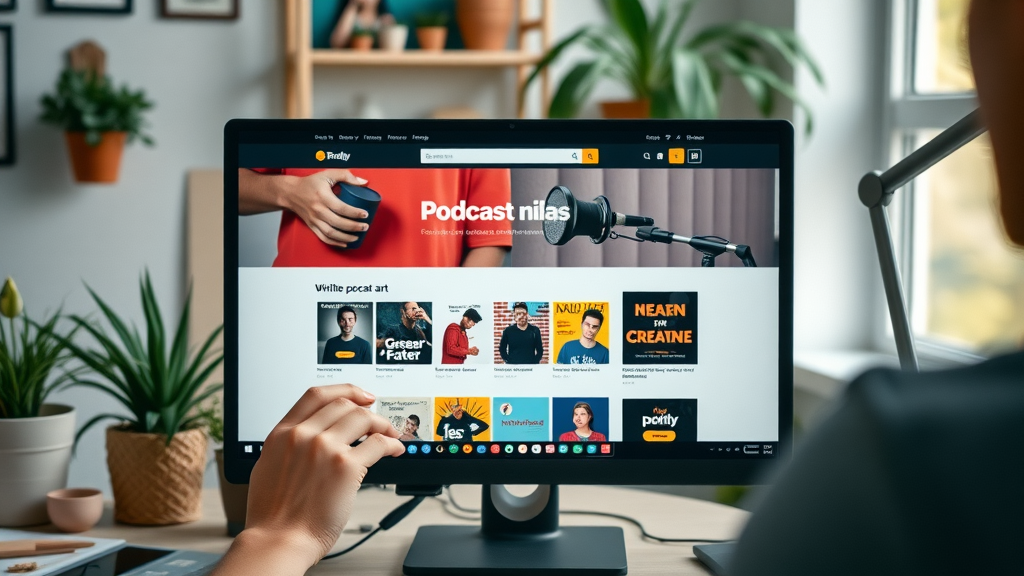
modern podcast website homepage for strong podcsting brand

Integrating Social Media: Elevate Podcsting Audience Growth

Social media is the rocket fuel for podcsting growth. Platforms like Twitter, Instagram, LinkedIn, and Facebook have vibrant podcasting communities and offer direct ways to engage your listener base. By sharing behind-the-scenes content, episode teasers, and interactive posts, you can attract new listeners and retain your existing podcast audience.

Master the art of content repurposing—transforming podcast snippets into audiograms , short video podcast teasers, and shareable graphics. These assets travel well across social platforms and spark engagement. Community-building efforts—such as hosting live Q&As or collaborating with other podcasters—build trust and amplify your show’s visibility far beyond your initial launch. For podcsting success, make social media a regular part of your production workflow.

  • Platforms: Twitter, Instagram, LinkedIn, Facebook groups for podcasters
  • Content repurposing: audiograms, snippets, and video podcast teasers
  • Community building and engagement strategies

Leveraging Social Media for Maximum Podcast Exposure

  1. Craft shareable episode graphics
  2. Run interactive polls and Q&A sessions
  3. Collaborate with other podcasters and influencers
  4. Launch hashtag campaigns

sharing podcast audiogram on social media to boost podcsting audience

Different Podcast Forms: Audio, Video Podcast, and Fiction Podcast

Today’s podcsting world isn’t limited to just audio. Video podcasts have exploded in popularity, offering viewers unique access to the expressions and environments of their favorite hosts. While audio-only remains more portable and accessible, video podcasts excel on platforms like YouTube and can reach new demographics. The rise of fiction podcasts adds yet another creative dimension, blurring the line between radio drama and serialized storytelling.

Which podcast form best serves your goals? If you love on-camera engagement or want to showcase visual content, consider developing a video podcast. If a rich narrative or imaginative world-building is your passion, dive into fiction podcasts. Remember, you can always blend forms: offering audio and video versions, or releasing special video podcast episodes alongside your regular schedule. Exploring new podcast forms keeps your podcsting fresh and engaging for a diverse listener base.

  • Comparing video podcast and audio-only podcast pros and cons
  • The rise of fiction podcast storytelling
  • Deciding which podcast form suits your goals

Top Podcast Genres in 2024: What's Trending in Podcsting

  • Business, news, and true crime
  • Fiction, history, and health
  • Niche genres and their advantages

collage of top podcast genres for podcsting trends in 2024

Marketing Your Podcast: Growth Tactics for Podcsting Success

Effective podcast marketing is the secret weapon of every successful podcast. Start with email newsletters to engage your core audience—reach out with insider content, episode updates, and listener surveys. Swapping promos with similar podcasts helps you access kindred audiences, while listing your show in specialized podcast directories ensures more discoverability among targeted listeners.

Guest appearances—either as a guest on someone else’s podcast or welcoming other creators—multiply your reach. Consider leveraging influencers within your niche, crafting compelling blog posts, and sharing behind-the-scenes content on social platforms. With dedication and a mix of these strategies, you’ll soon notice steady podcast audience growth and true podcsting success.

  • Email newsletters for listener engagement
  • Swapping promos with similar podcasts
  • Listing in specialized podcast directories
  • Using guest appearances for promotion

Podcast Monetization: Do Podcasts Make Money?

Podcasts have evolved from passion projects into real revenue streams for creators. Podcast monetization can take many forms, from sponsorship and advertising deals to listener donations via platforms like Patreon, or selling premium content and exclusive podcast episodes. Popular podcast hosts like Joe Rogan ink major deals, but even niche shows can build a reliable income by serving engaged, loyal audiences.

Your earning potential as a podcaster depends on audience size, engagement levels, and content quality. Many podcast hosting platforms offer in-built monetization tools and analytics to help you tailor approaches—whether that’s introducing ads, building a paid membership, or developing merchandise tied to your podcast brand. When done strategically, even smaller podcasts can turn consistent, quality content into sustainable profit.

Ways Podcsting Makes Money:
Monetization Method Potential Earnings Best For
Sponsorships $100–$2,000/ep Growing podcasts
Listener Support $50–$500/month Niche audiences
Premium Content $5–$15/subscriber Exclusive episodes

podcaster celebrating podcast monetization and financial success
"The path to podcast monetization requires patience, strategy, and an engaged community." – Podcast Industry Expert

Common Mistakes: What to Avoid When Starting a Podcast

The fastest way to stall your podcsting journey is to overlook crucial basics. Poor recording setups result in distracting audio quality, which can deter listeners—always invest in the best podcast equipment you can afford. Skipping editing software basics leaves in “um’s,” awkward pauses, or distracting background noise, all of which undermine your show’s professionalism.

Don’t neglect your podcast website or SEO—these digital “home bases” are key for growing your audience and building authority. Finally, underestimating the role of social media in building community leaves valuable marketing opportunities on the table. With preparation and regular review, these pitfalls are entirely avoidable for any new podcaster.

  • Poor podcast recording setup
  • Skipping editing software basics
  • Neglecting podcast website and SEO
  • Underestimating social media promotion

Metrics and Analytics: Measuring Podcsting Success

Knowing what works and adjusting your show is the backbone of sustainable podcsting. Focus attention on key performance indicators: total downloads, episode completion rates, subscriber growth, and listener retention. All major podcast hosting platforms supply analytics dashboards that detail how episodes perform, where listeners drop off, and which podcast directories drive the most traffic.

Augment these numbers with third-party tools or integrate Google Analytics into your podcast website to track audience demographics and listening behaviors. Regularly reviewing this data helps you make smart content decisions, test marketing tactics, and double down on the formats and episodes your audience loves. Data-driven podcsting is the path to long-term growth and relevance.

  • Key performance indicators: downloads, subscriber growth, listener retention
  • Understanding platform analytics from your podcast hosting provider
  • Tools for tracking growth over time

person analyzing podcast analytics dashboard for podcsting success

Scaling Up: When and How to Grow Your Podcsting Efforts

As your podcsting journey matures, consider scaling up by hiring freelance editors or marketers to streamline your workflow. Investing in a video podcast studio setup lets you diversify your content and reach new audiences. Expanding into live streaming, or launching spin-off or fiction podcast series, can build on your success and tap into fresh markets.

Stay open to innovation—introducing new podcast equipment, collaborating with guest hosts, or hosting live Q&A sessions expands your brand’s impact. Growth is about combining smart investments with ongoing creativity, ensuring your podcast remains a vibrant and dynamic presence in the podcsting landscape.

  • Hiring editors and marketing help
  • Expanding into video podcast and live streaming
  • Launching spin-off or fiction podcast series

People Also Ask: Deep Dives into Common Podcsting Questions

What do you mean by podcasting?

Podcsting refers to creating and distributing audio or video episodes online, allowing users to subscribe, download, and listen on-demand via platforms like Apple Podcasts . It is a flexible medium for storytelling, education, entertainment, and news.

Do podcasts make money?

Yes, podcasts generate revenue through sponsorships, advertisements, listener donations, premium content, merchandise, and more. Podcast hosting platforms often provide monetization tools and analytics to support creators.

How do you do podcasting?

To begin podcsting, choose your topic, set up recording equipment, use editing software to refine your audio, select a podcast hosting platform, and distribute your episodes on podcast directories like Apple Podcasts and Spotify.

What is the main purpose of a podcast?

The main purpose of a podcast is to share information, stories, or entertainment in an accessible audio or video format. Podcasts build communities, educate listeners, entertain audiences, and provide a platform for unique voices.

Expert Advice: FAQs on Podcsting and Podcast Hosting

  • What editing software is best for beginners?
  • How do I launch my podcast on Apple Podcasts?
  • Is a podcast website necessary for success?
  • What are the fastest ways to grow an audience via social media?

Action Steps: Launch to Success in Podcsting

  • Create your first episode outline today
  • Sign up with a podcast hosting platform
  • Submit your show to key podcast directories
  • Promote weekly on social media

Key Insights for Strong and Sustainable Podcsting

  • The main keyword ‘podcsting’ is central to strong branding
  • Consistency in production and publishing is critical
  • Use podcast hosting analytics for data-driven decisions
  • Engage fans early via social media and your own podcast website

Start now: outline your show, pick your equipment, set up your podcast website, and share your first episode—a global audience awaits!


Modern Life

Write A Comment

*
*
Related Posts All Posts
12.23.2025

Unveil the Secrets of Propaganda to Outsmart Influence

Did you know that over 82% of social media users encounter manipulated information weekly—are you equipped to recognize the secrets of propaganda when you see them? In today's hyper-connected world, propaganda isn’t just a relic of historical wars—it’s woven into the posts, tweets, and newsfeeds we scroll every dayStartling Facts: Why Understanding the Secrets of Propaganda Is Crucial in the Digital Age"More than 82% of social media users have encountered manipulated information online—are you equipped to spot it?"In the digital age, recognizing the secrets of propaganda is more important than ever. From viral memes to trending hashtags, manipulated content is everywhere. The United States and other countries have experienced how easily social media campaigns can attempt to shape perceptions and even influence election outcomes or public health responses. Traditional boundaries between information and misinformation have blurred, with propaganda and persuasion techniques now infiltrating our daily digital interactions.Understanding these strategies isn't just a matter of curiosity—it's a crucial skill for anyone engaging with information sources online. Modern propaganda, often deployed as part of hybrid warfare or coordinated online advertising campaigns, leverages sophisticated technology combined with classic psychological tactics. If you want to maintain autonomy over your opinions, being able to spot and outmaneuver these influence operations is a non-negotiable modern literacy skill.What You'll Learn: Mastering the Secrets of Propaganda to Regain ControlKey techniques used in propagandaThe psychological triggers behind persuasive messagingHow to recognize propaganda across social media and newsCritical steps to protect your own beliefs and decisionsDecoding the Secrets of Propaganda: Defining Influence in Modern SocietyWhat Is Propaganda? Historical Roots and Today’s RealitiesPropaganda is the calculated, systematic attempt to shape public opinion, steer beliefs, or direct behavior to achieve the desired intent of the propagandist. Historically, propaganda surged during times of war—think of stirring posters or state broadcasts rallying citizens. The roots of propaganda trace deeply into the twentieth century with figures like Edward Bernays (“the father of public relations”), who intertwined psychological research with communication to sway the masses. While classic propaganda was often state-driven, today's iterations are more decentralized but no less potent.What was once spread via newspapers and radio is now rampant across digital platforms, influencing millions in seconds. Techniques from plain folks appeals to fear-based messaging serve as the backbone of contemporary public relations strategies and propaganda campaigns. Gone are the days when propaganda was only visible during conflicts or political campaigns. Now, anyone with a smartphone and a motive can amplify a message globally, sometimes with devastating impact on societies and democracies.The Pervasive Power of Propaganda in the Age of Social MediaSocial media platforms have become fertile ground for the secrets of propaganda. With personalized algorithms, a simple rumor or piece of false information can shape perceptions and generate broad public responses far beyond the original intent of the propagandist. Platforms like Facebook, Twitter, and TikTok are designed to trigger emotional engagement—an effect intentionally exploited by propaganda architects to gain traction and manipulate public opinion.Moreover, the rise of hybrid warfare, where digital and psychological operations intersect, enables both state and non-state actors to manipulate cognitions and behaviors subtly. These methods don’t just circulate during elections or crises—they subtly inform our choices, our shopping, and even our relationships. Recognizing these propaganda and persuasion techniques helps us reclaim agency against systematic manipulation designed to produce a response that furthers the desired intent.Personal Perspective: Why the Secrets of Propaganda Matter More Than EverAs an individual navigating the torrent of daily information, I have seen firsthand how skillful use of the secrets of propaganda can sway even the most informed audiences. Whether it’s during moments of national crisis or algorithm-driven news cycles, persuasive messaging slips in under the radar, blending opinion, advertising, and misinformation. These aren’t just abstract threats; they directly impact families, communities, and the very health of our democracies. When public opinion is manipulated systematically, we risk losing sight of our own values in favor of someone else’s agenda.That’s exactly why learning to recognize both classic and sophisticated propaganda is indispensable. It’s about empowering people—from students to professionals—to pause, question, and analyze what they’re consuming. If everyone developed this awareness, the world would be less susceptible to mass manipulation, and we’d reclaim our power over what we believe, share, and act upon.The Psychology Behind the Secrets of PropagandaHow Propaganda Manipulates Beliefs and BehaviorsThe secrets of propaganda are deeply entwined with cognitive psychology. Techniques often tap into fundamental human emotions—fear, pride, belonging—to bypass critical reasoning. When a systematic attempt to shape perceptions is launched, the aim is to manipulate public opinion and achieve a response that furthers the propagandist’s intended outcome. Tools such as logical fallacies, repetition, and selective storytelling increase the persuasive effect, leading audiences to support specific causes, products, or political movements, sometimes without realizing their beliefs have been shaped.Another essential factor is the way propaganda exploits our brain's shortcuts—heuristics. People tend to accept information that confirms their pre-existing beliefs or comes from seemingly credible sources, a phenomenon known as confirmation bias. Propagandists capitalize on these tendencies, weaving narratives that appear trustworthy and familiar, thus manipulating public cognitions efficiently. The more we understand these psychological levers, the better equipped we are to resist their pull.Social Media’s Amplification of Propaganda TechniquesSocial media acts as a megaphone for propagandists. Its structure thrives on engagement, meaning that emotional, polarizing, or controversial content—hallmarks of successful propaganda—naturally rises to the top. Fake news, memes crafted for virality, and coordinated campaigns can manipulate cognitions, fuel hybrid warfare tactics, and direct behavior to achieve hidden agendas. The spread of false information is accelerated via shares, likes, and retweets, often outpacing more accurate or balanced reporting.In this always-connected landscape, speed and scale are key. What once took weeks or months through traditional media now happens in moments, as bots and trolls strategically plant narratives across platforms. Social media, therefore, enables propagandists to attempt to shape perceptions with unparalleled efficiency. Individuals and organizations must learn to counter these influences by cultivating media literacy, fact-checking habits, and a healthy skepticism towards emotionally charged content.Classic and Contemporary Techniques: Exposing the Secrets of PropagandaTechniqueTraditional ExampleDigital Age ApplicationImpactBandwagonWWII posters urging everyone to enlistTrending hashtags (#EveryoneIsDoingIt)Creates FOMO and pressures conformityTestimonialCelebrities endorsing war bondsInfluencers promoting products/policiesTransfers credibility and trustName-callingPolitical cartoons labeling opponentsOnline smear campaigns, derogatory memesGenerates division and stirs emotionGlittering GeneralitiesSlogans about “freedom” or “justice”Empty feel-good buzzwords in adsTriggers emotional responses sans factsCard StackingSelected facts from a single victorySelective sharing of data on social feedsDistorts perception through omission5 Techniques of Propaganda and Their Impact on AudiencesBandwagonCard StackingPlain FolksTransferFear AppealsEach technique preys on basic human desires—acceptance, clarity, trust, and safety. The Bandwagon exploits our need to belong. Card Stacking manipulates by presenting only selected facts, omitting context. Plain Folks tries to build connection by portraying messages as coming from relatable sources. Transfer associates unrelated positive or negative values with a message to shape perceptions subconsciously. Finally, Fear Appeals tap into anxieties, pushing people to act without full consideration of facts. Understanding these five approaches is your first step in outsmarting influence across media.People Also Ask: Deepening Your Knowledge of the Secrets of PropagandaWhat are the 5 techniques of propaganda?The five most widely recognized techniques are bandwagon (encouraging the idea that “everyone is doing it”), card stacking (cherry-picking facts), plain folks (appealing to common folk), transfer (linking unrelated associations), and fear appeals (using scare tactics). Each method can be deployed to manipulate public opinion, especially on social media and during psychological warfare operations.What are the 4 elements of propaganda?The core elements are: the propagandist’s intent, the target audience, the communication channel, and the message content. Together, these form the backbone of any systematic attempt to shape perceptions or direct behavior to achieve a response that furthers the desired intent.What are the 5 steps of propaganda?Propaganda strategies commonly follow these stages: Identify the target, craft the message, choose the channel, disseminate at scale, and reinforce with repetition. Repetition and emotional appeal are key—especially in digital hybrid war or modern public relations.What are the 12 propaganda devices?These are: name-calling, glittering generalities, transfer, testimonial, plain folks, card stacking, bandwagon, fear, prestige, scientific appeal, euphemism, and repetition. Mastering these helps in analyzing everything from advertising to political messaging—and being able to spot attempts to shape perceptions in real time.Strategies to Outsmart the Secrets of PropagandaCritical Thinking: Developing Your Propaganda RadarQuestion the SourceAnalyze the MessageRecognize Emotional TriggersCross-Verify FactsStay EducatedTo combat manipulation, arm yourself with robust critical thinking skills. Always scrutinize the source—ask whether it’s credible, biased, or has a known agenda. Analyze messages for logical fallacies or emotionally loaded wording, both hallmarks of propaganda and persuasion. Pay close attention to your own reactions; when content provokes anger, fear, or euphoria, take a step back to question whether it’s meant to trigger these feelings and direct behavior to achieve someone else’s goals.Ensure you’re cross-referencing news across trusted channels, academic communication research, and independent fact-checkers before drawing conclusions. Knowledge is empowering: “The first step in dismantling manipulation is education—know the secrets of propaganda so you become unmanipulable.” By making media literacy part of your routine, you reduce the chances of being swayed by false information or deliberate attempts to manipulate public opinion."The first step in dismantling manipulation is education—know the secrets of propaganda so you become unmanipulable."Secrets of Propaganda: Frequently Asked Questions (FAQs)How can I identify propaganda in everyday life?Propaganda often tries to manipulate your emotions, uses selective facts (card stacking), or appeals to your sense of belonging (bandwagon). Look for loaded language, over-simplified conclusions, and any message that discourages critical questioning—these are strong signs the secrets of propaganda are at play.Are all persuasive messages propaganda?Not always; while all propaganda persuades, not all persuasive messages are propaganda. Persuasion can be ethical and based on facts, while propaganda is a systematic attempt to shape perceptions or manipulate public opinion for hidden agendas.What should I do if I recognize propaganda?First, pause and reflect before reacting. Fact-check the message across multiple reliable sources, resist sharing unverified claims, and discuss your findings with others. This collective skepticism strengthens your and your community's defenses against manipulation.Key Takeaways on the Secrets of PropagandaPropaganda is more sophisticated and widespread than everUnderstanding its secrets helps safeguard personal autonomyCritical thinking and skepticism are your strongest defensesStay Savvy: Outsmart the Secrets of Propaganda in the Social Media Era"In a world flooded with information, the greatest power lies in your ability to discern the truth."Feeling Empowered? Take Your First Step to Outsmarting Propaganda TodayDon’t just read—begin applying these strategies to every post, ad, and headline you see. Stay observant, educate your peers, and never stop questioning. Your mind is your best defense in the battle against manipulation.To deepen your understanding of propaganda and its pervasive influence, consider exploring the following resources:“Propaganda: The Art of Selling Lies”: This 2019 Canadian documentary delves into the history and mechanisms of propaganda, highlighting how visual art has been utilized to shape societal narratives. (en.wikipedia.org)“Disinformation: Former Spy Chief Reveals Secret Strategies for Undermining Freedom, Attacking Religion, and Promoting Terrorism”: Authored by Ion Mihai Pacepa, a former Romanian intelligence officer, this book offers an insider’s perspective on the strategic use of disinformation in global politics. (en.wikipedia.org)Engaging with these materials will provide you with a comprehensive view of how propaganda operates and equip you with the tools to critically assess the information you encounter daily.

12.18.2025

Brookhaven Water Heaters Guide | To Repair or Replace?

Is your Brookhaven water heater showing signs of failure, but you're unsure whether to repair or replace it? Understanding the signs of water heater failure and your repair or replacement options can help you avoid cold showers and costly water damage expenses. Here, you'll find simple, actionable tips and direct answers to common Brookhaven water heater issues.Brookhaven Water Heaters Guide: Quick Answers for HomeownersThe main goal of the Brookhaven Water Heaters Guide is to get you the right fix for your Atlanta, Georgia hot water problems, fast. Whether your water heater needs a simple repair or a full replacement depends on its age, symptoms, and the type of water heater installed in your Brookhaven home. If you notice leaks, have no hot water, or your tank model is over a decade old, it's time to consider a replacement. A professional plumber can diagnose the issue and give you upfront water heater options. DECISION TREE: Repair or Replace My Water Heater? DECISION TREE: Should I Repair or Replace My Water Heater? Deciding whether to repair or replace a water heater is not always straightforward. This decision tree walks through the most common factors, including age, condition, and cost, to help you determine the most practical next step. STEP 1: How old is the water heater? Under Six Years Old → Go to STEP 2 Six to Ten Years Old → Go to STEP 3 11 Years Old and Up → Replacement Recommended STEP 2: Does the water heater have a minor issue? ✅ Yes → REPAIR THE WATER HEATER. Replacement of failed part (thermostat, pilot light ignition,or valve). ❌ No → Go to STEP 4 STEP 3: Has the water heater had frequent repairs recently? ✅ Yes → REPLACE THE WATER HEATER. (Multiple repairs = System decline) ❌ No → Go to STEP 4 STEP 4: What is the water heater problem? Problem When to Repair Time to Replace No or not enough hot water Faulty thermostat, pilot light, or heating element Tank has rust, corrosion, or leaks Leaking Loose fittings, valves, or supply lines Leak from tank = must replace Strange noises or odors Sediment buildup, bad igniter Replace if chronic or smells indicate danger Increasing energy bills Depends Consider high-efficiency model to lower bills Visible tank rust If it's possible Indicates internal tank corrosion damage Burner or element failure If under 8 Years Old Replace older units with repeat repairs STEP 5: Compare Water Heater Repair and Replacement Costs Repair Cost is Under 50% of Replace cost → REPAIR usually justified Repair Cost is Over 50% of Replace Cost → REPLACE more cost-effective STEP 6: Type of Heater and Energy Efficiency Gas Storage water heater 10+ years old → REPLACE for safety/efficiency Electric Tank water heater 12+ years old → REPLACE if needing parts Disclaimer: This decision tree is provided for general guidance only. Water heater conditions and safety considerations can vary, so it is always recommended to consult a qualified plumbing professional before making repair or replacement decisions. Brookhaven Water Heaters Guide: Repair vs Replace SummarySituationRepairReplaceNo hot water(under 8 years old)PossibleCheck the heating element and thermostatUnlikelyTank damage = ReplacementLeaking from Water Heater(10+ years old)PossibleCheck for loose fittings, faulty valves, or leaking supply linesRecommendedTank leaks = Replace the water heater for safety and water damage preventionFrequent Repairs or higher utility billsRepair if possibleNew high-efficiency model saves money long-termStrange noises/smellsRepair if sediment or igniterReplace if chronic or dangerousKey signs your water heater needs repair or replacementHow pros diagnose water heater problemsFeatures of new water heaters, including tankless and hybrid optionsProfessional vs DIY water heater repair and install infoPricing factors for water heater installation in BrookhavenCommon Brookhaven Water Heater Problems and CausesBrookhaven homeowners often face water heater problems, including leaks and inconsistent hot water, at the most inconvenient times. Knowing what to look for can help you act fast. No hot water, leaks, weird noises, and fluctuating temperatures are all signs that your water heater might need attention. Most water heaters last around 8–12 years before frequent repairs or replacement make more sense. Some faults, like a leaking tank, always mean it's time to replace, while things like failed elements or thermostats can be cost-effective repairs.No hot water or inconsistent temperatureLeaks, water damage, or rust around or under the unitStrange noises or smells during operationPilot light or ignition failures (gas models)Electrical failures (electric heaters, hybrid water heaters)Water heaters past their typical lifespan or needing frequent repairBrookhaven Tankless Water Heaters and Heat Pump Water Heater IssuesTankless water heaters and hybrid water heaters, including heat pump models, come with their own unique maintenance needs and potential issues. Tankless systems can throw error codes or shut off if a sensor is tripped or if sediment blocks water flow (it happens, even though they're tankless). Sizing is critical in tankless installations; the wrong size or a bad install means never enough hot water for a busy Brookhaven home. Heat pump water heaters offer efficient performance but may struggle in small spaces or in cold climates.Error codes/tripped sensors on tankless unitsSediment buildup despite no tankInstallation or sizing mistakes that cause hot water issuesHybrid and heat pump water heater quirks with cold weather or placementWater Damage and Leak Detectors in Brookhaven HomesLeaks are the biggest threat to your Brookhaven home from a faulty water heater, making leak detectors essential for early detection of water damage. Water pooling near the heater or stains on nearby floors and walls are red flags. Fast leak detection helps prevent bigger, costlier damage. Installing leak detectors, especially in finished basements or crawlspaces, can alert you to trouble early and lower the risk for serious water damage. Leak detectors and alarms are valuable for older Brookhaven homes, helping catch plumbing problems before they escalate.Watch for water pooling near the heater baseCheck for water stains or warping on the floor/wallInstall electronic leak detectors and alarms near heaters and major valvesBrookhaven Water Heater Diagnosis & Repair vs Replace DecisionIn Brookhaven, licensed plumbers use advanced diagnostic tools to assess water heater issues, including tankless and hybrid water heater systems, ensuring accurate repair or replacement decisions. They perform a full check on the tank, plumbing connections, thermostats, and, for newer models, the electronics and sensors. If you have a hybrid water heater or a tankless system, pros use specialized diagnostic equipment. They also verify every repair or replacement meets Brookhaven code, including safety shutoffs, venting, and seismic requirements. Regulations are strict to protect every Brookhaven home from water damage, plumbing problems, and wasted energy.Full system inspections: tank, pipes, shutoffs, thermostatsSpecial tests for tankless, hybrid, and heat pump modelsCode and safety checks at every heater repair or installationDIY vs Pro: What Brookhaven Homeowners Can Safely TryOnly a few tasks can safely be done by DIYers. You can try resetting the circuit breakers or relighting the pilot on older gas heaters if the manual allows it. Periodic draining of tank sediment (if your manufacturer says it's OK) can help extend the tank's lifespan. But any work involving gas, main electrical, or full water heater install or replacement is strictly for the pros. Incorrect DIY repairs risk water leaks, carbon monoxide or gas hazards, electric shock, and can void warranties or insurance. Brookhaven's codes are strict for homeowner safety.Heater Install and Water Heater Installation RequirementsWhen it's time for a new water heater installation, Brookhaven has specific rules to keep your family safe and your warranty intact. Installers must follow local code for everything: right venting for gas units, seismic straps for earthquake safety, and proper drain pans to protect flooring. Sizing is especially important for tankless water heaters; you don't want a cold shower at the wrong time. Everything needs to be inspected, with permits closed out for your insurance and your family's safety.Must meet Brookhaven plumbing code for venting, seismic, and pan/drainsSizing is critical, especially for a tankless water heater installationShutoff valves, permits, and final inspection are mandatoryTypes, Features, and Energy Efficient Water HeatersBrookhaven homes commonly use several types of water heaters, including traditional tanks, tankless, and energy-efficient hybrid models such as heat pump water heaters. Traditional storage tank models (gas, electric, and hybrid water heaters) are common, but tankless water heaters are popular for their small footprint and on-demand hot water. Heat pump water heaters (also called hybrid) are efficient and save money on utility bills, especially in new, energy-efficient homes. When choosing, look at tank size/output, Energy Star ratings, built-in leak protection, digital controls, and installation needs.Storage tank (electric, gas, hybrid water heaters)Tankless water heaters (on-demand models save space)Heat pump/hybrid water heaters for top energy efficiencyCompare tank size/output, flow rate, Energy Star efficiency, and digital featuresComparison of Brookhaven Water Heater Types: Tank vs Tankless vs HybridTypeMain FeaturesCommon ProblemsTraditional TankLow up-front cost, familiar, simple repair, 30–80 gallonLeaks, rust, short lifespan, sediment buildupTankless Water HeaterOn-demand, small size, endless hot water, saves spaceSizing errors, sensor faults, and installation upgrades are neededHybrid/Heat PumpTop energy efficiency, rebates, and lower utility billsQuirky in cold spots, install complexityCost Factors for Water Heater Repair Services and InstallationPricing for water heater repair or water heater installation in Brookhaven varies based on the type of unit, whether traditional tank, tankless water heater, heat pump, or hybrid water heater, its location, and the desired features or equipment grade. Major repairs or code upgrades, like new drain lines, pans, venting, or even electrical panel changes for high-efficiency units, can add steps. Pro plumbers will only provide a firm quote after checking your home and your current water heater setup. Always expect a written quote with all the right details, never a guess.Type: traditional tank, tankless, hybrid water heaters all price differentlyAccess: harder-to-reach spots (attics, under floors) increase labor costsGood/better/best equipment grades affect the total investmentExtra work: code upgrades, new drain pans, venting, water damage repairs as neededWhy You'll Get a Quote Only After a Pro DiagnosisNo reputable plumber will provide a blind quote for a water heater install or repair. Every Brookhaven home and every water heater is different: age, installation location, and unique plumbing all matter. Expect your plumber to see the unit, ask questions, and inspect before offering a detailed written quote, so there are no surprises for you, and every Brookhaven home gets the right fix the first time.No phone quotes: onsite diagnosis ensures accuracyEvery water heater installation or repair in Brookhaven is uniqueExpect a written, clear estimate before any work startsDIY or Professional Heater Repair and Installation?Some water heater maintenance, such as draining sediment annually, insulating pipes, or resetting thermostats, can be safely handled by homeowners. Still, licensed Brookhaven plumbers should always handle major repairs or heater installation. But anything beyond that, especially replacing water tanks, installing a tankless water heater, or working with gas, high-voltage electric, or hybrid water heaters, means you must call a licensed Brookhaven plumber. The risk of water damage, gas leaks, shock, and denied insurance is high with unlicensed installs.DIY Maintenance: Tank sediment draining, pipe insulation (not heater), thermostat resetsNever DIY: Tankless water heater install, tank swaps, main gas, electric, or hybrid installsAlways use a licensed Brookhaven plumber for repairs involving code, safety, or brand-new installs.Risks of DIY Water Heater Install or RepairWorking on your own water heater can seem like a way to save money, but the risks are high. You could trigger major leaks, cause water damage, or, if working with gas, risk carbon monoxide exposure. Electrical work can result in shock or code violations. Most brands void warranties, and insurance companies may deny claims if a licensed pro did not install the system. When it comes to safety, always trust an experienced technician.Risk of bigger leaks or major hidden water damagePotential gas leaks or carbon monoxide dangerElectrical shock and unsafe wiringVoided manufacturer warranty, insurance denialBrookhaven Water Heaters Guide: Local Insights for Brookhaven HomeownersBrookhaven's mix of old and new homes creates unique challenges for water heater installation, especially for tankless water heaters and hybrid water heaters that require specific code upgrades and leak detectors for optimal safety. Older houses may need extra attention: special venting, seismic straps, and creative code upgrades to retrofit tankless or hybrid systems. New builds often feature the latest tankless water heater or advanced hybrid water heaters for top energy efficiency and lower utility bills. Whatever your home's age, leak detectors and alarms are smart additions for protecting crawlspaces and finished areas.Old vs new builds need different code upgrades for water heater installationTankless and hybrid water heaters are popular for their space savings, efficiency, and modern features.Pro tip: Install leak detectors/alarms, especially in finished basements or crawlspacesFAQs about Brookhaven Water Heaters & Heater InstallWhy are plumbers against tankless water heaters?Some plumbers cite the complexity of tankless water heater sizing and installation as the main challenges. Tankless units work well, but only if chosen and installed for family size and existing gas/electric systems. Picking the wrong unit or installing it yourself can lead to poor hot water, safety issues, and unexpected upgrades (like venting or a new electrical panel).What is the most common water heater problem?The biggest water heater repairs in Brookhaven: no hot water, slow heating, or leaks. Causes include worn heating elements, failed igniters, sediment buildup, or old tanks. Catching these issues early with a pro check can prevent water damage or bigger repairs down the line.What is the labor cost to install a 40-gallon water heater?Labor costs depend on removing the old unit, the ease of access to the installation spot, and any extra upgrades for code (such as new drain pans or venting). Brookhaven plumbers always perform an onsite check first to ensure you receive a clear, written quote tailored to your home's unique setup. Difficult locations (attic, tight closet) and extra features (such as hybrid water heaters) mean higher labor costs.What water heater do plumbers recommend?Brookhaven plumbers recommend water heaters based on size, energy efficiency, and fuel source. Tankless water heaters are ideal when saving space is crucial. Hybrid water heaters are perfect for energy-efficient homes. Always look for Energy Star models if you want lower utility bills.Brookhaven Water Heaters Guide: FAQ, Tankless, Hybrid, and Leak DetectionShould I install a tankless water heater or stick with a tank?What's a hybrid water heater, and is it right for my Brookhaven home?How often should leak detectors be checked or replaced?Key Takeaways: Brookhaven Water Heaters GuideAlways watch for leaks, inconsistent hot water, or old age in your water heater.Know the differences: tank, tankless, or hybrid water heater, pick what fits your home.eNever DIY gas, electric, or major water heater repairs or installs; call a licensed Brookhaven plumber.Get a clear, written quote only after a professional has checked your equipment.Best Water Heater Repair in Brookhaven, GAFor long-lasting comfort and safety, always act fast on water heater issues, use Brookhaven pros for major repairs or installs, and ask for a clear, written estimate with every visit.Please show us the problem. We'll show you the price. Send a couple of photos (or a quick video), and Atlanta Plumbers Guild will reply fast with options and upfront pricing, no sales pressure, just the fix that fits your home and budget. Upload now for a Free Photo Plumbing Quote at Atlanta Plumbers Guild or Talk/text 404-948-6567 (24/7).SourcesEnergy Star - High-Efficiency Gas Tank Water HeatersA. O. Smith – When to Repair or Replace Water Heaters

11.26.2025

How to Cook a Turkey Perfectly Every Time

Nothing beats the joy of a perfectly cooked turkey shared with loved ones. Yet, the fear of dry meat haunts many cooks. This guide will empower you to master how to cook a turkey perfectly, turning anxiety into confidence and every Thanksgiving turkey meal into a cherished celebration.What You'll Learn in This GuideThe best way to cook a turkey for juicy, fully cooked, and delicious resultsHow to choose cooking temperatures and times for different turkey sizesSimple steps to brining, seasoning, and roasting your Thanksgiving turkeyTroubleshooting common turkey cook mistakesExpert tips for moist breast meat and crispier skinFrequently asked questions and tried-and-true secretsWhy You Should Master How to Cook a TurkeyIf you’ve ever felt intimidated by the thought of preparing a turkey, you’re not alone. Cooking a turkey—especially a Thanksgiving turkey for dinner or other special occasion—can seem daunting. However, with the right guidance on how to cook a turkey, you can deliver a show-stopping centerpiece that’s both juicy and flavorful.The practical insights here immediately address what you need: essential steps to achieve a fully cooked bird, how to ensure your breast meat and dark meat are equally delicious, and which cooking times work best for various turkey sizes. Whether you’re using a roasting pan, aiming for crispier turkey breast skin, or concerned about cooking a turkey in the oven, this resource provides step-by-step advice to turn you from nervous novice to turkey-cooking pro.Why Cooking a Turkey is Worth ItMemorable gatherings: A beautifully roasted turkey brings people together for cherished moments.Control over flavor and quality: Season and prepare your bird just the way your family loves.Confidence in the kitchen: Mastering how to cook a turkey boosts your culinary skills for life.Healthy homemade meals: Home-cooked turkey is naturally lean, packed with protein, and customizable to dietary needs.Choosing the Right Turkey and Preparation MethodEverything begins with the right turkey. To get the best results when learning how to cook a turkey, select a bird that fits your group size and fits comfortably in your roasting pan for even cooking. Consider fresh versus frozen turkey—while frozen birds are widely available, ensure they’re fully thawed before roasting for even cooking. Don’t forget about wet brine or dry brine techniques, which can add fantastic flavor and lock in moisture.As chef Maria Turner advises, “Brining is the number one way to guarantee juicy, flavorful breast meat and tender dark meat.” Testing a small brined turkey before your holiday event can boost confidence and reveal your preferred seasonings.Prepping: Thawing, Seasoning, and Setting UpThawing: Safely thaw your turkey in the fridge, allowing 24 hours for every 4-5 pounds. Never rush with hot water or room temperature methods.Seasoning: Try a dry brine for crisper skin or a wet brine for extra moisture. Don’t forget aromatics in the cavity—think garlic, lemon, and fresh herbs like rosemary and thyme.Equipment: Make sure your roasting pan isn’t too snug—room around the turkey ensures better airflow and even cooking. Use a rack and aluminum foil for protection as needed.Turkey Cooking Times TableTurkey Weight Guide and Recommended Cook Time at 325°FTurkey SizeUnstuffed (hrs)Stuffed (hrs)8–12 lbs2.75 – 3 hrs3 – 3.5 hrs12–14 lbs3 – 3.75 hrs3.5 – 4 hrs14–18 lbs3.75 – 4.25 hrs4 – 4.5 hrs18–20 lbs4.25 – 4.5 hrs4.5 – 4.75 hrs20–24 lbs4.5 – 5 hrs5 – 5.25 hrsAs you focus on perfecting your turkey-cooking technique, it's also important to remember that stress can impact your overall wellness and even your experience in the kitchen. If you're interested in understanding how your body responds to stress and how it might affect your cooking confidence, explore these key wellness insights on recognizing the signs your body is stressed for a more enjoyable and mindful holiday preparation.How to Cook a Turkey: The Step-by-Step ProcessCooking a turkey is all about careful timing and attention to temperature. Once you’ve selected your turkey and chosen your brining or seasoning method, the next step is proper roasting. Set your oven to 325°F—a sweet spot for optimal cooking time and juicy, fully cooked turkey. Place your bird, breast side up, on a rack in your roasting pan. Some cooks swear by starting with breast side down for an hour, then flipping for the rest of the cook for moist breast meat, but either way, keep a meat thermometer handy.Baste the skin occasionally with pan juices in your roasting pan—just don’t open the oven too often, as you’ll lose valuable heat and extend cooking time. Shield the breast with aluminum foil if it’s browning too quickly while the dark meat finishes cooking.Foolproof Turkey Seasonings and AromaticsLemons: Add brightness and moisture to your cavity.Fresh thyme and rosemary: Classic herbs for deep aroma.Garlic: Roasted inside the turkey for savory notes.Butter or olive oil: Rub under the skin for added flavor and crispier skin.Salt & pepper: Generous seasoning is key to a tasty turkey cook.Must-Have Tools for Cooking a TurkeyRoasting pan: Sturdy and large enough to fit your turkey with space on all sides.Rack: Elevates turkey for even heat circulation.Meat thermometer: Ensure you reach that crucial 165°F for safe, fully cooked turkey.Aluminum foil: To shield the breast during cooking or rest the cooked turkey post-roast.Basting brush or bulb: For keeping your bird moist (if you choose to baste).Four Simple Steps to Roast Your TurkeyPreheat oven and prep the bird: Pat your turkey dry. Season inside and out; stuff the cavity if you choose.Roast: Place breast side up on your rack and into the oven. Check every hour; tent with foil as needed.Check internal temperatures: Insert the thermometer in the thickest part of the breast and thigh (without touching bone). Look for at least 165°F.Rest before carving: Tent with foil and let your cooked turkey rest for at least 30 minutes to keep juices locked in.Chef David Palmer: “The secret to a moist turkey isn’t just in the brining—it’s the patience to let it rest before carving. Thirty minutes under tented aluminum foil makes all the difference for juicy and delicious results.”Ongoing Turkey Care: Watering, Basting, and MonitoringEstablishing a Roasting RoutineEvery kitchen is different, and so is every oven—no two turkeys cook quite the same. Once your bird is in the oven, set a timer to check at regular intervals. Use your meat thermometer often: breast meat should read 165°F, while dark meat (thighs and drumsticks) can go up to 175°F for super tender, fall-off-the-bone quality.If you’re after classic Thanksgiving turkey crispy skin, brush the surface with a little melted butter during the final half hour and remove the foil for extra browning. Baste infrequently to avoid cooling the oven and slowing your turkey cook time.Common Turkey Cooking Mistakes to AvoidOvercooking: Always check early and often—a dry turkey is harder to save than an underdone one.Skipping the thermometer: Relying solely on cooking time can lead to partially cooked or overdone meat.Not thawing fully: Cooking a frozen turkey results in uneven cooking; always start with a properly thawed turkey.Overcrowding the roasting pan: Too many veggies or a small pan leads to steaming, not roasting. Use a pan that fits!Neglecting rest time: Carving too soon means losing precious juices; patience pays off in flavor!Serving and Enjoying Your TurkeyEnjoying the Fruits of Your LaborOnce your turkey is rested and carved, arrange the breast meat, dark meat, and crispy skin slices on a beautiful platter. Pair with classic side dishes like creamy mashed potatoes, vibrant roasted vegetables, and tart cranberry sauce. A fully cooked and well-presented turkey always steals the show at Thanksgiving dinner. And as chef Rachel Lin points out, “Your confidence and care shine through every juicy bite. Take a moment to savor the accomplishment—you’re the hero of the day!”Final Tips and Resources for the Perfect TurkeyJoin online cooking forums or local culinary groups for support.Use recipe and turkey roasting calculator apps to simplify your prep.Start with a smaller turkey if you're nervous, and scale up in confidence.Keep a turkey cooking log to refine your technique with every holiday!Frequently Asked QuestionsWhat is the best way to cook turkey?The best way to cook a turkey is to roast it in the oven, use a meat thermometer to check doneness, and brine beforehand for extra flavor and tenderness. Allow enough resting time before carving to preserve juices and ensure juicy and delicious results. For the crispiest skin, let the turkey air-dry uncovered in the fridge overnight after brining.Is it better to cook a turkey at 325 or 350?Both temperatures can work, but 325°F is the most recommended for an even turkey cook that keeps the breast meat from drying out while ensuring the dark meat is fully cooked. Cooking time is a little longer at 325°F, but this gentler heat promotes juiciness and a golden brown, crispier skin.How many hours does it take to cook a turkey?Cooking times depend on turkey size. A general rule is about 13–15 minutes per pound at 325°F for an unstuffed turkey. Always use a thermometer to test for a fully cooked bird. See the table above for more detailed timings by weight.What is the secret to a moist turkey?The secret to a moist turkey breast and dark meat is brining—either dry or wet—to lock in moisture and flavor. Using a roasting pan rack for better heat circulation and letting the cooked turkey rest before carving prevents dryness. Avoid overcooking by checking the temperature in both breast and dark meat with a reliable thermometer.ConclusionLearning how to cook a turkey is easy with the right preparation, tools, and a few expert tips. Follow these simple instructions, don’t rush, and celebrate your results—you’ll be proud to serve a turkey that’s juicy, delicious, and unforgettable!If you’re inspired to elevate not just your holiday meals but your overall well-being, consider how your daily habits and stress levels can influence your time in the kitchen and beyond. Understanding the subtle ways your body signals stress can help you create a more enjoyable, mindful cooking experience and foster a healthier lifestyle.For a deeper dive into holistic wellness and practical strategies to support your health year-round, discover the comprehensive guide on recognizing the signs your body is stressed. Embracing these insights can help you savor every celebration and bring your best self to the table, no matter the occasion.SourcesSerious Eats – https://www.seriouseats.com/the-food-lab-how-to-roast-a-moist-tender-juicy-turkeyButterball – https://www.butterball.com/how-tos/roastFood Network – https://www.foodnetwork.com/recipes/packages/holidays-and-parties/thanksgiving/how-to-cook-a-turkeyFor a comprehensive guide on preparing and cooking a turkey, consider exploring the National Turkey Federation’s resource, How to Cook the Perfect Turkey. This guide offers detailed instructions on various cooking methods, including roasting, grilling, and deep-frying, along with essential safety tips to ensure a delicious and safe meal.Additionally, the Old Farmer’s Almanac provides valuable insights in their article, How to Cook a Turkey: Cooking Times and Tips. This resource includes a cooking times chart, preparation advice, and tips for achieving peak flavor and moisture in your turkey.If you’re serious about mastering turkey preparation, these resources will equip you with the knowledge and techniques needed for a successful and enjoyable cooking experience. For more great health and wellness content, visit: NCWellnessHub.comDelicious Thanksgiving Roasted Turkey RecipeIngredients: -Ingredients:- 1 whole turkey (12–14 lb), thawed- 3 tbsp kosher salt- 1 tbsp black pepper- 1/2 cup unsalted butter, softened- 2 tbsp olive oil- 1 tbsp chopped fresh thyme- 1 tbsp chopped fresh rosemary- 1 tbsp chopped fresh sage- 1 onion, quartered- 1 lemon, halved- 1 head garlic, halved- 2 celery stalks + 2 carrots, chopped- 2 cups low‑sodium chicken broth (plus more as needed)- Kitchen twine and foilInstructions:1) Dry-brine (best): Pat turkey dry, sprinkle salt all over (and under skin if you can). Refrigerate uncovered 12–24 hours. Skip if short on time; season just before roasting.2) Preheat oven to 325°F (165°C). Set turkey on a rack in a roasting pan over the chopped carrots/celery.3) Mix butter, herbs, pepper. Rub under the breast skin and over the bird. Drizzle oil on skin; season any remaining salt/pepper.4) Stuff cavity with onion, lemon, and garlic. Tuck wings under; tie legs.5) Pour broth into pan. Roast, uncovered, until breast hits 160°F and thighs 170–175°F, about 13–15 min per lb. Add broth if pan dries. Tent loosely with foil if browning too fast.6) Rest 30–45 min, tented with foil.7) Quick gravy: Skim fat, place pan over medium heat, whisk in 2 tbsp flour, cook 1 min, then whisk in 2–3 cups broth until smooth; simmer, season. Slice and serve.

Terms of Service

Privacy Policy

Core Modal Title

Sorry, no results found

You Might Find These Articles Interesting

T
Please Check Your Email
We Will Be Following Up Shortly
*
*
*