Add Row
Add Element
UPDATE
Add Element
  • Home
  • Categories
    • Business and Economy
    • Community
    • Small Biz
    • Policy and Law
    • Real Estate
    • Modern Life
    • Explore the U.S
January 19.2026
1 Minute Read

The Role of Content Marketing Services in Effective Lead Generation for Small Businesses

Tom Parker's Top Insight: Why Content Marketing Services Are Vital for Small Business Lead Generation

"The consumer wants to know about your business and the services you provide. Answering real customer questions builds trust and drives leads." – Tom Parker

Small business team discussing content marketing services and lead generation strategies in a bright modern workspace

The secret? Producing content that does the heavy lifting: answering real questions, showcasing your services, and providing authority-building information

According to Parker, the cornerstone of lead generation isn’t complicated: “Consumers want to know about your business, and the services you provide.” But small businesses often miss the mark, either by failing to answer common customer questions or by delivering generic content that blends into the digital noise. With the right content marketing services, you can turn your expertise and customer focus into trust—and trust into leads. Let’s dive deeper into this strategy, building step by step on Parker’s proven framework.

Highlight Your Services: The Foundation of Effective Content Marketing Services

Answering the Top 10 Questions Your Customers Have

"By detailing your services and addressing top questions, you provide the information that customers seek before they even call." – Tom Parker

The journey to stellar lead generation through content marketing services begins with one clear imperative, as Tom Parker emphasizes: “Highlight the services you offer, and give details on each one. Answer the top ten questions people have about those services.” For the small business owner, this means your website—and every piece of content you publish—acts as a living FAQ, demystifying your offerings and addressing the burning concerns that stand between a visitor and their decision to reach out.

According to Parker, addressing these pressing queries does far more than convey information: it positions your business as responsive, transparent, and trustworthy. Think about it—when a potential customer sees their exact questions answered in your blog, video, or service page, they're not just informed—they're reassured. This reassurance is the fuel that transforms curiosity into contact, and contact into conversion.

For small businesses, this approach levels the playing field against larger competitors: you demonstrate expertise and care, not just product or price. Parker’s experience shows that when you use content marketing services to anticipate and solve customer doubts up front, you create a natural path to more meaningful, higher-quality leads. This is more than marketing—it's strategic buyer enablement, delivered through your unique voice.

  1. Identify your core services.
  2. Develop clear, informative content for each service.
  3. Compile and answer the most frequent customer queries.

Small business owner using content marketing services to answer customer questions online

Why Now? Timing and Relevance of Content Marketing Services for Small Businesses

"Since everyone researches online before contacting a business, having detailed content boosts calls by up to 80%." – Tom Parker

The urgency for embracing content marketing services has never been higher. As Parker underscores, “Everybody is looking at the Internet and then looking at a business website to get information on them—normally before they call.” This era of digitally empowered buyers means your content is often your first, and sometimes only, chance to make a lasting impression. In fact, Parker points to data showing that businesses with informative, SEO-optimized articles can experience up to an 80% increase in inbound calls simply by meeting customers at this critical information-gathering stage.

What does this shift mean for small businesses? It means that your digital storefront—your website, service pages, blogs, and resource guides—sets the entire tone for the customer journey

Building Trust Through Informative Content

  • Content acts as a trust-building tool.
  • Informed customers are more likely to engage.
  • Establishes credibility and expertise in your niche.
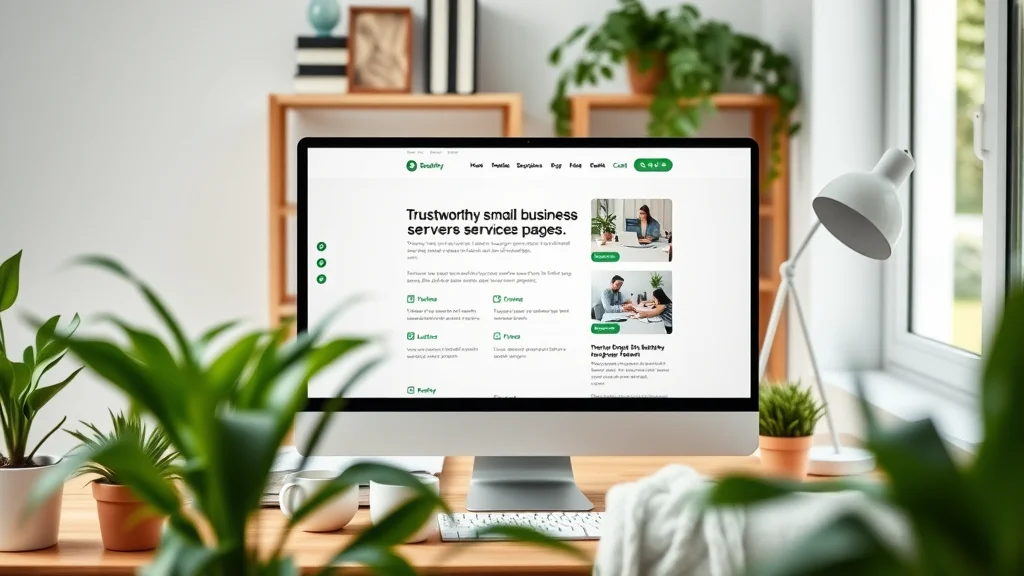
Trustworthy small business website using content marketing services for informative and engaging service pages

Boost Engagement With Video-Enhanced Content Marketing Services

"Videos embedded in blog posts or social media increase customer calls by over 80%." – Tom Parker

Why is video so powerful? Parker notes that video content conveys authority, clarity, and approachability in a way that text alone cannot

Small businesses that leverage video enjoy a distinct advantage. Videos foster a dynamic connection, capturing attention amid a sea of content. With platforms like YouTube and social channels favoring video in their algorithms, this form of content does double-duty: improving your SEO while providing practical, immediate value to the audience. According to Parker’s extensive experience, embedding videos in your site and social posts produces a consistent, measurable lift in calls, inquiries, and qualified leads.

Why Video Content Converts Better for Small Businesses

  • Provides dynamic, engaging information delivery.
  • Captures attention better than text alone.
  • Helps explain complex services clearly.

Video content marketing services for small business, highlighting professional filming and engaging visuals

Key Takeaways: The Power of Content Marketing Services for Lead Generation

"The main takeaway: answering your customers' questions is the pathway to more calls and clients." – Tom Parker

At its core, Tom Parker’s philosophy on content marketing services can be distilled into one transformative insight: “Answering customers’ questions about your services is one of the main ways to get them to call you and to get them to use you for the services that you actually offer.” This people-first, solution-driven content approach remains the lifeblood of any lead generation strategy with real staying power.

The power of this method lies in its dual benefit—serving your audience valuable knowledge, while positioning your brand as the obvious solution in a crowded marketplace. By blending video, dynamic articles, service highlights, and search-optimized FAQs, you’re not just pushing out information—you’re constructing a bridge of trust and expertise straight to your ideal client.

  • Focus content on addressing customer needs and questions.
  • Integrate video for enhanced engagement.
  • Consistently optimize content for SEO to improve discoverability.

Summary: Transform Your Small Business Lead Generation With Strategic Content Marketing Services

  • Leverage detailed, question-answering content to build trust.
  • Utilize video content to boost customer engagement significantly.
  • Recognize the critical timing of content marketing's impact in today’s digital-first customer journey.
"Content marketing isn't just information—it’s your business's tool to build trust that converts." – Tom Parker

Next Steps: How Small Business Owners Can Start Leveraging Content Marketing Services Today

Small business applying content marketing services strategy with digital analytics and planning
  • Audit existing website and content for service clarity.
  • Implement Q&A style articles and blogs addressing leads’ top questions.
  • Incorporate videos into key web content and social channels.

Get Expert Help to Maximize Your Lead Generation

Content marketing services expert team helping small business lead generation in a collaborative office

Contact 1st American Internet Marketing Today

  • Tailored content marketing services specifically designed for small businesses.
  • Data-driven strategies ensuring measurable lead growth.
  • Ongoing support to adapt content as customer questions evolve.

Call us with any questions.

No external links could be added.

Small Biz

0 Comments

Write A Comment

*
*
Please complete the captcha to submit your comment.
Related Posts All Posts
04.20.2026

Navigating Business Structures: Key Differences Between Corporations and LLCs

Update Understanding the Essentials: Domestic Business Corporations vs. LLCs When venturing into the world of entrepreneurship, choosing the right business structure can determine your operational success and financial stability. Among the most popular choices are the domestic business corporation and the limited liability company (LLC). Understanding the key differences between these two entities is crucial for any business owner, as they encompass various aspects including ownership structure, management obligations, taxation, and liability. Ownership Structure: Who Owns What? The primary distinction between a domestic business corporation and an LLC lies in ownership. Corporations are structured around shareholders who hold shares representing their ownership interest in the company. By contrast, LLCs are owned by members, often comprised of individuals who contributed capital or efforts to start the business. Corporations can accommodate an unlimited number of shareholders, making them suitable for larger businesses or those looking to attract outside capital. LLCs, however, offer flexible ownership arrangements, allowing one or multiple members to control the company. The ability to transfer ownership in corporations is straightforward; shares can be easily bought and sold, whereas LLCs often require consent from all members for ownership transfers. This flexibility in LLCs provides a personalized business dynamic that appeals to many small business owners. Management Flexibility: Navigating Corporate Formalities Management structures differ dramatically between corporations and LLCs. Corporations must adhere to strict regulations, including holding annual meetings, maintaining corporate bylaws, and filing periodic reports. This formality may ensure accountability but often incurs additional costs and administrative burdens. In contrast, LLCs allow for a more relaxed approach; they can be managed by their members or appointed managers without the same formal requirements. This can make operations smoother and less cumbersome, inviting entrepreneurs who value autonomy and flexibility in their decision-making processes. The operating agreements of LLCs typically remain internal, protecting sensitive management details from public disclosure. Taxation: The Financial Implications Tax treatment is another pivotal differentiator. Corporations face double taxation where both corporate profits and shareholders' dividends are taxed separately. This can significantly affect net earnings, particularly for smaller corporations. On the other hand, LLCs are typically treated as pass-through entities, meaning profits and losses are reported directly on the owners' personal tax returns. This setup can simplify tax filings, allowing owners to potentially offset other income with business losses. Entrepreneurs should also consider potential self-employment taxes for LLCs, which can influence net income. Liability Protection: Shielding Your Assets One of the primary purposes behind forming either a corporation or an LLC is to obtain limited liability protection. This legal distinction helps safeguard personal assets against the debts and liabilities of the company. In both entities, owners can generally expect that their liabilities will not extend beyond their investment in the business. However, failing to maintain specific corporate formalities can jeopardize this protection. While both structures provide liability protection, variations in state laws and the evolution of LLCs mean that the legal landscapes surrounding these entities can differ. Accordingly, anyone considering either option should carefully review state requirements and consult legal experts. Choosing the Right Structure for Your Business Goals The decision between forming a domestic business corporation or an LLC isn't merely about compliance and regulation. It hinges heavily on the nature and goals of your business. Startups and small businesses may benefit from the flexibility that LLCs offer, particularly if they wish to keep overhead costs low and streamline operations. Conversely, if your vision includes significant funding rounds or a public offering, incorporating as a corporation with established norms for scalability could be the best path forward. Assessing your long-term goals, potential tax liabilities, and management preferences will guide you toward the right choice for your entrepreneurial journey. Practical Tips for Aspiring Business Owners Choosing between a domestic business corporation and an LLC doesn't have to be a daunting task. Start by listing your business's primary goals, assessing your willingness to meet regulatory requirements, and estimating potential returns on investment. Consulting with legal and financial advisers will also provide clarity, ensuring that you are well-informed before making a commitment. Conclusion: Aligning Structure with Vision As you embark on your business journey, understanding the differences between domestic business corporations and LLCs can pave the way for informed decisions. Each structure carries its own strengths and weaknesses, but ultimately, the choice should align with your vision for growth and operational style. Both corporations and LLCs offer unique advantages designed to protect your interests while facilitating your entrepreneurial ambitions. Thus, take a strategic approach in exploring these options further – seeking professional advice and engaging in thorough research can help you transform your business ideas into tangible success.

04.18.2026

Dive Into Customer Satisfaction Surveys: Boosting Engagement with Effective Questions

Update Understanding the Importance of Customer Satisfaction Surveys In today's competitive market, customer satisfaction surveys serve as pivotal tools for businesses seeking to enhance their offerings and solidify customer loyalty. These surveys not only measure how well a company meets the needs of its customers but also provide deeper insights into specific aspects of the customer experience. According to multiple studies, organizations that actively engage in measuring satisfaction are better positioned to identify areas requiring improvement and prioritize actions that resonate most with their customers. Key Questions to Boost Customer Feedback Effective customer satisfaction surveys hinge on well-crafted questions that prompt meaningful insights. Some essential survey questions include: How satisfied are you with our product/service? This basic query gives a quantitative measure of satisfaction on a scale, allowing companies to track trends over time. What specific feature do you appreciate the most? Open-ended questions such as this provide qualitative insights, helping businesses understand what aspects customers value. How likely are you to recommend us to a friend? This question gauges customer loyalty and can feed into metrics like the Net Promoter Score (NPS), crucial for understanding the likelihood of repeat business. Was our service in line with your expectations? This question helps evaluate service effectiveness and areas for improvement. By incorporating these types of questions, businesses can foster a culture of feedback that informs strategic directions and enhances customer relationships. Utilizing Survey Types for Maximum Impact Numerous question formats can be employed in customer satisfaction surveys, each offering unique benefits: Likert Scale Questions: These allow respondents to express varying degrees of satisfaction, lending granularity to the results. Multiple Choice Questions: They streamline the feedback process by giving customers defined options to choose from, enhancing data collection efficiency. Open-Ended Questions: Such inquiries invite narrative responses, illuminating specific areas for improvement or success. Ranking Questions: These help businesses identify where priorities lie for their customers, shaping future offerings directly in line with consumer expectations. The selection of survey formats should align with the core objectives of the feedback process to ensure a comprehensive understanding of customer sentiment. The Role of Question Clarity One critical element in devising effective customer satisfaction surveys is ensuring question clarity. Clear questions promote better comprehension and accurate responses, reducing the likelihood of bias and confusion among respondents. When people understand what is being asked, they are more likely to provide thoughtful and accurate feedback. To enhance clarity: Avoid industry jargon that may alienate respondents. Keep questions concise and focused on one topic at a time, reducing cognitive load. Ensure that survey questions align with the purpose of the survey so that every question contains significance. By ensuring clarity, businesses can significantly enhance the reliability of their survey data. Analyzing Feedback for Insightful Actions The true value of customer satisfaction surveys lies in the analysis of collected data. Businesses must not only gather data but also scrutinize it for trends and insights. For example: Identify recurring themes in open-ended responses. Compare quantitative ratings across different time points to spot trends. Utilize findings to influence strategic decisions regarding product adjustments or service improvements. Taking action based on feedback reinforces the notion that customer voices are valued, which can cultivate greater loyalty in the long term. Conclusion: The Future of Customer Satisfaction Reviews In a marketplace where consumer preferences shift regularly, leveraging customer satisfaction surveys will remain an essential practice for all businesses. By focusing on well-formed questions, maximizing clarity, and using feedback for actionable improvements, companies can secure a competitive edge and bolster customer loyalty. As we advance, embracing modern technologies and methodologies in survey practices will empower businesses to adapt and thrive based on their customers' needs, ultimately ensuring a more satisfying customer journey.

04.18.2026

Stop Solving the Wrong Problems in Your Business: Unlock True Growth

Update Understanding Blind Blaming: Why Business Leaders Misdiagnose Problems In today's complex business landscape, entrepreneurs often find themselves trapped in a cycle of ineffective problem-solving. This phenomenon, termed "blind blaming," occurs when leaders attribute business challenges to obvious causes—often misjudging the root of the problem. For example, Kevin St. Clergy, a business coach and author, highlights this issue in his insightful podcast episode discussing how team leaders frequently misdiagnose obstacles as marketing failures rather than examining underlying processes or team dynamics. Unlocking True Potential with the RCD Method The RCD Method (Reflect, Connect, Decide) crafted by St. Clergy aims to combat this destructive pattern. Unlike traditional problem-solving approaches that rush to action, the RCD Method encourages introspection and collaboration. It asks leaders to reflect on whether they're considering all variables, connect with external advisors to gain new perspectives, and finally, make informed decisions based on clarity rather than assumption. This transformative strategy empowers entrepreneurs to pinpoint hidden bottlenecks that may be stalling their success. The Role of Reflection in Business Growth One might wonder how pausing to reflect can catalyze growth in a fast-paced business environment. St. Clergy emphasizes the importance of setting aside dedicated thinking time. This isn't merely about slowing down; it's about creating the space to explore deeper issues that affect performance. High-performing leaders often shy away from reflection, mistaking busy schedules for productivity. However, deliberate contemplation can reveal critical insights that lead to more effective strategies. Common Misdiagnosed Problems in Business Ironically, the most common "problems" entrepreneurs identify often stem from misconceptions about their business operations. Many business owners assume that lack of leads equates to a marketing problem. However, St. Clergy recounts experiences of clients who discovered that their real issue lay in their sales process or customer engagement strategies. By fully understanding their sales mechanisms, these leaders shifted their approach, realizing that enhancing customer experience and refining internal processes played a larger role in their success. Transforming Mindset for Lasting Change It's important to recognize that mindset heavily influences outcomes in business. St. Clergy notes that limiting beliefs—like the assumption that hard work alone guarantees success—can severely affect performance. By expanding what leaders believe is possible and shifting focus from symptom-solving to addressing root causes, business owners can unlock significant growth opportunities. Embracing Change: The Path to Transformation The crux of breaking free from blind blaming lies in understanding the distinction between transactional relationships and transformational partnerships. Modern consumers crave more than just services; they seek outcomes. Businesses that adapt to this need and foster genuine connections with clients enjoy higher retention rates and remarkable growth. As entrepreneurs revisit their operational strategies, they should pivot to understand what their clients truly desire and how they can build long-lasting relationships rather than short-term transactions. In conclusion, revising how we diagnose problems and discover their underlying causes can pave the way for bold decisions and transformative growth in any organization. Businesses standing at this juncture should consider seeking guidance from mentors, peers, or even professional coaches. By challenging ourselves to identify and address the right problems, we can stop spinning our wheels and begin to accelerate towards success more effectively.

Terms of Service

Privacy Policy

Core Modal Title

Sorry, no results found

You Might Find These Articles Interesting

T
Please Check Your Email
We Will Be Following Up Shortly
*
*
*
