UPDATE
  • Home
  • Categories
    • Business and Economy
    • Community
    • Small Biz
    • Policy and Law
    • Real Estate
    • Modern Life
    • Explore the U.S
May 14.2026
1 Minute Read

Unlock Local SEO for Small Business and Boost Sales Fast

Imagine a potential customer strolling down your street, smartphone in hand, searching for the perfect local service or product. With a single search, your business could appear right at the top, inviting new customers through your door—if you’ve mastered local SEO for small business. In today’s digitally driven world, being visible to those searching nearby is the ultimate sales booster. This guide reveals how local SEO can transform your local presence, help you outrank competitors, and build lasting growth, all with practical, actionable steps tailored for small businesses.

Local SEO for small business - Inviting local storefront owner welcoming customers on a bustling main street

Why Local SEO for Small Business is a Game-Changer

For small businesses, attracting customers in the immediate area is often as vital as the products or services they offer. Local SEO for small business is a transformative approach, enabling your business to rank higher in local search results and directly connecting you with nearby potential customers. With the rise of mobile searches, consumers rely on finding trustworthy, relevant businesses within minutes of their location. Investing in local SEO means you’re visible precisely when intent to purchase or visit is at its peak—when your future customer is making quick decisions in your neighborhood.

Going beyond just a basic website or social presence, a strong local SEO strategy positions your business profile in the crucial local pack, map results, and organic search. As a result, your small business can more easily stand out among local competitors, attract foot traffic, and convert online visibility into real-world customers and sales. The upshot? Local SEO changes the game for small businesses by making every search an opportunity to engage and convert in your backyard.

Observing Your Neighborhood: The Power of Presence in Local SEO for Small Business

Your physical presence and digital efforts must align for maximum impact. Successful local SEO for small business begins with a keen awareness of the neighborhood’s pulse—knowing local events, understanding seasonal trends, and listening to community needs. By crafting a local business profile and maintaining accurate local citations, small businesses show search engines and potential customers alike that they are truly an integrated part of their community. The more your business “shows up”—in digital directories, local rankings, and online maps—the more likely you are to transform curious browsers into loyal local customers.

What You'll Learn About Local SEO for Small Business

  • The fundamentals of local SEO for small business
  • Core tactics to enhance search engine visibility
  • How to structure your SEO strategy for sustainable growth
  • Practical steps to boost your business profile
  • Measuring and optimizing local SEO strategy performance

Businessperson analyzing local SEO on digital map with data charts, business profile, and local search results

Understanding the Basics: What is Local SEO for Small Business?

Defining Local SEO and Its Importance for Small Businesses

Local SEO for small business is a branch of search engine optimization focused on elevating a company’s visibility in location-based searches. When potential customers search for services or products “near me,” or specify their city or neighborhood, search engines draw on local signals to show the most relevant nearby businesses. For small businesses, this means ensuring your name, address, phone number, and profile data are accurate across all directories. Effective local SEO makes sure your small business pops up when it matters most—helping bring in local customers who are ready to act.

Ultimately, local SEO goes beyond just being found online; it builds trust with local searchers. A small business that appears in local search results, features consistent business citations, and maintains an up-to-date business profile sends signals to search engines—and customers—that it’s reputable and ready to serve. That’s why for small businesses, investing in local search engine optimization isn’t optional; it’s fundamental to competing in today’s search-driven world.

How Search Engines Interpret Local Intent

Modern search engines like Google use advanced algorithms to decipher searchers’ intent, blending keyword relevance with local signals, such as business proximity, review count, and the completeness of business listings. If someone searches for “best coffee shop in downtown,” Google interprets this as local intent and prioritizes businesses close to the user’s location in the search result. This is why optimizing for local keywords and ensuring your business information is consistent across the web is essential to show in relevant local search results.

For small businesses, making it clear to search engines what neighborhood you serve and what you offer is key. Claim and refine your profiles, update your business description, and respond to reviews to strengthen these local intent signals. Search engines reward these actions by showcasing businesses higher in local search rankings, which translates to more eyes on your offerings and more visitors through your doors.

Major Pillars of Local Search Engine Optimization

A powerful local SEO strategy rests on several foundational pillars: accurate business citations (your business listed consistently across online directories), targeted local keywords, and verified profiles on major search providers. Another critical element is on-page optimization, ensuring your website contains location-rich content, structured data, and fast performance on mobile devices. Regularly gathering and responding to customer reviews also increases your trustworthiness in the eyes of both potential clients and search engines.

Additionally, local backlinks—the links from other locally relevant websites—act as vote of confidence for your business. Finally, ongoing monitoring and optimization close the loop, allowing you to track what’s working and fine-tune your SEO strategy for long-term growth. Mastering these pillars makes it more likely your small business appears in the coveted local pack, map listings, and organic search results.

Local SEO Strategy: Building Blocks for Small Businesses

Choosing the Right Local Keywords for Search Engine Optimization

Selecting the right local keywords can make the difference between missed opportunities and search engine success. Local keywords are search terms that pair your product or service with a specific location—for example, “plumber in South Brooklyn” or “event florist near downtown. ” Start by brainstorming services you provide, then add place names and common phrases nearby customers use. Use tools like Google Keyword Planner or Moz’s keyword explorer to discover keyword volume and competition for your area. Aim for a mix of broad and specific keywords that reflect how your target audience truly searches.

Once you’ve identified the right keywords, weave them naturally throughout your website’s key pages, including title tags, service pages, and blog content. This alignment ensures search engines recognize and index your business for relevant local search queries. Remember, business listing platforms and directories also scan your profiles for local keywords—so be consistent across your digital footprint for maximum impact.

Focused marketer researching local keywords for SEO strategy in a coffee shop setting

Claiming and Optimizing Your Business Profile on Search Providers

Your business profile serves as the digital storefront across search engines like Google, Bing, and Apple Maps. Claiming and verifying your business on these platforms, especially via Google Business Profile (formerly Google My Business), is non-negotiable for small businesses aiming to dominate local search results. Fill out every detail: business name, address, phone number, hours, categories, website, and attributes. The more complete your listing, the more search engines trust it—and the higher you’re likely to rank in the coveted local pack.

Regularly update your business profile with fresh photos, posts, special offers, and accurate operating hours. Monitor and reply to customer questions to build rapport and trust. An optimized business profile not only increases your search visibility and attract new customers, but also provides a platform for gathering and showcasing glowing reviews, which further supercharges your local search performance.

Local Citations and Business Listings: Why Consistency Matters

A local citation is any mention of your business online, especially in directories such as Yelp, Yellow Pages, Apple Maps, and social platforms. For effective local SEO for small business, your business listings must be consistent everywhere—down to exact spelling, phone number format, and address. Inconsistencies confuse search engines, potentially causing your business to rank lower in search results, and eroding customer trust.

Take a thorough inventory of your business citations and correct discrepancies. Use citation management tools or spreadsheets to track where your info appears. Besides improving your local search ranking, citation management also lets potential customers find accurate details wherever they search, increasing your chances of converting online visibility into real-world business.

Incorporating Local Keywords Throughout Your Online Presence

Local SEO doesn’t stop at your main website pages. Spread your local keywords across your social media profiles, directory listings, and even business descriptions in community forums. Your online presence should consistently reinforce the locations you serve and the services you provide. The more frequently your business name and relevant keywords are associated, the clearer it is to both search engines and prospective customers where you operate and what makes you the leading local pick.

Integrating local keywords in blog content, image alt tags, and social updates can boost search engine optimization naturally. This also increases the likelihood of ranking in more specific local search result pages, attracting local customers actively seeking your products or services.

Crafting an Effective SEO Strategy for Small Business Growth

On-Page SEO for Local Businesses: Best Practices

  • Optimizing title tags with local SEO for small business: Include city, neighborhood, or regional terms in title tags for each web page.
  • Adding local business schema markup: Use structured data to help search engines recognize your business location and services.
  • Leveraging customer testimonials: Showcase local reviews and testimonials to build trust with search engines and future customers.

Blend these on-page tactics seamlessly with compelling copy. Don’t keyword-stuff; instead, educate and reassure local customers by prominently displaying your credentials, affiliations, and community involvement. A well-optimized local website will increase both your organic search ranking and conversion rates.

Off-Page SEO and Local Backlinks for Small Businesses

Off-page SEO refers to actions taken outside of your own website to raise your business’s position in search rankings. Building local backlinks from credible community organizations, news outlets, chambers of commerce, and other businesses signals relevance and authority to search engines. These local citations act like votes of confidence, showing that your small business is trusted locally.

Pursue partnerships with local vendors, offer to write guest posts for area blogs, and attend community events to gain more mentions and links. Each quality backlink increases trust, moves you up in search results, and brings more local customers to your digital doorstep.

Small business owner networking for local SEO and off-page backlinks in coworking space

Engaging with Local Digital Marketing Communities

Digital marketing communities, local forums, and neighborhood groups are valuable platforms to reinforce your local presence. By networking with other local businesses, sharing updates, and participating in discussions, you expand your reach and earn natural backlinks. Digital engagement not only draws the attention of local customers—but also helps search engines trust your presence and relevance.

Monitor trending conversations, participate in city-wide events, and showcase your business profile on platforms like Nextdoor or local Facebook groups. These strategies build awareness, foster loyalty, and may even lead to news coverage and organic citations, further strengthening your local SEO for small business and SEO strategy.

Optimizing Your Google Business Profile for Local Search Engine Performance

Crafting a Compelling Google Business Listing

Your Google Business Profile is often the first impression a customer will see when searching locally. Create a well-written business description, highlighting your unique value in the community. Select the most relevant primary and secondary categories so you’re matched with the right local queries. Complete your profile with accurate business hours, address, phone number, and website link—never leave a field blank.

Add attributes (like wheelchair access, family-friendliness, or pet policies) to help attract niche audiences. The more detailed, accurate, and updated your Google listing, the more likely you are to appear in local search engine results and Google Maps—sending both new and repeat customers your way.

Uploading High-Quality Images & Videos to Enhance Your Business Listing

Visual content plays a critical role in convincing customers to visit your small business. Upload high-quality photos and short videos of your storefront, products, happy customers, and team—these aren’t just for promotion, but for driving action. Listings with rich imagery get more clicks and are perceived as more trustworthy by people and search engines alike.

Rotate in fresh photos, highlight special events or new inventory, and use video to offer quick tours or testimonials. Properly tagged and updated imagery not only enhances your business profile, but increases your chances to stand out in both Google Maps and organic local search.

Encouraging Positive Reviews to Boost Search Provider Rankings

Local reviews influence both potential customers and search providers. Proactively encourage satisfied customers to post reviews, and always respond politely to feedback—positive or negative. Each review contributes to your trust signals, affecting how local search engines position you in results.

Integrate review requests into your follow-up emails or thank-you cards, and gently mention how they help your small business grow. Monitor reviews across all platforms, not just Google; consistency and engagement on Yelp, Facebook, and other directories also factor into your local SEO strategy and search engine performance.

Mobile SEO for Small Business: Capturing Local Customers On-the-Go

Modern consumer using smartphone for local SEO search in urban shopping district

Why Mobile Optimization Matters for Local SEO Strategy

A majority of all local searches happen on mobile devices, often with immediate intent to visit or contact a business. If your website isn’t optimized for mobile—quick loading, easy navigation, clickable phone numbers, and visible maps—you risk losing leads to competitors who offer a better experience. Mobile SEO ties directly to local SEO performance, especially for businesses whose customers act on-the-go, like restaurants, retail shops, or emergency services.

Mobile-friendly sites rank higher in local search results, create a positive first impression, and are more likely to convert fleeting curiosity into foot traffic. Investing in a mobile-optimized website is integral to any effective local SEO for small business plan.

Best Practices to Optimize for Local Mobile Searches

Begin with a responsive website design so your content looks great on every screen. Reduce load times by compressing images and minimizing unnecessary scripts. Make your contact details, location, and key services prominent—preferably with click-to-call buttons and embedded map directions. Opt for concise copy and large, thumb-friendly buttons. Regularly test your site on different mobile devices to spot any friction points before your customers do.

Beyond your website, ensure your business profile and listings are accurate and accessible from mobile search, too. Engage with social media and use location-based promotions to attract customers searching while out and about. All these efforts work together, letting you truly capture local customers on-the-go and outshine the competition in mobile search results.

Tracking Local SEO Performance for Small Businesses

Choosing the Right Metrics for Your Local SEO Strategy

Measuring your progress is key to understanding the return on your local SEO for small business investment. Key metrics include search rankings for target local keywords, volume of impressions in Google Search Console, click-through rates, calls or website visits from Google Business Profile, and the number of direct requests for directions. Tracking local citation completeness and review counts also gives insight into how well your business is resonating with both search engines and potential customers.

Set baseline numbers early, then track regularly to identify increases in local visibility or dips where action is needed. These insights help you course-correct your SEO strategy, fine-tune campaigns, and double down on the tactics producing real business results.

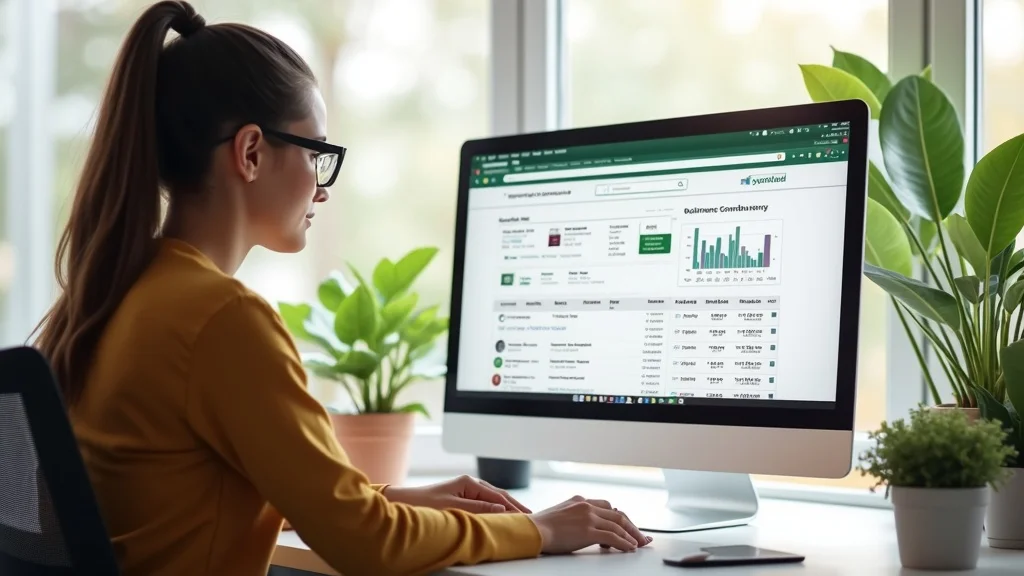
Business owner tracking local SEO performance and business profile analytics on desktop monitor

Tools for Monitoring Local Keyword Rankings and Business Listings

Several affordable and user-friendly tools make it easy to monitor local keyword rankings and manage your business listings. Platforms like Moz Local, SEMrush, BrightLocal, and Google Search Console provide dashboards to track your search rankings, local listing consistency, and citation performance. Most tools alert you to changes—like a new competitor entering your space or a slip in your map pack position—so you can address issues quickly.

Regular check-ins ensure your local SEO strategy stays on track, and help you spot promising keywords or listing opportunities you might have overlooked. If you notice a drop in rankings, tools can pinpoint whether it’s an on-page issue, a missing citation, or a review problem, letting you fix problems fast.

Analyzing Traffic Sources with Search Engine Optimization Tools

Reviewing website analytics reveals which sources—organic search, maps, direct visitors, or referral traffic—drive the most engagement for your business. Tools like Google Analytics, Bing Webmaster Tools, and dedicated SEO dashboards illustrate where your traffic comes from and how local search is contributing to real sales, appointments, or in-store visits.

Use this data to focus your energy: does map traffic surge on weekends? Are reviews influencing click-throughs? Tie your actions to outcomes so your local SEO for small business effort becomes not just a marketing channel, but a steady generator of growth.

Local SEO for Small Businesses: Frequently Overlooked Tactics

Building Local Citations for Increased Visibility

One commonly overlooked local SEO tactic is building business citations. Submitting your details to industry-specific directories, community websites, and location-based aggregators expands your reach and strengthens your trust with search engines. Don’t just stick with the giants (Google, Yelp); seek out hyperlocal options—like city business directories or event listings—which often face less competition and have strong local relevance.

Audit these listings periodically to ensure accuracy across platforms. Misaligned citations dilute your local authority, negatively affecting your presence in local search results. Treat citation management as an ongoing part of your SEO strategy, not a one-time task.
Small business marketer checking and verifying local citations for SEO strategy

Leveraging Community Engagement for Local Search Signals

Beyond directory listings, real-world and digital community engagement provide some of the strongest trust signals for local search. Sponsor a local event, host a charity drive, or partner with neighborhood organizations and share these activities online. Use your website’s blog or social platforms to recap your involvement, generating natural links and shares.

The more engaged your small business is locally, the more search engines and local customers will reward you. As a bonus, these efforts foster brand loyalty and positive word-of-mouth—two intangible but powerful engines for growth anchored in real community connection.

Quote

"Local SEO for small business is about more than visibility; it’s the bridge connecting your storefront to the digital world of local consumers."

Table: Comparing Local SEO Tactics for Small Business Success

Tactic Purpose Best For
Google My Business Optimization Improves map and local pack ranking Retail, Services
Local Keyword Targeting Enhances relevancy to search engine users All small businesses
Local Citations Increases trust with search engines Multi-location businesses
Mobile Optimization Captures on-the-go customers Food, Emergency Services
Community Engagement Drives real-world connections Event-based, Retail

People Also Ask: Local SEO for Small Business

How much should a small business pay for SEO?

Budgeting for local SEO for small business depends on the complexity of your SEO strategy, level of competition, and resources required. Small businesses can often start with foundational efforts internally and later invest in professional services as their needs grow.

Is SEO dead or evolving in 2026?

SEO—including local SEO for small business—continues to evolve with search engines’ algorithms. Personalized results, voice search, and local intent keep SEO dynamic and ever-relevant.

Is doing a local SEO worth it?

Yes, focusing on local SEO for small business provides significant potential to attract nearby customers and grow organic traffic, making it essential for local businesses.

What is the 80 20 rule of SEO?

For small businesses using local SEO, the 80/20 rule suggests that 80% of results come from 20% of focused, high-impact SEO strategies—like optimizing business profiles and building authoritative citations.

Small business team celebrating success with local SEO and new online orders

Actionable Checklist: Local SEO for Small Business Optimization

  1. Audit your current business profile and online presence
  2. Research local keywords relevant to your services
  3. Claim and verify your Google Business Profile
  4. Build consistent business listings and local citations
  5. Encourage and manage online reviews
  6. Engage in local link-building and community marketing
  7. Monitor local SEO and search engine performance regularly

Frequently Asked Questions About Local SEO for Small Business

What is local SEO and why does it matter for small businesses?

Local SEO for small business refers to optimizing your digital presence to rank higher for location-based searches and attract nearby customers. It matters because most local consumers are ready to buy, making visibility in local search results crucial for sales.

How long does it take to see results from a local SEO strategy?

Results from a local SEO strategy can vary based on competition, existing online presence, and the scope of optimizations. Most small businesses begin to see noticeable improvements within 3 to 6 months of active, consistent work.

Should I hire a local SEO provider or do it myself?

For many small businesses, starting with DIY local SEO tactics is a cost-effective way to build momentum. As needs become more complex or competition increases, hiring a specialist can help accelerate growth and maximize return on investment.

Does local SEO work for all types of small businesses?

Yes, local SEO is effective for nearly every local business type, including retail, services, hospitality, medical, and more. It is especially vital wherever customers search for solutions within a specific geographic area.

How can I maintain my search engine rankings for local keywords?

To maintain rankings, regularly update your business profile, earn new reviews, build local backlinks, keep directory citations accurate, and refresh your website with relevant content focused on local keywords.

Key Takeaways to Elevate Your Small Business with Local SEO Strategy

  • Local SEO connects small businesses to customers in their area.
  • Consistent business citations and optimized profiles are vital.
  • Engagement and reviews fuel local search success.
  • Continuous strategy and measurement drive long-term growth.

Ready to Unlock the Full Potential of Local SEO for Small Business?

Get A Proprietary Profit Growth Plan For Your Business

Small Biz

0 Comments

Write A Comment

*
*
Please complete the captcha to submit your comment.
Related Posts All Posts
05.13.2026

Who Really Pays Corporate Tax? Uncovering the Hidden Costs

Update Understanding the Complexities of Corporate Tax When navigating the landscape of corporate taxation, many may assume that C corporations are solely responsible for the tax burden. However, a closer examination reveals that the impact stretches far beyond the company’s balance sheet. Various stakeholders—workers, shareholders, and consumers—feel the ripple effects of corporate income tax. In fact, studies estimate that up to 70% of corporate tax burdens may ultimately affect workers, leading to lower wages and fewer job opportunities. The Legal and Economic Aspects of Corporate Income Tax Corporate income tax (CIT) is levied specifically on the profits of C corporations, with the current federal rate set at 21%. This rate marks a significant decrease from the previous 35% under the Tax Cuts and Jobs Act of 2017. While CIT is a crucial source of federal revenue—anticipated to generate approximately $524 billion in 2025—the burden of taxation does not fall on corporations alone. Instead, the economic repercussions are shared, with workers often facing reduced wages and consumers potentially paying higher prices for goods and services. Who Bears the Cost of Corporate Taxation? The economic consequences of corporate tax are glaringly evident in wage distributions and investment returns. As approximately 80% of the corporate income tax burden is borne by investment returns, shareholders can suffer from reduced dividends and capital gains. A striking insight reveals that labor may bear more than half of the corporate tax burden; estimates show this figure could climb to as high as 70%. This reinforces the reality that as corporate taxes rise, companies adjust their business strategies, often leading to investment declines, which exacerbate economic stagnation. The Wider Economic Impacts: Wages and Productivity Numerous studies demonstrate the significant influence of corporate taxes on wages. For instance, when corporate tax rates increase, investment usually declines, resulting in diminished productivity, which in turn reduces employee compensation. In a detailed economic analysis, researchers found that a $1 increase in corporate taxes correlates to a $3 reduction in GDP, illustrating the profound economic repercussions tied to corporate taxation. Conversely, post-Tax Cuts and Jobs Act, workers saw an increase of nearly $700 in labor income per employee, highlighting the benefits of lower corporate taxes on the workforce. The Global Context and Future Implications In today’s interconnected global economy, high corporate taxes can drive investment abroad as businesses seek friendlier environments for their capital. This shift not only diminishes domestic job opportunities but also creates a capital-to-labor imbalance, further depressing wages for American workers. Therefore, understanding the broad effects of corporate taxation becomes crucial, especially as policymakers debate potential tax reforms. Moving forward, it’s imperative that discussions around corporate tax are thorough, taking into account the varied stakeholders affected by tax policies. Concluding Thoughts Returning to the initial query—who pays company tax?—the answer is multifaceted. While corporations are tasked with paying these taxes, the burden significantly impacts workers, shareholders, and consumers. By understanding these dynamics, we can foster more informed discussions about corporate taxation and its necessary role in our economy.

05.12.2026

How to Rank in the Google Map Pack: Secrets Revealed

Imagine a customer nearby searching “best plumber near me”—and your business pops up in the coveted top three slots on Google Maps, fueling calls and walk-ins every day. That prime real estate is no accident. How to rank in the Google Map Pack is a game-changer for local businesses looking to outshine competitors and capture ready-to-buy customers in their neighborhood. In this guide, we’ll break down actionable strategies, reveal critical ranking factors, and help you understand what really moves the needle for local SEO and pack ranking. Unlocking Visibility: Why Learning How to Rank in the Google Map Pack Matters for Local Businesses For local businesses competing in today’s digital landscape, mastery of how to rank in the Google Map Pack is often the difference between thriving and surviving. When your business appears in the Map Pack, you enjoy prime visibility atop search engine results pages—right when prospective customers are searching for your services. Businesses that “crack the code” see more calls, in-store visits, and high-value leads than those buried below. Not only does a high local rank build instant trust, but it also positions your brand as the go-to choice in your area. With searchers favoring the businesses that display key information—directions, reviews, hours, and phone numbers—Map Pack ranking can directly influence your bottom line. This article delivers exactly what you need: field-tested strategies, key ranking factor insights, and practical steps to boost your own pack ranking. What You'll Learn About How to Rank in the Google Map Pack The crucial ranking factors for Google Map Pack success How to optimize your business profile and listing Actionable steps to improve your local SEO and search engine visibility Common mistakes that hurt local ranking and how to avoid them Understanding the Google Map Pack and Local SEO What is the Google Map Pack and Why Does it Matter for Local Ranking? The Google Map Pack (sometimes called the “Local 3-Pack”) refers to the group of three local business listings featured with a map at the top of Google’s local search results. When someone searches for a local service—like “best pizza near me” or “emergency plumber [city]”—these listings appear above organic results, showing business names, ratings, hours, and quick access to directions or calls. Securing a spot in the Map Pack means instant trust and higher local ranking. It’s an exclusive online front window that puts your business profile front and center before motivated customers. In competitive local industries, the ability to improve your local map and Map Pack ranking can single-handedly fuel brand growth by funneling targeted, ready-to-convert clientele directly to you from the search engine. The Connection Between Local SEO and How to Rank in the Google Map Pack Local SEO is the key discipline behind how to rank in the Google Map Pack. Unlike traditional SEO, which aims to boost general search ranking, local SEO specifically fine-tunes your digital presence for geo-targeted search results. The Map Pack algorithm prioritizes businesses based on three pillars: relevance to the query, distance/proximity of the business to the searcher, and prominence based on reputation, reviews, and web signals. The strategies that elevate your visibility in local search results—such as optimizing your business profiles, ensuring consistent information across platforms, and supplying a robust landing page and review profile—are tailor-made for Map Pack placement. Even the best businesses can stay invisible without understanding and applying these local pack ranking principles. "Local businesses that master the map pack often see a dramatic increase in leads and calls from highly targeted customers. " Core Factors: How to Rank in the Google Map Pack According to Search Engine Guidelines Relevance: Optimizing Your Business Profile for Local Search Relevance is about matching your business profile to what users are actively searching for. Your Google Business Profile (formerly known as Google My Business) must be meticulously filled out: correct business categories, descriptive information about services, accurate NAP (name, address, phone number) details, operating hours, and up-to-date images. Every field tells Google and potential customers what you do, increasing your relevance and the odds you’ll be included in local search results and the Map Pack. Don’t overlook the description and service area fields—these can further reinforce your primary service and help you appear for a broader set of relevant searches. Optimizing your business profile for local search ranking also involves choosing the right categories: be specific (e. g. , “Cosmetic Dentist” over just “Dentist”) and add secondary categories if you serve multiple specialties, further enhancing your pack ranking odds. Proximity: The Role of Location in Local Map and Local Ranking Proximity is a ranking factor you cannot directly control, but it’s essential for how to rank in the Google Map Pack. Google evaluates how close your business is to the searcher’s current location or indicated service area. For “near me” searches, businesses physically closer to the searcher are more likely to appear in the Map Pack, regardless of other factors. To maximize your local map visibility, ensure your business address and service area details are meticulously accurate in your profile and across all business listings. If your business serves multiple locations, consider setting up separate verified profiles and location-based landing pages for each, further improving your local ranking in various neighborhoods or cities. Prominence: Earning Trust to Improve Your Local Pack Ranking Prominence measures how established your business is online and within your community. This is determined by quantity and quality of reviews, local citations, mentions of your business across trusted directories, and your standing on trusted platforms (like Yelp or TripAdvisor). The more visible, credible, and engaged your business is online, the more likely Google is to feature you prominently in the Map Pack. Effective prominence strategies include building up positive reviews, responding quickly (especially to a negative review), and ensuring your business information (NAP) is consistently listed across all directories. This not only cements your search engine trust but also positively impacts customer decision making in local search environments. Optimize your business category and description Ensure NAP consistency across business listing platforms Strengthen your presence with reviews and citations Step-by-Step Guide: How to Rank in the Google Map Pack Faster Claim and Fully Optimize Your Google Business Profile Start by claiming your Google Business Profile (GBP)—the foundation for local SEO performance. Accuracy and completeness are non-negotiable: double-check your business name, address, phone number, and select the most appropriate business categories. A fully optimized profile features detailed service and product listings, robust business descriptions, high-resolution photos, current hours, and up-to-date contact details. Frequent updates and active management, such as posting news, special offers, and engaging with Q&A, signal freshness to both Google and customers. For multiple locations, each must have a dedicated, accurate business listing. Use your business profile to highlight unique selling points, reinforce local relevance, and address common queries—all factors that push you up in the Map Pack. Local SEO On-Page Essentials for Local Rank Improvements Your website is still vital for local SEO. Optimize key landing pages (such as your homepage and dedicated service or location pages) with city and service keywords naturally in titles, headers, and content. Ensure your full business name, phone number, and service area are visible and consistent. Embedding a Google Map on your contact page and incorporating schema markup boosts local pack and search engine signals. A mobile-friendly web design isn’t just good user experience—it is a local ranking requirement, as searchers increasingly use smartphones for local information. Structured landing page content, fast load times, and clear calls-to-action (like booking forms or phone call buttons) further drive conversions and reinforce your eligibility for Map Pack selection. Building High-Quality Local Citations to Increase Pack Ranking A local citation is any online mention of your business name, address, and phone number—on directories, review sites, social platforms, and local business indexes. High-quality, consistent citations show search engines your business is reputable and established, significantly improving local pack visibility. List your venture on core directories (Google, Facebook, Yelp, Bing) as well as niche-specific and local platforms relevant to your industry and geography. Audit for and correct NAP inconsistencies. Inaccurate data can undermine your credibility and suppress your local ranking. Regularly update each listing, and include as much detail as possible: categories, descriptions, business hours, and landing page links that reinforce your local presence. The more citations your business earns from trusted, location-focused sources, the stronger your Map Pack signals become. Gathering, Managing, and Responding to Reviews — Including Handling Negative Reviews Properly Customer reviews are among the most powerful ranking factors in Google’s Map Pack algorithm. To boost your positive reviews, encourage satisfied clients after each transaction—through email, text, receipts, or in-person requests. Make it simple: provide a direct link to your review page. Reviews influence both your search engine standing and customer decision-making. Never ignore a negative review; respond thoughtfully, acknowledge any issues, and publicly show your commitment to resolution—this demonstrates trustworthiness. Use a review monitoring system to track and reply to all feedback. Consistently acquiring and managing both positive and negative reviews helps solidify reputation signals that drive pack ranking improvements and enhance your local search results presence. How to get more positive reviews Responding to negative reviews Monitoring your local business reputation Leverage Landing Pages for Enhanced Local Search Performance Dedicated landing pages are a powerhouse tool for local SEO. If you serve multiple neighborhoods, cities, or zip codes, create tailored landing pages for each service area. These pages should include unique, location-specific content with local keywords, testimonials, and even directions or proximity statements. This not only gives you a greater chance to rank in several local search results but ties your business profile and local map presence directly to those regions. Landing page optimization should also include NAP details, service menus, and hyperlocal content (e. g. , mentioning landmarks or community involvement). This hyper-targeting of web content gives Google strong “local rank” signals and often pushes your business higher in local Map Pack and organic results. Photos and videos authenticate your business and create a stronger impression in the Map Pack. Upload high-quality, current images of your storefront, team, products, and services. Include geotags when possible—these embed location info into your files, helping Google validate your physical local presence. Video content—even short introductions or virtual tours—can add depth to your business listing and build trust with potential customers. Encourage staff and happy clients to appear in visuals, and ensure all media is clear, professional, and matches your overall branding. These visual signals work hand-in-hand with text-based SEO tactics to propel your business up the local map pack. Expert Insights: Common Challenges in Achieving Map Pack Ranking Why Some Local Businesses Struggle With Map Pack Rankings Many local businesses with quality services and loyal customers still struggle to achieve a strong local pack presence. Often, the culprit is incomplete or inconsistent business profiles, weak online reputation management, or a lack of fresh content and engagement. Failing to encourage positive reviews or reply to negative ones also signals neglect, harming both pack ranking and public perception. Another common hurdle is not optimizing for each individual location or service area. Businesses with multiple locations should treat each as its own digital asset—unique web pages, distinct business listings, and local focus are essential. Remaining static in your approach and overlooking review, content, or citation-building opportunities can also stall or reverse your climb in the Map Pack. Top Mistakes Preventing Strong Local Ranking and Local SEO Gains Even well-intentioned business owners can fall into traps that tanks their search ranking. The most critical errors include leaving business profile fields incomplete, failing to update listings after changes, ignoring the importance of review acquisition and management, or overlooking the need for separate landing pages for multiple service areas. Likewise, inattention to negative reviews allows single complaints to damage your Map Pack trust and reputation. A smart, proactive approach where you audit your online presence, build citation quality, and interact with your client base keeps your business profile at the front of the pack as Google’s algorithm evolves. Incomplete business profile information Ignoring review acquisition and response Lacking location-based landing pages Overlooking the impact of negative reviews "Attention to profile details and customer perception often separate leaders from laggards in Google Map Pack rankings. " How to Rank in the Google Map Pack: Key Ranking Factors and Their Impact Ranking Factor Impact on Map Pack Ranking How to Optimize Business Profile Relevance High Complete all profile fields; choose accurate categories and detailed descriptions Proximity to Searcher High Verify address, keep NAP consistent, and clearly define your service area(s) Prominence (Reviews & Citations) Very High Build reviews, respond promptly, and ensure listings match across the web On-Page Local SEO Medium Optimize landing pages with local keywords, schema markup, and mobile design Images & Visual Content Medium Add high-quality geotagged photos/videos regularly Advanced Tactics: How to Rank in the Google Map Pack in Competitive Industries Geo-Targeted Content and Location-Based Landing Pages If you’re in a crowded niche, geo-targeted content is your edge. Develop content for each neighborhood, suburb, or city in your service area. Populate dedicated landing pages with hyperlocal info: nearby landmarks, client stories, or “services in [area]” guides. Search engines prioritize detailed, relevant, and unique pages for each segment, strengthening your positioning for multiple local searches and, by extension, the Map Pack. Tie your Google Business Profile and business listings directly to the respective landing page, reinforcing each location’s relevance and helping cement a top pack ranking across a broader footprint. Localized Link Building and Outreach Backlinks from local organizations, charities, suppliers, and respected area blogs are a powerful indicator of community authority. Sponsor local events, join business associations, or collaborate with local web outlets to earn these authoritative links. Localized PR and outreach can amplify your site’s trust signals, which, combined with proper citations, give you a competitive edge in both the Map Pack and organic search rankings. Partnering with nearby non-competing businesses or offering testimonials to vendors can result in valuable local links within relevant landing pages and across your site, supporting your overall local SEO and local map rankings. Using Structured Data Markup to Enhance Local Ranking Structured data (schema markup) is backend code added to your website that supplies search engines with extra, precise information: business name, address, phone, hours, reviews, and locations. When search engines can easily “read” this info, they enrich your local business profile and reinforce Map Pack eligibility. Implement LocalBusiness schema on your website, especially on your contact and landing pages. This technical enhancement boosts trust and can contribute to additional local pack features—such as stars, services, or event callouts—directly in results pages. Ongoing Map Pack Ranking Tracking and Adjustments (Including Search Engine Tools) Securing a Map Pack spot isn’t “set it and forget it. ” As your business and competition evolve, regular tracking is vital. Use search engine tools like Google Business Profile Insights or local rank tracking software to monitor your position across different searches, locations, and devices. Respond to ranking drops with fresh reviews, new landing pages, or citation audit improvements. Consistent tracking allows you to spot emerging trends, review competitor performance, and double down on effective tactics, adapting your strategy to maintain a dominant local map presence over time. Measuring Efforts: How to Know If You Rank in the Google Map Pack How to check your position with search engine tools What signals Google uses to adjust local rank Interpreting Google Business Profile analytics To assess your progress, search for your primary keywords in an incognito browser or via search engine tools that simulate searches from different localities. Google Business Profile analytics provide details on how many people find you in local search results, call, or request directions. Pay attention to how changes in reviews, business listing details, or landing page updates impact your Map Pack position—and refine your strategy based on what works. Google uses hundreds of signals to adjust Map Pack rankings: review freshness, local citations, searcher proximity, and interaction with your profile are just a few. By interpreting analytics and routinely auditing your online presence, you can understand exactly where you rank and identify opportunities for improvement in this competitive local SEO arena. People Also Ask: How to Rank in the Google Map Pack and Local SEO Questions How to rank on Google Map Pack? Answer: To rank on the Google Map Pack, focus on optimizing your Google Business Profile with accurate business information, relevant categories, and updated photos. Collect and respond to customer reviews regularly, ensure NAP consistency across all business listings, create targeted landing pages for each service area, and build high-quality local citations. Leverage local SEO on your website and continually monitor your profile to adapt to search engine changes and customer feedback. Is 4.2 a good Google rating? Answer: A 4. 2 Google rating is considered good and usually signifies solid customer satisfaction. However, businesses in competitive markets often strive for even higher ratings to increase trust and maximize local ranking potential. Consistently earning positive reviews, addressing negative feedback, and encouraging happy customers to rate you can help further improve your Google rating and Map Pack eligibility. How do I find out where I rank in map packs? Answer: Check your Map Pack ranking by performing local searches using your primary keywords in a private (incognito) browser window, or use local rank tracking tools that mimic searches from specific geographic locations. You can also monitor search queries and listing performance through your Google Business Profile analytics to determine how often your business appears in the Map Pack and which actions customers take. How do I rank in Google Maps? Answer: To rank highly in Google Maps, complete and optimize your Google Business Profile, maintain NAP consistency, earn and manage customer reviews, build local citations, and update photos and business categories. Enhance your website with local SEO strategies and location-based landing pages. Staying active in your profile and adjusting to analytics insights are key to moving up in Google Maps and the Map Pack. FAQs About How to Rank in the Google Map Pack What factors most affect Google Map Pack visibility? How often does Google update Map Pack rankings? Can negative reviews hurt my local ranking? Does having a great website help improve your local rank? What factors most affect Google Map Pack visibility? Relevance, proximity, and prominence (especially reviews and citations) have the greatest impact on your visibility in the Map Pack. Accurate business profiles, location targeting, and strong local SEO all play a role. How often does Google update Map Pack rankings? Google Map Pack rankings are updated frequently—sometimes daily—based on algorithm updates, competitor activity, and user engagement. It’s important to regularly check your performance and adapt your approach as needed. Can negative reviews hurt my local ranking? Yes, a pattern of negative reviews or failing to address complaints can damage both your ranking factor and reputation. Timely, professional responses often help mitigate their impact and restore customer trust. Does having a great website help improve your local rank? Absolutely—local SEO on your site, optimized landing pages, fast performance, and mobile-friendly web design contribute positively to your Map Pack eligibility and local search ranking overall. Key Takeaways: Master How to Rank in the Google Map Pack Consistent optimization is key Strong business profiles and quality reviews boost local SEO Tracking and adapting your map pack ranking efforts delivers long-term impact Drive New Inquiries: Get A Proprietary Profit Growth Plan For Your Business

05.11.2026

Understanding Tax Forms for Sole Proprietors: Essential Filing Insights

Update Understanding Tax Forms for Sole Proprietors As a sole proprietor, the world of taxes can seem daunting, but it's essential to grasp your obligations to ensure compliance and optimize your financial health. The primary form you'll need is Schedule C, which you file alongside your Form 1040. This form reports your business income and expenses. If your net earnings exceed $400, you’ll also need to complete Schedule SE for self-employment tax calculations. By understanding these requirements, you can navigate your tax responsibilities with greater confidence. Why Schedule C is Crucial for Sole Proprietors Schedule C, or Profit or Loss from Business, is vital for sole proprietors as it helps report business income and losses directly on your personal tax return. This form simplifies the reporting process because it integrates your business income with your personal finances, making it easier to track what you owe. The profits and losses are taxed at your individual rate, thus significantly impacting your overall tax liability. Knowing how to fill out this form accurately will ensure that you report all necessary income and maximize valid deductions. Self-Employment Tax: A Necessary Consideration For those with net earnings exceeding $400, understanding self-employment tax is critical. This tax contributes to Social Security and Medicare, and calculating it correctly is essential to avoid underpayment penalties. Using Schedule SE, you can determine how much you owe. It’s essential to keep accurate records throughout the year to calculate your liabilities accurately come tax season. Additional Forms You Might Need Depending on your unique business situation, several additional forms may be required. For instance, if you receive nonemployee compensation of $600 or more, you’ll need to file Form 1099-NEC. Additionally, if you're making quarterly estimated tax payments, you will use Form 1040-ES. Schedules 1 and 2 may also be necessary for other deductions, so it's crucial to assess your circumstances carefully to determine which forms apply to you. Maximizing Deductions: What You Should Know One of the advantages of being a sole proprietor is the ability to claim various deductions that can reduce your taxable income. Key deductions might include home office expenses, business-related travel, and certain utility costs. Familiarizing yourself with these deductions is vital, as they can substantially lower your tax obligations. Keeping detailed records throughout the year allows for easier identification of these potential deductions when filling out your tax forms. The Importance of Estimated Tax Payments If you expect to owe $1,000 or more in taxes for the year, it's essential to make estimated tax payments quarterly. Failure to do so may result in penalties and interest charges, which can quickly add up. Form 1040-ES helps facilitate this process, allowing you to report your estimated earnings and calculate payments based on your taxable income. Understanding this will help you manage your finances more effectively and avoid surprises when tax season arrives. Tools and Resources for Sole Proprietors To make tax filing less overwhelming, there are several tools and resources available to assist sole proprietors. Online tax software can guide you through the forms and help calculate your taxes, while the IRS website offers detailed explanations of tax obligations. Consulting with a tax professional can also provide personalized advice and ensure that you’re making the most of available deductions and credits. Utilizing these resources can ease the stress of tax season. In closing, as a sole proprietor, understanding your tax responsibilities is not only about compliance but also about optimizing your financial outcomes. By mastering the necessary forms, maximizing deductions, and utilizing available resources, you can navigate this process with greater confidence. Remember, keeping good records and staying informed can make all the difference when tax season rolls around. Take action today to ensure you are prepared!

Terms of Service

Privacy Policy

Core Modal Title

Sorry, no results found

You Might Find These Articles Interesting

T
Please Check Your Email
We Will Be Following Up Shortly
*
*
*