 Add Row
  Add
Add 


The need for effective automotive employer education has never been more urgent for forward-thinking industry leaders. As the automotive sector evolves, the competition for skilled, disciplined, and innovative employees intensifies. Yet, a critical source of top-tier talent—America’s military veterans—remains vastly under-tapped due to lasting misconceptions and a lack of meaningful industry outreach. Today, we delve deep into these challenges and uncover transformative solutions with Katie Lamphere of Veterans In Automotive. Drawing from her direct experience addressing the gap between automotive employers and veteran jobseekers, Lamphere reveals how tailored education initiatives and authentic collaboration are the linchpins of sustainable veteran hiring success. If you’re a Dealer Principal, HR Director, or Veteran Recruitment Manager, her playbook offers more than inspiration—it provides the practical guidance you need to unlock long-term competitive advantage.
Katie Lamphere on the Core Misconception in Automotive Employer Education
"The biggest misconception is that veterans don't have the skills needed for leadership in automotive. There's a big disconnect between a veteran’s resume and what automotive jobs require." — Katie Lamphere, Veterans In Automotive
According to Katie Lamphere, one of the most persistent myths constraining progress in automotive employer education is the belief that military veterans lack the skill sets required for leadership roles. “When veterans present their resumes, many employers see experience that feels unrelated, yet these same veterans possess invaluable leadership, strategic thinking, and adaptability—skills honed under some of the world’s most challenging conditions,” Lamphere explains. For Lamphere, the challenge is twofold: automotive employers often fail to recognize how military skills translate to modern dealership and service center leadership, and many veterans themselves are not fully aware of how broad and rewarding the available career paths in automotive truly are.
This fundamental misunderstanding is felt on both sides. Industry recruiters might pigeonhole veterans into “mechanic” or sales roles, overlooking their potential as department managers, operational directors, and more. Meanwhile, transitioning service members might self-select out, assuming they don’t meet the criteria for advancement. The result? An industry starving for disciplined leaders, and a veteran workforce rich with untapped capability. Lamphere’s work, and that of Veterans In Automotive, seeks to rewrite this narrative with education, exposure, and dialogue.
Why the Disconnect Exists in Veteran Hiring within Automotive
"The automotive industry doesn’t spend enough time recruiting from the military veteran pool, and the military doesn't offer enough options to learn about automotive careers during transition." — Katie Lamphere, Veterans In Automotive
Lamphere’s candid assessment reveals a systemic blind spot. “There’s a lack of intentionality from both sides,” she notes, drawing from her extensive experience facilitating industry-military partnerships. The military’s transition programs often focus on broad sectors with established corporate pipelines, leaving automotive employer education and job awareness underrepresented. Conversely, many dealerships and auto groups devote little energy or dedicated strategy to actively recruit and onboard veterans. This catch-22 perpetuates the disconnect.
As Lamphere shares, the core issue is not simply a matter of awareness, but of collaboration. “Bridging this gap requires the automotive sector and the armed forces to meet each other halfway. Until then, veterans will continue to miss out on growth industries, and employers will miss resilient talent ready to drive performance. ” For her, the solution is more than just job fairs—it's about building real partnerships and knowledge-sharing frameworks at every stage of a veteran’s transition.
Lack of Awareness: Military Transition and Automotive Career Paths
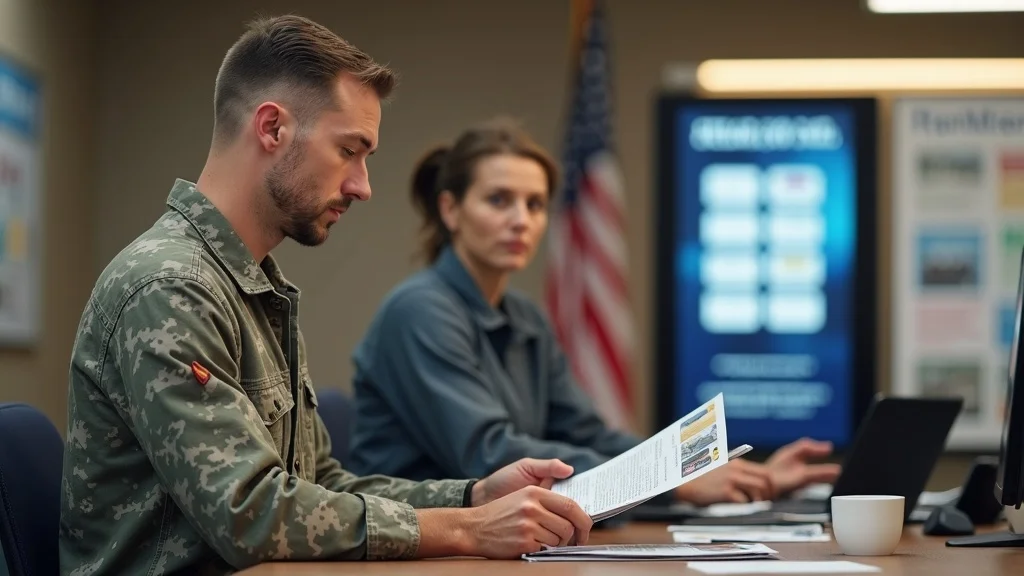
Most service members approaching civilian life are presented with a narrow set of industry options. “The perception is that automotive careers are either wrench-turning or commission sales. In reality, our industry offers sophisticated paths in technology, logistics, management, customer experience, and beyond,” says Lamphere. According to her, this misconception persists because base-level transition resources rarely include focused automotive employer education. As a result, both veterans and their families are unaware of the high-caliber earning potential and upward mobility the sector can provide.
Lamphere emphasizes that breaking this cycle starts with proactive outreach. Introducing clear career maps, representative success stories, and real-world job preview opportunities directly to transitioning service members can completely shift perspectives. “It’s about making the invisible visible,” she asserts. By giving veterans direct access to mentors, resources, and open doors into dealership and management networks, the industry can distinguish itself as a destination for leadership—not just labor.
Employer Perspective: Understanding Veteran Leadership and Transferable Skills
On the employer side, automotive HR leaders and hiring managers often lack formal training in interpreting military credentials or understanding leadership equivalencies. “It’s not enough to say ‘veteran friendly’—companies need to make a real investment in understanding how command experience translates to service management, or how logistics operations mirror dealership supply chain challenges,” Lamphere highlights. This is not merely a matter of hiring for patriotism's sake; it is a business imperative backed by the operational excellence that military training instills.
According to Lamphere, a genuine commitment to automotive employer education transforms veteran recruitment from a box-checking exercise to a pipeline for future executives. When decision-makers are given structured case studies, conversion tools, and access to specialized external organizations like Veterans In Automotive, the process of onboarding veterans becomes strategic—aligning talent with long-term organizational goals.
Effective Strategies to Enhance Automotive Employer Education for Veteran Hiring
"Hosting tailored recruitment events like our annual Veterans in Automotive gatherings creates an environment where veterans and employers collaborate, share opportunities, and recognize equivalent skill sets." — Katie Lamphere, Veterans In Automotive
Lamphere’s proven blueprint centers on real, face-to-face connections. The Veterans in Automotive Initiative has pioneered a model where tailored networking events put veterans and hiring leaders in the same room—breaking down old perceptions and building authentic rapport. “When veterans learn what a day in the life of automotive leadership looks like, and when employers see firsthand the poise and project management veterans possess, everyone’s perspective changes,” notes Lamphere.
But it doesn’t end at one-off events; Lamphere is committed to building ongoing channels for mutual education. These include continuing education seminars, mentorship pairings, and joint training programs developed in partnership with government agencies. “The more we demystify automotive for veterans—and veterans for automotive—all ships rise,” she adds. This strategy offers the dual benefit of delivering qualified candidates and demonstrating a company’s commitment to community hiring initiatives.
The Veterans in Automotive Initiative: A Proven Model for Engagement
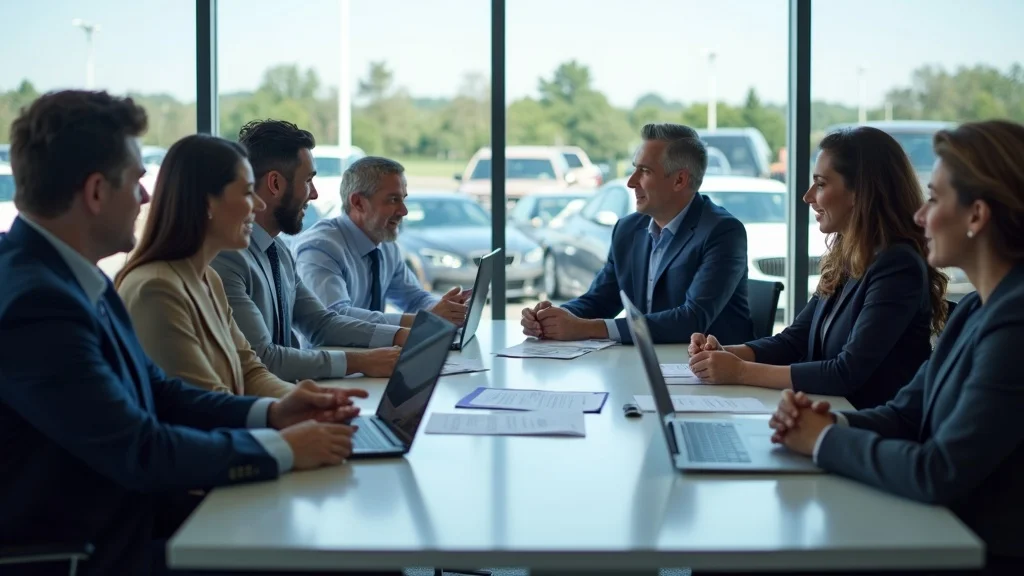
The annual Veterans in Automotive gatherings have quickly established themselves as the flagship for purposeful veteran engagement in the sector. “It’s a transformative experience for both employers and veterans,” Lamphere asserts. By bringing together military professionals, hiring managers, workforce development coordinators, and senior executives, these events foster honest dialogue and create actionable hiring pipelines.
Attendees don’t just walk away with business cards—they leave with clear next steps, valuable mentorship opportunities, and a stronger sense of what’s possible. Lamphere’s team also provides workshops on resume translation, interview techniques, and leveraging government-sponsored workforce programs. She affirms that, “Education isn’t a one-way street. It has to be mutual, sustained, and centered on real outcomes for it to work. ”
Collaborative Training Programs: Leveraging Military and Industry Resources
Another innovation championed by Lamphere is the forging of partnerships between automotive companies and military training programs. “So many military roles come with world-class technical and leadership training that employers overlook,” she observes. By investing in mapping these credentials to civilian job requirements—and by offering additional upskilling where gaps remain—dealerships can build talent pipelines that are both diverse and future-ready.
Lamphere identifies collaboration as the game-changer. When government upskilling grants, GI Bill benefits, and employer-sponsored workshops come together, veterans get pathways to advancement and employers see workforce development ROI. “It’s a win-win that starts with a willingness to learn from one another, not just about each other,” Lamphere underscores. This approach is lifting the entire industry and should be a blueprint for organizations nationwide.
- Host targeted recruitment events on or near military installations
- Provide authentic 'day in the life' automotive career insights
- Educate employers on military skill equivalencies for leadership roles
- Partner with military and government training programs for veteran upskilling
- Create ongoing dialogue between veterans and automotive companies
Bridging the Gap: Building a Sustainable Veteran Workforce in Automotive
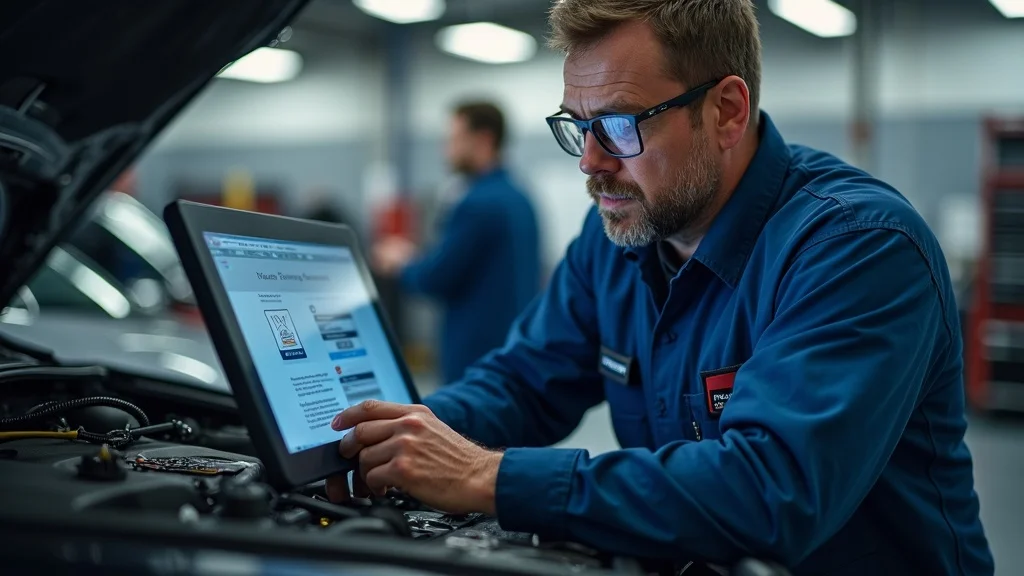
The Role of Automotive Employer Education in Unlocking Veteran Talent
The long-term value of strategic automotive employer education is indisputable, asserts Lamphere. By recognizing the full spectrum of skills that veterans bring—from technical prowess to crisis management—dealerships and industry groups don’t just fill open roles, they transform their organizational culture. “Veterans bring a blend of discipline, reliability, and mission-first thinking that’s increasingly rare. With intentional education, these assets are not just recognized—they’re celebrated and maximized,” she says.
Lamphere’s experience shows that when employers make education and open dialogue a non-negotiable part of veteran hiring, employee retention improves, team dynamics grow stronger, and long-term leadership pipelines are fortified. “The cost of a missed opportunity is higher here than most realize,” she warns. Harnessing veteran talent isn’t just the right thing to do; it’s an unrivaled business differentiator in a hyper-competitive marketplace.
Maximizing Veteran Recruitment through Collaboration and Education
The future of automotive workforce development will be shaped by those who invest in partnerships, not just processes. According to Lamphere, organizations that learn to “speak the language” of both the military and modern automotive ecosystems will find themselves at the forefront of talent acquisition and retention. “It’s about breaking down communication silos, investing in cultural competence, and supporting veterans before, during, and after their hiring journey,” she says.
Fostering an inclusive, veteran-compatible recruitment infrastructure is no longer optional for industry leaders; it’s fundamental to sustaining performance and innovation. Lamphere offers a succinct imperative for those ready to lead: prioritize intentional outreach, continual manager education, and long-term program evaluation as part of your veteran hiring strategy.
- Recognize and translate military leadership skills to automotive roles
- Increase investment in veteran-specific recruiting initiatives
- Engage with organizations like Veterans in Automotive for event sponsorship
- Educate internal HR and hiring managers on veteran career pathways
- Utilize government-supported veteran training and workforce development programs
Explore More: Resources and Support for Automotive Employer Education
"Research and access to existing military and government programs are critical to developing veteran-friendly training and recruitment strategies in automotive." — Katie Lamphere, Veterans In Automotive
Common Misconceptions vs. Verified Facts About Veteran Hiring in Automotive

One of the most stubborn misconceptions in the industry is that veterans require excessive retraining or “don’t understand the business. ” Lamphere debunks this notion, highlighting how many military specialties (from logistics to advanced vehicle maintenance) align closely with key dealership functions. “The facts are clear: veterans adapt quickly when given the chance, and supplemental training often accelerates—not impedes—their integration,” Lamphere emphasizes. Robust employer education is the pivot point that turns perceived gaps into undeniable assets.
The expert’s perspective is that embracing verified facts and leveraging partnerships with organizations like Veterans In Automotive leads to a richer, more resilient workforce. As the automotive landscape becomes increasingly technical, veterans offer the perfect blend of hard and soft skills—provided they’re recruited and developed through intentional education strategies.
How Automotive Businesses Can Lead on Veteran Workforce Development
Lamphere’s call to action for automotive business leaders is clear: take ownership of veteran workforce development. This means more than just hiring; it involves supporting veterans through onboarding, tailored professional development, and ongoing feedback loops. When businesses invest in structured collaboration and leverage external expertise, they create a sustainable engine for growth and innovation.
“Industry leadership in veteran hiring comes from those willing to champion education,” Lamphere reminds. By leveraging cross-sector partnerships, co-developing training programs, and sponsoring veteran-centric events, organizations can differentiate themselves as employers of choice while contributing to the future of the automotive workforce.
Conclusion: Unlocking Veteran Hiring Success Through Focused Automotive Employer Education
Katie Lamphere’s Vision for a Veteran-Compatible Automotive Industry
"Bridging the gap with education and collaboration is how we truly unlock the potential veterans bring to automotive careers." — Katie Lamphere, Veterans In Automotive
For Katie Lamphere, true transformation in the automotive sector comes from sustained, intentional investment in employer education and cross-sector collaboration. She envisions an industry where military experience is recognized as a fast-track to leadership, where every organization has a roadmap for veteran engagement, and where former service members are not just welcomed but genuinely valued as essential to the future of automotive. By adopting proven models, championing open dialogue, and leveraging both military and industry-backed resources, every employer can become a catalyst for change.
Take Action Today to Advance Your Veteran Hiring Strategy
The pathway to veteran hiring excellence begins with a single step—education. Start by connecting with leading organizations, attending industry events, and investing in targeted outreach and training. As Katie Lamphere and Veterans In Automotive have shown, these actions can transform not only your workforce, but the lives of those who have served. For more information, visit VeteransInAutomotive. com or call (954) 242-0433. Unlock success with automotive employer education—and lead the industry forward, today.
To further enhance your understanding of automotive employer education and its impact on veteran hiring, consider exploring the following resources: “STUDENT CAREER DEVELOPMENT”: This resource outlines a structured approach to preparing students for careers in the automotive service industry, emphasizing the importance of collaboration between educators and employers to develop career-ready technicians. (aseeducationfoundation. org) “Automotive Technology at STLCC: Drive Your Career Forward”: This article highlights St. Louis Community College’s automotive technology program, which combines classroom instruction with hands-on training to prepare students for real-world automotive service and repair careers. (stlcc. edu) These resources provide valuable insights into effective strategies for developing a skilled workforce in the automotive industry.


Write A Comment