
UPDATE
  • Home
  • Categories
    • Business and Economy
    • Community
    • Small Biz
    • Policy and Law
    • Real Estate
    • Modern Life
    • Explore the U.S
April 09.2026
1 Minute Read

Unlock the Magic of dealer finance programs—Save Big Today

In today’s fiercely competitive automotive market, dealer finance programs represent more than just a back-office function—they are the secret engine propelling sales, profits, and customer satisfaction. Yet, many dealerships have yet to unlock the full potential of these programs, particularly when it comes to serving the vast segment of nonprime customers. Chris Wied, industry veteran and founder of Wied Auto Finance Solutions, has spent his career helping automotive dealerships transform their finance operations into profit centers. In this comprehensive guide, Chris peels back the curtain on nonprime auto lending, shatters persistent myths, and reveals the strategic keys every dealer needs to seize this high-margin growth opportunity.

Chris Wied’s Expert Take on Dealer Finance Programs and Nonprime Auto Loans

dealer finance programs expert finance meeting in modern dealership office with car keys and documents

According to Chris Wied, the most common misconception preventing dealerships from fully embracing nonprime auto loans is the belief that “they are too costly to use. ” As Chris succinctly puts it:

"One of the biggest misconceptions about nonprime auto loans is that they are too costly to use — but that’s just not true."
— Chris Wied, Wied Auto Finance Solutions

This misconception can cost dealerships significant market share and profit. The reality, as Chris articulates, is that nonprime lending not only expands the pool of eligible car buyers but also opens doors to selling inventory that would otherwise languish or be moved to auction at a loss. By busting this myth, Chris urges dealer principals, finance managers, and sales coordinators to re-examine how they view and utilize their dealer finance programs as strategic, profit-driving assets.

How Overcoming Misconceptions on Nonprime Auto Loans Unlocks Hidden Sales Potential

Many dealerships have untapped sales potential sitting right on their lot—especially with older, higher mileage vehicles. Chris underscores that overcoming misplaced beliefs about nonprime loans is about more than profit—it's about serving overlooked customers and revitalizing overlooked inventory. As he puts it:

"Offering nonprime loans allows dealers to sell higher mileage, lower loan amount vehicles that otherwise would go to auction."
— Chris Wied, Wied Auto Finance Solutions

By leveraging dealer finance programs to offer nonprime auto loans, dealerships can transform what would be financial dead ends into new opportunities. Vehicles that might spend months on the lot or end up in auctions—often at a loss—find new homes with customers whose credit history may not fit prime lending standards, but whose need and willingness to buy are strong. This process not only increases dealership throughput but also strengthens overall inventory management, ensuring faster turnover and more efficient use of capital. According to Chris, the formula is clear: reach more customers, move more cars, and do so with programs that actually improve, not erode, the bottom line.

Maximizing Dealer Profits Through Strategic Nonprime Lending

Nonprime auto loans customer experience handshake with dealer in spacious used car dealership showroom

Driving Profit Margins and Ancillary Product Sales with Nonprime Customers

Dispelling the notion that nonprime lending means thinner margins, Chris Wied emphasizes quite the opposite is true for modern dealer finance programs. Nonprime customers, eager for reliable vehicles and conscious of their credit status, frequently contribute higher down payments—reducing dealer risk—and are exceptionally receptive to ancillary protection products. As Chris explains:

"Nonprime customers often put higher down payments and buy more protection products because they want peace of mind."
— Chris Wied, Wied Auto Finance Solutions

This behavioral insight translates into a triple win: not only does the dealership collect more upfront, but they also achieve greater penetration on value-add products like service contracts, gap insurance, warranties, and product bundles. These sales are driven by the customer’s focus on minimizing risk—“these customers are very concerned about something breaking down on the car or, you know, having a total loss or theft,” Chris notes. In practice, each nonprime deal can deliver higher per-unit profit and overall deal gross, creating a flywheel of revenue that enables the dealership to reinvest, expand, and elevate customer service standards.

  • Sell more used inventory that traditionally faces slow turnover
  • Increase down payments and reduce dealer financial risk
  • Boost sales of vehicle protection products (service contracts, gap coverage, warranties)
  • Enhance customer satisfaction and loyalty through comprehensive coverage

Essential Best Practices: Empower Your Finance Department to Explore All Lending Options

Why Dealer Finance Teams Must Constantly Evaluate Nonprime Lenders and Programs

dealer finance programs strategic dealership finance team discussion with digital tablets and charts

The competitive advantage of top-performing dealer finance programs is built upon a culture of relentless evaluation and adaptability. According to Chris Wied, finance departments cannot afford to operate on autopilot or rely solely on captive lenders. Instead, Chris insists:

"Ensuring your finance department actively reaches out to all nonprime lenders is critical to avoid missing profit opportunities."
— Chris Wied, Wied Auto Finance Solutions

Rather than depending on standard programs, Chris advises dealers to have their finance teams consistently shop the nonprime lending market, understanding the nuances between lenders and how different risk appetites may affect deal profitability. By proactively comparing lender programs—rather than defaulting to “how it’s always been done”—dealerships identify missed profit centers and can tailor offers that best fit both customer needs and dealership goals. Chris’ experience highlights how even small increases in outreach can yield significant incremental gains.

Key Tips for Implementing Successful Dealer Finance Programs

Best-in-class dealer finance programs are neither static nor reactionary. Chris Wied recommends adopting the following actionable steps to keep dealership finance strategies dynamic and effective:

  1. Regularly assess all available nonprime lending programs and partners
  2. Focus on programs that provide loan advances and flexible risk buying
  3. Educate sales and finance teams on benefits of nonprime options to customers
  4. Integrate vehicle protection add-ons to enhance deal profitability and customer trust

By staying deeply engaged with evolving lender offerings and keeping every team member aligned on the advantages of nonprime auto loans, dealerships can ensure no stone is left unturned—and every deal is maximized for revenue, customer goodwill, and long-term loyalty. The result? A resilient dealership model that thrives on adaptability and customer inclusivity.

Understanding the Bigger Picture: Nonprime Lending’s Role in Modern Dealership Success
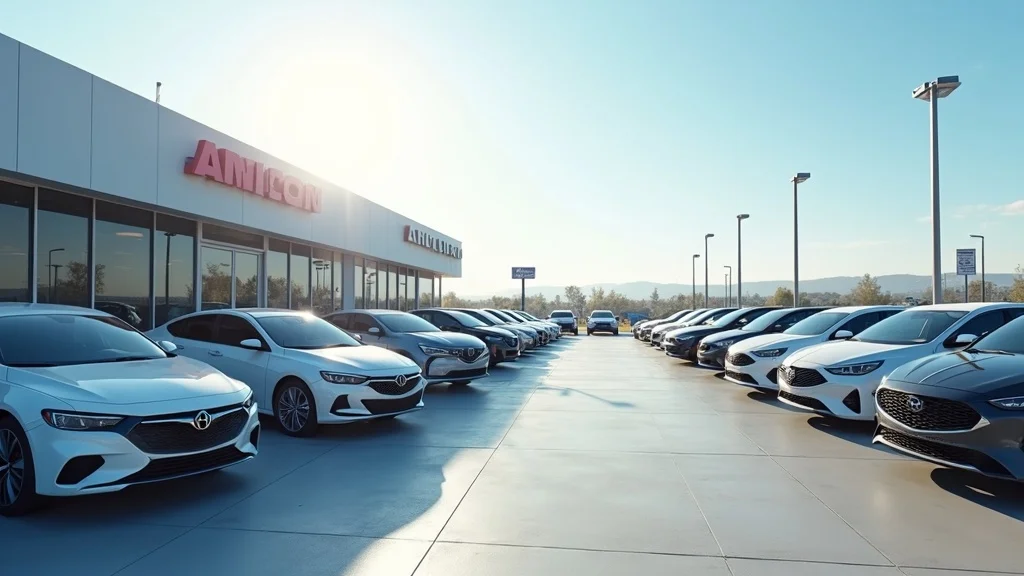
dealer finance programs modern dealership lot with diverse used vehicles neatly arranged under blue sky
  • Supports moving previously hard-to-sell used vehicles, especially higher mileage
  • Addresses an underserved segment of buyers, increasing market reach
  • Builds stronger customer relationships through tailored financial solutions
  • Creates sustainable profitability streams beyond traditional prime lending

The modern automotive marketplace is shaped by diverse consumers and rapidly changing economic realities. As Chris Wied emphasizes, integrating nonprime lending into core dealer finance programs allows dealerships to reach new market segments, turn stagnant stocks into reliable profit streams, and differentiate themselves via a reputation for accessibility and flexibility. By offering personalized solutions, dealers not only meet immediate revenue goals but also establish the foundation for lasting relationships and repeat business—a combination that secures long-term dealership health and prosperity.

Summary and Next Steps to Unlock Dealer Finance Program Potential

dealer finance programs successful auto dealership manager and staff celebrating milestones together

Dealer finance programs focused on nonprime auto loans represent a powerful revenue growth avenue by enabling sales of higher mileage vehicles with better down payments and enhanced product sales. Success hinges on proactive finance department strategies that explore all lending options and integrate valuable vehicle protection offerings.

Take Action: Explore Customized Dealer Finance Solutions with Wied Auto Finance Solutions

To unlock the full sales and profit potential of dealer finance programs, connect with industry expert Chris Wied and Wied Auto Finance Solutions for tailored support and innovative nonprime lending strategies.

dealer finance programs expert automotive finance solutions consultation with dealership staff in friendly glass-walled office

For more information visit: https://www. w-afs. com/ and or call: 833-533-3600.

Business and Economy

0 Comments

Write A Comment

*
*
Please complete the captcha to submit your comment.
Related Posts All Posts
05.24.2026

Perfecting the First Sentence of Your Pitch: Key for Success

Update Why Your Pitch's First Sentence Holds the Key to Success The first sentence of your pitch is not just an introduction; it’s your potential customer’s first impression. If it resonates, you hook their interest. If it flops, you risk losing them to the next entrepreneur vying for attention. As noted in Entrepreneur, every word counts when you’re trying to establish your unique selling proposition in a crowded marketplace. The Role of Clarity in Your Pitch To avoid being vague, your one-sentence pitch must be clear and direct. Natalie Novick emphasizes this in her piece, reminding startup founders to articulate their defined offering, defined audience, and the problem they're solving. Novick suggests a useful template: “My company, [name], is developing [offering] to help [audience] [solve problem] with [secret sauce].” Using this structure can help sharpen your focus and ensure your message resonates effectively. Capturing Attention Quickly With a reported average attention span of just eight seconds, as mentioned in both Entrepreneur and Novick's article, a compelling first sentence becomes imperative. In an environment flooded with options, consumers may not give you a second chance. This means you must clearly convey not only what your product is but also why it matters to your audience—in an engaging way. Specificity: A Key Ingredient To craft an effective one-sentence pitch, specificity is crucial. In his article, Nathan Bransford explores how effective pitches boil down to specific descriptions instead of vague themes. A generic pitch like “a recently divorced woman searches for love” lacks pizzazz. Instead, more vivid language—“a recently divorced woman travels to Italy for pleasure, India for spirituality, and Bali for balance”—creates a richer mental image and entices further interest. The Importance of Feedback Your pitch doesn’t exist in a vacuum; testing it among peers can unveil strengths and areas for improvement. Reach out to colleagues or mentors to gather feedback. How do they interpret your message? Is it clear and compelling, or does it need reworking? This iterative process can significantly enhance your pitch's effectiveness. Adapting Your Pitch to Different Audiences It's essential to tailor your one-sentence pitch to different audiences. Whether you're presenting to investors, potential customers, or employees, each context calls for a slightly different angle. Novick advises that for investors, focusing on the end vision may be more impactful, while user engagement might require a more service-oriented approach. By adjusting your pitch, you ensure it meets the right context and engages the audience effectively. Keep It Fresh and Relevant Your message shouldn’t become stagnant. As your startup evolves, so should your pitch. Revisit and refine it regularly to reflect changes and growth within your company. This keeps your vision sharp and helps maintain alignment among your team’s goals. The first sentence of your pitch can make or break your journey as an entrepreneur. By honing your phrasing and implementing the advice from experts, you're setting a solid foundation for successful engagements. Remember, clarity, specificity, and adaptability are your key tools in crafting a pitch that truly captures attention. Set your own timeline for perfecting your pitch. Challenge yourself to create variations, and seek feedback. The more you refine your approach, the better prepared you'll be to capture interest and investment.

05.24.2026

The Strait of Hormuz Conflict: Understanding Oil's Troubling Future

Update Rising Tensions in the Strait of Hormuz: What’s at Stake? The Strait of Hormuz has become the centerpiece of a critical geopolitical conflict, pivotal not just to regional stability but to the global oil market. With the U.S. and Iran entangled in military engagements, the implications for oil transport and prices are dire. In fact, reports indicate that approximately 20% of the world’s oil, translating to around 20 million barrels per day, transits this narrow yet strategic waterway. Disruption here can lead to far-reaching consequences for economies reliant on these supplies. The Current Conflict: A De Facto Closure? The recent escalation, characterized by missile strikes and maritime threats, has fostered a climate of fear among commercial shippers. Even though reports indicate the Strait of Hormuz remains technically open, the operational reality suggests a de facto closure due to soaring insurance costs and the withdrawal of major oil companies, insurers, and commercial vessels. The moment insurance risks became prohibitive, cargo flow suffered sharply. For context, vessels transiting through Hormuz dwindled from an average of 135 per day to merely 10, sparking what experts call the biggest market disruption in oil history. Global Oil Prices: Immediate Impacts and Predictions As analysts scrutinize the market's response to these political escalations, forecasts project Brent crude prices could surge above $85 to $90 per barrel on Monday following this crisis. Considering that these price spikes trigger inflationary ripples across economies, consumers could soon feel the pinch at the gas pump. If these tensions do not de-escalate, market experts expect average prices to stay elevated into the following weeks, with potential for dramatic sustained spikes if the conflict broadens. Broader Economic Implications: Beyond Oil The implications extend beyond crude oil; liquefied natural gas (LNG) flows have also come to a standstill. The Gulf region is integral to global energy supply chains, and the loss of natural gas can lead to dire repercussions across industries, notably in energy-dependent manufacturing sectors. Disruption of 20% of global LNG can trigger commodity shortages, exacerbating inflationary pressures across the board, and stalling production lines in critical sectors, like technology. Future Trends: Monitoring Developments in the Gulf As the situation evolves, monitoring developments in the Gulf is paramount for making informed decisions. The likelihood of Iranian retaliatory measures should inform risk assessments undertaken by traders, shipping companies, and global markets at large. Some anticipations suggest that the ongoing conflict may require a recalibration from involved nations, especially if oil prices breach critical thresholds affecting domestic economic strategies. What’s Next? Possible Scenarios The future trajectory of this conflict remains uncertain. While some speculate that diplomatic solutions may advance under pressure, others argue the likelihood of sustained military action could result in a protracted conflict. With Iran able to impose further pressure on oil supply chains, stakeholders should prepare for alternatives or face potential energy shortages. In the worst case, outright hostilities could elongate major supply disruptions, considerably altering how global oil markets operate. The situation is fluid, so all eyes remain trained on the Strait of Hormuz. As analysts expect continued volatility, stakeholders must stay informed and ready to pivot operational strategies should the landscape shift dramatically.

05.24.2026

Revolutionize Business Efficiency: Run Your Whole Business From One Tab with Claude's Update

Update Unleashing Productivity: Claude's All-in-One Update for Businesses The advent of Claude’s latest update marks a transformative moment for businesses aiming to streamline operations and enhance productivity. With its powerful features designed to centralize knowledge and simplify workflows, users can effectively run their operations from a single interface. This not only enhances efficiency but also enables teams to tackle complex tasks with ease, creating a dynamic workspace that adapts to various needs. Empowering Teams with Centralized Knowledge One of the standout features of Claude is its ability to capture and organize critical business knowledge. By centralizing information like client preferences, processes, and policies into a searchable database, teams can access the insights they need without the constant interruptions typically associated with knowledge retrieval. This function is invaluable in mitigating the chaos that often arises when key personnel leave the organization, taking their knowledge with them. Instead, businesses using Claude can foster an environment where knowledge is accessible and tasks can proceed smoothly without delay. Real-World Use Cases: How Claude Transforms Operations From operational management to customer support, the practical applications of Claude are diverse. For instance, it aids in organizing daily workflows, ensuring compliance with protocols, and even enhancing customer service by providing teams with immediate access to pertinent information. In scenarios where data retrieval usually takes significant time, Claude allows teams to generate comprehensive deliverables, summarize meetings, and assign action items swiftly and efficiently. Moreover, the tool plays a critical role in training and onboarding. New employees can leverage Claude's vast database to familiarize themselves with company processes, reducing the ramp-up time and easing the transition into their respective roles. This not only improves employee satisfaction but also optimizes overall productivity. Fortifying Security and Best Practices Utilizing AI tools like Claude comes with unique challenges, primarily surrounding data privacy and security. Claude addresses these concerns by offering robust security measures, personalized instructions, and access controls that ensure sensitive information remains confidential. Businesses can confidently integrate Claude into their workflows, knowing that they have set the appropriate privacy settings to protect their data from unauthorized access. Users are encouraged to undergo training programs designed to leverage Claude effectively. Initiatives like the GSDC 100-Day AI Tool Challenge equip employees with the knowledge they need to maximize Claude’s features while adhering to best practices from the outset. Looking Forward: The Future of AI in Business Operations The fusion of AI technologies like Claude into everyday business operations indicates a shift towards smarter, more autonomous workflows. In the coming years, we can expect further advancements in AI that will drive the capabilities of organizational tools like Claude. This evolution will empower teams more than ever by providing them with tools tailored to their needs without requiring extensive technical know-how. As businesses continue to adopt AI-driven solutions, the potential for improved operational efficiency remains immense. Organizations that harness the capabilities of Claude and similar AI innovations can stay ahead of the curve, tackling challenges that arise in an increasingly competitive market. Conclusion: The Smart Choice for Modern Businesses For business leaders, making the leap to integrate tools like Claude represents not only a commitment to enhancing productivity but also a strategic decision to future-proof operations. By adopting Claude, organizations can streamline their processes, equip their teams with vital knowledge, and respond agilely to unforeseen challenges, ultimately paving the way for sustained growth and success. As we move into an era where AI becomes a staple of business strategy, embracing tools like Claude will undoubtedly become crucial for thriving in a fast-paced, technology-driven landscape. To learn more about implementing these strategies effectively, businesses should explore available resources, including training programs and community support, that facilitate the smooth integration of Claude into their existing frameworks.

Terms of Service

Privacy Policy

Core Modal Title

Sorry, no results found

You Might Find These Articles Interesting

T
Please Check Your Email
We Will Be Following Up Shortly
*
*
*