

Tinnitus remains one of the most perplexing and distressing conditions faced by patients and providers alike. When the persistent ringing or buzzing in the ears won’t let up, frustration, anxiety, and a sense of helplessness can overwhelm even the bravest individuals. But, what if the very way we think about tinnitus management strategies is overdue for a transformation? What if new science—and real-world, caring expertise—could unlock better outcomes for your patients today? In this comprehensive expert guide, Dr. Charles Wasserman of Sound Advice Audiology uses his clinical wisdom and cutting-edge practices to reveal actionable pathways not only for relief, but for genuine empowerment—casting aside old misconceptions and charting a course every hearing health professional can champion.
Dr. Wasserman’s Core Thesis: Effective Tinnitus Management Begins with Understanding Patient Profiles
"The biggest misconception is that there's nothing I can do about my tinnitus." — Dr. Charles Wasserman
According to Dr. Charles Wasserman, the most pervasive—and damaging—myth in tinnitus care is the belief that management is futile. For decades, both patients and clinicians have faced challenges due to this misconception, frequently missing opportunities to provide real comfort and control. However, at Sound Advice Audiology, Dr. Wasserman has witnessed firsthand how a personalized approach, grounded in a deep understanding of each patient’s unique hearing profile, opens the door to tailor-made tinnitus management strategies that produce measurable results and renewed hope.
Dr. Wasserman’s philosophy centers on careful categorization: identifying whether a patient has hearing loss or maintains normal hearing is the vital first step. This distinction is not merely academic—it shapes the entire treatment plan. As Dr. Wasserman explains, "It's crucial to recognize the diversity in tinnitus sufferers. Without patient profiling, many are left discouraged and underserved. " This patient-first approach forms the touchstone for long-term tinnitus control and improved quality of life.

Addressing the Two Major Patient Categories: With and Without Hearing Loss
"People who have tinnitus fall into 2 major categories: those with hearing loss and those without." — Dr. Charles Wasserman
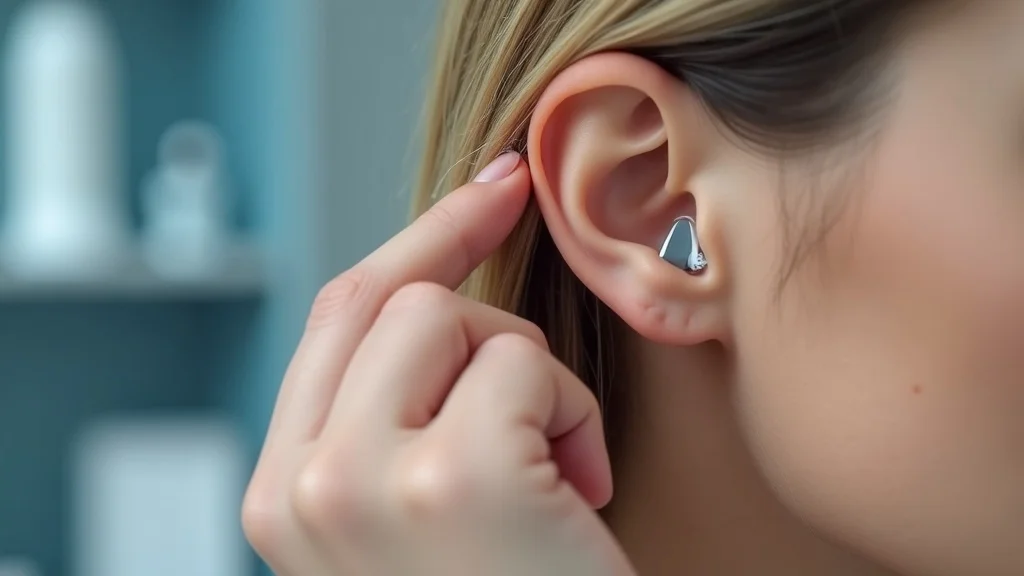
According to Dr. Wasserman, recognizing whether tinnitus patients fall into the hearing loss group or not is a pivotal moment that sets the direction for all subsequent care. For those with demonstrable hearing loss—often older adults, individuals exposed long-term to industrial noise, or patients with chronic otologic disease—the introduction of hearing devices frequently brings rapid, almost transformative tinnitus relief. “When we fit the right hearing device, many patients describe the sensation as having the incessant ringing suddenly dialed down, sometimes almost as if a mute button was pressed," Dr. Wasserman recounts. The impact is more than relief; it’s restoration of day-to-day peace.
- For patients with hearing loss: Hearing devices often alleviate tinnitus sounds rapidly.
- For patients without hearing loss: A combination of cognitive behavioral therapy, biofeedback, and breathing exercises help control tinnitus severity.
But what about those whose hearing tests are normal? Here, a different suite of tinnitus management strategies comes into play. Dr. Wasserman emphasizes that these individuals must be supported through therapeutic modalities—especially cognitive behavioral therapy, high-engagement biofeedback, and structured breathing exercises. The key, he notes, is empowering patients to develop self-regulation skills and stress resilience, which can significantly decrease the subjective intensity and psychological burden of tinnitus. This patient-centered bifurcation—technology for one group; therapy for the other—forms a crucial foundation of Sound Advice Audiology’s clinical practice.

Why Hearing Devices Can Provide Immediate Tinnitus Relief
"For people with hearing loss, we often see relief within a day or so of starting hearing device use." — Dr. Charles Wasserman
The prospect of rapid improvement in tinnitus symptoms is nothing short of life-changing for many patients. Dr. Wasserman underscores that for the majority with hearing loss, the introduction of properly calibrated hearing aids not only amplifies missed environmental sounds, but also serves to mask or deflect the brain’s overfocus on phantom noises. “So often, the change is almost immediate—patients walk out of our clinic and notice their world is quieter, that the ringing has receded,” he shares. For busy primary care providers, otolaryngologists, and geriatric case managers, this is a critical insight: effective tinnitus relief need not be an endless wait-&-see process.
However, Dr. Wasserman is careful to clarify that seamless tinnitus suppression via hearing aids, while common, is not universal. A minority may experience persistent symptoms even after device optimization. For these individuals, immediate transition to adjunctive therapies is essential. This sensitive, dynamic approach—rooted in ongoing assessment and feedback—ensures no patient is left languishing in uncertainty or discomfort.
When Hearing Aids Aren't Enough: Transitioning to Therapeutic Approaches
When hearing aids alone do not provide sufficient symptom relief—or when the patient’s audiogram is within normal limits—Dr. Wasserman’s clinical playbook swiftly transitions to behavioral interventions. He explains that this process is as much about the patient’s psychological agency as it is about the physical dimension of tinnitus. According to Dr. Wasserman, persistent ringing is often amplified by heightened stress, anxiety, and the individual’s lack of control over their own physiological responses. In these cases, the most powerful weapons become counseling, structured re-training, and, above all, hope.
This evolution in care requires strong collaboration between audiologists, mental health professionals, and, when necessary, primary care teams. Dr. Wasserman’s experience shows that, when practiced as part of a clearly communicated plan, this integrative approach can give even the most discouraged patients a new psychological foothold. He notes that “patients who are taught not just to cope but to actively modulate their reactions” consistently report superior outcomes—less distress, more sleep, and better engagement with family and work.
Behavioral and Biofeedback Therapies: Harnessing Stress Reduction to Manage Tinnitus
"By reducing overall stress and increasing control over anxiety, many find their tinnitus becomes much more manageable and controllable." — Dr. Charles Wasserman
- Cognitive Behavioral Therapy equips patients with tools to reduce stress and anxiety triggers.
- Biofeedback therapy provides real-time physiological monitoring to help patients manage stress responses.
- Breathing techniques support relaxation, directly impacting tinnitus perception.
According to Dr. Wasserman, the bedrock of non-device intervention is targeted behavioral therapy. Cognitive behavioral therapy (CBT), long proven in the management of anxiety and chronic pain, translates powerfully to tinnitus care by equipping patients with practical strategies, coping mechanisms, and self-calming routines on demand. “CBT is not simply talk therapy,” Dr. Wasserman asserts. “It’s a set of tangible tools tailored for empowerment, giving patients real options in the moment. ” These strategies have particular resonance for those whose tinnitus symptoms are strongly correlated with heightened emotional states or stressful environments.
Alongside CBT, biofeedback therapy takes the fight against tinnitus to the physiological front. By providing real-time feedback about respiration, heart rate, or muscle tension, biofeedback enables patients to recognize—and, over time, control—stress responses that previously felt involuntary. “We’ve seen remarkable shifts in patient’s perceived tinnitus loudness once they gain mastery over their body’s reactions,” Dr. Wasserman shares. Importantly, these modalities can be implemented in clinical settings or adapted for home practice, making them accessible to a wide range of patients. Breathing exercises, as a third pillar, offer immediate relief and the chance to reframe tinnitus as a manageable, rather than menacing, challenge.

Case Example: Therapeutic Impact for Non-Hearing-Loss Patients
Consider the experience of a middle-aged patient who presented to Sound Advice Audiology plagued by chronic tinnitus yet demonstrated no measurable hearing deficits. She described a constant, intrusive tone that disrupted her sleep and induced daily anxiety. Through a course of CBT sessions, guided biofeedback, and structured breathing training, she learned not only to divert her focus away from the noise, but also to preempt and interrupt cycles of worry and tension. Over several weeks, her self-reported tinnitus intensity decreased, and her participation in family and work life rebounded.
Dr. Wasserman emphasizes that stories like these are not outliers—they are the attainable results of well-matched tinnitus management strategies. Patients who had once resigned themselves to chronic distress often find confidence in their new skills, reporting long-lasting improvement and greater satisfaction with their overall care. These cases demonstrate how clinicians can spark meaningful change, even when advanced technology plays a limited role.

Integrating Tinnitus Management Strategies into Clinical Practice
- Evaluate patient hearing status to personalize treatment plans.
- Recommend hearing devices promptly for those with hearing loss.
- Incorporate behavioral therapies as a key management pathway.
- Monitor patient progress regularly to adjust therapy approaches.
Dr. Wasserman’s tinnitus management strategies underscore that clinical integration means more than just protocol; it requires attentiveness, flexibility, and a strong therapeutic alliance. “The path to relief is rarely one-size-fits-all,” he notes. Step one is thorough hearing assessment—identifying hearing loss quickly is vital for rapid intervention. For those who qualify, timely hearing device fitting can make all the difference.
For others, the integration of behavioral programs is not optional, but foundational. Incorporating scheduled check-ins, progress assessments, and ongoing counseling ensures that therapy remains dynamic and responsive to the patient’s evolving needs. “Tinnitus management should not be a linear road but a responsive journey—one that adapts to each hurdle and victory,” Dr. Wasserman affirms. This collaborative outlook not only boosts outcomes but reinforces trust between provider and patient.
Dispelling Common Misconceptions About Tinnitus Treatment

Despite mounting clinical evidence and a growing toolkit of tinnitus management strategies, myths persist. Dr. Wasserman stresses that defeating outdated beliefs is as important as delivering therapy itself. The notion that “nothing can be done” all too often prevents patients from seeking or sticking with interventions proven to make a difference. “Education is sometimes as therapeutic as the treatment—patients need to feel hope and agency,” he says.
According to Dr. Wasserman, every encounter is a chance to share updated insights—not only about the range of device and behavioral therapies available, but also about the real-world, life-altering changes patients have realized. Empowering both patients and healthcare professionals to leave behind myths is essential for lasting clinical progress. “When we replace old beliefs with solid science and individualized care, we see tremendous positive shifts,” he adds.
Conclusion: Empowering Patients With Proven Tinnitus Management Strategies
"Tinnitus can be managed effectively — the key is tailoring the approach based on hearing loss and stress management techniques." — Dr. Charles Wasserman
- Understanding patient individuality improves outcomes.
- Combining technology and therapy fosters better quality of life.
- Primary care and specialty collaboration maximizes patient support.
In the final analysis, Dr. Wasserman’s approach to tinnitus management strategies stands as a clarion call for proactivity, precision, and hope. Hearing health professionals are empowered to move beyond resignation—categorizing patients, deploying the right tools, and collaborating closely across specialty lines. Every patient’s story is unique, but the promise remains: with science, compassion, and flexibility, tinnitus need not define anyone’s life. The magic lies in taking the first step.


Write A Comment