

Did you know that over 82% of social media users encounter manipulated information weekly—are you equipped to recognize the secrets of propaganda when you see them? In today's hyper-connected world, propaganda isn’t just a relic of historical wars—it’s woven into the posts, tweets, and newsfeeds we scroll every day
Startling Facts: Why Understanding the Secrets of Propaganda Is Crucial in the Digital Age
"More than 82% of social media users have encountered manipulated information online—are you equipped to spot it?"

In the digital age, recognizing the secrets of propaganda is more important than ever. From viral memes to trending hashtags, manipulated content is everywhere. The United States and other countries have experienced how easily social media campaigns can attempt to shape perceptions and even influence election outcomes or public health responses. Traditional boundaries between information and misinformation have blurred, with propaganda and persuasion techniques now infiltrating our daily digital interactions.
Understanding these strategies isn't just a matter of curiosity—it's a crucial skill for anyone engaging with information sources online. Modern propaganda, often deployed as part of hybrid warfare or coordinated online advertising campaigns, leverages sophisticated technology combined with classic psychological tactics. If you want to maintain autonomy over your opinions, being able to spot and outmaneuver these influence operations is a non-negotiable modern literacy skill.
What You'll Learn: Mastering the Secrets of Propaganda to Regain Control
Key techniques used in propaganda
The psychological triggers behind persuasive messaging
How to recognize propaganda across social media and news
Critical steps to protect your own beliefs and decisions
Decoding the Secrets of Propaganda: Defining Influence in Modern Society
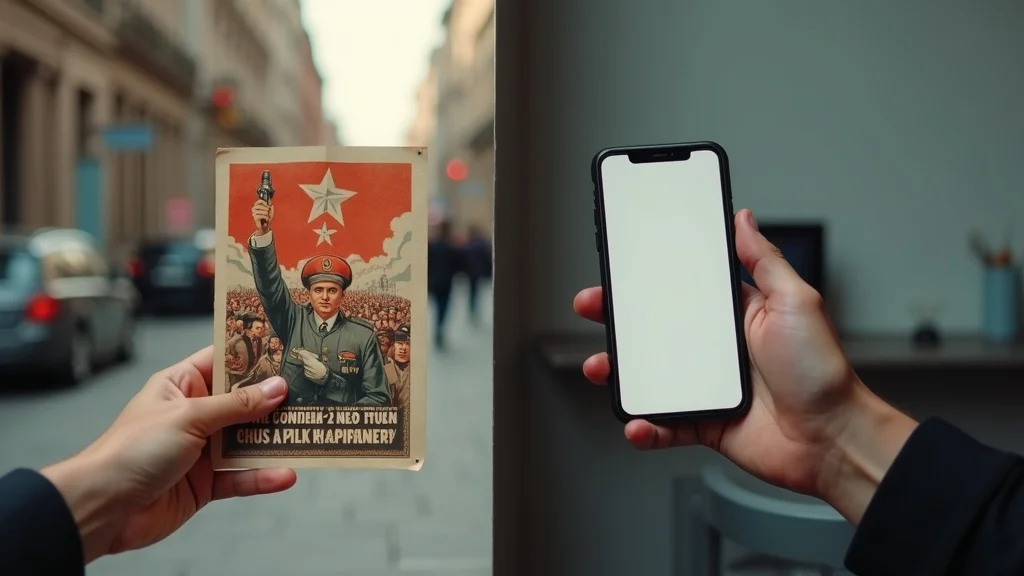
What Is Propaganda? Historical Roots and Today’s Realities
Propaganda is the calculated, systematic attempt to shape public opinion, steer beliefs, or direct behavior to achieve the desired intent of the propagandist. Historically, propaganda surged during times of war—think of stirring posters or state broadcasts rallying citizens. The roots of propaganda trace deeply into the twentieth century with figures like Edward Bernays (“the father of public relations”), who intertwined psychological research with communication to sway the masses. While classic propaganda was often state-driven, today's iterations are more decentralized but no less potent.
What was once spread via newspapers and radio is now rampant across digital platforms, influencing millions in seconds. Techniques from plain folks appeals to fear-based messaging serve as the backbone of contemporary public relations strategies and propaganda campaigns. Gone are the days when propaganda was only visible during conflicts or political campaigns. Now, anyone with a smartphone and a motive can amplify a message globally, sometimes with devastating impact on societies and democracies.
The Pervasive Power of Propaganda in the Age of Social Media
Social media platforms have become fertile ground for the secrets of propaganda. With personalized algorithms, a simple rumor or piece of false information can shape perceptions and generate broad public responses far beyond the original intent of the propagandist. Platforms like Facebook, Twitter, and TikTok are designed to trigger emotional engagement—an effect intentionally exploited by propaganda architects to gain traction and manipulate public opinion.
Moreover, the rise of hybrid warfare, where digital and psychological operations intersect, enables both state and non-state actors to manipulate cognitions and behaviors subtly. These methods don’t just circulate during elections or crises—they subtly inform our choices, our shopping, and even our relationships. Recognizing these propaganda and persuasion techniques helps us reclaim agency against systematic manipulation designed to produce a response that furthers the desired intent.
Personal Perspective: Why the Secrets of Propaganda Matter More Than Ever

As an individual navigating the torrent of daily information, I have seen firsthand how skillful use of the secrets of propaganda can sway even the most informed audiences. Whether it’s during moments of national crisis or algorithm-driven news cycles, persuasive messaging slips in under the radar, blending opinion, advertising, and misinformation. These aren’t just abstract threats; they directly impact families, communities, and the very health of our democracies. When public opinion is manipulated systematically, we risk losing sight of our own values in favor of someone else’s agenda.
That’s exactly why learning to recognize both classic and sophisticated propaganda is indispensable. It’s about empowering people—from students to professionals—to pause, question, and analyze what they’re consuming. If everyone developed this awareness, the world would be less susceptible to mass manipulation, and we’d reclaim our power over what we believe, share, and act upon.
The Psychology Behind the Secrets of Propaganda
How Propaganda Manipulates Beliefs and Behaviors
The secrets of propaganda are deeply entwined with cognitive psychology. Techniques often tap into fundamental human emotions—fear, pride, belonging—to bypass critical reasoning. When a systematic attempt to shape perceptions is launched, the aim is to manipulate public opinion and achieve a response that furthers the propagandist’s intended outcome. Tools such as logical fallacies, repetition, and selective storytelling increase the persuasive effect, leading audiences to support specific causes, products, or political movements, sometimes without realizing their beliefs have been shaped.
Another essential factor is the way propaganda exploits our brain's shortcuts—heuristics. People tend to accept information that confirms their pre-existing beliefs or comes from seemingly credible sources, a phenomenon known as confirmation bias. Propagandists capitalize on these tendencies, weaving narratives that appear trustworthy and familiar, thus manipulating public cognitions efficiently. The more we understand these psychological levers, the better equipped we are to resist their pull.
Social Media’s Amplification of Propaganda Techniques

Social media acts as a megaphone for propagandists. Its structure thrives on engagement, meaning that emotional, polarizing, or controversial content—hallmarks of successful propaganda—naturally rises to the top. Fake news, memes crafted for virality, and coordinated campaigns can manipulate cognitions, fuel hybrid warfare tactics, and direct behavior to achieve hidden agendas. The spread of false information is accelerated via shares, likes, and retweets, often outpacing more accurate or balanced reporting.
In this always-connected landscape, speed and scale are key. What once took weeks or months through traditional media now happens in moments, as bots and trolls strategically plant narratives across platforms. Social media, therefore, enables propagandists to attempt to shape perceptions with unparalleled efficiency. Individuals and organizations must learn to counter these influences by cultivating media literacy, fact-checking habits, and a healthy skepticism towards emotionally charged content.
Classic and Contemporary Techniques: Exposing the Secrets of Propaganda
Technique |
Traditional Example |
Digital Age Application |
Impact |
|---|---|---|---|
Bandwagon |
WWII posters urging everyone to enlist |
Trending hashtags (#EveryoneIsDoingIt) |
Creates FOMO and pressures conformity |
Testimonial |
Celebrities endorsing war bonds |
Influencers promoting products/policies |
Transfers credibility and trust |
Name-calling |
Political cartoons labeling opponents |
Online smear campaigns, derogatory memes |
Generates division and stirs emotion |
Glittering Generalities |
Slogans about “freedom” or “justice” |
Empty feel-good buzzwords in ads |
Triggers emotional responses sans facts |
Card Stacking |
Selected facts from a single victory |
Selective sharing of data on social feeds |
Distorts perception through omission |

5 Techniques of Propaganda and Their Impact on Audiences
Bandwagon
Card Stacking
Plain Folks
Transfer
Fear Appeals
Each technique preys on basic human desires—acceptance, clarity, trust, and safety. The Bandwagon exploits our need to belong. Card Stacking manipulates by presenting only selected facts, omitting context. Plain Folks tries to build connection by portraying messages as coming from relatable sources. Transfer associates unrelated positive or negative values with a message to shape perceptions subconsciously. Finally, Fear Appeals tap into anxieties, pushing people to act without full consideration of facts. Understanding these five approaches is your first step in outsmarting influence across media.

People Also Ask: Deepening Your Knowledge of the Secrets of Propaganda
What are the 5 techniques of propaganda?
The five most widely recognized techniques are bandwagon (encouraging the idea that “everyone is doing it”), card stacking (cherry-picking facts), plain folks (appealing to common folk), transfer (linking unrelated associations), and fear appeals (using scare tactics). Each method can be deployed to manipulate public opinion, especially on social media and during psychological warfare operations.
What are the 4 elements of propaganda?
The core elements are: the propagandist’s intent, the target audience, the communication channel, and the message content. Together, these form the backbone of any systematic attempt to shape perceptions or direct behavior to achieve a response that furthers the desired intent.
What are the 5 steps of propaganda?
Propaganda strategies commonly follow these stages: Identify the target, craft the message, choose the channel, disseminate at scale, and reinforce with repetition. Repetition and emotional appeal are key—especially in digital hybrid war or modern public relations.
What are the 12 propaganda devices?
These are: name-calling, glittering generalities, transfer, testimonial, plain folks, card stacking, bandwagon, fear, prestige, scientific appeal, euphemism, and repetition. Mastering these helps in analyzing everything from advertising to political messaging—and being able to spot attempts to shape perceptions in real time.
Strategies to Outsmart the Secrets of Propaganda
Critical Thinking: Developing Your Propaganda Radar
Question the Source
Analyze the Message
Recognize Emotional Triggers
Cross-Verify Facts
Stay Educated

To combat manipulation, arm yourself with robust critical thinking skills. Always scrutinize the source—ask whether it’s credible, biased, or has a known agenda. Analyze messages for logical fallacies or emotionally loaded wording, both hallmarks of propaganda and persuasion. Pay close attention to your own reactions; when content provokes anger, fear, or euphoria, take a step back to question whether it’s meant to trigger these feelings and direct behavior to achieve someone else’s goals.
Ensure you’re cross-referencing news across trusted channels, academic communication research, and independent fact-checkers before drawing conclusions. Knowledge is empowering: “The first step in dismantling manipulation is education—know the secrets of propaganda so you become unmanipulable.” By making media literacy part of your routine, you reduce the chances of being swayed by false information or deliberate attempts to manipulate public opinion.
"The first step in dismantling manipulation is education—know the secrets of propaganda so you become unmanipulable."
Secrets of Propaganda: Frequently Asked Questions (FAQs)
How can I identify propaganda in everyday life?
Propaganda often tries to manipulate your emotions, uses selective facts (card stacking), or appeals to your sense of belonging (bandwagon). Look for loaded language, over-simplified conclusions, and any message that discourages critical questioning—these are strong signs the secrets of propaganda are at play.Are all persuasive messages propaganda?
Not always; while all propaganda persuades, not all persuasive messages are propaganda. Persuasion can be ethical and based on facts, while propaganda is a systematic attempt to shape perceptions or manipulate public opinion for hidden agendas.What should I do if I recognize propaganda?
First, pause and reflect before reacting. Fact-check the message across multiple reliable sources, resist sharing unverified claims, and discuss your findings with others. This collective skepticism strengthens your and your community's defenses against manipulation.

Key Takeaways on the Secrets of Propaganda
Propaganda is more sophisticated and widespread than ever
Understanding its secrets helps safeguard personal autonomy
Critical thinking and skepticism are your strongest defenses
Stay Savvy: Outsmart the Secrets of Propaganda in the Social Media Era
"In a world flooded with information, the greatest power lies in your ability to discern the truth."
Feeling Empowered? Take Your First Step to Outsmarting Propaganda Today
Don’t just read—begin applying these strategies to every post, ad, and headline you see. Stay observant, educate your peers, and never stop questioning. Your mind is your best defense in the battle against manipulation.
To deepen your understanding of propaganda and its pervasive influence, consider exploring the following resources:
“Propaganda: The Art of Selling Lies”: This 2019 Canadian documentary delves into the history and mechanisms of propaganda, highlighting how visual art has been utilized to shape societal narratives. (en.wikipedia.org)
“Disinformation: Former Spy Chief Reveals Secret Strategies for Undermining Freedom, Attacking Religion, and Promoting Terrorism”: Authored by Ion Mihai Pacepa, a former Romanian intelligence officer, this book offers an insider’s perspective on the strategic use of disinformation in global politics. (en.wikipedia.org)
Engaging with these materials will provide you with a comprehensive view of how propaganda operates and equip you with the tools to critically assess the information you encounter daily.




Write A Comment