
Did you know that in Dallas-Fort Worth, ceiling fan installation cost can swing from as low as $110 to well over $550—sometimes just because your room has a high ceiling or there’s no existing electrical box? If you’ve ever wondered why the price of ceiling fan installation seems so unpredictable, you’re not alone. For homeowners throughout Texas and especially in older homes, things like ceiling height, the presence of existing wiring, or even the need to install a new light fixture could make your quote double almost overnight. In this comprehensive guide, we break down every factor that affects the true ceiling fan installation cost, spotlight insider pitfalls, and help you find out what a fair price looks like in DFW and beyond.
What You'll Learn About Ceiling Fan Installation Cost
- Understand the factors influencing ceiling fan installation cost
- Compare costs between handyman and licensed electrician services
- Learn why high ceilings and lack of an existing box affect installation costs
- Explore DIY vs. professional ceiling fan installation common pitfalls
- Uncover real cost averages in the Dallas-Fort Worth area
- Get answers to top questions about ceiling fan installation
A Surprising Truth About Ceiling Fan Installation Cost
"In Dallas-Fort Worth, the average ceiling fan installation cost ranges from $110 to $550 — but unique variables can send prices much higher."
Most homeowners expect a few hours of work and a standard rate for getting a ceiling fan installed. But here’s the surprise: the underlying costs depend on much more than just labor. The biggest leaps occur if your ceiling is taller than 12 feet or if you don’t have an existing wiring setup – scenarios that can immediately double your bill. In reality, labor, home age, electrical code compliance, and the type of fan installation service you choose all play a major role in your final quote.
Seasoned DFW electricians report that quick install a ceiling fan jobs may run just over $100 for a straightforward replacement, but add in high ceilings or the cost to run new wiring, and the installation cost could reach $550 or more. That’s why knowing exactly what drives the bill up is critical before hiring anyone.
Overview: What Drives Ceiling Fan Installation Cost?
Understanding the main variables behind ceiling fan installation cost is the key to avoiding sticker shock. Whether you’re swapping out an old fan or adding a completely new fixture, certain factors have a direct and sometimes unexpected impact on your final install cost. Most installation service companies calculate charges based on time, material complexity, and any extra safety or code requirements. A quick direct swap might take a pro just an hour, while anything involving an older home, high ceilings, or a missing electrical box requires more advanced skills and time—often with a sizeable price bump.
Besides basic labor fees, ceiling fan brands, mounting brackets or remotes, energy efficiency features, the type of light fixture included, or even your home’s layout (like a tricky staircase or vaulted ceiling) can factor into costs. Knowing the difference can help you anticipate, negotiate, and budget effectively for your next ceiling fan installation.
Key Factors That Determine Ceiling Fan Installation Cost
- Ceiling height
- Presence of existing wiring and boxes
- Type and size of ceiling fan
- Home layout and electrical codes
- Labor type: handyman vs. professional electrician
Ceiling height is perhaps the biggest driver, with installations over 12 feet involving not just ladders, but additional manpower or even scaffolding. Older homes or outdoor spaces may lack existing wiring or the proper mounting brackets, requiring major prep work. The size and style of your new ceiling fan, whether it’s a standard, Energy Star, or outdoor-rated model, also influence both labor intensity and the type of wiring needed.
Lastly, deciding whether to book a general handyman or a licensed electrician changes the risk, the level of insurance, and compliance with Texas electrical codes—you’ll pay more for expertise but reduce your risk of code or safety issues (which can be very costly if discovered down the line).
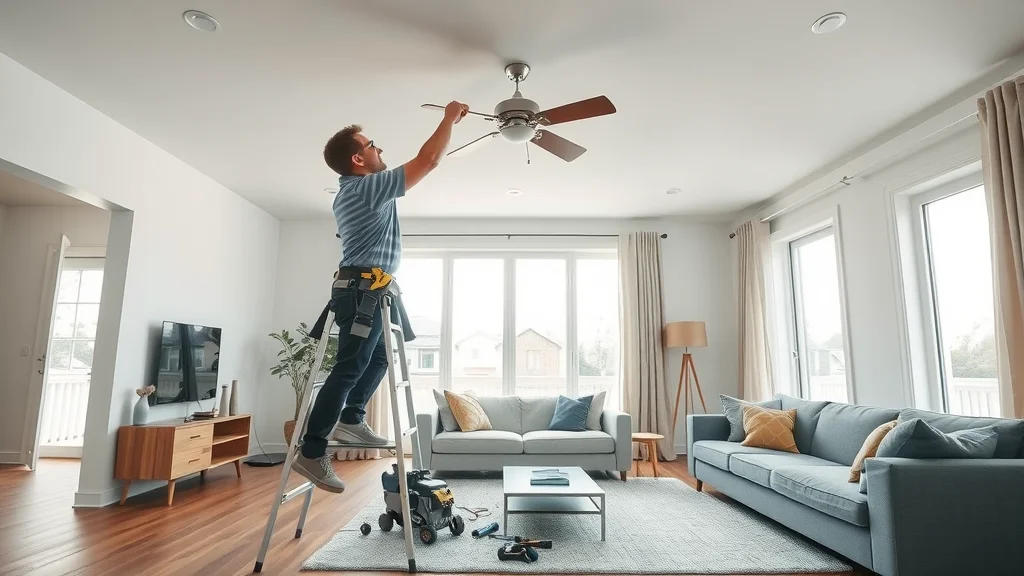
Ceiling Fans and Their Impact on Installation Costs
The style and specs of your chosen ceiling fans can be a budget decider. Modern ceiling fans often come with more advanced features like remote controls, Energy Star efficiency rates, integrated light fixtures, or innovative mounting systems. While these upgrades boost comfort and savings, they can increase install complexity and, therefore, your overall ceiling fan installation cost.
For example, a basic ceiling fan swap can be completed quickly if the mounting brackets and electrical wiring are in place. But when choosing an extra-large fan, a heavy decorative model, or an outdoor-rated design meant for patios or covered decks, you’ll often require special mounting brackets and possibly an upgraded circuit, both of which add fees. Always discuss your fan installation needs and selected items up front so that your installation service can quote you appropriately.
Existing Wiring vs. New Wiring and the Ceiling Fan Installation Cost
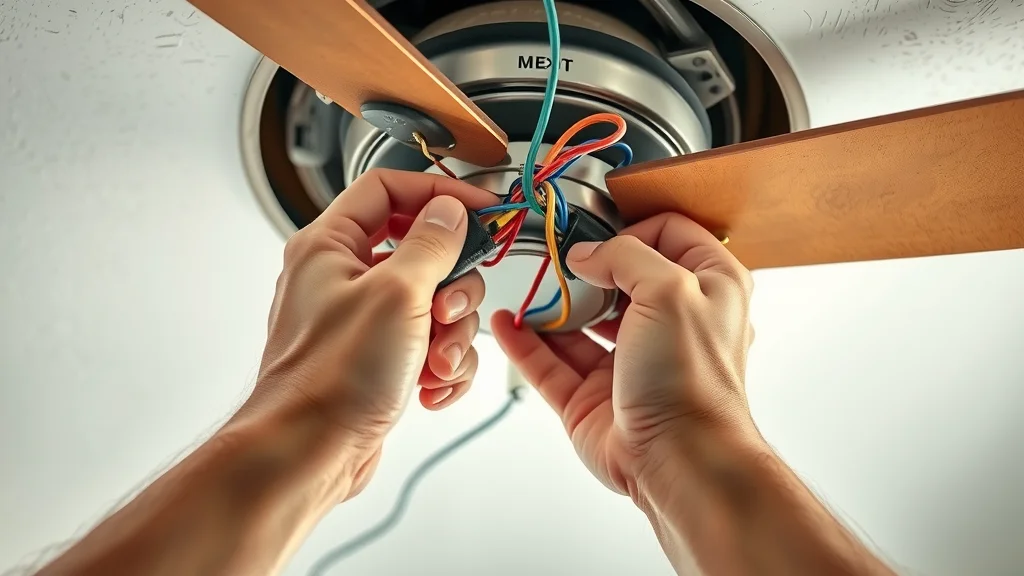
Existing wiring dramatically reduces ceiling fan installation cost since it streamlines the job for your installer. If your home already has a fan or a compatible light fixture, most electricians perform a direct swap with minimal labor. But in an older home, rooms without any box or wiring above, or cases where you want a new fan in a location previously used for something else, the job requires new electrical work.
Installing new wiring often means getting into the attic or even cutting into drywall and ceilings, costing you extra not just in time, but also for materials and repairs. Homeowners should expect the ceiling fan installation cost to increase by $100, $200, or more if there’s no accessible power source or the box isn’t rated for fan support—especially in homes with strict code requirements or unusual layouts.
Standard Labor and Ceiling Fan Installation Cost in Dallas-Fort Worth
"Based on recent surveys, most homeowners in DFW pay between $120 and $200 for a direct swap, but more complicated installs can exceed $450."
Regional labor rates play a big role in what homeowners pay for ceiling fan installation in Dallas-Fort Worth. Standard pricing for a direct replacement hovers in the $120–$200 range if no unique complications are present. However, if you need new wiring, your space has a high or vaulted ceiling, or the installer has to add an electrical box from scratch, the price quickly increases—sometimes by multiple hundreds of dollars. Hiring an electrician to install a fan, rather than a handyman, generally comes with additional peace of mind, code compliance, and warranty possibilities.
In DFW, many professional electricians and installation services break down costs transparently (see table below) based on whether you’re simply swapping an old fan, installing in a challenging spot, or dealing with high ceilings. Always ask for itemized quotes to see exactly what you’re paying for—including materials, labor, and safety checks—so you’re not surprised on installation day.
| Scenario | Average Cost (DFW) | Notes |
|---|---|---|
| Replace existing fan | $120-$200 | Wiring/box in place |
| Install with no existing box | $220-$450 | May require attic work |
| High ceiling (12ft+) | $300-$550 | More safety/mechanical work |
Comparing DIY Versus Pro Ceiling Fan Installation Cost
- DIY material cost
- Average time investment (3–5 hours)
- Common mistakes and risk of failure
- Cost to fix DIY errors vs. hiring a pro from the start
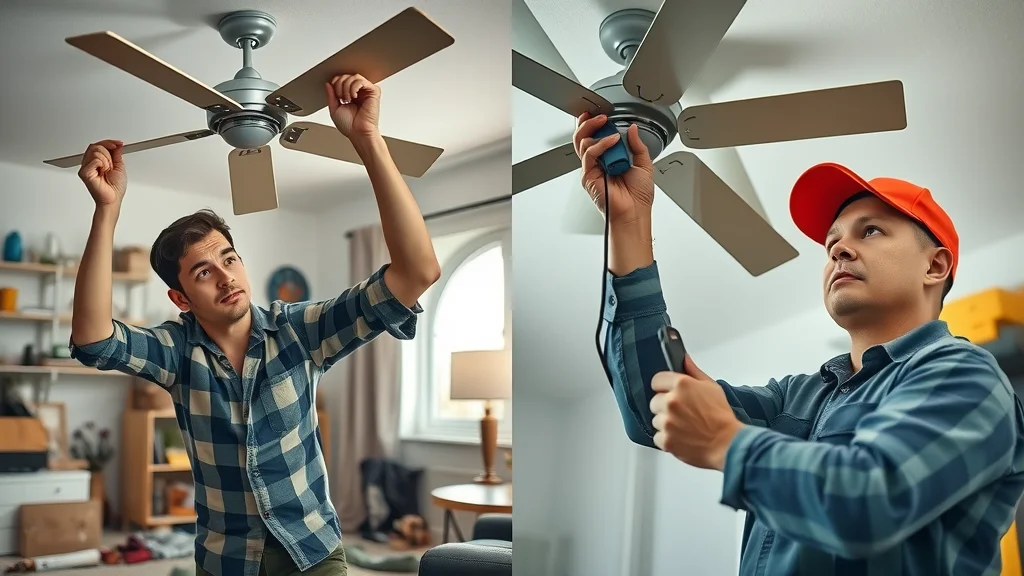
Trying the DIY route for ceiling fan installation can be tempting—especially if you’re handy, and the price for a pro seems steep. DIY materials (mounting brackets, boxes, wiring connectors) generally cost $40–$100, but that doesn’t account for owning the right tools or the real value: your time. Most homeowners spend three to five hours attempting their first ceiling fan install. Unfortunately, it’s not uncommon to hit a roadblock—especially with unfamiliar ceiling wiring, high ceilings requiring safety gear, or fan installation mistakes that only show up when the blades wobble or the fan won’t turn on.
The harshest reality? If you end up calling a licensed electrician after a failed DIY job—sometimes after four hours on a weekend and a hole in your ceiling—the cost to fix and finish the project typically exceeds what it would have been to hire a pro from the start. As one local DFW installer puts it: “The most expensive call I get is for a half-completed fan install with wiring issues and mounting brackets installed wrong. ” Ultimately, DIY has its place but so does professional expertise—especially when dealing with high ceilings, heavy fans, or older electrical systems.
Why High Ceilings and Missing Electrical Boxes Increase Ceiling Fan Installation Cost
Impact of Ceiling Height on Installation Cost
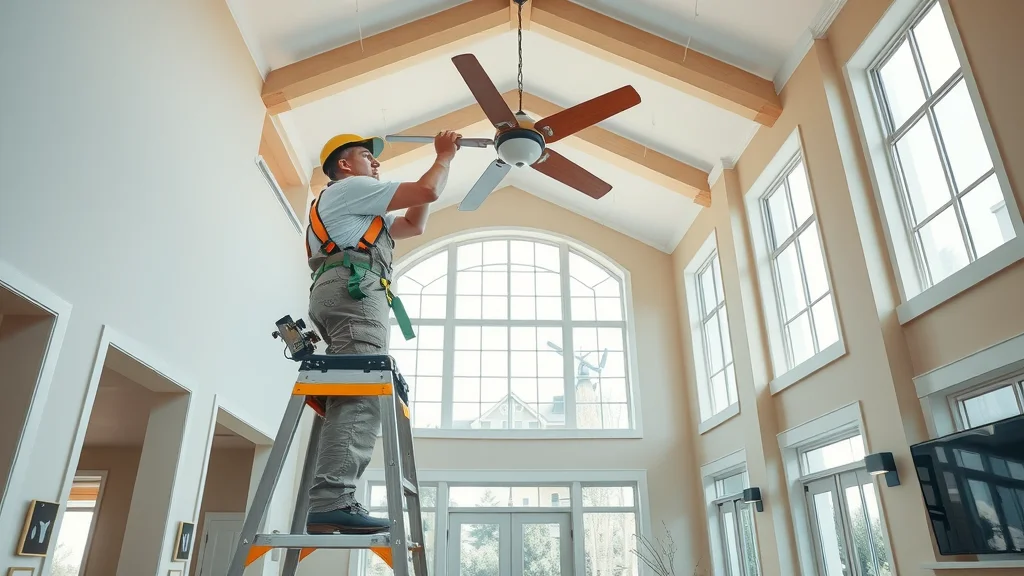
Taller ceilings—especially those measuring 12 feet or higher—drive up the ceiling fan installation cost significantly. Professionals need heavy-duty ladders, scaffold setups, and additional safety equipment just to reach and handle the install safely. In some older homes with vaulted ceiling designs or unique architectural layouts, this often translates into more than double the labor time.
Specific high ceiling risks, such as mounting heavy ceiling fans securely or integrating remote controls at distance, make these jobs specialized. A standard handyman may not have the proper equipment for safe installation, so hiring an insured, licensed electrician is recommended—even if the up-front labor cost to install is higher. These extra fees cover both personal safety and home insurance liability, and they’re well worth the investment if your home has unique height challenges.
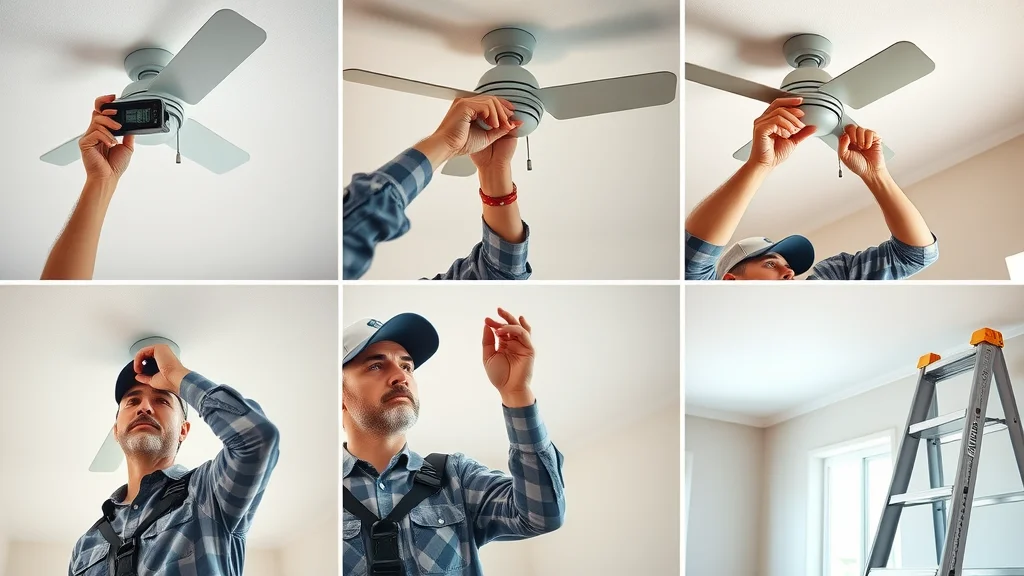
The Cost to Install a Ceiling Fan When No Existing Box is Present
A ceiling fan install without an existing wiring box means extra labor, material, and sometimes even drywall or attic work. Installation services must first ensure there is proper ceiling support for the fan weight, typically by adding a fan-rated electrical box and secure mounting brackets. This process pushes the install cost much higher—potentially $200 or more above a standard swap.
The complexity increases further if your home’s electrical circuits need updating or if code compliance demands extra steps (such as adding a wall sconce or additional light fixture for visibility). All these tasks require more specialized knowledge, raising the ceiling fan installation cost but ensuring your new ceiling fan is both safe and legal.
Handyman vs. Licensed Electrician: Who Should Install Your Ceiling Fan?
The choice between hiring a general handyman or a licensed electrician can mean the difference between a quick, affordable install and long-term headaches with your ceiling fan installation. In Texas, only a licensed professional can legally run new wiring or make changes to your electrical panel—handymen are permitted to perform swaps if the wiring and box are already in place, but they cannot address deeper electrical issues.
Ask any trustworthy ceiling fan installation service in DFW, and they'll confirm: licensing, insurance, and adherence to electrical codes matter for safety, insurance coverage, and home resale value. If you want to upgrade to a new light fixture, special remote controls, or a wall sconce with your fan, proper permits, and documentation are crucial.
Cost to Install by Handyman vs. Professional Electrician
Handymen may advertise rates as low as $75–$100 for a basic install, but these are only legal and safe if your ceiling fans are being swapped onto an existing, fan-rated box and wiring without need for code upgrades or high ceiling work. When the job calls for added wiring or safety checks, expect to pay a professional electrician’s rate of $120–$200 per fan for a simple swap—and $300+ for complicated installs.
While it’s tempting to save by hiring a handyman, the risk of improper installation or lack of insurance coverage in case of accidents can seriously outweigh short-term savings. Be upfront when requesting quotes about the presence of existing wiring, your ceiling height, and any new light fixtures or additional work needed.
Texas Electrical Codes, Insurance, and Installation Risks
Texas strictly mandates that electrical work, including most ceiling fan installation, must follow state and city codes to protect both homeowners and workers. Only licensed electricians carry the required insurance for these jobs, which may factor into the higher install price but ultimately safeguards your property and family.
Unlicensed or underqualified installs bring insurance risks, potential home resale headaches (due to failed code inspections), and even safety issues. If you’re adding new wiring, updating mounting brackets, or installing a wall sconce or light fixture with your fan, insist on proof of licensure and insurance from your installer.
Ceiling Fan Installation: Weighing Short-Term Savings vs. Long-Term Costs
While the impulse to save a few bucks on ceiling fan installation cost is understandable, remember: the cheapest route isn’t always the safest or most cost-effective. A professional installation service, though pricier up front, means reduced risk of electrical fires, less likelihood of noise or balance problems, and—most important—compliance with local codes that impact insurance and resale.
Fixing DIY mistakes or hiring an unqualified installer increases long-term costs dramatically. If your fan wobbles, your wall sconce flickers, or your light fixture blinks after install, repair bills quickly erase your short-term savings. Investing in quality work saves you time, money, and hassle over the life of your ceiling fan.
Step-by-Step: How Professionals Install a Ceiling Fan — And Where Costs Add Up
- Evaluate existing wiring and structural support
- Install mounting brackets and electrical box
- Attach ceiling fan and connect wiring
- Safety and code compliance check
- Clean up and test
Professional ceiling fan installation follows a thorough, systematic process—one that minimizes risks and exposes hidden issues before they become costly. First, the installer checks existing wiring and ensures the ceiling can safely bear the fan’s weight with the right mounting brackets. If any part isn’t up to code, the technician must upgrade it. Next comes the secure installation of the electrical box and brackets, followed by careful wiring and connection of the fan (and attachments like a light fixture, remote controls, or wall sconces, if required).
The job isn’t done after mounting. True pros run through code compliance checks, balance the fan blades, test every function, and finally clean up the space. These steps ensure your new fan is not just spinning, but safe and ready for years of trouble-free use—explaining, in part, why professional installation service rates are set where they are.

How Regional Pricing Affects Ceiling Fan Installation Cost
Dallas-Fort Worth pricing isn’t just about labor—it’s also about local norms for home construction. Larger Texas homes, prevalence of vaulted ceiling layouts, and frequent upgrades for high-efficiency fans mean both complexity and labor time are often above national averages. In neighborhoods with older homes, absence of existing wiring, unique lighting demands, or recent code changes, rates climb further.
Professional ceiling fan installation services generally provide more competitive, itemized estimates in metropolitan areas like DFW, reflecting strong competition—but these rates can rise quickly for outlying rural zones or upscale neighborhoods with stricter compliance standards. Always ask what’s included in your quote and confirm if haul-away, old fixture removal, or attic work carries extra charges.
What Is a Fair Ceiling Fan Installation Cost in Dallas-Fort Worth?
"Local labor rates and home construction norms play a significant role in the final installation quote."
A fair market price for ceiling fan installation in Dallas-Fort Worth—according to surveys and local company data—lands around $120–$200 for straightforward swap-outs. Expect that number to climb up to $550 for high ceilings, missing boxes, or jobs with lots of extra electrical work. Outside these ranges, be wary of quotes that seem too good to be true; they often skip quality checks or code compliance that lead to higher costs later on.
Always get multiple estimates from well-reviewed, licensed electricians and clarify exactly what’s included. Labor rates should reflect not only the complexity of your install, but also the value of expert workmanship and safety.
People Also Ask: Frequently Searched Ceiling Fan Installation Cost Questions
How much do electricians usually charge to install a ceiling fan?
- Electricians typically charge $75–$125 per hour, with the total ceiling fan installation cost ranging from $120 for a simple swap up to $400+ for new wiring or high ceilings.
How much does Home Depot charge to put up a ceiling fan?
- Home Depot’s installers typically offer a flat rate per fan, averaging $120–$270 depending on the complexity and location.
How much does it cost to install a ceiling fan?
- Ceiling fan installation cost varies by region, task complexity, and ceiling height, but expect the range to be $120–$550 overall.
How much does Lowes charge to install a ceiling fan?
- Lowes installation services usually quote $120–$350 for ceiling fan installation cost, depending on install type and region.
FAQs About Ceiling Fan Installation Cost, Process, and Risks
- What's included in typical ceiling fan installation cost quotes? — Most quotes include labor, basic mounting brackets and hardware, testing, and cleanup, but not always new wiring, high ceiling surcharges, or disposal of old fans. Ask for an itemized list.
- How does ceiling height affect installation cost? — Higher ceilings require special ladders, longer setup times, and more manpower. This often adds $100–$250 to the bill.
- Should I upgrade the light fixture or add a wall sconce with my fan installation? — Combining upgrades saves on labor but adds material cost. Upgrading at install time is recommended for best results and code compliance.
- What are signs of poor-quality fan installation? — Wobbling blades, flickering lights, strange noises, or non-working remotes are red flags. Quality installs always balance blades, secure the box, and test every feature. Hire a professional electrician to correct issues if noticed.
Key Takeaways: How to Get the Best Ceiling Fan Installation Cost
- Compare multiple professional electrician estimates
- Understand the impact of home wiring and ceiling height
- Factor in savings from getting it done right the first time
- Ask about code compliance and warranty
Ready to Get a Ceiling Fan Professionally Installed? Get Quick, No-Obligation Quotes Now
Finding the best deal on ceiling fan installation cost is all about planning ahead, understanding what drives the price, and always hiring a qualified professional. Start your search for licensed electricians in Dallas-Fort Worth today, compare detailed quotes, and enjoy peace of mind under your new fan.






Write A Comment