• Home
  • Categories
    • Business and Economy
    • Community
    • Small Biz
    • Policy and Law
    • Real Estate
    • Modern Life
    • Explore the U.S
March 30.2026
1 Minute Read

Best Mold Remediation Services in San Diego CA

Did you know that over 60% of homes in San Diego show signs of indoor mold growth at some point? That’s a staggering statistic for such a sunny city, and it means hundreds of families and businesses face serious risks every year. Mold isn't just unsightly—it can cause persistent health problems, costly property damage, and even devalue your biggest investment. If you want solutions and peace of mind, read on for your comprehensive guide to the best mold remediation services San Diego offers.

Why Mold Remediation Services in San Diego Are Essential

In San Diego, mild winters and moist ocean breezes make mold growth a year-round threat. Untreated mold doesn’t just result in musty odors—it can lead to respiratory illnesses, aggravate allergies, and cause structural damage to your home or business. The main keyword: mold remediation services San Diego, is at the heart of protecting local buildings and the people inside them. In San Diego county, properties left with unchecked mold damage often see costly repairs, potential loss of property value, and significantly higher insurance premiums.

  • Health Risks: Mold spores can trigger allergies and worsen asthma, especially in children and seniors.
  • Property Damage: Persistent moisture and humidity in San Diego county allow mold to damage drywall, wood, and insulation, undermining a structure’s integrity.
  • Unique Local Threats: San Diego homes often feature stucco or other breathable building materials, which can conceal mold problems until major damage is visible.

homeowner inspecting mold damage with flashlight, mold remediation services san diego

“San Diego’s unique climate makes mold remediation a year-round necessity for homeowners. ” – Local Remediation Expert

What You’ll Learn About Mold Remediation Services in San Diego

  • What a professional mold remediation service includes, from inspection to removal and restoration.
  • How to tell exceptional providers from standard mold removal companies, comparing certifications, technology, and results.
  • Step-by-step breakdown of the removal process: what you can expect and what to look for.
  • How to choose the best local company—understanding credentials, reviews, and insurance considerations.
  • When to call for help and how to protect your home or business from future mold damage.

Understanding the Mold Problem in San Diego County

Mold problems in San Diego County are more common than most residents realize. Thanks to coastal humidity, seasonal rains, and older home construction, many properties face conditions ideal for mold growth. Common species include black mold (Stachybotrys chartarum), Aspergillus, and Penicillium, each with unique risks for both health and property value.

These mold types thrive in places with moisture and poor ventilation—think bathrooms, basements, and attics. Left untreated, infestations can spread quickly behind walls or beneath flooring, making detection and early intervention essential. Professional remediation services understand these risks and use advanced equipment like air scrubbers and thermal imaging to pinpoint sources and stop the problem at its root.

macro photograph of mold types and spores, mold problem san diego

Mold Remediation Services San Diego: What’s Included

A typical mold remediation service in San Diego covers more than just removing visible mold. The removal process usually includes several vital steps to ensure complete elimination and long-term prevention:

  • Inspection: Identifying all affected areas with moisture meters and infrared cameras.
  • Containment: Isolating the affected area to prevent mold spores from spreading throughout the home or business.
  • Air Filtration: Using HEPA filters and industrial air scrubbers to capture airborne spores and purify the indoor air.
  • Mold Removal: Removing contaminated materials and thoroughly sanitizing remaining surfaces with EPA-approved solutions.
  • Prevention: Applying mold inhibitors and fixing sources of water damage to prevent future growth.

Choosing a provider specializing in remediation service ensures your property is safer, healthier, and protected against future mold problems. Companies that offer transparent walkthroughs and free estimates typically give you better peace of mind.

Since water intrusion is a leading cause of mold growth, it's wise to familiarize yourself with the early warning signs of water damage in your property. Recognizing these indicators can help you address moisture issues before they escalate into more serious mold problems.

Service Level Standard Mold Remediation Premium Mold Remediation Emergency Mold Remediation
Inspection & Diagnosis ✔ Basic visual & moisture testing ✔ Detailed infrared scanning & lab analysis ✔ Rapid on-site emergency inspection
Containment & Air Filtration ✔ Standard plastic sheeting, portable air scrubbers ✔ Full negative air barriers, commercial HEPA filtration ✔ Immediate containment, industrial air cleaning
Mold Removal ✔ Manual removal, disinfecting agents ✔ Advanced chemical, steam treatments, material replacement ✔ 24/7 rapid material removal & temporary repairs
Restoration & Prevention Optional ✔ Structural repairs, warranty, and prevention plan Emergency patching, future consultation

Key Features of Professional Mold Remediation Service San Diego Offers

The best mold remediation services San Diego specialize in more than just mold cleanup. Top-rated companies are equipped to manage complex cases involving water damage restoration, fire damage cleanup, and even smoke damage removal. These extra capabilities matter when unforeseen disasters strike and time is critical for property safety and recovery.

What separates elite providers from the rest? Look for those who use advanced equipment—like negative air machines, industrial air scrubbers, and digital moisture meters. Top companies employ certified technicians trained in both mold removal and restoration, ensuring your property is returned to a safe, pre-damage condition. A professional mold remediation service should always provide detailed assessments, transparent timelines, and robust customer support.

restoration crew with air scrubbers and containment in san diego home, mold remediation services san diego

How to Choose the Best Mold Removal and Remediation Companies

Selecting the right provider for remediation service in San Diego county is critical to protecting your home or business. Not all mold removal companies are alike; the best offer third-party certifications (such as IICRC), local city or county business licenses, and full insurance that covers property and worker liability. Always look for positive online reviews and before-and-after galleries that show actual results.

  • Verify professional credentials and state licensing.
  • Review insurance documentation—protecting both you and the technicians is essential.
  • Read customer reviews and ask for references from recent projects in San Diego County.
  • Request free estimates or detailed proposals before hiring.
  • Make sure the company offers a clear remediation plan and a post-removal guarantee.

“Always confirm that your selected removal service is certified and insured for mold damage—don’t be afraid to ask for proof. ”

Top 5 Mold Remediation Services San Diego CA

  1. Gold Coast Flood Restorations – Renowned for rapid response, transparent pricing, and the thoroughness of their remediation services across San Diego.
  2. Mold Safe Solutions – Noted for cutting-edge mold detection and environmentally-safe mold removal techniques.
  3. San Diego Mold Removal Pros – Highly reviewed for their comprehensive service, including water and fire damage repairs.
  4. Pacific Mold Pros – Stand out with their certified team, industry-leading guarantees, and strong focus on customer education.
  5. 911 Restoration of San Diego – Experts in large-scale emergencies, available 24/7 for critical removal service needs.

Benefits of Hiring a Professional Mold Remediation Service in San Diego

Choosing experienced remediation services San Diego brings peace of mind to homeowners and property managers. Not only do certified technicians follow strict protocols for health and safety, but they also save you time and trouble by addressing underlying issues such as water damage, fire damage, or even unnoticed structural repairs. Professionals use advanced equipment and EPA-approved solutions to eliminate even stubborn infestations.

  • Health: Thorough cleanup and air purification mean reduced risk of respiratory symptoms and allergies.
  • Efficiency: Pros complete the job quickly, minimizing disruption, and preventing recurring issues with professional-grade prevention steps.
  • Comprehensive Service: The best companies offer all-in-one packages, handling removal and remediation for complex cases where multiple types of damage overlap.

happy family in mold-free san diego home after remediation, professional mold service

How Mold Remediation Services in San Diego Work: Step-by-Step Process

Understanding the removal process employed by top remediation services helps set expectations and ensures quality results. Here’s how the best in the business protect San Diego properties:

  • Inspection: Visual exam, moisture mapping, and air quality testing to identify all trouble spots.
  • Containment: Isolating the affected areas with plastic barriers and sealing off HVAC vents.
  • Air Filtration: Deploying air scrubbers to clean the indoor environment and prevent the spread of mold spores.
  • Removal & Cleanup: Careful disposal of contaminated materials, thorough cleaning of all surfaces, and application of anti-microbial agents.
  • Restoration: Repairs to affected areas, repainting, and providing recommendations to prevent mold from returning.
  • Final Inspection: Ensuring all mold is gone, no odors remain, and humidity/moisture levels are within safe ranges.

Comparing Mold Removal and Mold Remediation: What’s the Difference?

While “mold removal” and “mold remediation” are often used interchangeably, the distinction matters. Mold removal typically refers to the physical act of stripping visible mold from surfaces. However, this alone doesn’t address the root problems, like high moisture or hidden spores. Mold remediation is a holistic process that includes removal, cleansing the air, decontamination, and addressing the underlying causes such as leaks or prior water damage.

Regulatory definitions in California often require remediation to follow strict safety, air quality, and disposal protocols, which means results are verifiable and lasting. For lasting peace of mind and better property outcomes, remediation—not just removal—is the gold standard.

When to Choose Mold Removal Mold Remediation
Minor, surface-level mold issues ✔
Widespread infestation, recurring mold ✔
Water or fire damage concerns ✔
Property sale or insurance compliance ✔

Signs You Need Mold Remediation Services San Diego Now

  • Visible mold stains or dark patches—especially in bathrooms, kitchens, attics, or basements.
  • Musty odors that linger despite fresh air or cleaning.
  • Recent water damage: leaks, flooding, or burst pipes in your home or business.
  • Cold or allergy-like symptoms: sneezing, coughing, or skin irritation that improve outside the property.

San Diego’s combination of salty air, seasonal humidity, and common building materials makes it vital to take signs of a mold problem seriously.

Cost Factors for Mold Remediation in San Diego County
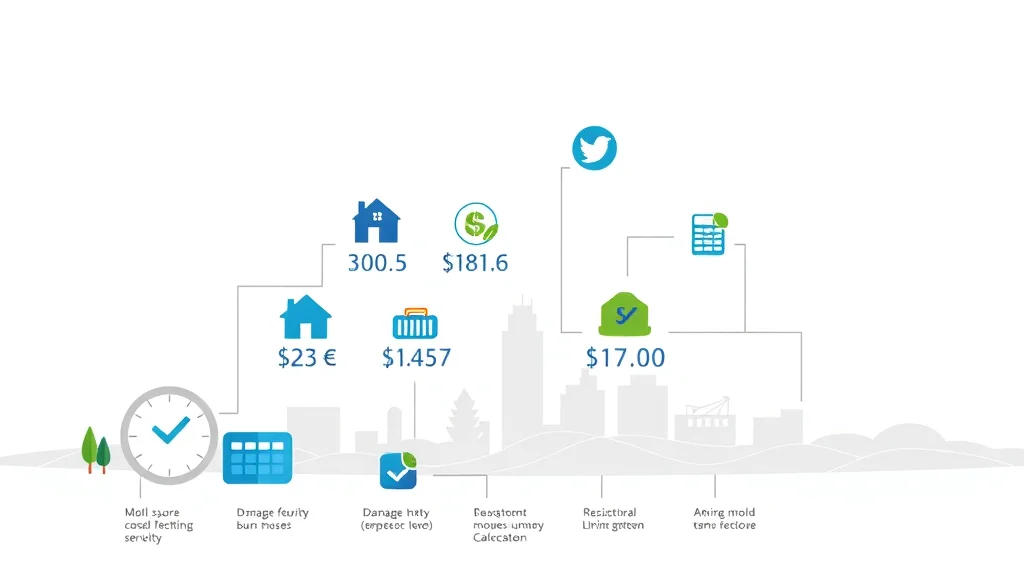
infographic showing factors affecting mold remediation costs in san diego
  • Severity of Infestation: More extensive areas or deeper penetration will take longer and require more resources.
  • Location: Attics and crawlspaces can be harder to reach, impacting labor costs.
  • Square Footage: Larger homes or offices have more affected areas that must be addressed.
  • Type of Service: Emergency or premium services may cost more but add value through faster response or advanced restoration.
  • Additional Damage: The need for water damage, fire damage, or structural repairs can add to the price.

Customer Reviews: Experiences with Mold Remediation Services in San Diego

  • "After a pipe burst, my bathroom was a mess. The removal service responded fast, contained the area, and now it looks brand new."
  • "I never realized how much mold damage was lurking in our attic until the inspection. Remediation services walked us through every step, and we’re breathing easier now."
  • "Professional mold remediation saved my rental property value—happy to recommend them to anyone with a mold problem in San Diego County."

before and after image of bathroom with mold damage, removal service san diego

People Also Ask About Mold Remediation Services San Diego

How much does mold remediation cost in San Diego?

  • The cost of mold remediation in San Diego varies depending on the extent of mold damage, the size of the affected area, and the level of service required. Generally, costs can increase for premium technology, after-hours emergencies, or simultaneous water/fire damage restoration. Most reputable companies offer free estimates so you know what to expect up front.

Is there a difference between mold removal and mold remediation?

  • Yes. Mold removal deals with getting rid of visible mold, while remediation addresses the underlying cause and ensures long-term health and safety by eliminating spores, moisture, and preventing future growth. For persistent or hidden problems, remediation is usually advised over simple removal.

What is the average cost to get rid of mold?

  • The average cost to remediate mold in San Diego ranges depending on the severity, but most jobs reflect your property’s square footage, affected surfaces, and additional services like demolition, repairs, or environmental testing. Premium or emergency services can be higher but often shorten timelines and guarantee safer outcomes.

How much does it cost to get mold removed professionally?

  • Professional pricing structures usually include inspection, containment, removal, and final clearance testing. Depending on the size and scope, you may see additional costs for water or fire damage handling, advanced air purification, and restoration of affected areas. Asking for a detailed quote or free estimate is always recommended.

Frequently Asked Questions on Mold Remediation Services San Diego

  • Does insurance cover mold remediation? Coverage varies—always check with your provider. Many policies exclude mold unless caused by a covered event like water damage.
  • How long does the remediation process take? Most standard projects in San Diego are completed in 1–5 days, depending on severity and property size.
  • Can services handle emergencies? Yes, reputable providers offer 24/7 emergency response and can contain issues on the same day.
  • Are services guaranteed? The best companies stand by their work with satisfaction guarantees and post-remediation inspections or warranties.
  • Do I have to leave my home? Not always. For limited mold problems, you can often stay during the process; larger jobs may require temporary relocation for safety.

Key Takeaways for Homeowners Considering Mold Remediation Services San Diego

  • Act fast if you notice mold—delays can worsen mold damage and increase costs.
  • Only hire licensed, insured, and certified professionals who specialize in mold remediation services for San Diego County.
  • Request free estimates and clear answers on methods, results, and guarantees.
  • Keep your home or business dry, ventilated, and regularly inspected, especially after water damage or heavy rainfall.
  • Protect your health, property value, and peace of mind with a quality removal and remediation provider.

Get Help Fast: Mold Remediation Services San Diego

  • If you suspect a mold problem or want a free professional evaluation, don’t wait. Call Gold Coast Flood Restorations at (619) 449-9611 to arrange prompt, expert remediation services in San Diego today.

Take action now—your healthy home starts with the right team!

Mold issues rarely occur in isolation—often, they’re the result of underlying water damage that goes unnoticed until it’s too late. If you’re committed to safeguarding your property for the long term, consider exploring the full range of water damage warning signs that every San Diego homeowner should know. By staying proactive and informed, you’ll be better equipped to prevent future mold outbreaks and protect your investment. For those seeking advanced strategies and peace of mind, understanding the early indicators of water intrusion is the next step toward a healthier, safer home environment.

To further enhance your understanding of mold remediation services in San Diego, consider exploring the following resources: “Mold Remediation Services San Diego CA - Remove Black Mold | KIC Restoration” This resource provides insights into the importance of professional mold remediation and the services offered by KIC Restoration in San Diego. “Mold Remediation Services San Diego CA - Pacific Flood Restoration” This resource offers information on mold removal and remediation services provided by Pacific Flood Restoration in San Diego. If you’re serious about safeguarding your property and health from mold-related issues, these resources will provide valuable information and guidance.


Modern Life

0 Comments

Write A Comment

*
*
Please complete the captcha to submit your comment.
Related Posts All Posts
07.11.2026

How To Make It Rain

Have you ever looked out over a dried-up riverbed and wondered if humanity is missing something deeper than cloud seeding and irrigation when it comes to ending drought? Across the world, communities watch in uncertainty as rivers dry and water levels plummet—yet ancient cultures saw drought not just as a weather pattern, but as an invitation to seek harmony, within and without. Today, as climate change accelerates water scarcity, this coupling of ancient wisdom and modern science may just provide the holistic solutions we desperately seek. Drought: An Ever-Present Concern for Humanity Overview of drought as a natural phenomenon Personal reflections on observing current droughts Why drought remains a pressing issue in the 21st century Drought, fundamentally, is not a new visitor on Earth’s stage. Long before global climate change was on anyone’s radar, civilizations documented periods when rainfall ceased, rivers dried, and the land cracked. But today, our awareness feels sharper: I often find myself pausing on a bridge over a river system that once pulsed with natural flow—now reduced to scattered puddles and exposed boulders. Suburban lawns yellow, and newsfeeds buzz with water shortage alerts across the United States. It’s a haunting visual reminder that while we hold more scientific knowledge than ever, our vulnerability to the ebb and flow of water remains timeless. In the 21st century, drought is an ever-present and multifaceted challenge. Climate change acts as an intensifier, driving rivers dry more frequently and unpredictably. This threatens not only crop yields and economic stability but also destabilizes river ecosystems and communities reliant on regular water flow. The personal and collective anxiety around drought underscores why, despite technological advances, our efforts must reach beyond policy. There's a longing to address not just the symptoms, but the spiritual and ethical roots that underlie our stewardship of river water and the material world as a whole. What You'll Learn About Drought, Ancient Rituals, and the Power of Chanting Core concepts of drought and its historical impact How climate change intensifies rivers dry and drought scenarios Vedic perspectives on solving drought beyond climate policy As you journey through this article, you’ll expand your understanding of drought—not just as an environmental crisis, but as a phenomenon deeply rooted in human history and consciousness. We’ll explore how rivers dry up under the stresses of climate change, but also how ancient Vedic solutions, like the Hare Krishna maha mantra, offer intriguing alternatives. From scientific definitions to scriptural stories, you’ll gain both practical and philosophical insights into tackling water scarcity. Ultimately, this discussion will empower you to see drought as a call for both innovative policy and transformative spiritual practice. Defining Drought: From Climate Change to Rivers Drying Up What is the definition of a drought? Scientific and meteorological perspectives on drought Cultural and spiritual interpretations across history Scientifically, a drought occurs when a region experiences a significant shortage of precipitation over an extended period—long enough to cause critical impacts on water flow, river systems, agriculture, and communities. Meteorologists classify droughts into four types: meteorological (lack of rain), agricultural (affecting soil moisture), hydrological (affecting river water and groundwater), and socio-economic (when water scarcity—driven by human demand—affects daily life). But definitions only tell part of the story. Culturally and spiritually, societies throughout history have interpreted drought as a signal of imbalance. In the Vedic tradition, drought was often considered a symptom of collective disharmony with natural laws—an external reflection of spiritual disconnect. Such interpretations inspired rituals and practices, by which the community sought to restore both rain and right relations with the environment and the personality of Godhead. Notably, many ancient texts, such as the Srimad Bhagavatam, weave together physical and metaphysical dimensions of drought, suggesting an inseparable link between consciousness and the visible world. Is the US in a drought right now? Current status of drought in the United States Personal observations and data-backed insights At this very moment, substantial portions of the United States grapple with drought conditions ranging from moderate dryness to severe water scarcity. States in the West and Southwest, like California, Arizona, and Nevada, regularly experience river systems dwindling to anomalously low levels, their once vibrant water flow reduced to meandering trickles. Data from the U. S. Drought Monitor shows that large swaths of farmland, forests, and even urban centers are affected, impacting ecosystems and communities alike. Having visited several Western states recently, I was struck by how the natural flow of life adapts: seasonal riverbeds parched, crops stunted, and communities banding together to add conservation as a way of life. In these places, the reality of drought is tangible—visible in cracked earth, rationed water, and the ever-present worry etched on locals’ faces. It highlights the ongoing and urgent necessity to rethink not just technical solutions, but the collective consciousness underlying our environmental choices. What is called a drought? Distinguishing drought from other natural events How drought disrupts water availability Drought is specifically characterized by a prolonged deficit in water supply, different from temporary water scarcity or seasonal dryness. While floods or storms might disrupt river water in dramatic bursts, drought creeps in—subtly, steadily—until reservoirs, soils, and even the air seem parched. Unlike acute disasters, drought’s slow onset makes it challenging to pinpoint and plan for, and by the time rivers dry up, recovery is both lengthy and uncertain. The greatest disruption during a drought is to water availability: drinking water becomes a precious commodity, irrigation is restricted, and natural ecosystems are pushed to their limits as river flow and wetlands shrink. The river ecosystem suffers, fish populations decline, and plants adapted to steady water flow struggle or perish. The indirect effects ripple out—drought can fuel wildfires, raise food prices, and destabilize entire communities and river systems. Recognizing this unique profile is central to devising resilient solutions, both modern and ancient. What states are facing a water shortage? Regions most affected by drought and rivers dry conditions How climate change influences local and national trends In recent years, states such as California, Texas, Arizona, and Nevada have been frequently listed among those suffering the most acute water shortages due to drought. These are regions where river systems—like the Colorado River—have historically provided lifelines for agriculture, cities, and ecosystems, but now struggle to maintain their natural flow under the compounding stress of population growth and climate change. The recurrent drying of rivers and shrinking reservoirs in these states is not merely a local concern; it signals shifting patterns in national water availability. Climate change is reshaping rain patterns, leading to hotter, longer dry spells that test both engineered water systems and the patience of local residents. The impacts are cascading: not only do river levels drop, but drought’s reach extends to forests, croplands, and rural communities, disrupting river water supply, food chains, and lifestyles. As the United States confronts these escalating crises, a multipronged approach—combining science, policy, and perhaps, as the ancients would argue, spiritual realignment—seems more relevant than ever. Ancient Approaches to Ending Drought: From Fire Sacrifices to Temple Worship “Whatever result was obtained in Satya-yuga by meditating on Viṣṇu, in Tretā-yuga by performing sacrifices, and in Dvāpara-yuga by serving the Lord’s lotus feet can be obtained in Kali-yuga simply by chanting the holy name of Kṛṣṇa.” — Srimad-Bhagavatam How previous ages used elaborate rituals to address drought Limitations of these methods in today’s world Transition from physical rituals to spiritual practices Throughout history, communities facing drought turned to ritual and spiritual practice long before modern interventions existed. In the Vedic tradition—a lineage stretching back through Satya-yuga, Tretā-yuga, and Dvāpara-yuga—elaborate fire sacrifices (yajñas), invocations to Lord Vishnu and Lord Krishna, and grand temple rituals filled the role of climate policy. Whole communities, coordinated by priests and laypeople alike, participated in these ceremonies, believing that harmonizing with the Supreme Personality of Godhead could restore natural balance and water flow. However, as ancient texts like the Srimad-Bhagavatam make clear, the spiritual fabric of society was purer and less polluted in previous ages. Today, in Kali-yuga—the so-called age of quarrel and hypocrisy—the prescribed methods of the past are nearly impossible: resources are scarce, collective discipline wanes, and the atmosphere is said to be more polluted, physically and metaphysically. The Vedas acknowledge these limitations and advise a shift: from external, often costly rituals to internal, readily accessible practices. Chief among these is the chanting of the Hare Krishna maha mantra, regarded as a potent means not only for spiritual liberation but also for remedying imbalances in the climate and material world. Chanting the Hare Krishna Maha Mantra: Vedic Solutions for the Modern Drought The philosophy behind chanting the hare krishna maha mantra What makes chanting accessible in the age of climate change Krishna maha mantra as a tool for spiritual and environmental healing The Hare Krishna maha mantra—Hare Krishna, Hare Krishna, Krishna Krishna, Hare Hare, Hare Rama, Hare Rama, Rama Rama, Hare Hare—is celebrated in the Srimad Bhagavatam and other Vedic texts as a uniquely accessible, transformative sound vibration. Unlike the sacrificial fires or temple feasts of earlier yugas, chanting requires no special qualification, wealth, or ceremonial setting. Anyone, anywhere, can join in—alone, in groups, or as whole communities. But how does this relate to drought? The Vedic philosophy holds that the condition of the environment mirrors the consciousness of its inhabitants; when hearts are restless and disconnected, the material world reflects that dryness—rivers dry, rain withholds. Simply by chanting the holy names, individuals are not only purified from within, but the collective vibration is said to influence ecological balance—re-awakening our responsibility as caretakers of river ecosystems and inviting a return of natural water flow. In this way, the Krishna maha mantra is more than spiritual therapy; it’s a bridge from the inner world to healing the outer crisis. How chanting the hare krishna has been linked to rainfall in scriptures Scriptural stories and testimonials Reflections on the relationship between consciousness and rivers dry events Accounts from Vedic literature and saints describe how collective devotion—expressed through chanting the Hare Krishna maha mantra—has coincided with the end of drought and the replenishing of river systems in ancient times. In some stories, even in periods when rivers dried and crops failed, the heartfelt repetition of the maha mantra by the community would please the Supreme Personality of Godhead, bringing rainfall and restoring water levels. Such narratives, found in the Srimad Bhagavatam and retold in later traditions, emphasize how consciousness shapes not only personal destiny but also the fortunes of ecosystems and societies. Skeptics may view these stories as myth, but there’s a universal resonance: environmental crises often reveal spiritual imbalances—disconnection from nature, each other, and deeper meaning. Whether or not rain follows every kirtan is less important than the inner shift promoted by chanting: a movement from despair to stewardship, from alienation to community, from exploitation to reverence for river water, land, and the forces that nurture life. The Vedic legacy offers this as a living, practical tool for anyone addressing both drought and the inner drought of the heart. Modern Drought Solutions vs. Spiritual Approaches Comparing Technical and Spiritual Methods for Addressing Drought Approach Examples Effectiveness Accessibility Sustainability Technical/Policy Water conservation, reservoirs, cloud seeding, irrigation technology Variable—often effective short-term, but dependent on climate & infrastructure Requires investment, expertise, & government/community coordination Resource-intensive; may have ecological side-effects if unsustainable Spiritual Practice Chanting the Hare Krishna maha mantra, community prayer, group meditation Effectiveness seen in inner transformation, with many scriptural and anecdotal links to rainfall Open to all, free from material bondage, inclusive regardless of status or location Promotes long-term harmony between people, nature, and higher consciousness Conventional policy measures (conservation, reservoirs, cloud seeding, etc.) spiritual practices like chanting the hare krishna maha mantra Evaluating effectiveness, accessibility, and sustainability While technical solutions—conservation, engineered reservoirs, cloud seeding—remain essential tools against water scarcity, they’re often resource-intensive and may lead to unintended consequences in river ecosystems. Changes in river water use, damming, or artificial rainfall can disrupt natural flow, altering water availability for countless species and downstream communities. Accessibility, too, is an issue: these methods require investment, coordination, and sometimes political will that not all communities can muster. By contrast, spiritual approaches like chanting the Hare Krishna maha mantra require no special infrastructure, no financial outlay, and can be practiced individually or collectively anywhere—even as rivers dry and resources run thin. They offer a form of empowerment and accessibility especially relevant during a global era of environmental and ethical uncertainty. While policy solves immediate needs, spiritual practices aim at root transformation—healing the consciousness and ethics underlying our management of the material world. Perhaps the real solution is not "either/or" but "both/and"—fusing outer technology with inner realization. Lists: Steps to Incorporate Spiritual Practice During Drought Recognize signs and local impacts of drought. Get informed about your region’s water levels, river system health, and any water shortage alerts in your community. Study ancient Vedic texts and practices relating to drought. Resources like the Srimad Bhagavatam offer philosophical and practical teachings on restoring balance, individually and collectively. Engage in chanting the Hare Krishna maha mantra individually or in groups. Join community kirtans or meditate at home, aligning your consciousness with the spiritual order and inviting transformation to both inner and outer environments. Reflect on personal responsibility and environmental stewardship. Evaluate your use of water and natural resources, striving to act as a caretaker for the river ecosystem and a cooperative member of the greater world family. FAQs on Drought, Rivers Drying, and Krishna Maha Mantra Can chanting actually influence weather and rainfall? While scientific consensus stops short of confirming a direct correlation between chanting and rainfall, many Vedic scriptures and traditions believe that collective spiritual consciousness can bring about positive changes—in personal wellbeing, communal harmony, and even environmental patterns. The core principle is that spiritual imbalance in the material world can manifest as events like drought, and spiritual practices such as chanting the Hare Krishna maha mantra can help restore both inner and external equilibrium. Are there modern examples of drought relief linked to spiritual practice? There are numerous anecdotes across cultures where communities engaged in group prayer, kirtan, or the recitation of holy names during drought, followed by significant rainfall. In the Vedic tradition, stories from the Srimad Bhagavatam recount miraculous restoration of river water following devotional acts. While these accounts are viewed with skepticism by some, for believers, they serve as inspiration to make spiritual practices a central part of their response to environmental crises. How do climate change and drought relate to spiritual imbalance? The Vedic worldview sees all of nature as interconnected with human consciousness and morality. Intensive exploitation, pollution, and disregard for the river ecosystem or water levels create not just ecological, but also spiritual disturbances. Drought and rivers drying are interpreted as signs of the material world falling out of harmony, and spiritual practices like chanting the hare krishna maha mantra offer a way for the conditioned soul to reconnect, promoting balance between internal awareness and external action. Key Takeaways: Re-envisioning Drought Solutions for a Changing World Drought remains a multifaceted challenge with both material and spiritual aspects Ancient Vedic solutions like the maha mantra offer alternative approaches Integrating climate change policy with inner transformation could offer new hope Explore Further on Ancient Solutions to Drought Learn more at https://asitis.com/3/14 If you’re searching for deeper insight on drought, rivers dry, and Vedic wisdom, explore further here and discover timeless tools for our challenging times. Drought is a complex and multifaceted phenomenon that has challenged humanity throughout history. In the United States, drought conditions are currently affecting significant portions of the country, with 40.01% of the U.S. and 47.84% of the Lower 48 states experiencing drought as of June 30, 2026. (drought.gov) The Environmental Protection Agency (EPA) emphasizes the importance of adopting water-efficient practices to mitigate the impacts of drought. These include using effective irrigation systems, watering lawns and gardens during cooler parts of the day to minimize evaporation, and adhering to state and local water use restrictions during drought periods. (epa.gov) Understanding the various types of drought is crucial for effective management and response. The National Integrated Drought Information System (NIDIS) categorizes drought into several types: Meteorological Drought: Characterized by prolonged periods of below-average precipitation. Hydrological Drought: Occurs when low water supply becomes evident in water systems. Agricultural Drought: Affects crop production due to inadequate soil moisture. Socioeconomic Drought: Happens when water shortages impact the supply and demand of goods and services. Ecological Drought: Impacts natural ecosystems, leading to reduced plant growth and loss of biodiversity. (drought.gov) Incorporating both modern scientific approaches and ancient wisdom can offer a holistic perspective on addressing drought. While technological solutions focus on immediate relief and resource management, spiritual practices, such as those found in Vedic traditions, emphasize harmony with nature and inner transformation. This integrated approach may provide comprehensive strategies to mitigate the effects of drought and promote environmental sustainability.

06.10.2026

The Rest Deficit: Why Your Calendar Needs An Energy Audit (And How to Take One)

Feeling drained despite a busy schedule isn't just burnout—it's a rest deficit. Understanding how to do a personal energy audit can transform your life by helping you reclaim focus, balance, and vitality through effective energy management. Let’s explore why this simple step is your key to lasting energy and wellbeing.Unlocking Energy: Why Learning How to Do a Personal Energy Audit MattersUnderstanding the rest deficit and its impact on wellbeing: Many driven individuals, from busy professionals to students, often find themselves running on empty. This rest deficit isn’t just physical fatigue; it’s a chronic drain triggered by overcommitting and undervaluing recovery.How personal energy audit unveils hidden energy leaks: A personal energy audit helps you assess the main areas where energy leaks occur. Unlike a home energy audit—where you inspect your space for inefficiencies—a personal audit enables you to pinpoint where your own focus, emotions, and body lose energy.“Measuring our days by energy, not just tasks, is the blueprint for a more intentional life.”Moving away from never-ending to-do lists, shifting your approach to personal energy management through an energy audit lays the groundwork for meaningful productivity. By addressing the sources of your fatigue at their core, you move from hyper-productivity to intentional rest—without guilt. The end result? A calendar that sustains you, not just your workload.As you begin to identify your unique energy patterns, it’s helpful to pair your audit with practical strategies for daily renewal. For actionable tips on improving sleep quality and boosting energy throughout the day, explore these top sleep and energy tips that complement your personal energy audit journey.What You'll Learn from an Energy AuditHow to identify and remedy energy leaks in your home and personal routines: You’ll gain the skills to spot where your energy gets drained throughout the day—whether from work demands, relationship friction, or neglected self-care.The four types of personal energy—where yours is thriving (and failing): Learn to distinguish between physical, mental, emotional, and spiritual energy, and discover zones where you’re running low.Step-by-step guide to conducting your own personal energy audit: We’ll walk you through actionable steps for a clear, customized energy assessment you can repeat regularly.Real transformation begins with self-awareness. By the end of this guide, you’ll have practical tools to diagnose and address your rest deficit—and perform a real energy assessment that leads to sustained vitality.What Is a Personal Energy Audit and How to Do OneDefining personal energy audit vs. home energy audit: A personal energy audit assesses your mental, emotional, physical, and spiritual inflows and outflows, whereas a home energy audit focuses on building systems and clean energy use (gov websites often recommend regular energy assessments for efficiency).Purpose and outcomes of an energy assessment: The main purpose of an energy audit is to reveal where energy leaks appear in your life—such as persistent stress, poor sleep, or strained relationships—so you can strategically address the most draining habits or challenges.Shifting from time management to energy management: Traditional productivity measures success by finished tasks; however, your greatest resource is how you manage personal energy. Prioritizing rest, boundaries, and activities that restore you (think: qi gong, nutrition, play) makes your days productive and sustainable.Essentially, a personal energy audit helps you “see” where your focus, enthusiasm, and physical stamina are being sapped, guiding you toward a more intentional, rested, and effective life. It’s about aligning your daily schedule with your real energy needs, not just your calendar commitments.Identifying Hidden Energy Leaks in Your LifeCommon signs of energy leaks in work, relationships, and self-care: Chronic exhaustion, irritability, procrastination, and frequent illnesses often point to overlooked energy drains. These may stem from overloaded schedules, draining relationships, tech distractions, or inadequate self-care.How energy assessments reveal your biggest drains: Through careful tracking—using an audit worksheet or digital tool—you can identify “dead zones” when your main energy inflows dwindle and pinpoint when energy outflows spike.Personal energy audit: Emotional, mental, and physical energy zones: Break your day into zones (work blocks, breaks, commute, meals, social interactions) and track your energy level in each. Pay attention to lagging mental energy, emotional exhaustion, or physical fatigue for clues to your personal energy profile.Sometimes, the biggest leaks are subtle—a sense of obligation, negative self-talk, an always-on phone—chipping away at your reserves. Energy assessments, informed by both professional and personal perspectives, reveal these insidious drains, offering clear starting points for renewal.Think of it as “running an energy audit” on your day: Are meetings energizing or draining? Is your lunch a quick refuel or a mindless scroll? By noticing these patterns, you unlock pathways to cleaner, more consistent energy flow and a new definition of productivity centered on wellbeing.Step-by-Step Guide: How to Do a Personal Energy AuditSetting up for your personal energy audit: Choose a quiet day or even a whole week to conduct your personal energy audit by observing yourself without judgment. Use a journal or digital tracker to note your activities and energy level at regular intervals.Tracking activities and classifying energy input/output: For every time block (work, commute, meals, socializing), rate your physical, mental, emotional, and spiritual state. Were you energized or depleted? What contributed to either outcome?Energy audit tools: Journals, trackers, and digital aids: Consider using printable audit worksheets, mobile apps, or even a spreadsheet. Simple color coding or a ‘traffic light’ system (green=high energy, yellow=neutral, red=drained) can make patterns stand out.Assessing your calendar for energy leaks: Cross-reference your calendar events with your energy ratings. Identify recurring blocks—such as weekly meetings or social events—that leave you depleted, as well as moments that consistently recharge you.Table: Energy Audit Example ScheduleTime BlockActivityPhysical EnergyMental EnergyEmotional EnergySpiritual Energy8:00–9:00amMorning Walk + Breakfast8/107/109/106/109:00–11:30amEmails + Creative Work6/108/107/107/1011:30am–12:30pmTeam Meeting5/106/104/105/101:00–2:00pmLunch, Qi Gong, Reflection7/106/109/108/102:00–5:30pmFocused Project Work5/107/106/107/106:00–7:00pmDinner with Family8/106/1010/108/108:00–9:00pmMeditation + Light Reading7/108/107/109/10Regularly reviewing your audit worksheet helps you identify and prioritize activities that support high energy levels, allowing you to adjust your routines for maximum vitality and wellbeing.The Four Types of Personal Energy—And How to Balance ThemPhysical energy: Rest, nutrition, movement: Prioritize high-quality sleep, nourishing meals, and regular movement (like qi gong or yoga). These core energy sources allow you to tackle your schedule with resilience.Mental energy: Focus, overload, cognitive rest: Limit multitasking and digital overload. Use focused work blocks and scheduled breaks to sustain your mental energy throughout the day.Emotional energy: Relationships, boundaries, joy: Surround yourself with supportive people and set boundaries to minimize energy leaks from draining interactions. Schedule activities that bring genuine joy and connection.Spiritual energy: Meaning, purpose, alignment: Align your tasks with deeper values—through practices like reflection, gratitude, or meditation—to tap into a renewable well of inspiration.Assess the main energy inflows and outflows in each area regularly. This multidimensional approach reveals which type of energy needs the most attention and provides leverage for targeted improvement. By practicing this holistic self-care, you support not only productivity but also a more meaningful, joyful experience of life.A short animated explainer visually guides you through the steps of conducting a personal energy audit, highlighting common energy leaks and recovery strategies. No spoken text required on screen—just clear, uplifting motion graphics so you can follow along at your own pace.Intentional Rest: Closing Your Energy Leaks Post-AuditSomatic strategies for recovery and energy renewal: Practice mindful techniques—deep breathing, gentle stretching, short nature breaks, or qi gong—to support somatic recovery. These help you restore main energy inflows and actively close leaks.Low-guilt rest and redefining productivity: Intentional rest isn’t lazy. As leading wellness thinkers like Dan Sullivan suggest, true performance depends on allowing guilt-free downtime for body and mind. Redefine “productive” days by how you feel, not just what you finish.Personal energy audit insights leading to lasting behavioral change: Use your audit results to inform daily choices—from decluttering your schedule to creating boundaries that guard your most important energy sources. Over time, this drives deep, positive change.Closing energy leaks identified in your personal energy audit is about sustainability, not perfection. Each audit brings new clarity, making incremental improvements possible—and lasting.Practical Tools and Lists for Your Next Personal Energy AuditChecklist: Daily and weekly signs you need an energy auditWaking up tired despite a full night’s sleepFrequent procrastination or difficulty focusingFeeling irritable, anxious, or emotionally depletedForgetting tasks or losing enthusiasmStruggling to unwind or disconnectList: Actions to take for immediate energy winsMake a list of your day’s most energizing momentsSchedule a tech-free break and step outsideSay “no” to one non-essential commitmentPractice a quick qi gong session, breathing exercise, or gratitude reflectionApps and resources that simplify your energy assessment processEnergy tracking journals or printable audit worksheetsMobile apps for mood/energy loggingGuided audio breaks or mindfulness toolsWellness websites (like NCWellnessHub.com) for expert tips, articles and guidesUsing these practical resources removes guesswork from your next energy assessment and transforms insights into direct action for sustained improvement.Quotes from Experts on Personal Energy and Rest"Rest is not the opposite of productivity—it’s the source." — Leading wellness expertEmbracing a new philosophy—where rest isn’t just a reward, but a foundation—gives you permission to live and perform at your best.Key Takeaways on How to Do a Personal Energy AuditAudit your energy, not just your time, for real balance.Your calendar should support somatic recovery, not just tasks.Intentional rest is vital for consistent performance and health.People Also AskCan I do a home energy audit myself?Yes, you can perform a basic home energy audit using a checklist, similar to conducting a personal energy audit. Both processes involve identifying and fixing energy leaks to boost overall well-being.How much does a home energy audit typically cost?While a professional home energy audit usually carries a fee, a personal energy audit is free and only costs your attention and honesty in evaluating your energy habits.What are the 4 types of personal energy?The four types of personal energy are physical, mental, emotional, and spiritual. Each plays a crucial role in overall balance and effectiveness.Is a home energy audit worth it?A home energy audit helps reveal areas for improvement—much like a personal energy audit exposes hidden sources of fatigue and inefficiency in your own life.FAQs: How to Do a Personal Energy AuditHow often should you perform a personal energy audit? Ideally, conduct an audit seasonally or whenever you experience a noticeable dip in focus, productivity, or mood. Regular reviews help catch leaks before they become draining patterns.Can a personal energy audit improve sleep and focus? Absolutely. Many people report better sleep, improved concentration, and greater resilience after identifying and closing significant energy leaks with regular self-assessment and intentional rest.What if my energy leaks are unavoidable? While some drains are beyond your control, a personal energy audit empowers you to set boundaries, schedule more restorative activities, or reframe perspectives to minimize their impact.Discover More About Personal Energy AuditsFor continued insights, strategies, and expert guidance on how to do a personal energy audit and boost your wellbeing, discover more trusted information like this at: NCWellnessHub.comIf you’re ready to take your energy management to the next level, consider how your morning routine sets the tone for your entire day. Discover the science-backed benefits of intentional mornings and learn how the Remarkable Morning Method can help you unlock your best mental state.By integrating mindful habits from the moment you wake up, you’ll amplify the results of your personal energy audit and create a foundation for lasting vitality and focus. Explore how small shifts in your morning can lead to transformative gains in energy, clarity, and overall wellbeing.Conclusion: Performing a personal energy audit is your gateway to intentional rest and sustainable performance. Start today, and let your energy—not just your calendar—guide your success.NCWellnessHub.comTo further enhance your understanding of conducting a personal energy audit, consider exploring the following resources:“Could a personal energy audit help leaders manage wellbeing?” (tes.com)“Do a Personal Energy Audit” (drjwhite.com)These articles provide practical insights and step-by-step guidance on assessing and managing your personal energy levels effectively.Handpicked For Your Momentum:The Invisible Weight: Why Mental Clutter Is the Real Reason You’re Always TiredUnlocking Relief: Press Here to Release Jaw Tension and AnxietyStruggling to Get More Sleep? Try These Easy Fixes

03.17.2026

Ceiling Fan Installation Cost: What You Need to Know Now

Did you know that in Dallas-Fort Worth, ceiling fan installation cost can swing from as low as $110 to well over $550—sometimes just because your room has a high ceiling or there’s no existing electrical box? If you’ve ever wondered why the price of ceiling fan installation seems so unpredictable, you’re not alone. For homeowners throughout Texas and especially in older homes, things like ceiling height, the presence of existing wiring, or even the need to install a new light fixture could make your quote double almost overnight. In this comprehensive guide, we break down every factor that affects the true ceiling fan installation cost, spotlight insider pitfalls, and help you find out what a fair price looks like in DFW and beyond. What You'll Learn About Ceiling Fan Installation Cost Understand the factors influencing ceiling fan installation cost Compare costs between handyman and licensed electrician services Learn why high ceilings and lack of an existing box affect installation costs Explore DIY vs. professional ceiling fan installation common pitfalls Uncover real cost averages in the Dallas-Fort Worth area Get answers to top questions about ceiling fan installation A Surprising Truth About Ceiling Fan Installation Cost "In Dallas-Fort Worth, the average ceiling fan installation cost ranges from $110 to $550 — but unique variables can send prices much higher." Most homeowners expect a few hours of work and a standard rate for getting a ceiling fan installed. But here’s the surprise: the underlying costs depend on much more than just labor. The biggest leaps occur if your ceiling is taller than 12 feet or if you don’t have an existing wiring setup – scenarios that can immediately double your bill. In reality, labor, home age, electrical code compliance, and the type of fan installation service you choose all play a major role in your final quote. Seasoned DFW electricians report that quick install a ceiling fan jobs may run just over $100 for a straightforward replacement, but add in high ceilings or the cost to run new wiring, and the installation cost could reach $550 or more. That’s why knowing exactly what drives the bill up is critical before hiring anyone. Overview: What Drives Ceiling Fan Installation Cost? Understanding the main variables behind ceiling fan installation cost is the key to avoiding sticker shock. Whether you’re swapping out an old fan or adding a completely new fixture, certain factors have a direct and sometimes unexpected impact on your final install cost. Most installation service companies calculate charges based on time, material complexity, and any extra safety or code requirements. A quick direct swap might take a pro just an hour, while anything involving an older home, high ceilings, or a missing electrical box requires more advanced skills and time—often with a sizeable price bump. Besides basic labor fees, ceiling fan brands, mounting brackets or remotes, energy efficiency features, the type of light fixture included, or even your home’s layout (like a tricky staircase or vaulted ceiling) can factor into costs. Knowing the difference can help you anticipate, negotiate, and budget effectively for your next ceiling fan installation. Key Factors That Determine Ceiling Fan Installation Cost Ceiling height Presence of existing wiring and boxes Type and size of ceiling fan Home layout and electrical codes Labor type: handyman vs. professional electrician Ceiling height is perhaps the biggest driver, with installations over 12 feet involving not just ladders, but additional manpower or even scaffolding. Older homes or outdoor spaces may lack existing wiring or the proper mounting brackets, requiring major prep work. The size and style of your new ceiling fan, whether it’s a standard, Energy Star, or outdoor-rated model, also influence both labor intensity and the type of wiring needed. Lastly, deciding whether to book a general handyman or a licensed electrician changes the risk, the level of insurance, and compliance with Texas electrical codes—you’ll pay more for expertise but reduce your risk of code or safety issues (which can be very costly if discovered down the line). Ceiling Fans and Their Impact on Installation Costs The style and specs of your chosen ceiling fans can be a budget decider. Modern ceiling fans often come with more advanced features like remote controls, Energy Star efficiency rates, integrated light fixtures, or innovative mounting systems. While these upgrades boost comfort and savings, they can increase install complexity and, therefore, your overall ceiling fan installation cost. For example, a basic ceiling fan swap can be completed quickly if the mounting brackets and electrical wiring are in place. But when choosing an extra-large fan, a heavy decorative model, or an outdoor-rated design meant for patios or covered decks, you’ll often require special mounting brackets and possibly an upgraded circuit, both of which add fees. Always discuss your fan installation needs and selected items up front so that your installation service can quote you appropriately. Existing Wiring vs. New Wiring and the Ceiling Fan Installation Cost Existing wiring dramatically reduces ceiling fan installation cost since it streamlines the job for your installer. If your home already has a fan or a compatible light fixture, most electricians perform a direct swap with minimal labor. But in an older home, rooms without any box or wiring above, or cases where you want a new fan in a location previously used for something else, the job requires new electrical work. Installing new wiring often means getting into the attic or even cutting into drywall and ceilings, costing you extra not just in time, but also for materials and repairs. Homeowners should expect the ceiling fan installation cost to increase by $100, $200, or more if there’s no accessible power source or the box isn’t rated for fan support—especially in homes with strict code requirements or unusual layouts. Standard Labor and Ceiling Fan Installation Cost in Dallas-Fort Worth "Based on recent surveys, most homeowners in DFW pay between $120 and $200 for a direct swap, but more complicated installs can exceed $450." Regional labor rates play a big role in what homeowners pay for ceiling fan installation in Dallas-Fort Worth. Standard pricing for a direct replacement hovers in the $120–$200 range if no unique complications are present. However, if you need new wiring, your space has a high or vaulted ceiling, or the installer has to add an electrical box from scratch, the price quickly increases—sometimes by multiple hundreds of dollars. Hiring an electrician to install a fan, rather than a handyman, generally comes with additional peace of mind, code compliance, and warranty possibilities. In DFW, many professional electricians and installation services break down costs transparently (see table below) based on whether you’re simply swapping an old fan, installing in a challenging spot, or dealing with high ceilings. Always ask for itemized quotes to see exactly what you’re paying for—including materials, labor, and safety checks—so you’re not surprised on installation day. Ceiling Fan Installation Cost Breakdown by Scenario Scenario Average Cost (DFW) Notes Replace existing fan $120-$200 Wiring/box in place Install with no existing box $220-$450 May require attic work High ceiling (12ft+) $300-$550 More safety/mechanical work Comparing DIY Versus Pro Ceiling Fan Installation Cost DIY material cost Average time investment (3–5 hours) Common mistakes and risk of failure Cost to fix DIY errors vs. hiring a pro from the start Trying the DIY route for ceiling fan installation can be tempting—especially if you’re handy, and the price for a pro seems steep. DIY materials (mounting brackets, boxes, wiring connectors) generally cost $40–$100, but that doesn’t account for owning the right tools or the real value: your time. Most homeowners spend three to five hours attempting their first ceiling fan install. Unfortunately, it’s not uncommon to hit a roadblock—especially with unfamiliar ceiling wiring, high ceilings requiring safety gear, or fan installation mistakes that only show up when the blades wobble or the fan won’t turn on. The harshest reality? If you end up calling a licensed electrician after a failed DIY job—sometimes after four hours on a weekend and a hole in your ceiling—the cost to fix and finish the project typically exceeds what it would have been to hire a pro from the start. As one local DFW installer puts it: “The most expensive call I get is for a half-completed fan install with wiring issues and mounting brackets installed wrong. ” Ultimately, DIY has its place but so does professional expertise—especially when dealing with high ceilings, heavy fans, or older electrical systems. Why High Ceilings and Missing Electrical Boxes Increase Ceiling Fan Installation Cost Impact of Ceiling Height on Installation Cost Taller ceilings—especially those measuring 12 feet or higher—drive up the ceiling fan installation cost significantly. Professionals need heavy-duty ladders, scaffold setups, and additional safety equipment just to reach and handle the install safely. In some older homes with vaulted ceiling designs or unique architectural layouts, this often translates into more than double the labor time. Specific high ceiling risks, such as mounting heavy ceiling fans securely or integrating remote controls at distance, make these jobs specialized. A standard handyman may not have the proper equipment for safe installation, so hiring an insured, licensed electrician is recommended—even if the up-front labor cost to install is higher. These extra fees cover both personal safety and home insurance liability, and they’re well worth the investment if your home has unique height challenges. The Cost to Install a Ceiling Fan When No Existing Box is Present A ceiling fan install without an existing wiring box means extra labor, material, and sometimes even drywall or attic work. Installation services must first ensure there is proper ceiling support for the fan weight, typically by adding a fan-rated electrical box and secure mounting brackets. This process pushes the install cost much higher—potentially $200 or more above a standard swap. The complexity increases further if your home’s electrical circuits need updating or if code compliance demands extra steps (such as adding a wall sconce or additional light fixture for visibility). All these tasks require more specialized knowledge, raising the ceiling fan installation cost but ensuring your new ceiling fan is both safe and legal. Handyman vs. Licensed Electrician: Who Should Install Your Ceiling Fan? The choice between hiring a general handyman or a licensed electrician can mean the difference between a quick, affordable install and long-term headaches with your ceiling fan installation. In Texas, only a licensed professional can legally run new wiring or make changes to your electrical panel—handymen are permitted to perform swaps if the wiring and box are already in place, but they cannot address deeper electrical issues. Ask any trustworthy ceiling fan installation service in DFW, and they'll confirm: licensing, insurance, and adherence to electrical codes matter for safety, insurance coverage, and home resale value. If you want to upgrade to a new light fixture, special remote controls, or a wall sconce with your fan, proper permits, and documentation are crucial. Cost to Install by Handyman vs. Professional Electrician Handymen may advertise rates as low as $75–$100 for a basic install, but these are only legal and safe if your ceiling fans are being swapped onto an existing, fan-rated box and wiring without need for code upgrades or high ceiling work. When the job calls for added wiring or safety checks, expect to pay a professional electrician’s rate of $120–$200 per fan for a simple swap—and $300+ for complicated installs. While it’s tempting to save by hiring a handyman, the risk of improper installation or lack of insurance coverage in case of accidents can seriously outweigh short-term savings. Be upfront when requesting quotes about the presence of existing wiring, your ceiling height, and any new light fixtures or additional work needed. Texas Electrical Codes, Insurance, and Installation Risks Texas strictly mandates that electrical work, including most ceiling fan installation, must follow state and city codes to protect both homeowners and workers. Only licensed electricians carry the required insurance for these jobs, which may factor into the higher install price but ultimately safeguards your property and family. Unlicensed or underqualified installs bring insurance risks, potential home resale headaches (due to failed code inspections), and even safety issues. If you’re adding new wiring, updating mounting brackets, or installing a wall sconce or light fixture with your fan, insist on proof of licensure and insurance from your installer. Ceiling Fan Installation: Weighing Short-Term Savings vs. Long-Term Costs While the impulse to save a few bucks on ceiling fan installation cost is understandable, remember: the cheapest route isn’t always the safest or most cost-effective. A professional installation service, though pricier up front, means reduced risk of electrical fires, less likelihood of noise or balance problems, and—most important—compliance with local codes that impact insurance and resale. Fixing DIY mistakes or hiring an unqualified installer increases long-term costs dramatically. If your fan wobbles, your wall sconce flickers, or your light fixture blinks after install, repair bills quickly erase your short-term savings. Investing in quality work saves you time, money, and hassle over the life of your ceiling fan. Step-by-Step: How Professionals Install a Ceiling Fan — And Where Costs Add Up Evaluate existing wiring and structural support Install mounting brackets and electrical box Attach ceiling fan and connect wiring Safety and code compliance check Clean up and test Professional ceiling fan installation follows a thorough, systematic process—one that minimizes risks and exposes hidden issues before they become costly. First, the installer checks existing wiring and ensures the ceiling can safely bear the fan’s weight with the right mounting brackets. If any part isn’t up to code, the technician must upgrade it. Next comes the secure installation of the electrical box and brackets, followed by careful wiring and connection of the fan (and attachments like a light fixture, remote controls, or wall sconces, if required). The job isn’t done after mounting. True pros run through code compliance checks, balance the fan blades, test every function, and finally clean up the space. These steps ensure your new fan is not just spinning, but safe and ready for years of trouble-free use—explaining, in part, why professional installation service rates are set where they are. How Regional Pricing Affects Ceiling Fan Installation Cost Dallas-Fort Worth pricing isn’t just about labor—it’s also about local norms for home construction. Larger Texas homes, prevalence of vaulted ceiling layouts, and frequent upgrades for high-efficiency fans mean both complexity and labor time are often above national averages. In neighborhoods with older homes, absence of existing wiring, unique lighting demands, or recent code changes, rates climb further. Professional ceiling fan installation services generally provide more competitive, itemized estimates in metropolitan areas like DFW, reflecting strong competition—but these rates can rise quickly for outlying rural zones or upscale neighborhoods with stricter compliance standards. Always ask what’s included in your quote and confirm if haul-away, old fixture removal, or attic work carries extra charges. What Is a Fair Ceiling Fan Installation Cost in Dallas-Fort Worth? "Local labor rates and home construction norms play a significant role in the final installation quote." A fair market price for ceiling fan installation in Dallas-Fort Worth—according to surveys and local company data—lands around $120–$200 for straightforward swap-outs. Expect that number to climb up to $550 for high ceilings, missing boxes, or jobs with lots of extra electrical work. Outside these ranges, be wary of quotes that seem too good to be true; they often skip quality checks or code compliance that lead to higher costs later on. Always get multiple estimates from well-reviewed, licensed electricians and clarify exactly what’s included. Labor rates should reflect not only the complexity of your install, but also the value of expert workmanship and safety. People Also Ask: Frequently Searched Ceiling Fan Installation Cost Questions How much do electricians usually charge to install a ceiling fan? Electricians typically charge $75–$125 per hour, with the total ceiling fan installation cost ranging from $120 for a simple swap up to $400+ for new wiring or high ceilings. How much does Home Depot charge to put up a ceiling fan? Home Depot’s installers typically offer a flat rate per fan, averaging $120–$270 depending on the complexity and location. How much does it cost to install a ceiling fan? Ceiling fan installation cost varies by region, task complexity, and ceiling height, but expect the range to be $120–$550 overall. How much does Lowes charge to install a ceiling fan? Lowes installation services usually quote $120–$350 for ceiling fan installation cost, depending on install type and region. FAQs About Ceiling Fan Installation Cost, Process, and Risks What's included in typical ceiling fan installation cost quotes? — Most quotes include labor, basic mounting brackets and hardware, testing, and cleanup, but not always new wiring, high ceiling surcharges, or disposal of old fans. Ask for an itemized list. How does ceiling height affect installation cost? — Higher ceilings require special ladders, longer setup times, and more manpower. This often adds $100–$250 to the bill. Should I upgrade the light fixture or add a wall sconce with my fan installation? — Combining upgrades saves on labor but adds material cost. Upgrading at install time is recommended for best results and code compliance. What are signs of poor-quality fan installation? — Wobbling blades, flickering lights, strange noises, or non-working remotes are red flags. Quality installs always balance blades, secure the box, and test every feature. Hire a professional electrician to correct issues if noticed. Key Takeaways: How to Get the Best Ceiling Fan Installation Cost Compare multiple professional electrician estimates Understand the impact of home wiring and ceiling height Factor in savings from getting it done right the first time Ask about code compliance and warranty Ready to Get a Ceiling Fan Professionally Installed? Get Quick, No-Obligation Quotes Now Finding the best deal on ceiling fan installation cost is all about planning ahead, understanding what drives the price, and always hiring a qualified professional. Start your search for licensed electricians in Dallas-Fort Worth today, compare detailed quotes, and enjoy peace of mind under your new fan.

America’s voices. Your daily briefing.

COMPANY

  • Privacy Policy
  • Terms of Use
  • Advertise
  • Contact Us
  • Menu 5
  • Menu 6

ABOUT NATIONAL DAILY INSIDER

National Daily Insider connects local leaders, experts, and entrepreneurs to the broader national conversation. Focused on timely issues, economic trends, and personal stories with a national lens, it’s perfect for attorneys, consultants, real estate pros, and civic figures.

© 2025 CompanyName All Rights Reserved. Address . Contact Us . Terms of Service . Privacy Policy

Terms of Service

Privacy Policy

Core Modal Title

Sorry, no results found

You Might Find These Articles Interesting

T
Please Check Your Email
We Will Be Following Up Shortly
*
*
*