Add Row
Add Element
UPDATE
Add Element
  • Home
  • Categories
    • Business and Economy
    • Community
    • Small Biz
    • Policy and Law
    • Real Estate
    • Modern Life
    • Explore the U.S
November 21.2025
1 Minute Read

Unlock the Secret of EB1A for Fast Green Card Approval

L&T Law Firm PLLC logo for EB1A, NIW, E2 visa services

Lai & Turner Law Firm PLLC | Family, Criminal Defense, and Immigration Lawyers

📍 Address: 2000 N Classen Blvd Suite N50, Oklahoma City, OK 73106, USA

📞 Phone: +1 405-783-3570

🌐 Website: https://www.laiturnerlaw.com/

★★★★★
Rating: 4.9

Why More Professionals Are Pursuing the EB1A for a Faster Path to Residency

Imagine moving your family, career, and dreams to the United States—only to find the green card process overwhelming, unpredictable, and full of complicated paperwork. For ambitious professionals worldwide, the desire for a better life often collides with endless immigration hurdles. The uncertainties and frustrations of U.S. immigration can feel discouraging, especially when your future depends on a piece of paper. But what if there was a secret pathway—a route for talented individuals to secure lawful permanent residency much faster? Here’s what every EB1A, NIW, and E2 visa seeker needs to know.

The EB1A stands out among green card options not just for its speed, but also for rewarding outstanding achievements. Yet, navigating this and related pathways, like NIW or E2, without clear guidance can mean missing critical deadlines, submitting incomplete evidence, or misunderstanding eligibility hurdles. This article will explore how EB1A, NIW, and E2 visa seekers can avoid common mistakes, prepare effectively, and maximize their opportunity for a faster green card. Understanding these options could shape your family’s future, career growth, and the legacy you create in a new country.

The EB1A, NIW, and E2 Visas: Which One is Right for You?

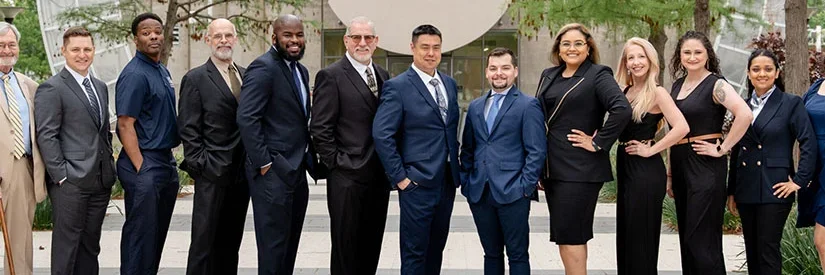
Diverse professionals seeking EB1A, NIW, E2 visas for US residency success

The world of U.S. immigration is dense with categories and legal definitions, but at its core, the EB1A, NIW, and E2 visas are all designed to bring global talent, entrepreneurs, and innovators to American shores. The EB1A visa targets individuals at the top of their fields—scientists, artists, athletes, and business leaders with a proven record of excellence. Unlike other green card categories, EB1A applicants do not need a job offer or an employer’s sponsorship; their extraordinary skill is their ticket. This makes it a prime choice for those who want independence and swift processing, as EB1A cases can see approval much faster than standard employment-based categories.

The National Interest Waiver (NIW) takes a different approach, focusing on applicants whose skills or proposed work will benefit the United States as a whole. You can apply for permanent residence without an employer if you can show your contributions serve the “national interest.” Meanwhile, the E2 visa is a nonimmigrant, renewable visa for entrepreneurs who make a substantial investment in a U.S. business. While not a direct path to a green card, for many, the E2 provides a stepping-stone to lawful residency, business creation, and, over time, other permanent residency options. Each path demands careful planning, thorough documentation, and a smart strategy to avoid delays or denials.

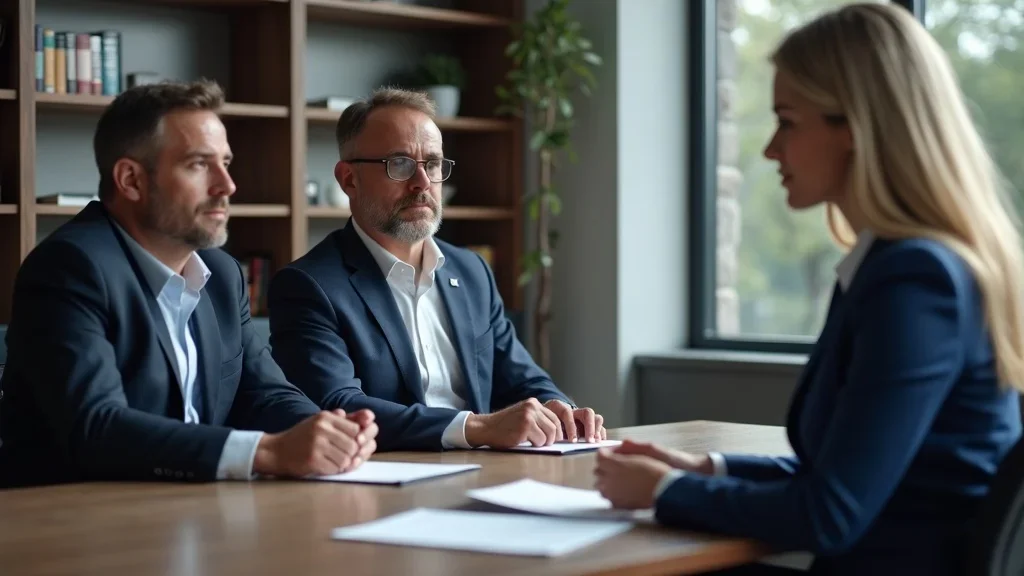
Lawyer supports family for EB1A, NIW, E2 green card immigration process

Choosing the right visa involves much more than matching your resume to a list. Immigration laws evolve, and officers are looking for strong, clear evidence—whether that’s proof of international recognition for EB1A, national importance for NIW, or business viability for E2 applicants. Missing the fine print, misunderstanding proportionality tests, or submitting incomplete paperwork can lead to devastating setbacks. Understanding the distinct requirements and aligning your personal goals to the right visa is key for EB1A, NIW, and E2 applicants seeking their place in the U.S.

Why Understanding These Visas Could Change Your American Dream

In the landscape of U.S. immigration, information is power and timing is everything. The EB1A, NIW, and E2 options each hold unique benefits, but the outcomes depend heavily on a well-prepared strategy. Missteps—like failing to prove extraordinary ability or misunderstanding required investment amounts—can result in years of lost time or even denial. That’s why applicants are increasingly turning to legal experts who offer direct, practical advice and help them see past confusing jargon and legal roadblocks.

Access to reliable legal guidance transforms your chances. Not only does it help applicants avoid costly mistakes, but it also brings peace of mind, clear communication, and a path forward during stressful moments. The right advocacy makes sense of complex requirements, prepares you for interviews and document collection, and sets proper expectations. These benefits go beyond the legal process—they reduce anxiety, create confidence, and help families adapt to their new homeland.

EB1A NIW E2 applicant prepares fast green card paperwork and documents

At critical moments—when immigration officers request additional evidence or when application delays threaten business or family timelines—having a knowledgeable advocate makes all the difference. The EB1A, NIW, and E2 processes can seem intimidating, but with the right support and preparation, they offer real opportunities for transformation. For anyone mapping their immigration future, understanding—and leveraging—these pathways is a pivotal first step.

From Investment to Recognition: How E2, NIW, and EB1A Fuel Success in the U.S.

The EB1A, NIW, and E2 visa categories don’t just open doors: they reshape personal and professional lives. For EB1A applicants, recognition of extraordinary ability can mean independence from employer sponsorship and a streamlined green card timeline—a huge win for highly skilled individuals or those whose careers demand mobility. NIW applicants, on the other hand, have the chance to contribute society-wide innovations, from healthcare advances to tech breakthroughs, while bypassing some of the hurdles of traditional employment-based processes.

E2 visa seekers benefit from an entrepreneurial springboard, enabling them to establish new businesses, create jobs, and directly invest in their future in America. While E2 doesn’t offer a straight line to permanent residency, it remains a powerful way for business-minded individuals to build roots and create value. Each of these pathways, whether focused on personal talent or business development, enables foreign nationals to achieve not just legal status, but also lasting impact and community contribution in the U.S.

EB1A visa applicant at US consulate prepared for fast green card approval

Proven Legal Advocacy Makes All the Difference for Visa Success

Complex visa pathways such as EB1A, NIW, and E2 are rarely accomplished alone; most successful applicants seek guidance from attorneys who translate challenging legal requirements into actionable plans. Experienced legal teams help applicants gather the right documents, understand the legal precedent (such as the proportionality test for E2 investment), and anticipate questions from U.S. immigration officers.

The essential difference is in the approach: a legal team that provides actionable advice, patient explanations, and step-by-step guidance can dramatically reduce applicant anxiety. Clients consistently benefit from attorneys who prioritize transparent communication, break down legal concepts into plain English, and ensure clients know what to expect in each phase. This level of support is vital for demystifying EB1A, NIW, and E2 visa requirements, boosting approval chances, and empowering applicants to make informed, confident choices about their futures.

Knowledge Is Power: Practical Tips for EB1A, NIW, and E2 Applicants

Applicants who succeed with EB1A, NIW, or E2 visas share one trait: preparation. Start by clearly understanding which visa category best matches your background and goals. If you’re pursuing EB1A, gather proof of international recognition—awards, publications, and endorsements from experts in your field are critical. NIW applicants should demonstrate how their work benefits the U.S. as a whole. E2 applicants need a sound business plan, proof of substantial investment, and an understanding of recent legal developments—like how the proportionality test applies and why business experience is not always a requirement.

Avoid common pitfalls such as missing document deadlines, submitting incomplete forms, or misunderstanding interview questions. Make use of educational resources, such as attorney-created video guides, and always seek up-to-date information, as immigration rules and interpretations can shift over time. Most importantly: don’t rush the process. Take each step with caution, document everything, and consult with professionals who can steer your application in the right direction.

Lai & Turner Law Firm PLLC: A Unique Approach to Immigration Advocacy

Grounded in values of truth, justice, respect, and empathy, Lai & Turner Law Firm PLLC adopts a people-first approach for those navigating complex immigration matters. Unlike firms that drown clients in intimidating legal jargon, this team believes in actionable advice and direct, honest explanations. Their mission is clear: use dynamic energy, responsiveness, and deep legal knowledge to transform confusing immigration processes into manageable, empowering journeys.

At Lai & Turner, collaboration is not just a buzzword—it’s the cornerstone of client service. Recognizing that visa seekers deserve compassion along with legal skill, the practice commits to being accessible, patiently answering all questions, and ensuring clients feel heard and respected. Whether guiding an EB1A global talent, assisting an NIW scientist, or consulting an E2 entrepreneur, the firm believes in open communication and unwavering support. Decades of diverse legal experience fuel their ability to anticipate and address roadblocks long before they become problems.

The lawyers at Lai & Turner see each client as more than a case file, understanding that immigration outcomes affect families and legacies. Their proven track record, especially among Oklahoma City’s immigrant community, comes from dedication to practical outcomes, a drive for excellence, and a passion for removing barriers. They approach each situation with clarity, compassion, and an understanding of the high stakes involved in EB1A, NIW, and E2 journeys.

Clients Share Their Stories of Clarity and Support

For many, the legal side of immigration is a deeply emotional, often stressful experience. One recent client described how empathetic, practical support made all the difference, especially when every step—and every question—felt overwhelming. The following real-world review captures how expert legal advocacy can turn uncertainty into understanding and confidence:

Great communication and very professional. I had to deal with other immigration attorneys in the past and I can say I’m 100% sure I’m going with Lai & turner firm for any visa and green card needs. Highly recommended

Gaspo P

The peace of mind, responsiveness, and empowerment shared by this client is what more EB1A, NIW, and E2 seekers are hoping to find. Attaining residency or establishing a business in the U.S. can be daunting, but with expert guidance and genuine care, the journey becomes less intimidating and far more successful.

Why Mastering EB1A, NIW, and E2 Options Shapes the Modern Immigration Journey

The pursuit of residency through the EB1A, NIW, or E2 visas is more than a paperwork exercise—it’s an investment in your future. As U.S. immigration grows increasingly complex, anyone seeking stability, opportunity, or the American dream must understand these powerful pathways. The experience and insight of Lai & Turner Law Firm PLLC help clarify options, steering clients past pitfalls and toward lasting results.

For each EB1A, NIW, and E2 applicant, preparation and informed legal advice are the foundation of success. By demystifying processes, anticipating legal changes, and empowering applicants, leaders in the field ensure talented professionals, innovators, and entrepreneurs can confidently pursue their place in the United States. The path is challenging, but with the right knowledge, advocacy, and awareness of new trends, the American dream remains closer than many realize.

Contact the Experts at Lai & Turner Law Firm PLLC | Family, Criminal Defense, and Immigration Lawyers

If you’d like to learn more about how the EB1A, NIW, or E2 visa options could benefit your immigration journey, contact the team at Lai & Turner Law Firm PLLC | Family, Criminal Defense, and Immigration Lawyers.
📍 Address: 2000 N Classen Blvd Suite N50, Oklahoma City, OK 73106, USA
📞 Phone: +1 405-783-3570
🌐 Website: https://www.laiturnerlaw.com/

Location and Hours for Lai & Turner Law Firm PLLC | Family, Criminal Defense, and Immigration Lawyers

🕒 Hours of Operation:

📅 Monday: Open 24 hours

📅 Tuesday: Open 24 hours

📅 Wednesday: Open 24 hours

📅 Thursday: Open 24 hours

📅 Friday: Open 24 hours

📅 Saturday: Open 24 hours

📅 Sunday: Open 24 hours
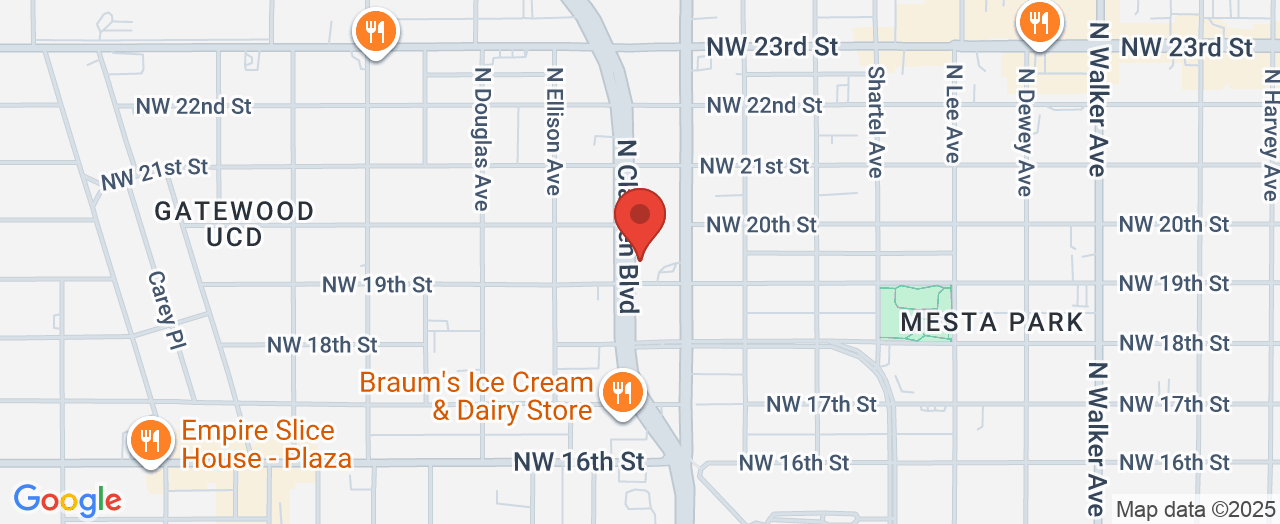
Location Map
Policy and Law

0 Comments

Write A Comment

*
*
Related Posts All Posts
02.13.2026

Struggling with criminal defense lawyer costs? Here's How to Cut Fees

Facing criminal charges in Baltimore can be overwhelming, especially when uncertainty around criminal defense lawyer costs threatens to add anxiety to an already stressful situation. For individuals, families, and business owners navigating the legal system, understanding how much criminal defense really costs—and how those fees break down—is essential for making wise, confident decisions about your future. Enter Lewyn Scott Garrett, the steadfast legal guide Baltimore has trusted for over 40 years. At the helm of the Law Offices of Lewyn Scott Garrett, his approach goes beyond courtroom savvy: it’s about clear communication, transparency, and advocating fiercely for each client’s best interests—especially when it comes to legal fees. Having helped thousands navigate charges ranging from misdemeanors to serious felonies, his mission remains the same: take the mysteries and worries out of legal costs, so you can focus on your case, not your bill.Lewyn Scott Garrett Explains Criminal Defense Lawyer Costs to Clients"Understanding criminal defense lawyer costs is crucial—clients should never face surprises in their legal fees. Transparency is not just policy; it’s our promise." — Lewyn Scott Garrett, Law Offices of Lewyn Scott GarrettAccording to Lewyn Scott Garrett, the most common source of stress for defendants isn’t always the legal process itself—it's the uncertainty surrounding legal fees. With decades of experience in criminal defense, he emphasizes that "no client should ever feel left in the dark about what they will pay." At his firm, open, honest discussions about fee structures and billing practices aren't an afterthought; they are the very foundation of every client relationship. "Whether you're facing a first-time misdemeanor or a complex felony charge," Garrett notes, "the true value in legal representation comes from knowing exactly what to expect from day one." Garrett's approach ensures that all his clients become informed financial partners in their defense, eliminating the fear of unexpected costs and giving them back a measure of control during a challenging time.Breaking Down the Costs: What Factors Influence Your Legal Fees?"Every criminal case is unique, which means the cost depends on many variables — from case complexity, court appearances, to necessary investigations." — Lewyn Scott Garrett, Law Offices of Lewyn Scott GarrettWhen it comes to criminal defense lawyer costs, no two cases—or fee structures—are identical. Lewyn Scott Garrett explains that legal fees stem from a variety of influences, with the single most important factor being case complexity. Felony charges involving multiple defendants or serious allegations often demand a more resource-intensive defense. Misdemeanors or less complicated charges might require fewer hours and lower overall costs. Beyond the particulars of the case itself, Garrett highlights that a lawyer’s reputation and courtroom experience—like his unmatched forty-year tenure in Baltimore—can play a significant role in setting fees. The more experience you bring to your advocate’s table, the greater your chances for a positive outcome, but also the more those services might cost. Remember: this is not just payment for time, but for judgment honed by countless battles in the courtroom.Case complexity impacting time and resourcesAttorney experience and reputationInvestigation and evidence gathering costsCourt fees and administrative expensesPotential additional expert witnesses or consultantsAccording to Garrett, criminal defense involves much more than simply appearing in court. "There are hours of research, negotiation, investigation, and sometimes the need for outside experts or witnesses whose fees can add up quickly." Administrative filings, obtaining records, and managing discovery all shape the final bill, making up a significant component of what clients are ultimately charged. In some cases, unexpected developments—like a sudden witness or new evidence—can require revisiting estimates. This is why Garrett’s firm builds in time for regular financial check-ins, ensuring clients remain in the loop regarding how costs may evolve. The key, he says, is not just cost control, but cost awareness every step of the way.Common Misconceptions About Hiring a Criminal Defense Lawyer in Baltimore"Many clients believe that higher fees mean better defense, but strategic counsel and open communication are what truly drive success in court." — Lewyn Scott Garrett, Law Offices of Lewyn Scott GarrettOne of the biggest myths surrounding criminal defense lawyer costs is that more expensive automatically means more effective. As Lewyn Scott Garrett regularly tells his clients, "A well-prepared, communicative attorney who’s deeply familiar with Baltimore’s courts can often make a far greater impact than a high-priced, out-of-town litigator." The essence of a good defense isn’t hidden in a price tag; it’s found in focused strategy, responsiveness, and unwavering client support. Many defendants also worry that hiring a defense attorney will involve endless add-on charges or hidden fees. Garrett addresses this head-on by laying out every financial expectation in plain language, right from your first consultation. “Transparency is not just policy; it's our promise,” he says. This commitment replaces misconceptions with clarity by helping clients understand exactly what they’re paying for—including what services are essential versus optional extras.Disputing the idea that payment plans are rare, Garrett’s firm often arranges flexible payment options for those genuinely in need. He understands that most people facing criminal charges aren’t financially prepared for a legal battle. By providing support, practical advice, and regular communication, Garrett ensures that economic worries never overshadow the fight for justice. According to Lewyn Scott Garrett, belief in open dialogue is just as important as skilled legal argument. "The strongest defense starts when clients feel empowered to ask questions and express their concerns about costs," he says. For many, this openness becomes the first step toward a more assured legal outcome.How Baltimore Defendants Can Prepare for and Manage Legal CostsQuestions to Ask Your Criminal Defense Lawyer About CostsWhat is included in your fee structure?Are there any upfront costs or retainers?What happens if the case extends beyond initial estimates?How are additional expenses, such as expert witnesses, handled?Can payment plans or alternatives be arranged?A critical part of controlling criminal defense lawyer costs is asking the right questions. Lewyn Scott Garrett advises every client to be proactive: “Don’t settle for vague answers or complicated legal jargon—demand clarity on everything from hourly rates to retainer policies and how unplanned developments affect total costs.” This approach replaces fear with empowerment, turning a potentially distressing situation into one where you feel in command. Garrett’s decades of experience have shown that the best outcomes come from clients who understand the full financial roadmap. By covering every base—what’s included, what’s extra, and how you’ll be informed if things change—he ensures clients never feel ambushed by legal bills. “We want you to focus on your defense—not on deciphering invoices,” he emphasizes. Most importantly, he encourages clients to ask about alternatives or payment plans, especially when the cost seems daunting.The Value of Transparent Legal Counsel from Experienced Baltimore Criminal Lawyers"Our goal is to relieve our clients’ burden — not add to it — by providing clear, honest guidance on potential costs from the outset." — Lewyn Scott Garrett, Law Offices of Lewyn Scott GarrettWhat sets law firms like Garrett’s apart? It’s the holistic way they approach transparencySummary: Navigating Criminal Defense Lawyer Costs with ConfidenceRecognize that fees vary based on case specifics.Ask targeted questions to clarify financial commitments upfront.Choose an attorney who prioritizes transparency and client communication.Understand that investment in legal defense is an investment in your future.Use cost understanding as a tool to reduce anxiety and make informed decisions.In the maze of criminal defense lawyer costs, knowledge truly is power. According to Lewyn Scott Garrett, when clients fully grasp the financial side of their defense, they not only make smarter choices—they regain crucial peace of mind. Ask questions. Demand clear answers. Select a defender who makes transparency their pledge, not their pitch. As Baltimore’s trusted advocate for over four decades, Garrett reminds every client: the right information is the first step to the right defense.Take the Next Step: Schedule a Free Consultation with Lewyn Scott GarrettReady to get answers—from someone who believes in delivering them transparently? Schedule your free, no-obligation consultation with Lewyn Scott Garrett at the Law Offices of Lewyn Scott Garrett today.

01.24.2026

Don't Ignore Your civil rights—Protect Them Now

Did you know thousands of Americans face wrongful arrest or prosecution every year, often without knowing their civil rights were violated? These startling statistics highlight a hard truth: your freedom can be at risk if you're not aware of how to protect your rights from police officers and law enforcement misconduct Civil Rights: Understanding Your Protections Against False Arrest & Malicious Prosecution “Every year, thousands of Americans are wrongfully arrested or prosecuted, underscoring the urgent need to know and defend your civil rights.” Civil rights exist to protect everyone in the United States from unjust treatment at the hands of government officials, including police officers and law enforcement. Understanding the protections in place can mean the difference between suffering in silence and mounting a powerful civil rights claim. False arrest and malicious prosecution are two of the most harmful civil rights violations, resulting in lasting emotional distress, financial harm, and the erosion of public trust in law enforcement agencies. If you are the victim of either, acting quickly with the support of a trusted law firm or civil rights lawyer can help you regain control and seek justice. The United States Constitution, especially the Fourth Amendment, establishes critical boundaries for police officers—protecting you from being detained or prosecuted without probable cause. Law enforcement, while charged with keeping communities safe, must also respect the rights of those they serve. Any overreach—such as a police officer making an unlawful arrest or a prosecutor pursuing a criminal case without foundation—can be grounds for a robust civil rights lawsuit. Knowing your rights and the available remedies makes you less vulnerable to rights violations and more empowered to take legal action. What You'll Learn About Civil Rights, False Arrest & Malicious Prosecution What constitutes a civil rights violation by a police officer or law enforcement agency How false arrest and malicious prosecution undermine basic civil rights Steps to take when you believe your rights claim has been violated How to pursue a civil rights claim and work with a law firm Civil Rights: The Foundation of Protection from Police Officers Civil rights act as a legal shield against government overreach, with critical implications during police encounters. The rights granted by the Constitution, particularly in the context of police officers and law enforcement agencies, are designed to prevent abuse of power. When a police officer stops, searches, or arrests someone, the action must be grounded in probable cause and adhere to strict procedural rules. Violations of these safeguards—whether intentional or accidental—constitute not just unethical behavior but a direct rights violation, forming the basis of many civil rights claims. For individuals who find themselves in sudden confrontations with law enforcement, knowledge is the first line of defense. If you’re ever confronted by a police officer, understanding your fundamental civil rights—including your right to remain silent, to refuse consent to certain searches, and to request an attorney—can mean the difference between lawful treatment and a potential false arrest. Law enforcement officers are obligated to respect these boundaries; when they do not, you have legal recourse. Key Civil Rights Guaranteed by the Constitution Fourth Amendment rights against unreasonable searches and seizures Due process and equal protection under the law Protection from excessive force by police officers How Civil Rights Violations Occur During Arrests and Prosecutions Civil rights violations often occur at the point of arrest, search, or prosecution. Police officers may overstep legal boundaries, detaining or searching individuals without probable cause or a valid warrant. In other cases, misconduct escalates further, such as using excessive force during an arrest or fabricating evidence to justify a criminal proceeding. During prosecution, malicious intent from government officials—like pursuing criminal charges without sufficient evidence—may also give rise to rights violations. These abuses are not only distressing to the victim but also represent a failure of the police department and the justice system to uphold their core responsibility. If your Fourth Amendment rights are violated or you’re subject to an unjust prosecution claim, you have the legal standing to pursue a civil rights claim. It’s crucial to recognize the signs early and seek legal advice to avoid long-term negative consequences. Police Officers and Law Enforcement: Their Role and Boundaries in Civil Rights Police officers and law enforcement agencies play a critical role in safeguarding public safety throughout the United States. However, their authority is not absolute and must be exercised within the boundaries of the law. The dignity of individuals, the presumption of innocence, and equal protection are at the heart of these legal boundaries. Violations by a police officer, whether through discrimination, unlawful searches, or baseless arrests, undermine the very civil rights these institutions are sworn to protect. When law enforcement or a police officer crosses these lines, victims have the right to file a rights claim. Navigating this process often requires the guidance of a civil rights lawyer knowledgeable in both federal and state law, as civil lawsuits against police officers and law departments can be exceptionally complex. A law firm with expertise in civil rights claims will know how to systematically gather evidence and advance your rights claim effectively. Duties and Limits of Law Enforcement Related to Civil Rights The duties of law enforcement include upholding laws, investigating crimes, and protecting citizens. However, clear limits define how and when police officers may detain, search, or question individuals. These limits—defined by the Fourth Amendment, civil rights statutes, and court rulings—are critical to prevent excessive force, false arrest, and other forms of rights violations. When police officers disregard these boundaries, the potential for a civil rights violation increases sharply. It is vital for every community member to recognize these limits and understand that even government officials must respect civil liberties. When a police officer’s conduct fails to meet legal standards, victims are entitled to seek legal recourse and accountability through a civil lawsuit or formal rights claim. Situations Leading to Civil Rights Violations by Police Officers Situations leading to civil rights violations include stops or arrests without probable cause, racial profiling, relying on fabricated evidence, or excessive use of force. Sometimes, police officers may feel pressured to make an arrest or bring closure to a case, resulting in a false arrest or even malicious prosecution. When the actions of law enforcement are driven by improper motives or fail standard procedures, rights violations are almost unavoidable. If you believe that you have been the victim of a wrongful act by law enforcement, it is important to recognize early warning signs—such as unclear charges, inconsistent police reports, or intimidation—and seek the assistance of a civil rights lawyer to explore possible rights claims and remedies. False Arrest: A Serious Civil Rights Violation False arrest is one of the most devastating forms of civil rights violation because it strips individuals of their freedom without legal justification. When a police officer or law enforcement agent detains or imprisons a person without probable cause or a valid warrant, it directly infringes upon the victim’s Fourth Amendment rights. False arrest not only results in short-term distress, embarrassment, and loss of liberty, but can also harm future job prospects, damage reputations, and create lasting emotional distress. Legal recourse in the form of a civil rights claim or lawsuit becomes critical in these scenarios. If you have been wrongfully detained by police officers, it is essential to act fast. Document the incident, seek immediate legal advice, and contact a reputable law firm—such measures not only protect your rights but also lay the groundwork for a successful civil lawsuit if necessary. Defining False Arrest and How It Violates Civil Rights False arrest occurs the moment a person is detained without legal grounds—usually in the absence of a warrant or credible suspicion that the person committed a crime. In the context of civil rights, such an arrest undermines key constitutional guarantees, including freedom from unlawful detention. Even a brief false arrest by a police officer may warrant a substantial rights claim, especially if the arrest results in criminal proceedings or reputational harm. Both federal court and state courts recognize false arrest claims under U.S. civil rights statutes. The right to liberty and security is central to the American legal tradition. When these rights are ignored by the very officers tasked with upholding them, it’s more than just a simple mistake—it’s a clear civil rights violation that can be actionable under the law. Common Causes of False Arrest by Police Officers False arrests often stem from misidentification, overzealous law enforcement tactics, lack of proper evidence, or external pressures within a police department to resolve cases quickly. In other instances, a police officer may be manipulated by third parties seeking to settle personal scores, resulting in wrongful detention. Additional causes include racial profiling, failure to investigate thoroughly, or a misunderstanding of legal procedures regarding the need for probable cause. Regardless of the cause, the impact on victims is severe. From missed employment opportunities to deep emotional distress, the ripple effects of a false arrest can last for years. This is why knowing what steps to take following an arrest is critical for safeguarding your rights. False Arrest Case Studies: Real-World Civil Rights Claims Consider a scenario where a person is mistakenly arrested due to a witness’s misidentification. Despite clear evidence showing the individual’s innocence, the police officer’s failure to investigate or recognize inconsistencies leads to an unjust detention and a criminal case that collapses only after legal intervention. In another case, police officers might act on fabricated evidence or false statements, causing a false arrest that unravels only during federal court proceedings. Such cases underscore the importance of timely legal action and the role a civil rights lawyer plays in exposing rights violations and holding law enforcement accountable. Successful outcomes of civil lawsuits not only bring relief to victims but also drive meaningful policy changes within police departments. Comparison of Lawful Arrest vs. False Arrest Criteria Lawful Arrest False Arrest Probable Cause / Warrant Required Not present Rights Violation No Yes—Fourth Amendment violated Evidence Required Clear and convincing Often lacking or fabricated Malicious Prosecution and Its Impact on Civil Rights Malicious prosecution represents another grave threat to civil rights, affecting not only the immediate target but also undermining trust in the justice system at large. When government officials or law enforcement pursue criminal proceedings with ill intent, without probable cause, or purely to harass or retaliate, the result is often lasting emotional, financial, and reputational harm. Malicious prosecution may follow a false arrest or originate from an abuse of prosecutorial discretion. Victims of malicious prosecution not only face wrongful criminal charges but also the stress and anxiety of a pending criminal case—sometimes for months or years—before justice prevails. In these scenarios, a civil rights claim or civil lawsuit is both a path to recovery and a means to restore public confidence in the justice system. What Is Malicious Prosecution? Key Civil Rights Affected Malicious prosecution occurs when criminal charges are brought against someone without probable cause, usually motivated by malice or other improper reasons. Critical civil rights, including the right to due process and protection from deprivation of liberty, are directly implicated. While police officers or prosecutors play central roles in initiating prosecution claims, courts across the United States hold that their actions must be free of bias, malice, or personal retribution. When you are dragged into a criminal proceeding without basis, it undermines both your personal freedoms and the integrity of the legal process. If you can demonstrate malice and a lack of probable cause, you are entitled to pursue damages for emotional distress, legal fees, and other losses through a civil rights lawsuit. Case Examples: Malicious Prosecution and Subsequent Rights Claims Prosecuting without probable cause Harassment through repeated or unfounded charges Impact on individuals’ criminal case outcomes For example, if a police officer repeatedly charges a person with crimes that courts routinely dismiss due to insufficient evidence, victims have clear grounds for a rights claim. In another instance, someone acquitted in a criminal case learns that the arrest or charges were fabricated as retaliation for reporting police misconduct—providing a textbook case of malicious prosecution. These real-world scenarios emphasize the need for knowledgeable legal representation and swift civil action. The Four Elements of Malicious Prosecution Every malicious prosecution civil rights claim must generally establish four elements: (1) initiation or continuation of a legal action, (2) absence of probable cause, (3) malice, and (4) termination of the case in the victim’s favor. These four factors help courts distinguish between honest errors and intentional abuse by police officers, prosecutors, or law enforcement agencies. Without satisfying all four elements, it is difficult to prove that a rights violation has occurred. The ability to document malicious intent and show the role of key government officials is crucial to a successful civil rights claim. Elements of Malicious Prosecution and Examples Element Example Legal Action Initiated Filing criminal charges despite no evidence Lack of Probable Cause No reasonable link between suspect and crime Malice Police officer acts out of personal vendetta Favorable Outcome for Victim Charges dismissed or acquittal in court The Relationship Between False Arrest & Malicious Prosecution in Civil Rights False arrest and malicious prosecution often go hand in hand. A wrongful arrest by a police officer may mark the beginning of a long journey through the criminal justice system, culminating in a prosecution that is equally unfounded. When the legal process is distorted from the outset, your civil rights are placed at risk at every stage. Recognizing the relationship between these two civil rights violations allows victims to craft more comprehensive rights claims. Legal action addressing both issues can recover damages for lost income, legal costs, emotional distress, and more. For the best results, work with a law firm experienced in federal and state civil rights litigation. False Arrest and Malicious Prosecution: How They Often Intersect Frequently, the same set of circumstances gives rise to both a false arrest and a malicious prosecution. For example, a police officer might make a baseless arrest, and prosecutors, relying on flawed evidence, proceed with criminal charges. The entwinement of both wrongs increases the severity of the rights violation and often results in higher damage awards in civil lawsuits. Bringing a combined civil rights claim demands detailed documentation, quick evidence preservation, and a proactive legal strategy—emphasizing why consulting a civil rights lawyer as early as possible is vital. Legal Pathways for a Civil Rights Claim Involving Both False Arrest and Malicious Prosecution Civil rights claims alleging both false arrest and malicious prosecution are typically filed in state or federal court under 42 U.S.C. § 1983 or similar statutes. These rights claims must address the roles of all involved government officials, detail how your Fourth Amendment and due process rights were violated, and include thorough evidence of malice or misconduct. The claim process can be intricate, often requiring collaboration with a law firm skilled in rights claims, evidence gathering, and negotiation with police departments and city attorneys for settlement or trial. If you believe you were a victim of both forms of rights violations, don’t delay—seek legal advice and act quickly to protect your future. Recognizing Police Misconduct: Civil Rights Violation and Rights Claim Options Recognizing signs of police misconduct is essential for defending your civil rights. Too often, victims are unaware that their experiences qualify as rights violations and thus hesitate to take appropriate civil or legal action. Police misconduct can involve various behaviors, ranging from minor procedural breaches to severe cases of false arrest, abuse of authority, or malicious prosecution. To take the first step in asserting your rights claim, learn to spot warning signs and seek expert legal advice without delay. Not every unpleasant police encounter amounts to a rights violation, but if your liberty, property, or dignity has been unjustly compromised, it’s worth consulting a lawyer. The more proactive your response, the stronger your civil rights claim will be if you choose to pursue a civil lawsuit. Common Signs of a Civil Rights Violation by Police Officers Unlawful detention without cause Fabrication or suppression of evidence Excessive use of force These warning signs often signal that your case could form the basis for a strong rights claim, particularly if emotional distress or harm has occurred. Early intervention—documenting the incident and seeking legal advice—is your best protection. “Justice always requires accountability, especially when public trust in law enforcement is at stake.” Steps to Take If You Are a Victim of Civil Rights Violations, Including False Arrest or Malicious Prosecution Document the incident and gather evidence. Write down every detail, save communications, record the names and badge numbers of involved police officers, and collect witness information. Contact a civil rights lawyer or law firm. A specialized lawyer will be able to assess the validity of your rights claim and outline your civil lawsuit options. File a civil lawsuit or rights claim in a timely manner. Deadlines are strict; missing them may bar your case. Cooperate with investigations and follow legal advice. Adhering to professional guidance boosts your chances for a favorable outcome. Timely action in the wake of a rights violation can be decisive—don’t hesitate to seek out a reputable law firm for immediate support. Working with a Law Firm to Protect Your Civil Rights Navigating the complexities of civil rights claims demands the experience and commitment of a skilled law firm. The right legal counsel can mean the difference between missed opportunities for justice and a successful civil lawsuit resulting in compensation and policy change. Civil rights lawyers not only explain your options but also act as powerful advocates during every stage of your rights claim. When choosing a law firm, look for professionals with a proven record of defending civil rights, experience in litigating against police departments and law enforcement agencies, and a compassionate approach to client needs. Choosing an Experienced Civil Rights Lawyer for Your Case When it comes to defending yourself against a false arrest or malicious prosecution, selecting the right civil rights lawyer is critical. Look for a law firm with a robust track record in federal and state civil rights litigation and positive client testimonials. The ideal lawyer will be able to dissect police officer conduct, gather evidence, and guide you through complex procedural steps. Before hiring, ask about their experience with rights claims similar to yours, their approach to settlements, and their familiarity with local police departments. A dedicated rights lawyer provides more than legal skill—they offer reassurance, strategic vision, and unwavering commitment to holding law enforcement officials accountable for civil rights violations. What to Expect During a Civil Rights Claim Process The civil rights claim process typically involves an initial case evaluation, evidence collection, filing of the civil lawsuit, and negotiations or court proceedings. Your lawyer will handle deadlines, filings, and communications with involved parties—including the police department and other government officials—while you focus on recovery. The process can be lengthy, but persistence and patience are essential. Transparency is key. Expect regular updates from your lawyer regarding developments, timelines, and recommended actions, giving you confidence and control throughout your legal journey. Civil Rights Claim Process: Steps, Timelines, and Key Legal Considerations Step Estimated Timeline Key Considerations Case Evaluation & Evidence Gathering 1–4 weeks Documentation, witness statements, police reports Filing Rights Claim / Lawsuit 1–2 weeks after evaluation Adherence to legal deadlines (statute of limitations) Discovery & Negotiation 1–12 months Depositions, document sharing, potential settlements Court Proceedings (if no settlement) 6–24 months Trial, appeals, possible settlement during litigation “Our commitment to protecting your civil rights means advocating for accountability at every level of enforcement.” – Howard Law Firm People Also Ask: Civil Rights, False Arrest & Malicious Prosecution Is malicious prosecution a civil rights violation? Answer: Malicious prosecution, when perpetrated by law enforcement or a police officer, can constitute a civil rights violation when it leads to wrongful deprivation of liberty or other protected rights. Is false arrest a civil rights violation? Answer: Yes; a false arrest by police officers or law enforcement is a direct rights violation under federal civil rights statutes, especially when conducted without probable cause. What is the difference between false arrest and malicious prosecution? Answer: False arrest occurs at the time of the detention or arrest, typically without legal justification, while malicious prosecution refers to initiating criminal proceedings without probable cause and with improper motive, which continues after the arrest. What are the four elements of malicious prosecution? Answer: The four elements are: (1) initiation or continuation of legal action, (2) absence of probable cause, (3) malice, and (4) favorable termination for the victim. Key Takeaways: Your Rights and Legal Remedies for Civil Rights Violations Stay informed of your rights when interacting with law enforcement False arrest and malicious prosecution are actionable civil rights violations Seek help from a qualified law firm if you suspect your civil rights have been violated Frequently Asked Questions About Civil Rights, False Arrest & Malicious Prosecution Can I sue for damages after a civil rights violation? Yes, victims of civil rights violations—including false arrest or malicious prosecution—may file a civil lawsuit seeking compensation for lost wages, emotional distress, and other damages. What compensation is available for false arrest and malicious prosecution? Depending on the severity of your case, you may receive compensation for economic losses, pain and suffering, legal expenses, and punitive damages designed to punish the wrongdoer and deter future violations. How long do I have to file a civil rights claim? The statute of limitations varies by state but generally ranges from one to three years. Prompt action is critical, so seek legal advice as soon as possible. What evidence is most helpful in civil rights lawsuits? Key evidence includes arrest records, body camera footage, witness statements, correspondence with law enforcement, and any documentation showing the absence of probable cause or evidence of malice. Conclusion: Take Action to Defend Your Civil Rights, Today Don't wait—Contact our experienced civil rights lawyers at Howard Law Firm to discuss your rights claim and secure legal protection for your future.

01.23.2026

Need a Baltimore Criminal Lawyer? Here's What to Know

Lewyn Scott Garrett’s Core Insight: The Crucial Role of Early Criminal Defense in BaltimoreWhen you're facing a criminal charge in Baltimore, timing isn't just important—it's everything. For Lewyn Scott Garrett, founder of the Law Offices of Lewyn Scott Garrett, there’s one truth that towers above all others: immediate legal action changes outcomes. Drawing on over forty years as a dedicated Baltimore criminal lawyer, Garrett has witnessed firsthand the difference between swift, strategic defense and devastating consequences that come from waiting too long. According to him, seeking counsel at the right moment isn't just a precaution—it's your most powerful defense strategy.Many individuals wrongly assume they can handle initial stages of criminal charges on their own. Garrett’s depth of experience reveals a stark reality: even a few lost days can mean vital evidence disappears or damaging statements are made. As he stresses, “So many times, you come to a lawyer after you have spent a month or 2 months, and a lot of evidence may go away. If you had gone to him or her, they could use that time to get witnesses together and establish a basis to mount a defense.” Every hour without expert guidance increases risks. Whether dealing with accusations that could impact your business, your family, or your personal reputation, the stakes in Baltimore's legal system are simply too high to face alone.So many times, you come to a lawyer after you have spent a month or 2 months, and a lot of evidence may go away. If you had gone to him or her, they could use that time to get witnesses together and establish a basis to mount a defense. — Lewyn Scott Garrett, Law Offices of Lewyn Scott GarrettUnderstanding the Biggest Misconception: Why Trying to Navigate Criminal Charges Alone Is RiskyFor many facing a first-time charge, the temptation to “handle it yourself” can be overwhelming. According to Lewyn Scott Garrett, the belief that self-representation saves money or minimizes trouble is not just a misconception—it’s often the starting point of even greater legal peril. The Baltimore legal system is intricate and relentless; deadlines are tight, rules are unforgiving, and missing a step can cost you not only your case but your freedom and future.Garrett often sees new clients come into his office after weeks—or even months—of trying to manage their case solo. By then, opportunities have been missed, critical evidence lost, and unintentional mistakes, like damaging statements to law enforcement, have already been made. He cautions,If you try to do it by yourself many times, you make mistakes, maybe get incarcerated, and lose valuable time that a lawyer could use to build your defense.— Lewyn Scott Garrett, Law Offices of Lewyn Scott GarrettThe Cost of Delay: How Self-Representation Can Lead to Lost Evidence and Greater Legal TroubleWhat exactly is at risk when individuals try to “wait out” the storm or engage with law enforcement on their own terms? According to Garrett, the very fabric of your defense can fall apart in a matter of daysGarrett emphasizes that even a short delay can result in missed opportunities that are nearly impossible to recover later. The moment you’re charged, every conversation, every document, and every phone call matters. Without the steady hand of a skilled Baltimore criminal lawyer, innocent missteps become major liabilities, and the complexity of the local justice system works against you rather than for you. It’s not just about proactivity; it’s about ensuring you never lose the upper hand in your case.Early Legal Intervention in Action: A Baltimore Case Example that Shows How to Protect Your RightsNothing illustrates the importance of early legal action better than a real-world example. Garrett recalls a Baltimore case where multiple individuals were charged after a gun was discovered in a vehicle. Here, quick and strategic intervention was the difference between being swept up in a wave of collective charges and mounting an effective individual defense.As Garrett outlines, if you wait too long, you risk losing your chance for release on bail as judges become increasingly cautious with delayed legal representation. But when an expert attorney is on board from day one, they can immediately begin to separate your unique circumstances from others involved—establishing your position, corroborating your story through video and witnesses, and contesting any assumptions the prosecution tries to make.Strategically Separating Defendants to Avoid Unjust ChargesAccording to Garrett, one of the strongest tactics in a crowded criminal case is distinguishing your own actions and location—especially when multiple people are charged for the same offense. As he describes, “If you get a lawyer upfront, he can separate you from other individuals charged, distinguish your position in the car, and challenge the preliminary statement of evidence used against you.” An expert lawyer will immediately scrutinize all physical and testimonial evidence, extracting details that prove your unique circumstances.By acting early, lawyers can quickly review the statement of charges, examine body camera footage, and launch their own investigation into the validity of police claims. This not only protects against wrongful prosecution but ensures a customized defense strategy. In crowded cases, it often takes a seasoned legal eye to unravel complex narratives and prevent unjust “guilt by association”—a risk all too common in the Baltimore criminal justice system.If you get a lawyer upfront, he can separate you from other individuals charged, distinguish your position in the car, and challenge the preliminary statement of evidence used against you. — Lewyn Scott Garrett, Law Offices of Lewyn Scott GarrettLeveraging Police Body Camera Evidence and Witness Statements to Build a Robust DefenseBody-worn cameras have become a turning point in modern criminal defense—especially in Baltimore, where reliable video evidence can often overturn or affirm crucial case facts. Garrett emphasizes that reviewing such footage immediately, before memories fade or stories get muddled, allows the defense to spot inconsistencies and challenge inaccuracies in official police statements.Beyond video, early lawyer intervention means reaching out to independent witnesses while their recollections are still fresh and untainted by time or outside influences. According to Garrett, it’s not just the quantity of evidence, but the speed and method with which it’s gathered that builds a robust defense. Acting fast gives defendants the resources to effectively counter any misleading information or officer errors.Confirm location of the gun in relation to each person in the carReview officers' body camera footage for inconsistenciesGather witness statements confirming defendant’s position and actionsChallenge validity of police statements earlyCritical Advice from Baltimore Criminal Lawyer Lewyn Scott GarrettLewyn Scott Garrett’s advice to Baltimore residents, families, and business leaders is clear and urgent: knowledge is power, and silence is protection. The law can be a complex minefield—one where well-meaning comments to the police or prosecutors can inadvertently harm your future. Garrett puts it simply: “Don't say anything unless a lawyer tells you what to say and how to say it. Knowledge is power—the best way to avoid a mistake is not to make it.”According to Garrett, maintaining silence until you have expert legal advice is not about evading responsibility; it’s about upholding your fundamental rights and empowering your defense. Those who wait or speak prematurely often face irreversible harm, while those who heed this critical advice gain both the strategic advantage and reassurance that comes from expert guidance. In Baltimore—where criminal law moves fast and stakes are high—this approach can make all the difference for individuals, families, and even business stakeholders.Don't say anything unless a lawyer tells you what to say and how to say it. Knowledge is power—the best way to avoid a mistake is not to make it. — Lewyn Scott Garrett, Law Offices of Lewyn Scott GarrettKey Takeaways: How Baltimore Criminal Defense Clients Can Safeguard Their FuturesDistilling forty years of legal expertise into actionable advice, Lewyn Scott Garrett offers these pillars of defense for any Baltimore resident facing criminal charges. Whether you’re an individual client, a decision-maker for your family, a business owner, real estate investor, or injury claimant—these strategies are designed to keep your future secure, your rights intact, and your case on a path to the best possible outcome.According to Garrett, the smartest defendants are those who act quickly, keep silent until counsel arrives, and use every early advantage to probe, question, and challenge the prosecution’s evidence. This isn’t about being combative—it’s about being proactive, informed, and tirelessly defended from the moment the case begins. For Baltimore’s diverse legal community, these takeaways are not just rules to follow; they are the foundation of effective criminal defense.Seek legal counsel immediately after being charged or arrestedAvoid self-representation to prevent costly errors and evidence lossUse early lawyer involvement to investigate police evidence thoroughlyUnderstand your rights and maintain silence until advised by an attorneyLeverage strategic defense tactics such as distinguishing your involvementWhy Early Engagement with a Baltimore Criminal Lawyer Can Change Your Case OutcomeFor every criminal defense client, the window for building a winning defense begins to close the instant charges are filed or law enforcement makes contact. Lewyn Scott Garrett underscores the value of acting immediately—not just to protect evidence, but to prevent the case from spiraling into complexity or confusion. This timeliness enables your legal team to control the narrative, challenge inaccuracies, and ensure that your rights are not just preserved, but aggressively defended from the start.Early engagement means your defense doesn’t merely react—it takes command. It means seizing the initiative to collect independent evidence, documenting inconsistencies, and neutralizing any wrongful claims. As Garrett puts it,Getting involved early can keep the case from growing and stop potential false statements made by officers, helping to investigate and challenge the validity of such statements.— Lewyn Scott Garrett, Law Offices of Lewyn Scott GarrettBuilding Defense That Matters Before Court Proceedings BeginThe strongest cases are not built in the courtroom—they’re constructed in those critical first days after charges are brought. Garrett emphasizes that every proactive step, from documenting your version of events to challenging improper police conduct, is easier, more thorough, and more persuasive before court deadlines and procedural bottlenecks set in. This front-loaded defense is the hallmark of successful criminal representation.By engaging with a proven Baltimore criminal lawyer like Lewyn Scott Garrett at the outset, you ensure every piece of evidence is preserved, every statement is vetted, and every defense angle is explored. It is this level of thoroughness and anticipation that provides Baltimore defendants, and those who care for them, the peace of mind and legal advantage they desperately need.Take Action Now: Secure Expert Legal Defense with Lewyn Scott GarrettActing quickly isn’t just advice—it’s your single best protection. When you entrust your case to the Law Offices of Lewyn Scott Garrett, you get more than just representation; you receive personally tailored strategies, decades of courtroom wisdom, and a tireless ally in your corner. The initial steps you take could determine the outcome of your criminal case for years to come.Free Initial ConsultationPersonalized Case ReviewAccessible Legal Counsel Throughout Your CaseConclusion: Your Next Move Matters—Trust a Baltimore Criminal Lawyer with Proven ResultsNavigating criminal charges is never just about the law—it’s about safeguarding your reputation, your livelihood, and your future. According to Lewyn Scott Garrett, the smartest and safest path is to get expert legal counsel without delay. By remaining silent, preserving evidence, and allowing experienced counsel to lead the way, you put yourself in the strongest possible position. Don’t wait, don’t risk self-representation, and don’t go it alone.Your defense begins the moment you act. For those ready to protect what matters most in Baltimore, reach out to Lewyn Scott Garrett for a free initial consultation and discover how a veteran Baltimore criminal lawyer can tip the scales in your favor.

Terms of Service

Privacy Policy

Core Modal Title

Sorry, no results found

You Might Find These Articles Interesting

T
Please Check Your Email
We Will Be Following Up Shortly
*
*
*