• Home
  • Categories
    • Business and Economy
    • Community
    • Small Biz
    • Policy and Law
    • Real Estate
    • Modern Life
    • Explore the U.S
October 30.2026
1 Minute Read

What Baseball Brewers Demonstrated Changes the Game

Imagine standing inside American Family Field before a crucial game—sunlight soaking the stands, fans buzzing, but all eyes are not on the payroll roster. Instead, there’s a palpable sense of unity among the Milwaukee Brewers: players clustered in conversation, coaches offering last-minute encouragement, and a team quietly confident in their approach. In an era where headlines trumpet big budgets and blockbuster trades, the baseball Brewers demonstrated that spending money or simply assembling talent don’t guarantee success. What is their secret? What can we learn when we look past the numbers and into the heart of a team?

Observing the Brewers: The Scenario That Prompted Reflection

The Milwaukee Brewers’ journey is an invitation to rethink what true success means in professional sports. While many organizations scramble to secure top-dollar talent, the Brewers show that some of the most underrated teams become the game-changers. They have quietly built a model marked by intentional leadership, deep-rooted culture, and the kind of gritty chemistry that turns doubt into drive. As a journalist dedicated to connecting innovation and community, I’ve come to see the Brewers not as an outlier, but as a template worth studying—a living counter-argument to the assumption that bigger budgets always yield bigger victories.

By observing their approach, it’s clear that the Brewers’ strategies echo beyond sports. They reflect leadership patterns common to resilient communities and innovative organizations: clarity of purpose, commitment to growth, and the humility to work harder, not just spend more. This is the scenario that piqued my curiosity. The Brewers have demonstrated how success is achieved in baseball by culture, not just capital. It’s a lesson felt on the field and far beyond.

Vibrant baseball game at American Family Field with enthusiastic fans and players, team unity near the dugout, photorealistic, sunlit stadium, green grass, baseball equipment, energetic atmosphere.

What You’ll Learn About Baseball Brewers Demonstrated Success

  • How the Brewers have shifted conventional baseball thinking
  • Why spending money and assembling talent don’t guarantee success in baseball
  • Insights on the culture, strategy, and leadership at the core
  • Lessons for sports organizations and community leaders

The Myth of Big Budgets: Spending Money and Assembling Talent – Not Always the Answer

It’s almost a sports cliché: “If you buy the best, you’ll win the most. ” But the story of the Milwaukee Brewers stands as compelling evidence that money isn’t destiny. Despite not having the highest payroll or a roster packed with household names, the Brewers have become a mainstay in postseason conversations. Their version of success relies on factors that balance sheet metrics often miss—communication, adaptability, and championship character. The Brewers’ ability to outperform “richer” teams demonstrates that financial firepower and collecting elite talent often create a false sense of security.

Looking across the league, numerous big-spending teams have fallen short of expectations. The Brewers instead focus on internal development, system-wide buy-in, and cultivating leaders at all levels. This isn’t an anti-money stance; it’s a pro-culture approach. What baseball Brewers demonstrated fundamentally redefines the discussion around value. In time, it’s strategy, unity, and perseverance that outlast fleeting trends or headline signings. Teams that invest first in people and process may lack splashy headlines, but often deliver stories worth remembering.

Examining the Limits of Big-Spending Teams: A Comparative Table

Team Budget Star Power Organizational Cohesion Postseason Outcomes
Brewers Modest Developed internally High—Strong clubhouse culture Frequent playoff contender
Big-Spend Team A Very High Bought, high-profile stars Mixed—Individual focus Inconsistent, early exits
Big-Spend Team B Top-tier All-Stars, stacked lineup Low—Chemistry struggles Underachieves expectations
Other Low-Budget Overachiever Modest Homegrown prospects High—Clear identity Regular playoff disruptor

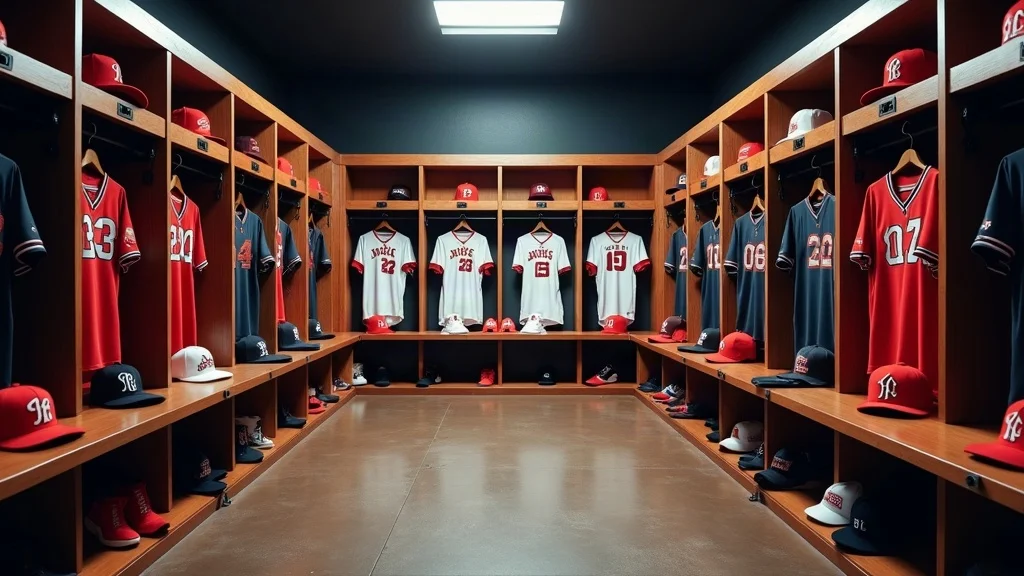
Contrasting team locker rooms: one side wealthy players, other side cohesive group, photorealistic, split-screen baseball clubhouse, team apparel, neat gear, detail, muted colors, soft lighting.

Quote: On the Role of Money Versus Culture in Team Success

“The Brewers remind us that culture beats capital when the playoffs arrive.” – local sports columnist

Behind the Brewers’ Secret: How Leadership and Culture Redefine the Game

What’s really happening inside that Brewers clubhouse? The answer is intentional leadership and a culture built on trust. The organization prioritizes resilience, clear communication, and mutual respect—a trio often underestimated amidst the allure of talent acquisition. Players and coaches alike speak of the importance of “playing for each other,” a reflection of buy-in that translates directly to performance under pressure. Whether you’re a young call-up or a seasoned veteran, fitting into this ecosystem means aligning with a set of shared values.

The Brewers’ approach is less about seeking the next stat-sheet sensation and more about developing everyday contributors. Humility and perseverance take center stage. Leadership, from top executives to coaching staff, models steady vision and creates space for personal growth. By redefining what “success” looks like, the Brewers transform the narrative from individual achievement to collective accomplishment. It’s a blueprint not just for winning games, but for sustaining greatness long-term.

Building Trust, Resiliency, and Chemistry in the Clubhouse

  • Consistent leadership and clear values
  • Player development and humility over star power

Inside the Brewers’ clubhouse, you’ll find the building blocks of trust: open dialogue, shared rituals, and leaders who show up every day with the same message. These foundations don’t just happen—they’re cultivated through tough times and tested in adversity. Players are encouraged to develop their game, speak honestly, and support one another, fostering loyalty that converts stress into strength as the season wears on.

This resilient environment stands in sharp contrast to teams that rely solely on big-name signings. The Brewers encourage growth from within, giving prospects and role-players ample opportunities to shine. Humility is celebrated, and every win is credited to the group. Such a setting inspires higher levels of effort, as athletes genuinely care not just about their stats, but about collective progress.

Supportive baseball coaching moment, coach encouraging diverse attentive players, photorealistic locker room, team symbols, motivational atmosphere, rich skin tones, high realism, balanced lighting.

Spotlight: Expert Insights from Baseball Executives

“We don’t chase headlines. We build a room where guys want to play for each other.” – Brewers front office leader

Pattern Recognition: Why This Trend Keeps Coming Up in Baseball

Pattern recognition is a core part of my coverage, and year after year, we see that the Brewers’ playbook is not an outlier, but part of a meaningful trend. In practice, teams that prioritize process, humility, and community regularly turn in seasons that outpace their payroll rank. The lessons of “Moneyball” endure, yet so do the limits of analytics when culture goes overlooked. The Brewers join a lineage of overachievers—think the Oakland Athletics of the early 2000s or other small-market teams—reminding us that the search for advantage is as much about identity as it is about innovation.

Every new season reveals the recurring tension between high-priced roster construction and deep-seated team chemistry. The teams that adapt, invest in people, and build robust systems are the ones still standing in October. The Brewers don’t just prove that “less can be more”; they show that the most sustainable edge is earned through values and smart stewardship, not splashy press releases. The question is less about budget, and more about what you do with what you have.

Recurring Tensions: Moneyball Lessons Revisited

Nearly two decades since “Moneyball” captured the imagination of the baseball world, its themes are still remarkably relevant. The Brewers demonstrate that data and scouting matter, but culture is the multiplier. The lesson? Money only goes so far if it isn’t matched with buy-in and an environment where athletes push each other for the right reasons. As one front office executive put it, “Our payroll isn’t our identity. ”

The Brewers’ consistency provides an antidote to the myth that you have to outspend your rivals to compete. They remind us of the essential value of humility, fit, and leadership—and how overachieving teams resist shortcuts by building trust brick by brick. In this model, technology, scouting, and wellness contribute, but winning ultimately starts inside the room.

Teams That Succeed with Less: Recent Examples

  • Brewers’ consistency over time
  • Compare with other low-budget overachievers

The Brewers’ story aligns with other recent tales of underdogs succeeding with modest resources. Consider franchises like the Tampa Bay Rays—another organization with a below-the-median payroll that frequently challenges the league’s best. Both teams place a premium on development systems, staff excellence, and nurturing a “play for the name on the front” mindset.

Over several seasons, these organizations regularly outperform clubs with twice the financial resources. Their secret? Making the most of what’s in-house—scouting for character alongside talent, and promoting a sense of mutual accountability. The upshot for fans and leaders alike: when it comes to lasting achievement, culture and adaptability beat cash.

Determined underdog players celebrating, high-fives and joyful expressions, photorealistic field after comeback win, minimal uniforms, dirt on jerseys, dynamic celebration, high detail, natural team colors.

Drawing Parallels: Community, Leadership, and Outcomes

Beyond the diamond, the Brewers’ journey mirrors the experiences of successful organizations and communities everywhere. Leaders set a tone of service and vision, members buy in, and the system flexes to new challenges while holding steady to its core identity. In workplaces, faith groups, and movements, similar patterns emerge—places where people are invited to contribute, and their contributions truly matter.

This is why the Brewers’ model is not just a “sports thing”; it’s a template for building resilient teams everywhere. Whether you’re leading in technology, education, or neighborhood organizing, the lesson holds: shared values ignite real accomplishment, and smart stewardship pays dividends. If spending money alone could buy lasting success, we’d see it far more often on the scoreboards of life.

People Also Ask: Key Questions About Baseball Brewers Demonstrated Strategies

How have the Brewers succeeded without the highest payroll?

  • Answer: The Brewers invest in player development, team chemistry, and leadership stability, proving that resourcefulness outshines simple dollar investment.

What is the secret to the Brewers’ success?

  • Answer: A mix of cohesion, clear organizational vision, and trusted leadership underpins their approach—translating to on-field results.

Does spending money guarantee a championship in baseball?

  • Answer: No. As demonstrated by the Brewers and other teams with modest payrolls, success requires more than financial firepower—it’s about relationships, adaptability, and sustained commitment.

Frequently Asked Questions About Baseball Brewers Demonstrated Approaches

How does team culture influence performance?

Team culture is the “invisible glue” that shapes how players act, respond to challenges, and support one another. In baseball, this means players go the extra mile for their teammates, trust the process during slumps, and lean on shared rituals and communication to weather tough stretches. For the Brewers, a positive culture creates the conditions for resilience and consistent performance—showing that what happens off the field is just as crucial as game-day execution.

What lessons can businesses or organizations learn from the Brewers’ model?

Businesses and organizations can look at the Brewers’ example to realize that investing in people, fostering clarity of purpose, and supporting ongoing development yields sustainable success. Prioritizing teamwork, humility, and the right leaders means creating spaces where everyone’s contribution has value. Resource constraints are less limiting when culture is robust—a lesson that transcends baseball.

Key Takeaways: What Baseball Brewers Demonstrated Teaches All Organizations

  • Culture outlasts money: invest in values, not just paychecks
  • Leadership clarity: can unite diverse talent for a shared goal
  • Resourcefulness and chemistry: fuel outperformance
  • Success is built—not bought—over time

Inspiring team huddle, unified and hopeful, photorealistic baseball diamond at sunset, freshly raked dirt, glowing horizon, fine detail, warm oranges, soft shadows, evening backlight.

Continuing the Conversation: Elevating Community Wisdom

“The Brewers’ story isn’t just about baseball—it’s a reminder that lasting achievement grows from shared purpose.” – Leadership coach

Engaged local community at a Brewers game, families and friends of all ages smiling, photorealistic stadium stands, Milwaukee skyline, Brewers gear, vivid colors, diverse crowd, afternoon light.

Short highlight reel: Brewers’ players working together, supportive coaching, and community engagement at the stadium. Scenes emphasize teamwork and culture, set to upbeat music.

Take Action: Connect, Reflect, and Lead Like the Brewers

  • Schedule a 15 minute let me know further virtual meeting at https://askchrisdaley.com

Conclusion: The baseball Brewers demonstrated that building culture, exercising wise leadership, and investing in people lays a foundation no size of paycheck alone can match—in baseball, and everywhere teams are built.

Sources:

  • https://www.nytimes.com/2021/10/08/sports/baseball/brewers-moneyball.html – The New York Times
  • https://theathletic.com/teams/mlb/milwaukee-brewers/ – The Athletic
  • https://www.mlb.com/brewers/news – MLB.com

The Milwaukee Brewers have exemplified that success in baseball isn’t solely dependent on high payrolls or assembling star-studded rosters. Their achievements stem from a strong organizational culture, strategic leadership, and effective player development.

An article titled “Brewers seen as baseball ‘success story’ despite small market, payroll” highlights how the Brewers, despite operating in MLB’s smallest market with the 22nd-highest payroll, have consistently reached the postseason and secured division titles. This success is attributed to their unique culture and talent development strategies. (sportsbusinessjournal.com)

Additionally, “Brewers’ Pat Murphy’s leadership style resonates throughout clubhouse” discusses how Manager Pat Murphy’s blend of humor, honesty, and accountability has fostered a cohesive and motivated team environment, contributing significantly to the Brewers’ sustained success. (fox6now.com)

For those interested in understanding how organizational culture and leadership can drive success beyond financial investments, these resources offer valuable insights.


Community

0 Comments

Write A Comment

*
*
Please complete the captcha to submit your comment.
Related Posts All Posts
10.01.2026

Discover Why This Fine Dining Restaurant in Muskegon Stands Out

Hearthstone Bistro 📍 Address: 3350 Glade St, Muskegon, MI 49444, USA 📞 Phone: +1 231-733-1056 🌐 Website: http://www.thehearthstonebistro.com/ ★★★★★ Rating: 4.7 Where Distinction Meets Familiarity: The Allure of Muskegon’s Upscale-Casual BistroIn every town, a select few establishments rise above, not just for their cuisine, but for the distinct role they play in shaping the local culture. Muskegon is no exception. The search for a fine dining restaurant in Muskegon is not just about what arrives on your plate; it's about the environment that surrounds you, the atmosphere that draws you in, and the philosophy that guides every detail. In a region witnessing a renaissance of culinary ambition, what truly sets a restaurant apart is not its exclusivity, but its ability to create remarkable, memorable moments accessible to everyone—whether for a once-in-a-lifetime celebration or a spontaneous weekday dinner with friends.Sophisticated yet inviting spaces can be rare, especially those that blend traditional fine-dining flourishes with an aura of neighborhood comfort. With the market shifting rapidly in recent years, the restaurants that thrive are the ones that have made a deliberate choice to reject the cold, detached stereotypes of classical fine dining. They foster genuine hospitality that speaks to both lifelong locals and high-profile guests. This new model is not just a trend; it's a calculated response to evolving consumer values. Muskegon’s own dining scene is now led by venues that understand how to balance exceptional culinary execution with a deep sense of community inclusion, forging a path that rivals any big city’s celebrated establishments.Redefining Fine Dining: Elevated Cuisine, Crafted Environment, and Warm HospitalityTo understand what makes a fine dining restaurant in Muskegon extraordinary, one must look beyond linen napkins or a curated wine list. At the heart of the market’s leading bistro concepts is a kitchen built around classical scratch-cooking techniques—where every dish, whether an inspired cheese soup or freshly panko-crusted whitefish, is executed with meticulous attention. A fine dining experience here doesn’t rely on pretense; it’s about transforming both domestic and European culinary ideas into moments that awaken the senses. Coupled with thoughtfully rotating, seasonal menus and a backdrop anchored by architectural features like a signature hearthstone fireplace, these choices create an ambiance that evokes both sophistication and welcoming familiarity.The environmental advantage in such restaurants is not simply ornamental. The balance between fine-dining décor and approachable comfort is engineered to invite. Regulars and newcomers alike find that the inviting, softly-lit dining room—often animated by the gentle crackle of a fireplace—encourages celebration and connection. The extensive selection of wines and craft cocktails nods to an elite, cosmopolitan palate, while daily and weekly feature menus guarantee that even the most loyal diner encounters something new and exciting with every visit. In an industry where inconsistency is unforgivable, establishing a reliable yet ever-evolving culinary identity is what keeps guests returning, and what draws new ones in from across the Lakeshore.Why Meticulous Execution and Community Focus Drive Unmatched Value in DiningAmong Muskegon’s dining destinations, certain restaurants stand out not only for what they serve but also for how they serve it. Their approach is rooted in the belief that great food is inseparable from great hospitality, and that every step, from the kitchen’s prep work to the final garnish, reflects a broader commitment to craft. For guests, the result is more than just an expertly cooked entrée; it’s trust established through consistent excellence over decades and menus that celebrate both tradition and innovation. The precision in execution—whether producing a velvety cheese soup or a perfectly seared entrée—ensures guests know exactly what level of quality to expect each time, reinforcing the establishment’s reputation as Muskegon’s culinary anchor.This model also supports relationships that span generations. The establishment’s role as a neighborhood gathering place, a venue for milestone events, and a destination for discerning food lovers highlights its versatility. The house philosophy—hospitality as a dedicated craft—yields outcomes visible in every packed reservation book, every repeat guest, and every successful wedding or corporate booking. Coupled with a focus on low staff turnover, especially in leadership roles like Executive Chef Josh Sandberg’s, the restaurant creates a unique environment of operational stability that defies industry norms. The ultimate value delivered to the guest is a result of this seamless integration of careful preparation and heartfelt hospitality, making every meal not just a service, but a memorable part of local life.Approachable Luxury: How Muskegon’s Bistro Scene Rejects Pretense While Delivering ExcellenceThe defining strength in Muskegon’s leading fine dining venues lies in their outright rejection of the stuffy, inaccessible reputation that can plague high-end restaurants. Instead, they have succeeded in building experiences that feel both elite and approachable. Physical assets like a signature hearthstone fireplace offer a focal point—warmth, comfort, and an invitation to linger—which, paired with friendly, knowledgeable staff, breaks down barriers between guest and host. This is not fine dining that intimidates or excludes; rather, it’s a culinary adventure designed to draw people together, celebrating moments both big and small with equal attention to detail.The hospitality model here is high-touch but unpretentious. Servers and managers are trained to treat each guest as a friend without sacrificing professionalism or knowledge. Rather than pursuing fleeting trends, menu development balances European classics with contemporary local flavors. The outcome is an establishment that captures both affluent, celebratory spending from special occasions and steady, weekday patronage from loyal locals—a dual revenue stream made possible by deliberately blending fine-dining technique with a sense of belonging.Consistency is King: Operational Discipline as the Secret IngredientWhat’s remarkable is how this approach goes far beyond the dining room. Behind the scenes, a culture of precision—anchored by Executive Chef Josh Sandberg’s meticulous department management—creates a kitchen where variance is the enemy and discipline is the tool. Through codified preparation methods for every staple, from the iconic cheese soup to innovative seafood and house-baked breads, the restaurant builds a level of trust: guests return, confident that tonight’s meal will meet the memory of the last.Such rigor is rare in an industry known for chaos, burnout, and rapid turnover. Here, staff longevity contributes to a low-stress work environment, further enhancing service for the diner. The ability to deliver at the highest standard with every booking—whether a Friday night dinner or a full-scale banquet in a dedicated Suite 24 event space—cements the establishment’s elite local reputation. For the community, the value is clear: reliable, warm hospitality and a culinary standard that doesn’t fluctuate with passing trends or shifting seasons.The Digital Mandate: How a 5-Star Reputation Raises the Bar for AllIn today’s hospitality sector, digital word-of-mouth is currency. For leading restaurants in Muskegon, the aggregate 4. 7-star rating is not just a badge of honor—it is a binding operational mandate. Hundreds of glowing reviews, echoed across platforms from Google to TripAdvisor, serve not only to attract first-time guests but to set an uncompromising standard for every employee, from management to kitchen brigade. The relentless pursuit of perfection, night after night, is no longer just aspirational; it is demanded by the very guests who have witnessed, documented, and shared their experiences online.This digital profile is a double-edged sword: while it functions as Muskegon’s most persuasive advertising channel, it also creates a cultural pressure that penetrates every shift and service. The restaurant’s carefully curated social media presence furthers this effect, building anticipation and expectation before a plate ever lands on the table. The outcome for the business is a perpetual accountability loop, where the historical reputation isn’t celebrated passively—it is rebuilt and fortified every single day, in every guest interaction.Adaptation Fueled by Heritage: Navigating Change Without Losing the HeartAdapting to economic shifts and industry disruptions is a hallmark of any enduring restaurant. In 2017, Muskegon’s flagship bistro navigated a textbook example of succession and revitalization, when loyal patron-turned-owner Ben Soyars assumed the helm from founders Frank and Gina Lister. This transition—preserving the entire kitchen team and legacy menu while integrating modern backend systems and efficiency upgrades—is often cited as a lesson in reducing customer friction and safeguarding generational loyalty. The business emerged with renewed energy and a surge in profitability, shoring up its leadership in the local market.More than just a single pivot, this adaptability is ongoing. Expanding into high-margin catering, private event hosting, and dynamic menu rotation allows the restaurant to weather external headwinds like inflation, labor shortages, and supply chain pressure—all while maintaining the highest standards in food quality and service. It’s this blend of respect for tradition and willingness to innovate that secures the venue’s role as Muskegon’s most lasting culinary landmark.Legacy and Vision: The Permanent Place of Fine Dining in Muskegon’s FutureThis unique posture—honoring a storied past while inviting constant innovation—creates a competitive moat that few rivals can approach. With every seasonal refresh and hospitality touch, the restaurant reaffirms its permanent status in the region’s economic and cultural landscape, charting a course for the next half-century and beyond.Expert Insight: A Philosophy of Passion, Precision, and Community at WorkAt the core of Muskegon’s bistro culture is a philosophy: food is about memory, emotion, and shared experience. Making “each meal an emotional experience, sparking sights, smells and sounds from one’s personal memories (or creating new ones from scratch),” the management and kitchen teams infuse intentionality into every detail. This is not accomplished through shortcuts. The scratch-kitchen methodology, which has guided the Hearthstone Bistro’s reputation, applies to each dish and concept—fresh seafood, local produce, house-made soups—ensuring integrity from start to finish.The broader purpose is stewardship—embracing roles as both culinary innovators and social anchors. Staff are unified by a shared passion for amazing food, yet this drive extends beyond the menu into hospitality that treats guests as valued community members. The result? A space that not only sets a high bar for technical execution, but also protects an environment of low turnover and operational stability. Kitchens led by veteran professionals like Executive Chef Josh Sandberg foster trust by eliminating variability, granting guests a rare guarantee: delight is not a hope, but a promise delivered, meal after meal.What Real Guests Say: Seamless Celebration, Impeccable ExecutionIn today’s hospitality world, the most telling endorsement comes not from advertisements, but from those who have lived the experience firsthand. For many Muskegon locals and visitors, an event catered or hosted at this local bistro defines what fine dining should be: equal parts artistry, professionalism, and comfort. One recent guest, Autumn Hatfield, captured the spirit of this hospitality-driven venue perfectly in her words: Hearthstone Bistro absolutely exceeded every expectation we had for our wedding catering. The food was beyond amazing, and we are still hearing about how incredible it was even after the wedding! Review Stories like these are not only testimonials, but living proof of the trust and confidence built through years of consistent quality and attentive service. For anyone seeking a restaurant that combines technical precision with genuine care, the experience described here is a preview of what awaits—a seamless blend of hospitality, celebration, and taste that leaves guests eager to return and share in the magic again.The Foundation of Excellence: Why Fine Dining in Muskegon Is Here to StayTo call one venue the best fine dining restaurant in Muskegon is not just to praise the cuisine, but to honor a disciplined, soulful approach that champions community, operational rigor, and innovation in equal measure. This reputation is not built overnight. It is the result of decades of unwavering standards, thoughtful evolution through ownership changes, and a refusal to compromise on quality or hospitality. As new trends, technologies, and economic challenges emerge, it is this foundation—which treats every guest as a valued participant in the dining narrative—that ensures not only survival, but enduring success.The consistent 5-star acclaim from guests and critics alike underscores why such establishments remain the region’s destination of choice for both extraordinary meals and everyday occasions. Backed by a staff united in purpose and anchored by visionary leadership, Muskegon’s fine dining landscape is secure for the future—poised to inspire new generations, one unforgettable meal at a time.Contact the Experts at Hearthstone BistroIf you’d like to learn more about how a fine dining restaurant in Muskegon could transform your next meal or event, contact the team at Hearthstone Bistro.📍 Address: 3350 Glade St, Muskegon, MI 49444, USA📞 Phone: +1 231-733-1056🌐 Website: http://www.thehearthstonebistro.com/Hearthstone Bistro Location and Availability🕒 Hours of Operation:📅 Monday: ❌ Closed📅 Tuesday: 11:30 AM – 9:00 PM📅 Wednesday: 11:30 AM – 9:00 PM📅 Thursday: 11:30 AM – 9:00 PM📅 Friday: 11:30 AM – 10:00 PM📅 Saturday: 4:00 – 10:00 PM📅 Sunday: ❌ Closed

09.16.2026

Q&A: How Can Schools Better Support Students Facing Trauma and Behavioral Challenges?

Every child deserves safety and understanding—especially those grappling with trauma. Schools have a vital role in healing and support. Embracing compassion can transform struggles into strengths, helping students thrive despite their challenges. Discover how schools can make a heartfelt difference in these young lives today.Understanding the Importance of Supporting Students with TraumaSupporting students with trauma is an essential cornerstone for fostering healthy academic and personal development. Trauma can profoundly impact a child's emotional well-being, cognitive functioning, and behavior in school settings. Recognizing trauma's pervasive effects is the first step toward creating an environment where students feel safe, understood, and empowered.Schools serve as critical touchpoints where many children experience stability and support outside their homes. By implementing trauma-informed practices, educational institutions become safe havens that can help students navigate their challenges and build resilience. The transformative power of compassion and understanding cannot be understated — it influences not only the individual student but also the school culture as a whole.Anthony McCauley, of Males of Distinction, explains, "My belief is, I’ve seen the difference that one caring adult can make when we refuse to let a bad choice or some hard season in somebody’s life become the whole story of who that person or that child is. " This highlights the profound impact that empathy and steadfast support can have on altering life trajectories for young people struggling with trauma.Definition of trauma and its impact on studentsWhy schools play a critical role in supporting students with traumaThe transformative power of compassion and understandingKey Challenges Faced by Students Experiencing Trauma and Behavioral IssuesStudents facing trauma often express their struggles through behavior. From withdrawal and shutting down to acting out and disruption, these behaviors are frequently misinterpreted as willful disobedience or defiance rather than cries for help. Traditional school systems tend to focus on managing these behaviors without exploring the underlying causes, which can lead to punitive rather than supportive responses.Shifting the perspective from asking, "What's wrong with the child?" to "What happened to the child?" is a transformative approach. This framed question opens the door to empathy and deeper understanding. It recognizes behavior as a form of communication — a language that conveys what students may not yet have the words to express.Anthony McCauley emphasizes, "Behavior is a language. A kid who’s shutting down, acting out, or checked out is almost always trying to communicate something they don’t have the words for yet. " This insight challenges educators and caregivers to look beyond surface behaviors toward the emotional and situational roots beneath.Common behavioral manifestations of trauma in studentsHow traditional school systems often respond to behavior rather than underlying causesThe importance of shifting from 'What’s wrong with the child?' to 'What happened to the child?'Effective Strategies for Supporting Students with Trauma in SchoolsTo effectively support students with trauma, schools must adopt trauma-informed practices that prioritize understanding trauma's effects on the brain and behavior. Awareness of ACEs (Adverse Childhood Experiences) is essential in shaping responsive interventions and creating nurturing environments where students feel safe and valued.Building trusting relationships through consistent mentorship and adult engagement fosters a sense of belonging. When students perceive adults as reliable and caring figures, they are more likely to engage in learning and healing. Safe spaces within schools allow students to express themselves without fear of judgment, enabling meaningful growth.Training educators to recognize early warning signs and respond proactively enhances prevention. Teachers and staff equipped with trauma-sensitive approaches can intervene before behaviors escalate into crises, making schools places of proactive care rather than reactive discipline.Implementing trauma-informed practices and ACEs (Adverse Childhood Experiences) awarenessBuilding trusting relationships through consistent mentorship and adult engagementCreating safe spaces where students feel seen and valuedTraining educators to recognize early warning signs and respond proactivelyThe Role of Mentorship and Community InvolvementMentorship plays a pivotal role in supporting students with trauma. Consistent, caring adults can provide guidance, model positive behaviors, and offer emotional stability. Community involvement extends this support network, connecting schools with local resources, professional expertise, and social services to holistically meet student needs.Anthony McCauley shares, "I’ve witnessed firsthand how a caring adult mentor can change the direction of a child’s entire life by stepping in early and showing up consistently. " This real-world experience underscores mentorship as a catalyst for positive change, breaking cycles of trauma and fostering hope.Addressing Common Misconceptions About Trauma and Student BehaviorThere are many myths surrounding students who have experienced trauma. One common misconception is that these students are "broken" or beyond help. This harmful stereotype overlooks the resilience that many possess and the potential for healing when given proper support.Trauma responses are survival mechanisms developed in reaction to stress or danger. Behaviors that seem disruptive or defiant are often protective adaptations rather than willful misbehavior. Understanding this distinction is crucial for fostering empathy and crafting interventions that respect students’ experiences and dignity.Schools that approach trauma with empathy rather than judgment create more inclusive and effective educational environments. Recognizing that kids who have faced trauma need care and understanding, not punishment, can transform relations and outcomes.Dispelling myths that trauma-affected students are 'broken' or 'incorrigible'Understanding that trauma responses are survival mechanisms, not willful misbehaviorRecognizing the need for empathy rather than judgmentHow Schools Can Proactively Prevent Behavioral Crises Through Early InterventionThe best approach to supporting students with trauma centers on prevention. Intervening before behaviors escalate into crises not only improves student outcomes but is fiscally responsible for school districts. Early identification allows for timely and tailored support, reducing the need for costly disciplinary actions or remediation.Anthony McCauley states, "Prevention is the most fiscally responsible thing a school district can invest in. We need to build a culture that catches warning signs before a crisis happens. " Proactive strategies create safety nets that pivot student trajectories toward success.Developing targeted training programs equips educators and staff with tools to recognize trauma signals. Partnerships with community organizations extend the reach of school-based resources, creating a network of care that supports students both in and out of school. Implementing dedicated student support services focused on early intervention ensures that no warning signs go unnoticed.Developing training programs for teachers and staff on trauma-sensitive approachesPartnering with community organizations to extend support networksImplementing student support services focused on early identification and interventionPractical Tips for Educators to Support Students with TraumaAsk open-ended questions like "What happened?" instead of "Why did you do that?" This invites dialogue focused on understanding rather than assigning blame, helping students feel heard.Create consistent routines and safe spaces in the classroom. Predictability fosters security and reduces anxiety for trauma-affected students.Use trauma-sensitive language and avoid punitive measures when possible. Language matters; gentle guidance encourages growth over fear.Engage families and caregivers as partners in support. Collaborative relationships ensure wraparound care and reinforce positive development at home and school.Encourage growth mindset to empower students’ resilience. Teaching students that abilities can develop over time builds confidence and motivation.People Also AskHow to support students with trauma in the classroom?Create a safe and predictable environmentBuild trusting relationships with studentsIncorporate trauma-informed teaching strategiesProvide opportunities for students to express themselvesCollaborate with counselors and mental health professionalsWhat are the 5 F's of trauma responses?FightFlightFreezeFawnFlopWhat are 8 ways to support students who have experienced trauma?Build strong relationshipsMaintain consistency and structureUse positive behavior supportsTeach coping skillsProvide emotional regulation toolsEncourage self-expressionCollaborate with familiesPromote a growth mindsetWhat are the four R's of a trauma-sensitive classroom?Realize the impact of traumaRecognize the signs of traumaRespond with trauma-informed practicesResist re-traumatizationThe Vision for a Trauma-Sensitive School SystemAnthony McCauley envisions, "A system built not just to educate, but to see people the same way I’ve tried to see every young person I’ve ever come across — meeting children right where they are. " This vision articulates the goal of transforming schools into nurturing environments that honor each child’s unique story and potential.Such a system acts as a safe haven where potential and resilience are cultivated. Policies and practices focus holistically on strengthening families and prioritizing student well-being. Collaborative community efforts sustain positive change, creating lasting impact beyond the classroom.Schools as safe havens that nurture potential and resiliencePolicies and practices centered on family strengthening and student well-beingCommunity collaboration to sustain long-term positive outcomesSummary of Key TakeawaysSupporting students with trauma requires understanding behavior as communicationEarly intervention and trauma-informed training are essential for preventionConsistent mentorship and community partnerships amplify positive impactSchools must shift from reactive to proactive approaches to truly support studentsEvery child deserves to be seen, believed in, and given a real chance to succeedFinal Thoughts and Invitation to EngageAnthony McCauley encourages, "If we strengthen families, we don’t separate families. That’s how we make decisions that truly support our children. " Compassion and connectedness are the foundation of educational transformation. The community plays a vital role in driving this mission forward—together, we can foster schools that heal, support, and empower.The power of compassion and connection in educationThe role of community stakeholders in driving changeInvitation to readers to participate in this vital missionGet Involved: Share Your Interest or ConcernsEmail your interest or concerns to Anthony at: mccauleyinstitute@outlook.comJoin the movement to create trauma-sensitive schoolsHelp build a supportive community for all studentsSourceshttps://ies.ed.gov/learn/blog/classroom-strategies-s...https://www.ascd.org/articles/trauma-informed-teach...https://www.nctsn.org/interventions/support-students-...https://www.schoolsafety.gov/sites/default/fileshttps://www.apa.org/schools/primer/traumahttps://www.collaborativeclassroom.org/blog/suppor...

09.10.2026

Unlocking Productivity: How Task Switching Costs You More Than Time

Update The Hidden Costs of Task Switching In our modern, hyper-connected world, the notion of multitasking is almost a badge of honor. However, recent studies highlight a darker side to frequent task switching that goes beyond mere time loss. The University of California, Irvine, found that information workers can switch tasks as often as every three minutes. This constant juggling not only hampers productivity but also diminishes the quality of decisions we make throughout the day. Understanding Attention Residue Professor Sophie Leroy from the University of Washington Bothell explores a compelling concept known as "attention residue." When we transition from one task to another, lingering thoughts from our previous activity remain, akin to leaving multiple tabs open in a web browser. While one tab might not consume significant processing power, multiple open tasks slow down our cognitive efficiency. This attention residue can lead to poor decision-making and diminished creativity, making it clear that our brains are not designed to handle constant interruptions effectively. Impacts on Our Lives and Work With multitasking often celebrated in corporate environments, it’s essential to recognize the potential long-term implications. Leaders who continuously switch between tasks may find themselves becoming increasingly reactive rather than proactive. This approach not only compromises their analytical capabilities but can also lead them to overlook critical details in their work. Over time, such habits foster a cycle of urgency where tasks become reaction-driven rather than focused on achieving meaningful results. Moreover, task switching can affect our personal lives. As we jump from work tasks to home responsibilities, the same issues persist. For instance, a parent may be cooking dinner while interrupted by work emails or kids needing attention, which leads to a fragmented home life. Stress tends to accumulate in these scenarios, further impacting mental health and overall well-being. Strategies for Reducing Task Switching To mitigate the challenges posed by task switching, consider implementing time-blocking methods. Dedicating specific periods to focus on one task at a time can enhance both effectiveness and productivity. By prioritizing tasks based on urgency and importance, individuals can better allocate their cognitive resources. This prioritization not only aids in clearer thinking but also leads to a more satisfying sense of accomplishment. Another helpful strategy is adopting 'do not disturb' modes during critical work hours, allowing individuals to maintain focus without the allure of instant communication. This self-imposed boundary can create a sacred time for deep work, unimpeded by notifications or distractions. Communicating your availability to colleagues can further establish an environment conducive to focused work. Future Trends in Work Environments As both individuals and organizations adapt to the challenges of task switching, we anticipate a shift toward work cultures that prioritize focus and mental well-being. With increasing awareness of the detrimental effects of constant multitasking, businesses may begin to implement policies that safeguard employees’ attention. Flexible work schedules and remote working arrangements can provide opportunities for individuals to design their work environments that align with their productivity rhythms. Furthermore, organizations could also encourage mindfulness practices among employees. Integrating short breaks or mindfulness sessions into the workday can help practitioners reset their focus, making them better equipped to handle complex tasks without succumbing to the fatigue of constant task switching. Conclusion: The Pursuit of Focus As we navigate through an era defined by speed and information overload, recognizing the dangers of task switching is essential. By being mindful of how often we divert our attention, we can reclaim control over our productivity and decision-making processes. Fostering an environment that encourages focused work and minimizes interruptions could pave the way to deeper engagement and more meaningful outcomes in our everyday endeavors. In conclusion, whether in the workplace or at home, embracing a more structured approach to tasks can lead to clearer minds and empowered individuals. The pursuit of focus, rather than the constant chase of multitasking, may just be the secret to unleashing our true potential.

America’s voices. Your daily briefing.

COMPANY

  • Privacy Policy
  • Terms of Use
  • Advertise
  • Contact Us
  • Menu 5
  • Menu 6

ABOUT NATIONAL DAILY INSIDER

National Daily Insider connects local leaders, experts, and entrepreneurs to the broader national conversation. Focused on timely issues, economic trends, and personal stories with a national lens, it’s perfect for attorneys, consultants, real estate pros, and civic figures.

© 2026 CompanyName All Rights Reserved. Address . Contact Us . Terms of Service . Privacy Policy

Terms of Service

Privacy Policy

Core Modal Title

Sorry, no results found

You Might Find These Articles Interesting

T
Please Check Your Email
We Will Be Following Up Shortly
*
*
*