
Add Row
Add Element
UPDATE
Add Element
  • Home
  • Categories
    • Business and Economy
    • Community
    • Small Biz
    • Policy and Law
    • Real Estate
    • Modern Life
    • Explore the U.S
December 18.2025
1 Minute Read

Brookhaven Water Heaters Guide | To Repair or Replace?

Is your Brookhaven water heater showing signs of failure, but you're unsure whether to repair or replace it? Understanding the signs of water heater failure and your repair or replacement options can help you avoid cold showers and costly water damage expenses. Here, you'll find simple, actionable tips and direct answers to common Brookhaven water heater issues.

Brookhaven Water Heaters Guide: Quick Answers for Homeowners

The main goal of the Brookhaven Water Heaters Guide is to get you the right fix for your Atlanta, Georgia hot water problems, fast. Whether your water heater needs a simple repair or a full replacement depends on its age, symptoms, and the type of water heater installed in your Brookhaven home. If you notice leaks, have no hot water, or your tank model is over a decade old, it's time to consider a replacement. A professional plumber can diagnose the issue and give you upfront water heater options.

DECISION TREE: Repair or Replace My Water Heater?

DECISION TREE: Should I Repair or Replace My Water Heater?

Deciding whether to repair or replace a water heater is not always straightforward. This decision tree walks through the most common factors, including age, condition, and cost, to help you determine the most practical next step.

STEP 1: How old is the water heater?

  • Under Six Years Old → Go to STEP 2
  • Six to Ten Years Old → Go to STEP 3
  • 11 Years Old and Up → Replacement Recommended

STEP 2: Does the water heater have a minor issue?

✅ Yes → REPAIR THE WATER HEATER.
Replacement of failed part (thermostat, pilot light ignition,or valve).
❌ No → Go to STEP 4

STEP 3: Has the water heater had frequent repairs recently?

✅ Yes → REPLACE THE WATER HEATER.
(Multiple repairs = System decline)
❌ No → Go to STEP 4

STEP 4: What is the water heater problem?

Problem When to Repair Time to Replace
No or not enough hot water Faulty thermostat, pilot light, or heating element Tank has rust, corrosion, or leaks
Leaking Loose fittings, valves, or supply lines Leak from tank = must replace
Strange noises or odors Sediment buildup, bad igniter Replace if chronic or smells indicate danger
Increasing energy bills Depends Consider high-efficiency model to lower bills
Visible tank rust If it's possible Indicates internal tank corrosion damage
Burner or element failure If under 8 Years Old Replace older units with repeat repairs

STEP 5: Compare Water Heater Repair and Replacement Costs

Repair Cost is Under 50% of Replace cost → REPAIR usually justified
Repair Cost is Over 50% of Replace Cost → REPLACE more cost-effective

STEP 6: Type of Heater and Energy Efficiency

Gas Storage water heater 10+ years old → REPLACE for safety/efficiency
Electric Tank water heater 12+ years old → REPLACE if needing parts

Disclaimer: This decision tree is provided for general guidance only. Water heater conditions and safety considerations can vary, so it is always recommended to consult a qualified plumbing professional before making repair or replacement decisions.

Brookhaven Water Heaters Guide: Repair vs Replace Summary

Situation

Repair

Replace

No hot water

(under 8 years old)

Possible

Check the heating element and thermostat

Unlikely

Tank damage = Replacement

Leaking from Water Heater

(10+ years old)

Possible

Check for loose fittings, faulty valves, or leaking supply lines

Recommended

Tank leaks = Replace the water heater for safety and water damage prevention

Frequent Repairs or higher utility bills

Repair if possible

New high-efficiency model saves money long-term

Strange noises/smells

Repair if sediment or igniter

Replace if chronic or dangerous

Modern Brookhaven bathroom with a visible water heater and smiling homeowner pointing at the heater. Photorealistic, clean tiles, cool blue and white, soft sunlight from frosted window.
  • Key signs your water heater needs repair or replacement

  • How pros diagnose water heater problems

  • Features of new water heaters, including tankless and hybrid options

  • Professional vs DIY water heater repair and install info

  • Pricing factors for water heater installation in Brookhaven

Common Brookhaven Water Heater Problems and Causes

Brookhaven homeowners often face water heater problems, including leaks and inconsistent hot water, at the most inconvenient times. Knowing what to look for can help you act fast. No hot water, leaks, weird noises, and fluctuating temperatures are all signs that your water heater might need attention. Most water heaters last around 8–12 years before frequent repairs or replacement make more sense. Some faults, like a leaking tank, always mean it's time to replace, while things like failed elements or thermostats can be cost-effective repairs.

  • No hot water or inconsistent temperature

  • Leaks, water damage, or rust around or under the unit

  • Strange noises or smells during operation

  • Pilot light or ignition failures (gas models)

  • Electrical failures (electric heaters, hybrid water heaters)

  • Water heaters past their typical lifespan or needing frequent repair

Worried homeowner inspecting leaking water heater. Photorealistic utility room, visible water pooling, damp towels, cool and neutral colors.

Brookhaven Tankless Water Heaters and Heat Pump Water Heater Issues

Tankless water heaters and hybrid water heaters, including heat pump models, come with their own unique maintenance needs and potential issues. Tankless systems can throw error codes or shut off if a sensor is tripped or if sediment blocks water flow (it happens, even though they're tankless). Sizing is critical in tankless installations; the wrong size or a bad install means never enough hot water for a busy Brookhaven home. Heat pump water heaters offer efficient performance but may struggle in small spaces or in cold climates.

  • Error codes/tripped sensors on tankless units

  • Sediment buildup despite no tank

  • Installation or sizing mistakes that cause hot water issues

  • Hybrid and heat pump water heater quirks with cold weather or placement

Water Damage and Leak Detectors in Brookhaven Homes

Leaks are the biggest threat to your Brookhaven home from a faulty water heater, making leak detectors essential for early detection of water damage. Water pooling near the heater or stains on nearby floors and walls are red flags. Fast leak detection helps prevent bigger, costlier damage. Installing leak detectors, especially in finished basements or crawlspaces, can alert you to trouble early and lower the risk for serious water damage. Leak detectors and alarms are valuable for older Brookhaven homes, helping catch plumbing problems before they escalate.

  • Watch for water pooling near the heater base

  • Check for water stains or warping on the floor/wall

  • Install electronic leak detectors and alarms near heaters and major valves

Brookhaven Water Heater Diagnosis & Repair vs Replace Decision

In Brookhaven, licensed plumbers use advanced diagnostic tools to assess water heater issues, including tankless and hybrid water heater systems, ensuring accurate repair or replacement decisions. They perform a full check on the tank, plumbing connections, thermostats, and, for newer models, the electronics and sensors. If you have a hybrid water heater or a tankless system, pros use specialized diagnostic equipment. They also verify every repair or replacement meets Brookhaven code, including safety shutoffs, venting, and seismic requirements. Regulations are strict to protect every Brookhaven home from water damage, plumbing problems, and wasted energy.

  • Full system inspections: tank, pipes, shutoffs, thermostats

  • Special tests for tankless, hybrid, and heat pump models

  • Code and safety checks at every heater repair or installation

DIY vs Pro: What Brookhaven Homeowners Can Safely Try

Only a few tasks can safely be done by DIYers. You can try resetting the circuit breakers or relighting the pilot on older gas heaters if the manual allows it. Periodic draining of tank sediment (if your manufacturer says it's OK) can help extend the tank's lifespan. But any work involving gas, main electrical, or full water heater install or replacement is strictly for the pros. Incorrect DIY repairs risk water leaks, carbon monoxide or gas hazards, electric shock, and can void warranties or insurance. Brookhaven's codes are strict for homeowner safety.
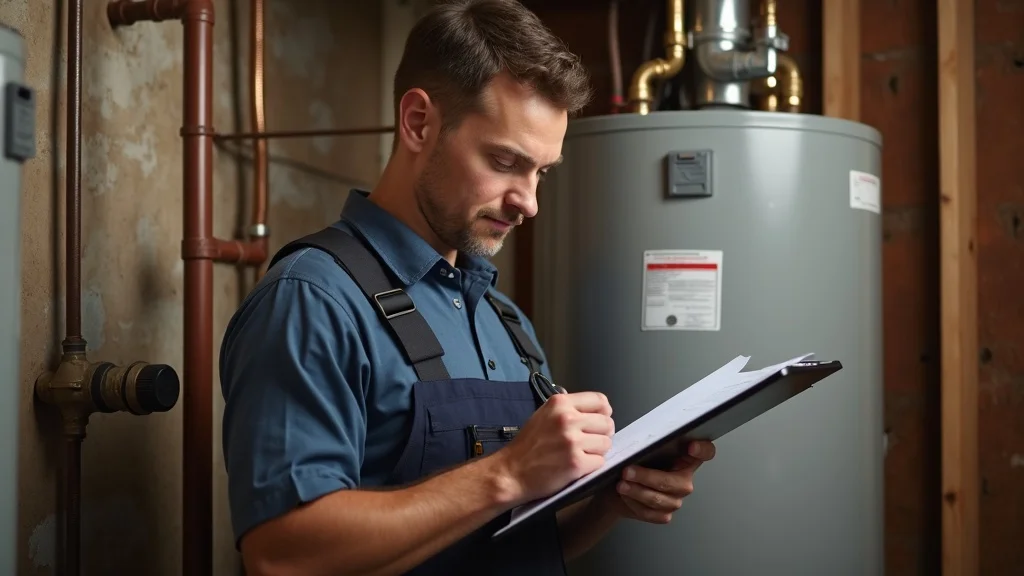
Licensed plumber inspecting residential water heater, diagnostic tools and clipboard. Photorealistic furnace room, visible pipes and shutoffs, earthy neutrals.

Heater Install and Water Heater Installation Requirements

When it's time for a new water heater installation, Brookhaven has specific rules to keep your family safe and your warranty intact. Installers must follow local code for everything: right venting for gas units, seismic straps for earthquake safety, and proper drain pans to protect flooring. Sizing is especially important for tankless water heaters; you don't want a cold shower at the wrong time. Everything needs to be inspected, with permits closed out for your insurance and your family's safety.

  • Must meet Brookhaven plumbing code for venting, seismic, and pan/drains

  • Sizing is critical, especially for a tankless water heater installation

  • Shutoff valves, permits, and final inspection are mandatory

Types, Features, and Energy Efficient Water Heaters

Brookhaven homes commonly use several types of water heaters, including traditional tanks, tankless, and energy-efficient hybrid models such as heat pump water heaters. Traditional storage tank models (gas, electric, and hybrid water heaters) are common, but tankless water heaters are popular for their small footprint and on-demand hot water. Heat pump water heaters (also called hybrid) are efficient and save money on utility bills, especially in new, energy-efficient homes. When choosing, look at tank size/output, Energy Star ratings, built-in leak protection, digital controls, and installation needs.

  • Storage tank (electric, gas, hybrid water heaters)

  • Tankless water heaters (on-demand models save space)

  • Heat pump/hybrid water heaters for top energy efficiency

  • Compare tank size/output, flow rate, Energy Star efficiency, and digital features

Comparison of Brookhaven Water Heater Types: Tank vs Tankless vs Hybrid

Type

Main Features

Common Problems

Traditional Tank

Low up-front cost, familiar, simple repair, 30–80 gallon

Leaks, rust, short lifespan, sediment buildup

Tankless Water Heater

On-demand, small size, endless hot water, saves space

Sizing errors, sensor faults, and installation upgrades are needed

Hybrid/Heat Pump

Top energy efficiency, rebates, and lower utility bills

Quirky in cold spots, install complexity

Modern utility closet retrofit for tankless water heater, satisfied homeowner reviewing installation, crisp closet details, aquamarine accents.

Cost Factors for Water Heater Repair Services and Installation

Pricing for water heater repair or water heater installation in Brookhaven varies based on the type of unit, whether traditional tank, tankless water heater, heat pump, or hybrid water heater, its location, and the desired features or equipment grade. Major repairs or code upgrades, like new drain lines, pans, venting, or even electrical panel changes for high-efficiency units, can add steps. Pro plumbers will only provide a firm quote after checking your home and your current water heater setup. Always expect a written quote with all the right details, never a guess.

  • Type: traditional tank, tankless, hybrid water heaters all price differently

  • Access: harder-to-reach spots (attics, under floors) increase labor costs

  • Good/better/best equipment grades affect the total investment

  • Extra work: code upgrades, new drain pans, venting, water damage repairs as needed

Professional plumber presenting written estimate to homeowner, visible water heater brochure, warm kitchen, inviting earth tones.

Why You'll Get a Quote Only After a Pro Diagnosis

No reputable plumber will provide a blind quote for a water heater install or repair. Every Brookhaven home and every water heater is different: age, installation location, and unique plumbing all matter. Expect your plumber to see the unit, ask questions, and inspect before offering a detailed written quote, so there are no surprises for you, and every Brookhaven home gets the right fix the first time.

  • No phone quotes: onsite diagnosis ensures accuracy

  • Every water heater installation or repair in Brookhaven is unique

  • Expect a written, clear estimate before any work starts

DIY or Professional Heater Repair and Installation?

Some water heater maintenance, such as draining sediment annually, insulating pipes, or resetting thermostats, can be safely handled by homeowners. Still, licensed Brookhaven plumbers should always handle major repairs or heater installation. But anything beyond that, especially replacing water tanks, installing a tankless water heater, or working with gas, high-voltage electric, or hybrid water heaters, means you must call a licensed Brookhaven plumber. The risk of water damage, gas leaks, shock, and denied insurance is high with unlicensed installs.

  • DIY Maintenance: Tank sediment draining, pipe insulation (not heater), thermostat resets

  • Never DIY: Tankless water heater install, tank swaps, main gas, electric, or hybrid installs

  • Always use a licensed Brookhaven plumber for repairs involving code, safety, or brand-new installs.

Risks of DIY Water Heater Install or Repair

Working on your own water heater can seem like a way to save money, but the risks are high. You could trigger major leaks, cause water damage, or, if working with gas, risk carbon monoxide exposure. Electrical work can result in shock or code violations. Most brands void warranties, and insurance companies may deny claims if a licensed pro did not install the system. When it comes to safety, always trust an experienced technician.

  • Risk of bigger leaks or major hidden water damage

  • Potential gas leaks or carbon monoxide danger

  • Electrical shock and unsafe wiring

  • Voided manufacturer warranty, insurance denial

Brookhaven Water Heaters Guide: Local Insights for Brookhaven Homeowners

Brookhaven's mix of old and new homes creates unique challenges for water heater installation, especially for tankless water heaters and hybrid water heaters that require specific code upgrades and leak detectors for optimal safety. Older houses may need extra attention: special venting, seismic straps, and creative code upgrades to retrofit tankless or hybrid systems. New builds often feature the latest tankless water heater or advanced hybrid water heaters for top energy efficiency and lower utility bills. Whatever your home's age, leak detectors and alarms are smart additions for protecting crawlspaces and finished areas.

  • Old vs new builds need different code upgrades for water heater installation

  • Tankless and hybrid water heaters are popular for their space savings, efficiency, and modern features.

  • Pro tip: Install leak detectors/alarms, especially in finished basements or crawlspaces

FAQs about Brookhaven Water Heaters & Heater Install

Why are plumbers against tankless water heaters?

Some plumbers cite the complexity of tankless water heater sizing and installation as the main challenges. Tankless units work well, but only if chosen and installed for family size and existing gas/electric systems. Picking the wrong unit or installing it yourself can lead to poor hot water, safety issues, and unexpected upgrades (like venting or a new electrical panel).

What is the most common water heater problem?

The biggest water heater repairs in Brookhaven: no hot water, slow heating, or leaks. Causes include worn heating elements, failed igniters, sediment buildup, or old tanks. Catching these issues early with a pro check can prevent water damage or bigger repairs down the line.

What is the labor cost to install a 40-gallon water heater?

Labor costs depend on removing the old unit, the ease of access to the installation spot, and any extra upgrades for code (such as new drain pans or venting). Brookhaven plumbers always perform an onsite check first to ensure you receive a clear, written quote tailored to your home's unique setup. Difficult locations (attic, tight closet) and extra features (such as hybrid water heaters) mean higher labor costs.

What water heater do plumbers recommend?

Brookhaven plumbers recommend water heaters based on size, energy efficiency, and fuel source. Tankless water heaters are ideal when saving space is crucial. Hybrid water heaters are perfect for energy-efficient homes. Always look for Energy Star models if you want lower utility bills.

Brookhaven Water Heaters Guide: FAQ, Tankless, Hybrid, and Leak Detection

  • Should I install a tankless water heater or stick with a tank?

  • What's a hybrid water heater, and is it right for my Brookhaven home?

  • How often should leak detectors be checked or replaced?

Key Takeaways: Brookhaven Water Heaters Guide

  • Always watch for leaks, inconsistent hot water, or old age in your water heater.

  • Know the differences: tank, tankless, or hybrid water heater, pick what fits your home.e

  • Never DIY gas, electric, or major water heater repairs or installs; call a licensed Brookhaven plumber.

  • Get a clear, written quote only after a professional has checked your equipment.

Best Water Heater Repair in Brookhaven, GA

For long-lasting comfort and safety, always act fast on water heater issues, use Brookhaven pros for major repairs or installs, and ask for a clear, written estimate with every visit.

Please show us the problem. We'll show you the price. Send a couple of photos (or a quick video), and Atlanta Plumbers Guild will reply fast with options and upfront pricing, no sales pressure, just the fix that fits your home and budget. Upload now for a Free Photo Plumbing Quote at Atlanta Plumbers Guild or Talk/text 404-948-6567 (24/7).


Sources

  • Energy Star - High-Efficiency Gas Tank Water Heaters

  • A. O. Smith – When to Repair or Replace Water Heaters

Modern Life

Write A Comment

*
*
Related Posts All Posts
11.26.2025

How to Cook a Turkey Perfectly Every Time

Nothing beats the joy of a perfectly cooked turkey shared with loved ones. Yet, the fear of dry meat haunts many cooks. This guide will empower you to master how to cook a turkey perfectly, turning anxiety into confidence and every Thanksgiving turkey meal into a cherished celebration.What You'll Learn in This GuideThe best way to cook a turkey for juicy, fully cooked, and delicious resultsHow to choose cooking temperatures and times for different turkey sizesSimple steps to brining, seasoning, and roasting your Thanksgiving turkeyTroubleshooting common turkey cook mistakesExpert tips for moist breast meat and crispier skinFrequently asked questions and tried-and-true secretsWhy You Should Master How to Cook a TurkeyIf you’ve ever felt intimidated by the thought of preparing a turkey, you’re not alone. Cooking a turkey—especially a Thanksgiving turkey for dinner or other special occasion—can seem daunting. However, with the right guidance on how to cook a turkey, you can deliver a show-stopping centerpiece that’s both juicy and flavorful.The practical insights here immediately address what you need: essential steps to achieve a fully cooked bird, how to ensure your breast meat and dark meat are equally delicious, and which cooking times work best for various turkey sizes. Whether you’re using a roasting pan, aiming for crispier turkey breast skin, or concerned about cooking a turkey in the oven, this resource provides step-by-step advice to turn you from nervous novice to turkey-cooking pro.Why Cooking a Turkey is Worth ItMemorable gatherings: A beautifully roasted turkey brings people together for cherished moments.Control over flavor and quality: Season and prepare your bird just the way your family loves.Confidence in the kitchen: Mastering how to cook a turkey boosts your culinary skills for life.Healthy homemade meals: Home-cooked turkey is naturally lean, packed with protein, and customizable to dietary needs.Choosing the Right Turkey and Preparation MethodEverything begins with the right turkey. To get the best results when learning how to cook a turkey, select a bird that fits your group size and fits comfortably in your roasting pan for even cooking. Consider fresh versus frozen turkey—while frozen birds are widely available, ensure they’re fully thawed before roasting for even cooking. Don’t forget about wet brine or dry brine techniques, which can add fantastic flavor and lock in moisture.As chef Maria Turner advises, “Brining is the number one way to guarantee juicy, flavorful breast meat and tender dark meat.” Testing a small brined turkey before your holiday event can boost confidence and reveal your preferred seasonings.Prepping: Thawing, Seasoning, and Setting UpThawing: Safely thaw your turkey in the fridge, allowing 24 hours for every 4-5 pounds. Never rush with hot water or room temperature methods.Seasoning: Try a dry brine for crisper skin or a wet brine for extra moisture. Don’t forget aromatics in the cavity—think garlic, lemon, and fresh herbs like rosemary and thyme.Equipment: Make sure your roasting pan isn’t too snug—room around the turkey ensures better airflow and even cooking. Use a rack and aluminum foil for protection as needed.Turkey Cooking Times TableTurkey Weight Guide and Recommended Cook Time at 325°FTurkey SizeUnstuffed (hrs)Stuffed (hrs)8–12 lbs2.75 – 3 hrs3 – 3.5 hrs12–14 lbs3 – 3.75 hrs3.5 – 4 hrs14–18 lbs3.75 – 4.25 hrs4 – 4.5 hrs18–20 lbs4.25 – 4.5 hrs4.5 – 4.75 hrs20–24 lbs4.5 – 5 hrs5 – 5.25 hrsAs you focus on perfecting your turkey-cooking technique, it's also important to remember that stress can impact your overall wellness and even your experience in the kitchen. If you're interested in understanding how your body responds to stress and how it might affect your cooking confidence, explore these key wellness insights on recognizing the signs your body is stressed for a more enjoyable and mindful holiday preparation.How to Cook a Turkey: The Step-by-Step ProcessCooking a turkey is all about careful timing and attention to temperature. Once you’ve selected your turkey and chosen your brining or seasoning method, the next step is proper roasting. Set your oven to 325°F—a sweet spot for optimal cooking time and juicy, fully cooked turkey. Place your bird, breast side up, on a rack in your roasting pan. Some cooks swear by starting with breast side down for an hour, then flipping for the rest of the cook for moist breast meat, but either way, keep a meat thermometer handy.Baste the skin occasionally with pan juices in your roasting pan—just don’t open the oven too often, as you’ll lose valuable heat and extend cooking time. Shield the breast with aluminum foil if it’s browning too quickly while the dark meat finishes cooking.Foolproof Turkey Seasonings and AromaticsLemons: Add brightness and moisture to your cavity.Fresh thyme and rosemary: Classic herbs for deep aroma.Garlic: Roasted inside the turkey for savory notes.Butter or olive oil: Rub under the skin for added flavor and crispier skin.Salt & pepper: Generous seasoning is key to a tasty turkey cook.Must-Have Tools for Cooking a TurkeyRoasting pan: Sturdy and large enough to fit your turkey with space on all sides.Rack: Elevates turkey for even heat circulation.Meat thermometer: Ensure you reach that crucial 165°F for safe, fully cooked turkey.Aluminum foil: To shield the breast during cooking or rest the cooked turkey post-roast.Basting brush or bulb: For keeping your bird moist (if you choose to baste).Four Simple Steps to Roast Your TurkeyPreheat oven and prep the bird: Pat your turkey dry. Season inside and out; stuff the cavity if you choose.Roast: Place breast side up on your rack and into the oven. Check every hour; tent with foil as needed.Check internal temperatures: Insert the thermometer in the thickest part of the breast and thigh (without touching bone). Look for at least 165°F.Rest before carving: Tent with foil and let your cooked turkey rest for at least 30 minutes to keep juices locked in.Chef David Palmer: “The secret to a moist turkey isn’t just in the brining—it’s the patience to let it rest before carving. Thirty minutes under tented aluminum foil makes all the difference for juicy and delicious results.”Ongoing Turkey Care: Watering, Basting, and MonitoringEstablishing a Roasting RoutineEvery kitchen is different, and so is every oven—no two turkeys cook quite the same. Once your bird is in the oven, set a timer to check at regular intervals. Use your meat thermometer often: breast meat should read 165°F, while dark meat (thighs and drumsticks) can go up to 175°F for super tender, fall-off-the-bone quality.If you’re after classic Thanksgiving turkey crispy skin, brush the surface with a little melted butter during the final half hour and remove the foil for extra browning. Baste infrequently to avoid cooling the oven and slowing your turkey cook time.Common Turkey Cooking Mistakes to AvoidOvercooking: Always check early and often—a dry turkey is harder to save than an underdone one.Skipping the thermometer: Relying solely on cooking time can lead to partially cooked or overdone meat.Not thawing fully: Cooking a frozen turkey results in uneven cooking; always start with a properly thawed turkey.Overcrowding the roasting pan: Too many veggies or a small pan leads to steaming, not roasting. Use a pan that fits!Neglecting rest time: Carving too soon means losing precious juices; patience pays off in flavor!Serving and Enjoying Your TurkeyEnjoying the Fruits of Your LaborOnce your turkey is rested and carved, arrange the breast meat, dark meat, and crispy skin slices on a beautiful platter. Pair with classic side dishes like creamy mashed potatoes, vibrant roasted vegetables, and tart cranberry sauce. A fully cooked and well-presented turkey always steals the show at Thanksgiving dinner. And as chef Rachel Lin points out, “Your confidence and care shine through every juicy bite. Take a moment to savor the accomplishment—you’re the hero of the day!”Final Tips and Resources for the Perfect TurkeyJoin online cooking forums or local culinary groups for support.Use recipe and turkey roasting calculator apps to simplify your prep.Start with a smaller turkey if you're nervous, and scale up in confidence.Keep a turkey cooking log to refine your technique with every holiday!Frequently Asked QuestionsWhat is the best way to cook turkey?The best way to cook a turkey is to roast it in the oven, use a meat thermometer to check doneness, and brine beforehand for extra flavor and tenderness. Allow enough resting time before carving to preserve juices and ensure juicy and delicious results. For the crispiest skin, let the turkey air-dry uncovered in the fridge overnight after brining.Is it better to cook a turkey at 325 or 350?Both temperatures can work, but 325°F is the most recommended for an even turkey cook that keeps the breast meat from drying out while ensuring the dark meat is fully cooked. Cooking time is a little longer at 325°F, but this gentler heat promotes juiciness and a golden brown, crispier skin.How many hours does it take to cook a turkey?Cooking times depend on turkey size. A general rule is about 13–15 minutes per pound at 325°F for an unstuffed turkey. Always use a thermometer to test for a fully cooked bird. See the table above for more detailed timings by weight.What is the secret to a moist turkey?The secret to a moist turkey breast and dark meat is brining—either dry or wet—to lock in moisture and flavor. Using a roasting pan rack for better heat circulation and letting the cooked turkey rest before carving prevents dryness. Avoid overcooking by checking the temperature in both breast and dark meat with a reliable thermometer.ConclusionLearning how to cook a turkey is easy with the right preparation, tools, and a few expert tips. Follow these simple instructions, don’t rush, and celebrate your results—you’ll be proud to serve a turkey that’s juicy, delicious, and unforgettable!If you’re inspired to elevate not just your holiday meals but your overall well-being, consider how your daily habits and stress levels can influence your time in the kitchen and beyond. Understanding the subtle ways your body signals stress can help you create a more enjoyable, mindful cooking experience and foster a healthier lifestyle.For a deeper dive into holistic wellness and practical strategies to support your health year-round, discover the comprehensive guide on recognizing the signs your body is stressed. Embracing these insights can help you savor every celebration and bring your best self to the table, no matter the occasion.SourcesSerious Eats – https://www.seriouseats.com/the-food-lab-how-to-roast-a-moist-tender-juicy-turkeyButterball – https://www.butterball.com/how-tos/roastFood Network – https://www.foodnetwork.com/recipes/packages/holidays-and-parties/thanksgiving/how-to-cook-a-turkeyFor a comprehensive guide on preparing and cooking a turkey, consider exploring the National Turkey Federation’s resource, How to Cook the Perfect Turkey. This guide offers detailed instructions on various cooking methods, including roasting, grilling, and deep-frying, along with essential safety tips to ensure a delicious and safe meal.Additionally, the Old Farmer’s Almanac provides valuable insights in their article, How to Cook a Turkey: Cooking Times and Tips. This resource includes a cooking times chart, preparation advice, and tips for achieving peak flavor and moisture in your turkey.If you’re serious about mastering turkey preparation, these resources will equip you with the knowledge and techniques needed for a successful and enjoyable cooking experience. For more great health and wellness content, visit: NCWellnessHub.comDelicious Thanksgiving Roasted Turkey RecipeIngredients: -Ingredients:- 1 whole turkey (12–14 lb), thawed- 3 tbsp kosher salt- 1 tbsp black pepper- 1/2 cup unsalted butter, softened- 2 tbsp olive oil- 1 tbsp chopped fresh thyme- 1 tbsp chopped fresh rosemary- 1 tbsp chopped fresh sage- 1 onion, quartered- 1 lemon, halved- 1 head garlic, halved- 2 celery stalks + 2 carrots, chopped- 2 cups low‑sodium chicken broth (plus more as needed)- Kitchen twine and foilInstructions:1) Dry-brine (best): Pat turkey dry, sprinkle salt all over (and under skin if you can). Refrigerate uncovered 12–24 hours. Skip if short on time; season just before roasting.2) Preheat oven to 325°F (165°C). Set turkey on a rack in a roasting pan over the chopped carrots/celery.3) Mix butter, herbs, pepper. Rub under the breast skin and over the bird. Drizzle oil on skin; season any remaining salt/pepper.4) Stuff cavity with onion, lemon, and garlic. Tuck wings under; tie legs.5) Pour broth into pan. Roast, uncovered, until breast hits 160°F and thighs 170–175°F, about 13–15 min per lb. Add broth if pan dries. Tent loosely with foil if browning too fast.6) Rest 30–45 min, tented with foil.7) Quick gravy: Skim fat, place pan over medium heat, whisk in 2 tbsp flour, cook 1 min, then whisk in 2–3 cups broth until smooth; simmer, season. Slice and serve.

11.22.2025

Unlock the Magic of Cosmetic Dental—Smile Transformed Today

ConfiDent Smile Studio 📍 Address: 6780 Abrams Rd suite 111, Dallas, TX 75231, USA 📞 Phone: +1 214-888-6726 🌐 Website: https://www.confidentsmilestudiotx.com/ ★★★★★ Rating: 5.0 Discover Why Cosmetic Dental Care is More Than Just a Smile Upgrade A smile can be the most captivating part of a person’s presence, often serving as the first thing others notice. Yet, countless people shy away from sharing their smiles due to misaligned, discolored, or missing teeth—concerns that can impact self-confidence and personal interactions. This is where the promise of cosmetic dental solutions comes in, offering more than a superficial change; it’s a path to newfound self-assurance and a transformation that goes deeper than aesthetics. Cosmetic dental services are not merely about correcting flaws, but about empowering individuals to embrace their full potential, both socially and emotionally. The world of cosmetic dental care has rapidly evolved, with advanced treatments now readily available to create smiles that suit each individual’s unique features and personality. For many, the desire for a confident smile is rooted in the hope of making meaningful connections, whether that’s succeeding in an interview, reconnecting with loved ones, or simply finding joy in daily interactions. In exploring cosmetic dental, readers are invited to understand its profound value—not simply as a change in appearance, but as an investment in holistic well-being. This article will uncover the transformative power of cosmetic dentistry, highlighting why this field has become an essential consideration for anyone seeking genuine self-improvement. How Cosmetic Dental Solutions Shape Confidence and Wellness Cosmetic dental care is more than a collection of treatments designed to enhance the visual appeal of your smile. It is a blend of artistry and medical science, applying solutions such as smile design, dental implants, and clear aligners to deliver results that bolster personal confidence and foster genuine well-being. Smile design, powered by digital scanning and innovative software, allows individuals to preview the possibilities before any treatment begins, making the journey transparent and collaborative. Dental implants provide a lifelike replacement for missing teeth, restoring both function and a natural look—key elements in building a smile you can truly be proud of. For those unfamiliar with these options, it is common to underestimate the deep impact a revitalized smile can have on social life, career opportunities, and self-perception. Not understanding the options available, or feeling apprehensive about dental visits, may keep many from exploring transformative care—leaving lingering insecurity unaddressed. As cosmetic dental advances continue to blend comfort, customization, and cutting-edge results, the consequences of delay become clearer: missed opportunities to experience the personal empowerment, peace of mind, and social ease that come from smiling without hesitation. This section invites readers to move past uncertainty and embrace the education needed to access truly modern oral care. Why Cosmetic Dental Solutions Deliver Lasting Confidence and Comfort Expert contributors in the dental community know that cosmetic dental treatments offer profound benefits that go far beyond looks. When patients choose procedures such as smile design, dental implants, or clear aligners, they aren’t just enhancing their teeth; they’re investing in renewed self-assurance, clearer communication, and improved comfort in daily life. Dental implants, for example, don’t just fill gaps—they restore bite function and prevent bone loss, enabling patients to eat and speak with certainty. Smile design allows people to preview changes in advance, helping them make informed decisions and feel secure about their results. A natural, radiant smile can open doors professionally and personally, whether in interviews, social gatherings, or simple moments of joy. Many people discover that fixing misalignments with clear aligners improves not only their appearance but also oral health, as properly aligned teeth are easier to keep clean and healthy. The real-world value of cosmetic dental is felt when individuals notice a newfound willingness to participate in conversations, take photos, and express themselves without worry. By embracing treatments grounded in empathy and advanced technology, anyone can experience a meaningful transformation—inside and out. From Digital Smile Design to Dental Implants: How Technology Drives Personal Change Cosmetic dental care is experiencing a revolution, with technology taking center stage in every phase of the process. Modern practices now use digital scanners and sophisticated imaging software to map out smile transformations, giving patients a clear vision of the possibilities before a single step is taken. This proactive approach removes much of the uncertainty that traditionally surrounded cosmetic dentistry, replacing fear with anticipation and informed choice. The era of one-size-fits-all smiles is giving way to precision-tailored solutions that match a person’s features, aspirations, and lifestyle. Dental implants have similarly benefited from technological advancements, now offering a nearly seamless integration with natural teeth for both function and beauty. These solutions not only replace missing teeth but safeguard oral health by preventing the shifting and bone loss that can occur after tooth loss. For those seeking a discreet solution, clear aligners have emerged as a favorite—flexible, nearly invisible, and offering gradual but dramatic results. With these modern tools available, the timing has never been better for those seeking a transformative approach to their own dental care. Why Understanding Cosmetic Dental Choices Can Change Your Outlook The journey into cosmetic dental solutions begins with education. Many people feel uncertain or anxious about dental procedures, largely due to myths, misunderstandings, or negative past experiences. However, cosmetic dentistry today is marked by an emphasis on patient comfort, empathy, and clear communication every step of the way. Guided consultations and detailed treatment planning empower individuals to take ownership of their dental journey, making informed decisions that reflect their personal goals. Being aware of the full range of cosmetic dental offerings can also relieve the tension of living with smile insecurities. When patients recognize the connections between oral health, emotional well-being, and self-confidence, they are better equipped to prioritize care and advocate for themselves. By understanding what’s possible, readers can transform hesitation into hope—and see their dental appointments as opportunities to create positive, lasting change in their lives. The ConfiDent Smile Studio Commitment: Compassion, Connection, and Confidence in Cosmetic Dental A leading voice in the Dallas dental community brings a fresh perspective to cosmetic dental solutions—placing human connection at the heart of the experience. The belief that dental care is about more than checkups and cleanings echoes throughout every aspect of care, from the personalized atmosphere to the warm, family-like environment cultivated by the team. Each detail—communication style, modern technology, and intentional, individualized attention—reflects a mission to help patients feel relaxed, informed, and valued throughout their dental journey. Cosmetic dental treatments at this practice are shaped by the philosophy that empowerment and partnership drive the best outcomes. Digital smile design sessions allow patients to visualize results and take part in the planning process. Dental implants are recommended not only for their aesthetic benefits but for the comprehensive restoration of oral function. Commitment to community outreach—such as partnering with organizations to serve the homeless—further reflects a broader vision: dentistry that uplifts lives, instills confidence, and strengthens neighborhoods. This patient-centered approach stands as a benchmark in the field, demonstrating that the best cosmetic dental solutions are those rooted in connection and care. By building lasting relationships with every individual, the team ensures that each patient’s journey—whether for subtle enhancements or complete transformations—is guided by empathy, integrity, and trust. Patient comfort, long-term results, and educational empowerment are at the forefront, making cosmetic dental care more accessible and inspiring for everyone seeking change. Real Stories: How Compassionate Cosmetic Dental Care Makes a Difference For those considering a new dental journey, hearing from others who have walked the path can offer reassurance and insight. Genuine feedback from patients captures the transformative effect of cosmetic dental care—not just in outcomes, but in how people feel and relate to the world once their smile is restored. The following real-world experience demonstrates the trust, comfort, and life-changing impact that thoughtful, patient-centered dentistry can have: I’m new in town and Confident Smile Studio was the exact dental practice I was hoping to find. The staff is welcoming and Dr. Powell was sure to explain every step of the process to me as we progressed through my first exam. I met Dr. Nwankwo afterwards and felt like I had found a brother. I recommend you visit their practice for all your dental needs, as for myself I will continue to be a patron, and look forward to my new smile. Experiences like these are echoed time and again by those who choose modern cosmetic dental care—not only because of the beauty and function it restores, but also because of the understanding and partnership found throughout the process. By learning what is possible, and seeing these changes firsthand, many come to embrace their potential for confidence and personal growth, making it the perfect time to take the next step toward a brighter, more assured smile. Is Cosmetic Dental Care the Doorway to a More Confident Tomorrow? The value of cosmetic dental solutions has moved far beyond what earlier generations imagined—it is now a catalyst for whole-person transformation, affecting the way people interact, pursue opportunities, and cultivate self-worth. With practices grounded in compassion, education, and advanced technology, the expertise of providers in this field shapes outcomes that ripple beyond the dental chair. By leveraging offerings such as smile design, dental implants, and clear aligners, individuals are equipped to claim newfound comfort and assurance in every area of their lives. When trusted professionals contribute to the ongoing evolution of cosmetic dental care, the end result is more than a beautifully aligned smile: it is the unshakable confidence to move forward, connect, and thrive. Contact the Experts at ConfiDent Smile Studio If you’d like to learn more about how cosmetic dental could benefit your dental care, contact the team at ConfiDent Smile Studio. 📍 Address: 6780 Abrams Rd suite 111, Dallas, TX 75231, USA 📞 Phone: +1 214-888-6726 🌐 Website: https://www.confidentsmilestudiotx.com/ Location and Hours for ConfiDent Smile Studio 🕒 Hours of Operation:📅 Monday: 9:00 AM – 5:00 PM📅 Tuesday: 9:00 AM – 5:00 PM📅 Wednesday: 9:00 AM – 5:00 PM📅 Thursday: 9:00 AM – 5:00 PM📅 Friday: ❌ Closed📅 Saturday: ❌ Closed📅 Sunday: ❌ Closed

11.12.2025

Off-Grid Living: Top Five Benefits Of Going Off the Grid

Have you ever wondered what it would feel like to wake up with the birds, tend your own garden for breakfast, and power your home using only the sun? Off-grid living invites us to challenge the ordinary and discover a life of independence, sustainability, and deep connection with nature. In this guide, you'll uncover the top five benefits of leaving the mainstream grid behind, practical tips for starting your journey, and expert advice for thriving outside the lines of conventional living.Unlocking the Possibilities: What Does Off-Grid Living Really Mean?At its core, living off the grid means separating your daily life from public utilities, including the electrical grid, natural gas, municipal water supplies, and public waste management systems. While we traditionally rely heavily on public utilities and infrastructure, choosing to live off the grid is a lifestyle shift that prioritizes independence, self-reliance, and freedom.People who live off the grid generate their own electrical power, collect or treat their own water, manage their waste, and often grow their own food, creating a lifestyle that's not just sustainable, but restorative. This isn't about living in the middle of nowhere; it's about taking control and forging a direct relationship with what powers, nourishes, and sustains you day to day.Living on the grid relies on centralized power plants, sewer systems, and water treatment managed by city or county authorities. Bills and regulations are part of daily life, and disruptions to the power grid and rising prices are outside your control.Off-grid living allows for complete autonomy through the use of solar panels, wind turbines, rainwater collection, composting toilets, and personal gardening, fostering a self-reliant existence. This approach offers resilience, freedom, and connection to the rhythms of nature.What You'll Learn About Off-Grid LivingThe benefits of connecting with nature through off-grid livingPractical tips for a sustainable and healthy lifestyle while living off the gridHow to achieve energy independence and reduce reliance on mainstream electrical powerTop 5 Benefits of Off-Grid Living 1. Connection to Nature 2. Sustainability 3. Improved Health 4. Healthier Diet 5. Energy Independence1. Off-Grid Living Benefits: Connect with NatureOne of the most rewarding aspects of off-grid living is the daily opportunity to immerse yourself in nature. Clinical research indicates that increased exposure to trees, open skies, and natural sounds can significantly enhance mental health and well-being. For instance, UCLA Health highlights that spending time in nature can boost mood, lower blood pressure, reduce anxiety, and even strengthen the immune system.In contrast to the distractions of city life, such as traffic noise, excessive screen time, and artificial lighting, spending consistent time outdoors can reduce anxiety, sharpen focus, and foster creativity. Engaging in activities like gardening, hiking, or foraging transforms daily tasks into meaningful experiences that replace stress with purpose.Habits that Improve Health and WellnessDeveloping outdoor habits in an off-grid lifestyle promotes overall wellness and nurtures a deep appreciation for nature. This approach fosters a sense of belonging and stewardship reminiscent of earlier times. Research from MHF shows a strong link between time spent in nature and lower levels of depression and anxiety symptoms.Rather than treating nature as an escape, off-grid living integrates it into your daily routine. Tasks like harvesting food, collecting water, or walking your property become part of everyday life, rather than occasional activities. Off-grid living offers daily opportunities for interaction with flora, fauna, fresh water, and clean air, beyond just weekend hikes or park visits.Research from various institutions, including UCLA Health and the Chico State Ecotherapy Program, confirms that this type of engagement enhances cognitive function, reduces anxiety, and promotes overall health. Studies suggest that this can lead to lower cortisol levels, improved immune function, and better mood and focus.When you step off the grid, you don't just reduce your utility bills; you also regain something modern life has taken away: a restorative connection to your environment that benefits your health and well-being.2. Off-Grid Lifestyle Benefits: Increase Your SustainabilityHow Living Off the Grid Is a Masterclass in SustainabilityLiving off the grid means moving away from wasteful, convenience-based habits and embracing zero-waste routines, composting toilets, rainwater harvesting, and renewable energy systems. When living off-grid, reusing glass jars, starting your own composting system, and harvesting rainwater through collection barrels become natural practices. Adopt a zero-waste lifestyle by using reusable containers, reducing packaging, and composting kitchen waste.Responsible Consumption and Eco-Friendly HabitsOff-grid living fosters a quality-over-quantity mindset, where every purchase and practice is deliberate. Instead of giving in to tempting impulse buys when shopping, which can lead to an accumulation of unnecessary purchases, you'll prioritize durability and multi-use tools. Responsible consumption encompasses every aspect of an off-grid lifestyle, from food choices to energy usage. This approach promotes a simple, fulfilling life.By using fewer resources and embracing repurposing and upcycling, off-grid families quickly discover that reducing reliance on mass-produced items not only saves money and reduces clutter but also increases creativity and self-sufficiency. Sustainability Reject disposable fast culture; instead, repair, reuse, recycle, and build and buy for longevity.3. Benefits Of Off-Grid Living: Health and Wellness ImprovementSustainable Lifestyle and Health AdvantagesHealth is central to living off the grid, where access to clean air and an active lifestyle contribute to overall wellness. Living amidst fresh air in green spaces directly benefits your lungs, heart, and mental clarity. Without the smog and pollutants of urban life, your risk of respiratory issues declines. At the same time, daily chores such as carrying water, splitting wood, and harvesting fruit trees provide gentle, sustained physical activity.Off-grid living emphasizes wholesome, whole, and unprocessed foods, as well as active daily routines, which are essential for cardiovascular health and overall longevity. Moreover, avoiding chemical pesticides, cleaning products, and other harmful chemicals reduces your exposure to them. Creating a homelife minus chemical toxins is possible when you adopt an off-grid lifestyle. As a result, physical, emotional, and spiritual health become intertwined, fostering resilience and vitality that extend far beyond mere feelings of well-being.4. Healthy Eating Benefits of Living Off the GridOff-grid living often means growing your own food or sourcing it from local, organic growers. This lifestyle not only cultivates fruits and vegetables but also reduces your carbon footprint by replacing industrially produced groceries with backyard harvests. Eating seasonally and cultivating diverse crops supports sustainability, while simultaneously nourishing family health.Living off-grid naturally supports sustainability goals like reducing water waste and lowering greenhouse gas emissions, according to the Environmental Protection Agency (EPA)Clean air, untainted by car exhaust and factory fumes, helps reduce the risks of respiratory illness, allergies, and asthma. Physical activity is mandatory, from tending gardens to walking along nature trails; it multiplies the health benefits of this lifestyle. In short, healthier eating, cleaner air, and regular exercise naturally coalesce into the off-grid lifestyle, making going off-grid a foundation for both wellness and happiness.Eat what you grow or gather, organic, whole foods free of preservatives and toxins.Physical effort and an abundance of nature work together for long-term good health.Reduced pollution, thanks to a lower reliance on the traditional power grid and fossil fuels, results in cleaner air and water for your family.5. Off-Grid Living Benefits: Energy IndependenceGain Energy Independence Through Off-Grid LivingPerhaps the most significant benefit of off-grid living is complete energy independence, achieved by generating your own electricity. By generating power with solar panels, wind turbines, or small hydro systems, off-grid homes remove the uncertainty of fluctuating power grid prices and supply. No longer subject to fossil fuel dependency, rolling blackouts, or energy corporation policies, you set your path to self-sufficiency with renewable energy sources. This not only increases your resilience against emergencies but also reduces your carbon footprint. Energy independence means you control your energy expenses, energy system, and long-term environmental impact. You can score a win for your wallet and for a more sustainable lifestyle.Solar power for homes to create a reliable, renewable energy stream tailored to your needs.No more fossil fuels or public utilities, lowering both pollution and monthly bills.Off-Grid Energy Solutions: Solar vs. Wind EnergyChoosing your energy setup is a pivotal step when you decide to live off the grid. Solar panels are popular for their simplicity, especially in locations with abundant sunlight, while wind turbines excel in areas with steady breezes. Both options reward users with free, renewable power year after year. When planning an off-grid energy system, consider your location, average sunlight or wind strength, and budget.Many off-grid homes use a hybrid energy system that combines solar panels for daytime power and wind turbines for nighttime or stormy conditions. This approach provides greater reliability across varying climates. To store energy when neither source is producing, homes often install battery systems, with lithium-iron-phosphate (LiFePO₄) batteries being a popular choice due to their long lifespan and thermal stability. Additionally, many systems utilize direct current (DC) power to minimize energy loss during conversion, particularly in simpler, smaller-scale setups.According to the U.S. Department of Energy, off-grid or “stand-alone” renewable systems typically include batteries and other equipment to store and manage electricity for times when the generation source is unavailable.DOE: Grid or Stand-Alone Renewable Energy SystemsSolar is best in sunny regions.Wind power is most optimal where wind speeds are reliable.Setting up off-grid energy solutions means calculating your household's energy needs and sizing panels, turbines, and batteries accordingly.Maintenance is easier than you might expect, and modern monitoring systems make it a breeze.Bonus: Waste Management in Off-Grid LivingEffective Waste Management StrategiesEffective waste management is vital for anyone committed to living off the grid, as it ensures sustainability and environmental responsibility. Without city sewer systems or municipal trash pickup, you must handle trash and organic waste responsibly. Composting toilets and worm bins are standard in off-grid homes, ensuring nutrients are returned to the earth rather than sent to landfills.Collecting food scraps for compost helps restore soil fertility and takes your off-grid life to the next level in terms of sustainability. With thoughtful planning, you can manage waste so efficiently that you contribute zero garbage to landfills.Start with kitchen composting—use bins for collecting food scraps and turn them into nutrient-rich soil for your garden.Choose reusable, biodegradable products whenever possible to reduce landfill waste.Practical Guide: Steps to Successfully Live Off the GridAssess your needs and location for off-grid living: Understand your climate, water access, and local building codes before you start.Plan for water, waste management, and electrical power: Determine how you'll collect and treat water, manage waste, and establish independent energy sources, such as solar panels or wind turbines.Set up your grid life infrastructure: shelter, food supply, and energy. Build or retrofit a safe, efficient home, establish gardens, and install reliable energy systems for everyday comfort.Adopt eco-friendly habits and a zero-waste lifestyle: start composting, minimize waste, and opt for reusable products to foster sustainability from the start.Table: Comparing City Living vs. Off-Grid LivingKey FactorCity LivingOff-Grid LivingCostMonthly utility billsSubject to rising pricesLow ongoing costsImmune to rate hikesEnvironmental ImpactHigher carbon footprintReliant on fossil fuelsPower plant dependentReduced carbon footprintRenewable solar and windZero-waste methodsHealth and WellnessExposure to urban pollutionProcessed foodsSedentary lifestyleReduced pollution exposureHealthier foodActive lifestyleEnergyDependent on the central electrical gridRisk of outagesIndependent energy system (solar, wind)Self-sufficiency and resilienceWaste ManagementCity-managed sewer systems and waste collectionSelf-managed composting, zero-waste practicesPeople Also Ask: Common Questions About Off-Grid LivingIs living off-grid illegal?It's not usually illegal everywhere, but careful research and communication with local regulators are essential before you commit to living off the grid full-time.How much money do I need to live off the grid?The costs of off-grid living can vary significantly. The high initial investment includes land (often rural and more affordable than city lots), construction, solar panels, wind turbines, and water collection systems. The setup ranges from a relatively low-cost, tiny home to a more costly, family-sized house with robust infrastructure. Ongoing costs are low, mainly for maintenance, gardening, and occasional equipment upgrades, as you won't have typical monthly utility bills.What state is easiest for off-grid living?States like Arkansas, Texas, and California are among the states that welcome off-grid living, thanks to affordable land, access to renewable water sources, and community support for sustainable lifestyles. Before you start your off-grid life, research the policies of the state, county, city, and HOA (in some cases) associated with your property.What does living off the grid mean?Living off the grid means building a life that is independent of public utilities, such as electricity, water treatment, and waste management. It involves using renewable energy, sustainable food practices, and direct resource management, distinguishing it from standard on-grid or city living that relies on centralized infrastructure and services.Must-Have Tools and Resources for Off-Grid LivingSolar panels and batteries (lithium iron phosphate recommended)Water filters and rainwater collection barrelsGardening and composting toolsPower generation solutions, portable generators, wind turbinesBasic hand and construction tools for DIY repairsReusable containers and zero-waste storage suppliesBooks and online resources on permaculture, off-grid living, and renewable energy systemsFAQs About Off-Grid LivingIs it possible to partially commit to off-grid living?Absolutely. Many people start by supplementing their grid life with solar panels, rainwater collection, or organic gardening, gradually reducing dependence on public utilities. Partial commitment is ideal for those seeking to minimize risk before making a full transition.How do I handle education and healthcare when living off the grid?Families often homeschool or use remote learning, and some off-grid communities offer group classes. To access healthcare, most rely on a mix of self-care, telemedicine, and occasional trips to nearby hospitals or clinics. Planning and maintaining comprehensive emergency first aid supplies is crucial for remote living.Are there communities that support off-grid living newbies?Yes, from eco-villages to online forums, there are active communities ready to help newcomers get started, offering advice, workshops, and sometimes even hands-on tours of successful off-grid homes to make the transition smoother.What are the biggest challenges of living off the grid?Challenges include adapting to new routines and learning to repair and maintain your systems. Rewards in self-sufficiency, health, and sustainability offset the initial learning curve.Key Takeaways on Off-Grid LivingConnection with nature greatly enhances well-beingHealth improvements through daily activity are significantTrue energy independence reduces reliance on fossil fuelsYou can adapt off-grid living to meet your needs and goalsIs Off-Grid Living Right for You?Only you can answer that question. However, the benefits are immense from experiencing a connection to nature, including improved sustainability, better health, a healthier diet, and energy independence. This demonstrates that off-grid living offers a life of purpose, wellness, and resilience.If you seek a deeper connection to nature and a chance to live according to your own rules, going off-grid could be your next great adventure.Ready to Discover More About Off-Grid Living? Start your sustainable journey today.Whether you're seeking land for recreation, hunting, camping, off-grid living, or an investment opportunity, you can do it online. Start viewing land for off-grid living today at Government Auction. This trusted auction platform makes owning land easy and affordable for everyone. What is great about Government Auction is that they offer owner financing, no credit checks, and low down payments. Explore the diverse selection of properties up for auction and secure your future. Bid on your dream property today. Your ideal property is just a click away at Government Auction.References and Additional ReadingExploring the benefits of off-grid living can provide valuable insights into achieving energy independence and a sustainable lifestyle. The article "10 Impressive Benefits of Living Off the Grid" offers a comprehensive overview of how disconnecting from public utilities can reduce reliance on fossil fuels and lower greenhouse gas emissions. (ecoredux.com)Additionally, "Off-Grid Living: Pros and Cons for a Sustainable Life" explores the benefits of energy independence and a minimalist lifestyle, highlighting the financial and environmental advantages of generating your own power and reducing reliance on traditional energy sources. (mangovans.com) If you're serious about embracing off-grid living, these resources will provide you with a deeper understanding of its benefits and practical considerations.UCLA Health. (2025, May 14). 7 Health Benefits of Spending Time in NatureCalifornia State University, Chico. Ecotherapy ProgramMHF. Nature and Mental Health and Nature: How connecting with nature benefits our mental healthU.S. Department of Energy. Energy SaverUnited States Environmental Protection Agency. Sustainability

Terms of Service

Privacy Policy

Core Modal Title

Sorry, no results found

You Might Find These Articles Interesting

T
Please Check Your Email
We Will Be Following Up Shortly
*
*
*