
Have you ever looked out over a dried-up riverbed and wondered if humanity is missing something deeper than cloud seeding and irrigation when it comes to ending drought? Across the world, communities watch in uncertainty as rivers dry and water levels plummet—yet ancient cultures saw drought not just as a weather pattern, but as an invitation to seek harmony, within and without. Today, as climate change accelerates water scarcity, this coupling of ancient wisdom and modern science may just provide the holistic solutions we desperately seek.
Drought: An Ever-Present Concern for Humanity
- Overview of drought as a natural phenomenon
- Personal reflections on observing current droughts
- Why drought remains a pressing issue in the 21st century
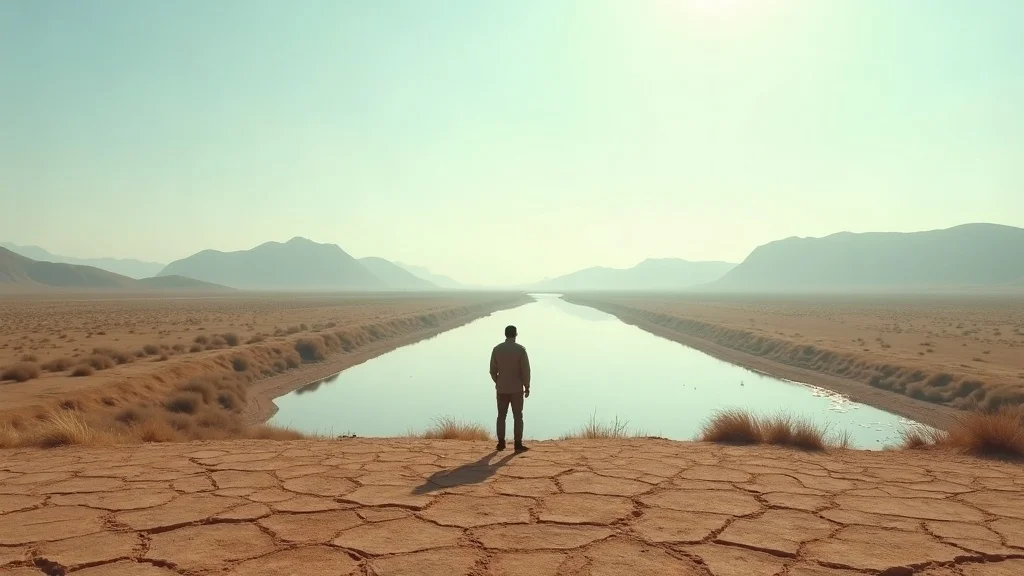
Drought, fundamentally, is not a new visitor on Earth’s stage. Long before global climate change was on anyone’s radar, civilizations documented periods when rainfall ceased, rivers dried, and the land cracked. But today, our awareness feels sharper: I often find myself pausing on a bridge over a river system that once pulsed with natural flow—now reduced to scattered puddles and exposed boulders. Suburban lawns yellow, and newsfeeds buzz with water shortage alerts across the United States. It’s a haunting visual reminder that while we hold more scientific knowledge than ever, our vulnerability to the ebb and flow of water remains timeless.
In the 21st century, drought is an ever-present and multifaceted challenge. Climate change acts as an intensifier, driving rivers dry more frequently and unpredictably. This threatens not only crop yields and economic stability but also destabilizes river ecosystems and communities reliant on regular water flow. The personal and collective anxiety around drought underscores why, despite technological advances, our efforts must reach beyond policy. There's a longing to address not just the symptoms, but the spiritual and ethical roots that underlie our stewardship of river water and the material world as a whole.
What You'll Learn About Drought, Ancient Rituals, and the Power of Chanting
- Core concepts of drought and its historical impact
- How climate change intensifies rivers dry and drought scenarios
- Vedic perspectives on solving drought beyond climate policy
As you journey through this article, you’ll expand your understanding of drought—not just as an environmental crisis, but as a phenomenon deeply rooted in human history and consciousness. We’ll explore how rivers dry up under the stresses of climate change, but also how ancient Vedic solutions, like the Hare Krishna maha mantra, offer intriguing alternatives. From scientific definitions to scriptural stories, you’ll gain both practical and philosophical insights into tackling water scarcity. Ultimately, this discussion will empower you to see drought as a call for both innovative policy and transformative spiritual practice.
Defining Drought: From Climate Change to Rivers Drying Up
What is the definition of a drought?
- Scientific and meteorological perspectives on drought
- Cultural and spiritual interpretations across history
Scientifically, a drought occurs when a region experiences a significant shortage of precipitation over an extended period—long enough to cause critical impacts on water flow, river systems, agriculture, and communities. Meteorologists classify droughts into four types: meteorological (lack of rain), agricultural (affecting soil moisture), hydrological (affecting river water and groundwater), and socio-economic (when water scarcity—driven by human demand—affects daily life). But definitions only tell part of the story.
Culturally and spiritually, societies throughout history have interpreted drought as a signal of imbalance. In the Vedic tradition, drought was often considered a symptom of collective disharmony with natural laws—an external reflection of spiritual disconnect. Such interpretations inspired rituals and practices, by which the community sought to restore both rain and right relations with the environment and the personality of Godhead. Notably, many ancient texts, such as the Srimad Bhagavatam, weave together physical and metaphysical dimensions of drought, suggesting an inseparable link between consciousness and the visible world.
Is the US in a drought right now?
- Current status of drought in the United States
- Personal observations and data-backed insights
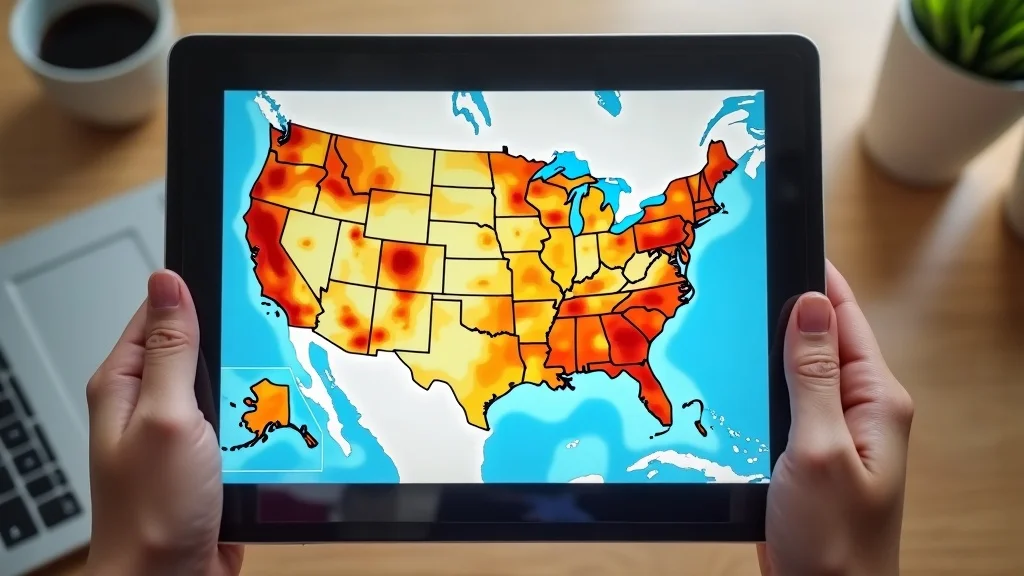
At this very moment, substantial portions of the United States grapple with drought conditions ranging from moderate dryness to severe water scarcity. States in the West and Southwest, like California, Arizona, and Nevada, regularly experience river systems dwindling to anomalously low levels, their once vibrant water flow reduced to meandering trickles. Data from the U. S. Drought Monitor shows that large swaths of farmland, forests, and even urban centers are affected, impacting ecosystems and communities alike.
Having visited several Western states recently, I was struck by how the natural flow of life adapts: seasonal riverbeds parched, crops stunted, and communities banding together to add conservation as a way of life. In these places, the reality of drought is tangible—visible in cracked earth, rationed water, and the ever-present worry etched on locals’ faces. It highlights the ongoing and urgent necessity to rethink not just technical solutions, but the collective consciousness underlying our environmental choices.
What is called a drought?
- Distinguishing drought from other natural events
- How drought disrupts water availability
Drought is specifically characterized by a prolonged deficit in water supply, different from temporary water scarcity or seasonal dryness. While floods or storms might disrupt river water in dramatic bursts, drought creeps in—subtly, steadily—until reservoirs, soils, and even the air seem parched. Unlike acute disasters, drought’s slow onset makes it challenging to pinpoint and plan for, and by the time rivers dry up, recovery is both lengthy and uncertain.
The greatest disruption during a drought is to water availability: drinking water becomes a precious commodity, irrigation is restricted, and natural ecosystems are pushed to their limits as river flow and wetlands shrink. The river ecosystem suffers, fish populations decline, and plants adapted to steady water flow struggle or perish. The indirect effects ripple out—drought can fuel wildfires, raise food prices, and destabilize entire communities and river systems. Recognizing this unique profile is central to devising resilient solutions, both modern and ancient.
What states are facing a water shortage?
- Regions most affected by drought and rivers dry conditions
- How climate change influences local and national trends
In recent years, states such as California, Texas, Arizona, and Nevada have been frequently listed among those suffering the most acute water shortages due to drought. These are regions where river systems—like the Colorado River—have historically provided lifelines for agriculture, cities, and ecosystems, but now struggle to maintain their natural flow under the compounding stress of population growth and climate change. The recurrent drying of rivers and shrinking reservoirs in these states is not merely a local concern; it signals shifting patterns in national water availability.
Climate change is reshaping rain patterns, leading to hotter, longer dry spells that test both engineered water systems and the patience of local residents. The impacts are cascading: not only do river levels drop, but drought’s reach extends to forests, croplands, and rural communities, disrupting river water supply, food chains, and lifestyles. As the United States confronts these escalating crises, a multipronged approach—combining science, policy, and perhaps, as the ancients would argue, spiritual realignment—seems more relevant than ever.
Ancient Approaches to Ending Drought: From Fire Sacrifices to Temple Worship
“Whatever result was obtained in Satya-yuga by meditating on Viṣṇu, in Tretā-yuga by performing sacrifices, and in Dvāpara-yuga by serving the Lord’s lotus feet can be obtained in Kali-yuga simply by chanting the holy name of Kṛṣṇa.” — Srimad-Bhagavatam
- How previous ages used elaborate rituals to address drought
- Limitations of these methods in today’s world
- Transition from physical rituals to spiritual practices
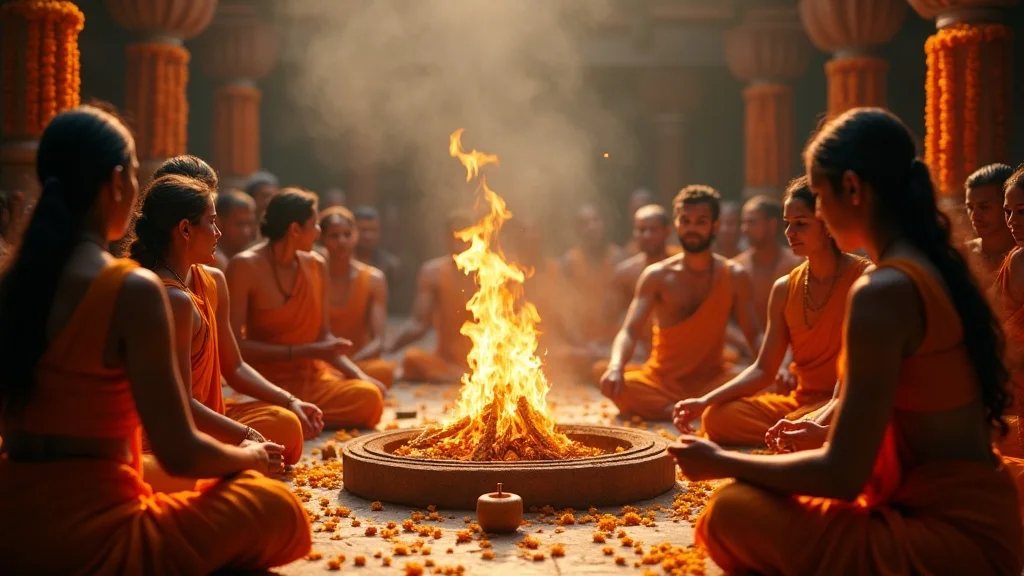
Throughout history, communities facing drought turned to ritual and spiritual practice long before modern interventions existed. In the Vedic tradition—a lineage stretching back through Satya-yuga, Tretā-yuga, and Dvāpara-yuga—elaborate fire sacrifices (yajñas), invocations to Lord Vishnu and Lord Krishna, and grand temple rituals filled the role of climate policy. Whole communities, coordinated by priests and laypeople alike, participated in these ceremonies, believing that harmonizing with the Supreme Personality of Godhead could restore natural balance and water flow.
However, as ancient texts like the Srimad-Bhagavatam make clear, the spiritual fabric of society was purer and less polluted in previous ages. Today, in Kali-yuga—the so-called age of quarrel and hypocrisy—the prescribed methods of the past are nearly impossible: resources are scarce, collective discipline wanes, and the atmosphere is said to be more polluted, physically and metaphysically. The Vedas acknowledge these limitations and advise a shift: from external, often costly rituals to internal, readily accessible practices. Chief among these is the chanting of the Hare Krishna maha mantra, regarded as a potent means not only for spiritual liberation but also for remedying imbalances in the climate and material world.
Chanting the Hare Krishna Maha Mantra: Vedic Solutions for the Modern Drought
The philosophy behind chanting the hare krishna maha mantra
- What makes chanting accessible in the age of climate change
- Krishna maha mantra as a tool for spiritual and environmental healing
The Hare Krishna maha mantra—Hare Krishna, Hare Krishna, Krishna Krishna, Hare Hare, Hare Rama, Hare Rama, Rama Rama, Hare Hare—is celebrated in the Srimad Bhagavatam and other Vedic texts as a uniquely accessible, transformative sound vibration. Unlike the sacrificial fires or temple feasts of earlier yugas, chanting requires no special qualification, wealth, or ceremonial setting. Anyone, anywhere, can join in—alone, in groups, or as whole communities.
But how does this relate to drought? The Vedic philosophy holds that the condition of the environment mirrors the consciousness of its inhabitants; when hearts are restless and disconnected, the material world reflects that dryness—rivers dry, rain withholds. Simply by chanting the holy names, individuals are not only purified from within, but the collective vibration is said to influence ecological balance—re-awakening our responsibility as caretakers of river ecosystems and inviting a return of natural water flow. In this way, the Krishna maha mantra is more than spiritual therapy; it’s a bridge from the inner world to healing the outer crisis.
How chanting the hare krishna has been linked to rainfall in scriptures
- Scriptural stories and testimonials
- Reflections on the relationship between consciousness and rivers dry events
Accounts from Vedic literature and saints describe how collective devotion—expressed through chanting the Hare Krishna maha mantra—has coincided with the end of drought and the replenishing of river systems in ancient times. In some stories, even in periods when rivers dried and crops failed, the heartfelt repetition of the maha mantra by the community would please the Supreme Personality of Godhead, bringing rainfall and restoring water levels. Such narratives, found in the Srimad Bhagavatam and retold in later traditions, emphasize how consciousness shapes not only personal destiny but also the fortunes of ecosystems and societies.
Skeptics may view these stories as myth, but there’s a universal resonance: environmental crises often reveal spiritual imbalances—disconnection from nature, each other, and deeper meaning. Whether or not rain follows every kirtan is less important than the inner shift promoted by chanting: a movement from despair to stewardship, from alienation to community, from exploitation to reverence for river water, land, and the forces that nurture life. The Vedic legacy offers this as a living, practical tool for anyone addressing both drought and the inner drought of the heart.

Modern Drought Solutions vs. Spiritual Approaches
| Approach | Examples | Effectiveness | Accessibility | Sustainability |
|---|---|---|---|---|
| Technical/Policy | Water conservation, reservoirs, cloud seeding, irrigation technology | Variable—often effective short-term, but dependent on climate & infrastructure | Requires investment, expertise, & government/community coordination | Resource-intensive; may have ecological side-effects if unsustainable |
| Spiritual Practice | Chanting the Hare Krishna maha mantra, community prayer, group meditation | Effectiveness seen in inner transformation, with many scriptural and anecdotal links to rainfall | Open to all, free from material bondage, inclusive regardless of status or location | Promotes long-term harmony between people, nature, and higher consciousness |
- Conventional policy measures (conservation, reservoirs, cloud seeding, etc.)
- spiritual practices like chanting the hare krishna maha mantra
- Evaluating effectiveness, accessibility, and sustainability
While technical solutions—conservation, engineered reservoirs, cloud seeding—remain essential tools against water scarcity, they’re often resource-intensive and may lead to unintended consequences in river ecosystems. Changes in river water use, damming, or artificial rainfall can disrupt natural flow, altering water availability for countless species and downstream communities. Accessibility, too, is an issue: these methods require investment, coordination, and sometimes political will that not all communities can muster.
By contrast, spiritual approaches like chanting the Hare Krishna maha mantra require no special infrastructure, no financial outlay, and can be practiced individually or collectively anywhere—even as rivers dry and resources run thin. They offer a form of empowerment and accessibility especially relevant during a global era of environmental and ethical uncertainty. While policy solves immediate needs, spiritual practices aim at root transformation—healing the consciousness and ethics underlying our management of the material world. Perhaps the real solution is not "either/or" but "both/and"—fusing outer technology with inner realization.

Lists: Steps to Incorporate Spiritual Practice During Drought
- Recognize signs and local impacts of drought. Get informed about your region’s water levels, river system health, and any water shortage alerts in your community.
- Study ancient Vedic texts and practices relating to drought. Resources like the Srimad Bhagavatam offer philosophical and practical teachings on restoring balance, individually and collectively.
- Engage in chanting the Hare Krishna maha mantra individually or in groups. Join community kirtans or meditate at home, aligning your consciousness with the spiritual order and inviting transformation to both inner and outer environments.
- Reflect on personal responsibility and environmental stewardship. Evaluate your use of water and natural resources, striving to act as a caretaker for the river ecosystem and a cooperative member of the greater world family.
FAQs on Drought, Rivers Drying, and Krishna Maha Mantra
-
Can chanting actually influence weather and rainfall?
While scientific consensus stops short of confirming a direct correlation between chanting and rainfall, many Vedic scriptures and traditions believe that collective spiritual consciousness can bring about positive changes—in personal wellbeing, communal harmony, and even environmental patterns. The core principle is that spiritual imbalance in the material world can manifest as events like drought, and spiritual practices such as chanting the Hare Krishna maha mantra can help restore both inner and external equilibrium. -
Are there modern examples of drought relief linked to spiritual practice?
There are numerous anecdotes across cultures where communities engaged in group prayer, kirtan, or the recitation of holy names during drought, followed by significant rainfall. In the Vedic tradition, stories from the Srimad Bhagavatam recount miraculous restoration of river water following devotional acts. While these accounts are viewed with skepticism by some, for believers, they serve as inspiration to make spiritual practices a central part of their response to environmental crises. -
How do climate change and drought relate to spiritual imbalance?
The Vedic worldview sees all of nature as interconnected with human consciousness and morality. Intensive exploitation, pollution, and disregard for the river ecosystem or water levels create not just ecological, but also spiritual disturbances. Drought and rivers drying are interpreted as signs of the material world falling out of harmony, and spiritual practices like chanting the hare krishna maha mantra offer a way for the conditioned soul to reconnect, promoting balance between internal awareness and external action.
Key Takeaways: Re-envisioning Drought Solutions for a Changing World
- Drought remains a multifaceted challenge with both material and spiritual aspects
- Ancient Vedic solutions like the maha mantra offer alternative approaches
- Integrating climate change policy with inner transformation could offer new hope
Explore Further on Ancient Solutions to Drought
- Learn more at https://asitis.com/3/14
If you’re searching for deeper insight on drought, rivers dry, and Vedic wisdom, explore further here and discover timeless tools for our challenging times.
Drought is a complex and multifaceted phenomenon that has challenged humanity throughout history. In the United States, drought conditions are currently affecting significant portions of the country, with 40.01% of the U.S. and 47.84% of the Lower 48 states experiencing drought as of June 30, 2026. (drought.gov)
The Environmental Protection Agency (EPA) emphasizes the importance of adopting water-efficient practices to mitigate the impacts of drought. These include using effective irrigation systems, watering lawns and gardens during cooler parts of the day to minimize evaporation, and adhering to state and local water use restrictions during drought periods. (epa.gov)
Understanding the various types of drought is crucial for effective management and response. The National Integrated Drought Information System (NIDIS) categorizes drought into several types:
-
Meteorological Drought: Characterized by prolonged periods of below-average precipitation.
-
Hydrological Drought: Occurs when low water supply becomes evident in water systems.
-
Agricultural Drought: Affects crop production due to inadequate soil moisture.
-
Socioeconomic Drought: Happens when water shortages impact the supply and demand of goods and services.
-
Ecological Drought: Impacts natural ecosystems, leading to reduced plant growth and loss of biodiversity. (drought.gov)
Incorporating both modern scientific approaches and ancient wisdom can offer a holistic perspective on addressing drought. While technological solutions focus on immediate relief and resource management, spiritual practices, such as those found in Vedic traditions, emphasize harmony with nature and inner transformation. This integrated approach may provide comprehensive strategies to mitigate the effects of drought and promote environmental sustainability.






Write A Comment