
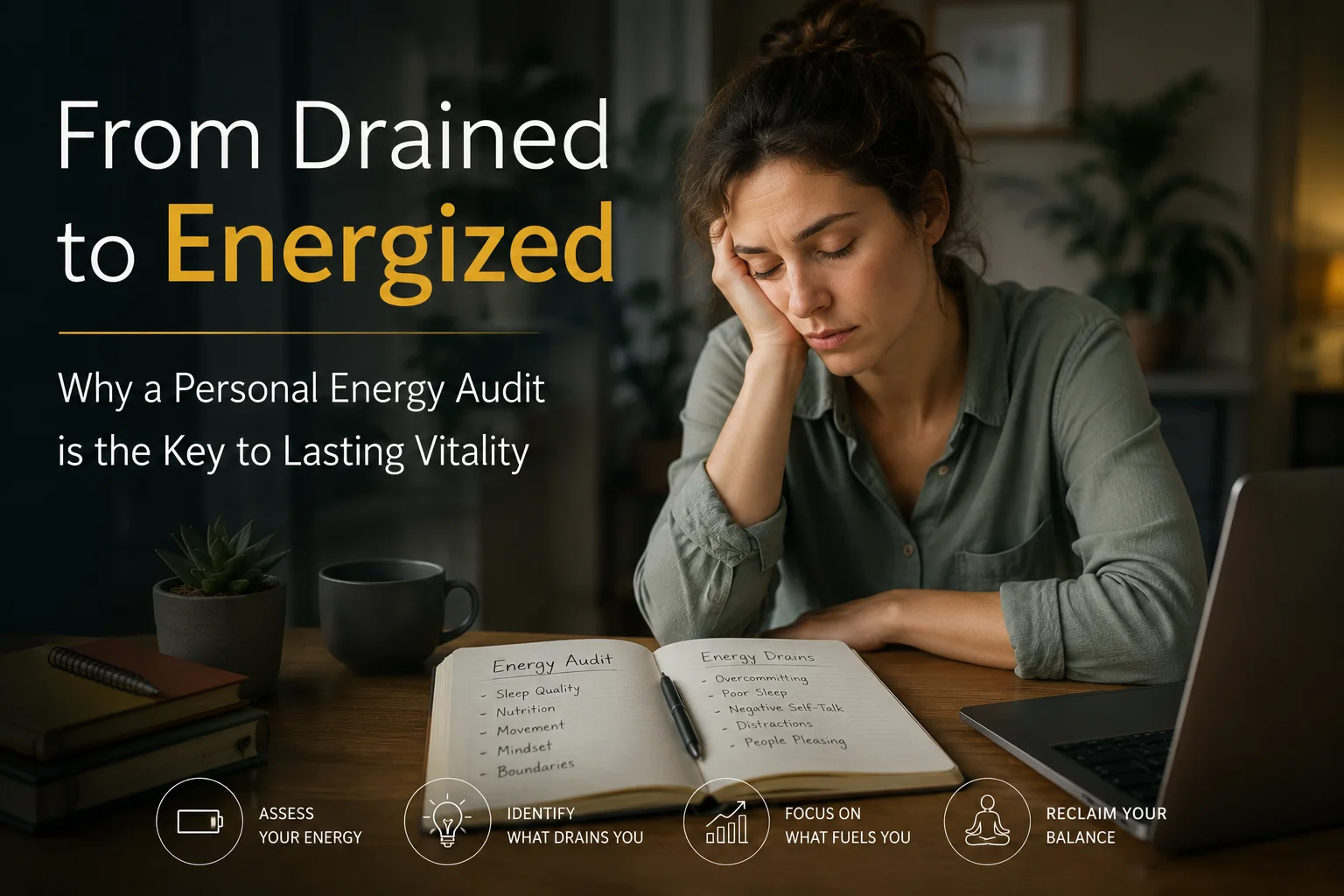
Feeling drained despite a busy schedule isn't just burnout—it's a rest deficit. Understanding how to do a personal energy audit can transform your life by helping you reclaim focus, balance, and vitality through effective energy management. Let’s explore why this simple step is your key to lasting energy and wellbeing.
Unlocking Energy: Why Learning How to Do a Personal Energy Audit Matters
Understanding the rest deficit and its impact on wellbeing: Many driven individuals, from busy professionals to students, often find themselves running on empty. This rest deficit isn’t just physical fatigue; it’s a chronic drain triggered by overcommitting and undervaluing recovery.
How personal energy audit unveils hidden energy leaks: A personal energy audit helps you assess the main areas where energy leaks occur. Unlike a home energy audit—where you inspect your space for inefficiencies—a personal audit enables you to pinpoint where your own focus, emotions, and body lose energy.
“Measuring our days by energy, not just tasks, is the blueprint for a more intentional life.”

Moving away from never-ending to-do lists, shifting your approach to personal energy management through an energy audit lays the groundwork for meaningful productivity. By addressing the sources of your fatigue at their core, you move from hyper-productivity to intentional rest—without guilt. The end result? A calendar that sustains you, not just your workload.
As you begin to identify your unique energy patterns, it’s helpful to pair your audit with practical strategies for daily renewal. For actionable tips on improving sleep quality and boosting energy throughout the day, explore these top sleep and energy tips that complement your personal energy audit journey.
What You'll Learn from an Energy Audit
How to identify and remedy energy leaks in your home and personal routines: You’ll gain the skills to spot where your energy gets drained throughout the day—whether from work demands, relationship friction, or neglected self-care.
The four types of personal energy—where yours is thriving (and failing): Learn to distinguish between physical, mental, emotional, and spiritual energy, and discover zones where you’re running low.
Step-by-step guide to conducting your own personal energy audit: We’ll walk you through actionable steps for a clear, customized energy assessment you can repeat regularly.
Real transformation begins with self-awareness. By the end of this guide, you’ll have practical tools to diagnose and address your rest deficit—and perform a real energy assessment that leads to sustained vitality.

What Is a Personal Energy Audit and How to Do One
Defining personal energy audit vs. home energy audit: A personal energy audit assesses your mental, emotional, physical, and spiritual inflows and outflows, whereas a home energy audit focuses on building systems and clean energy use (gov websites often recommend regular energy assessments for efficiency).
Purpose and outcomes of an energy assessment: The main purpose of an energy audit is to reveal where energy leaks appear in your life—such as persistent stress, poor sleep, or strained relationships—so you can strategically address the most draining habits or challenges.
Shifting from time management to energy management: Traditional productivity measures success by finished tasks; however, your greatest resource is how you manage personal energy. Prioritizing rest, boundaries, and activities that restore you (think: qi gong, nutrition, play) makes your days productive and sustainable.
Essentially, a personal energy audit helps you “see” where your focus, enthusiasm, and physical stamina are being sapped, guiding you toward a more intentional, rested, and effective life. It’s about aligning your daily schedule with your real energy needs, not just your calendar commitments.
Identifying Hidden Energy Leaks in Your Life
Common signs of energy leaks in work, relationships, and self-care: Chronic exhaustion, irritability, procrastination, and frequent illnesses often point to overlooked energy drains. These may stem from overloaded schedules, draining relationships, tech distractions, or inadequate self-care.
How energy assessments reveal your biggest drains: Through careful tracking—using an audit worksheet or digital tool—you can identify “dead zones” when your main energy inflows dwindle and pinpoint when energy outflows spike.
Personal energy audit: Emotional, mental, and physical energy zones: Break your day into zones (work blocks, breaks, commute, meals, social interactions) and track your energy level in each. Pay attention to lagging mental energy, emotional exhaustion, or physical fatigue for clues to your personal energy profile.

Sometimes, the biggest leaks are subtle—a sense of obligation, negative self-talk, an always-on phone—chipping away at your reserves. Energy assessments, informed by both professional and personal perspectives, reveal these insidious drains, offering clear starting points for renewal.
Think of it as “running an energy audit” on your day: Are meetings energizing or draining? Is your lunch a quick refuel or a mindless scroll? By noticing these patterns, you unlock pathways to cleaner, more consistent energy flow and a new definition of productivity centered on wellbeing.
Step-by-Step Guide: How to Do a Personal Energy Audit
Setting up for your personal energy audit: Choose a quiet day or even a whole week to conduct your personal energy audit by observing yourself without judgment. Use a journal or digital tracker to note your activities and energy level at regular intervals.
Tracking activities and classifying energy input/output: For every time block (work, commute, meals, socializing), rate your physical, mental, emotional, and spiritual state. Were you energized or depleted? What contributed to either outcome?
Energy audit tools: Journals, trackers, and digital aids: Consider using printable audit worksheets, mobile apps, or even a spreadsheet. Simple color coding or a ‘traffic light’ system (green=high energy, yellow=neutral, red=drained) can make patterns stand out.
Assessing your calendar for energy leaks: Cross-reference your calendar events with your energy ratings. Identify recurring blocks—such as weekly meetings or social events—that leave you depleted, as well as moments that consistently recharge you.
Table: Energy Audit Example Schedule
Time Block |
Activity |
Physical Energy |
Mental Energy |
Emotional Energy |
Spiritual Energy |
|---|---|---|---|---|---|
8:00–9:00am |
Morning Walk + Breakfast |
8/10 |
7/10 |
9/10 |
6/10 |
9:00–11:30am |
Emails + Creative Work |
6/10 |
8/10 |
7/10 |
7/10 |
11:30am–12:30pm |
Team Meeting |
5/10 |
6/10 |
4/10 |
5/10 |
1:00–2:00pm |
Lunch, Qi Gong, Reflection |
7/10 |
6/10 |
9/10 |
8/10 |
2:00–5:30pm |
Focused Project Work |
5/10 |
7/10 |
6/10 |
7/10 |
6:00–7:00pm |
Dinner with Family |
8/10 |
6/10 |
10/10 |
8/10 |
8:00–9:00pm |
Meditation + Light Reading |
7/10 |
8/10 |
7/10 |
9/10 |
Regularly reviewing your audit worksheet helps you identify and prioritize activities that support high energy levels, allowing you to adjust your routines for maximum vitality and wellbeing.
The Four Types of Personal Energy—And How to Balance Them
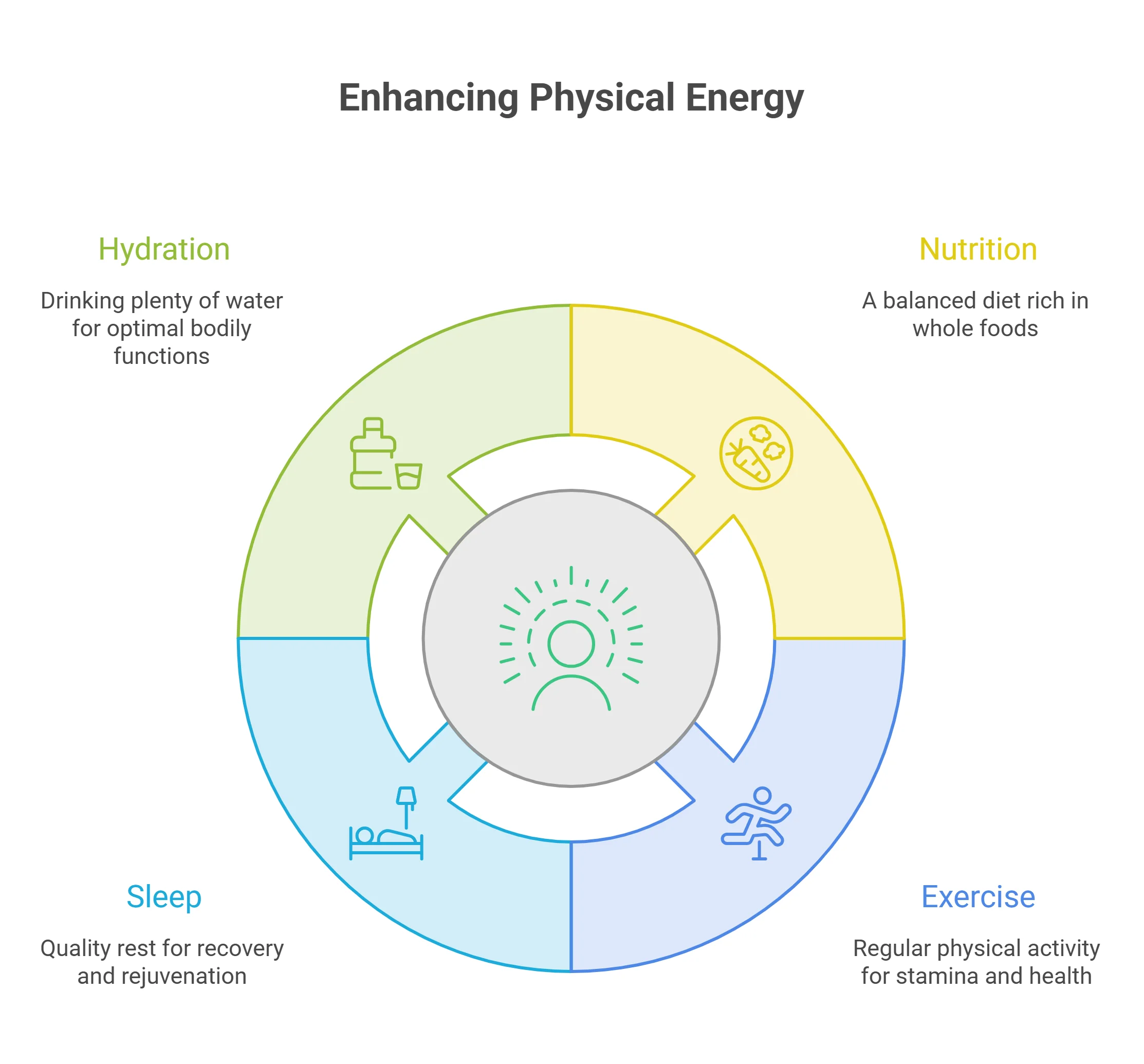
Physical energy: Rest, nutrition, movement: Prioritize high-quality sleep, nourishing meals, and regular movement (like qi gong or yoga). These core energy sources allow you to tackle your schedule with resilience.
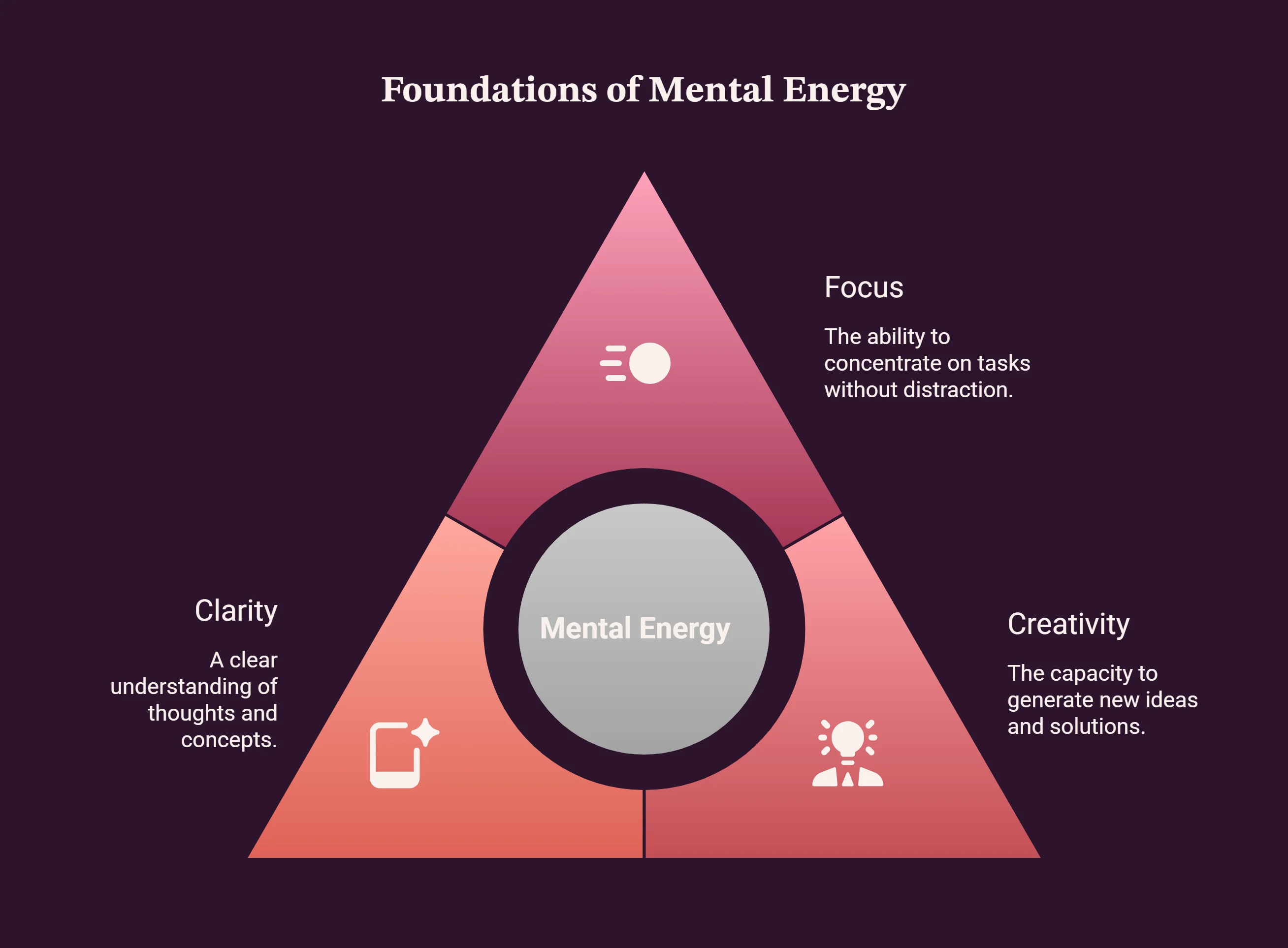
Mental energy: Focus, overload, cognitive rest: Limit multitasking and digital overload. Use focused work blocks and scheduled breaks to sustain your mental energy throughout the day.
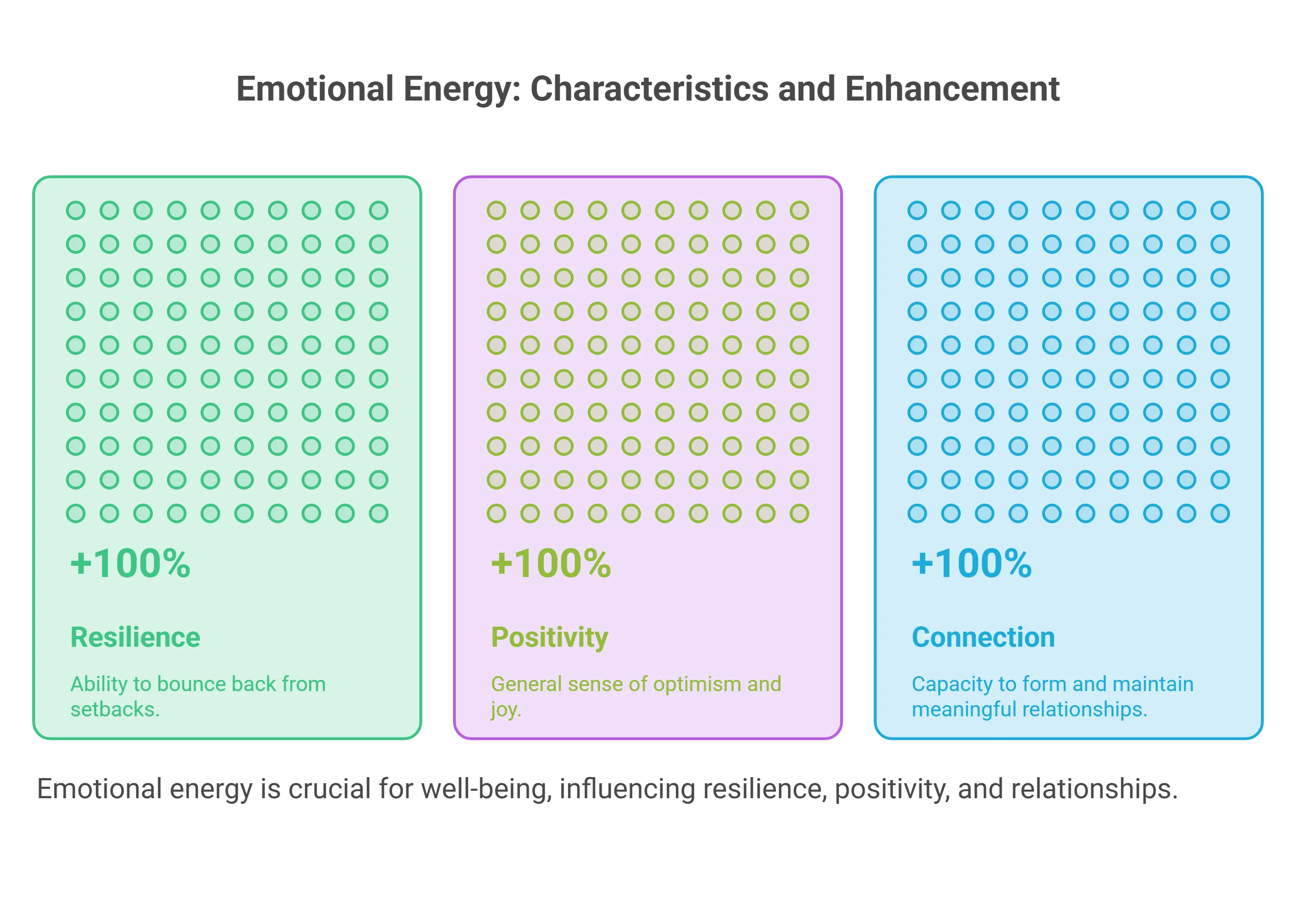
Emotional energy: Relationships, boundaries, joy: Surround yourself with supportive people and set boundaries to minimize energy leaks from draining interactions. Schedule activities that bring genuine joy and connection.
Spiritual energy: Meaning, purpose, alignment: Align your tasks with deeper values—through practices like reflection, gratitude, or meditation—to tap into a renewable well of inspiration.

Assess the main energy inflows and outflows in each area regularly. This multidimensional approach reveals which type of energy needs the most attention and provides leverage for targeted improvement. By practicing this holistic self-care, you support not only productivity but also a more meaningful, joyful experience of life.
A short animated explainer visually guides you through the steps of conducting a personal energy audit, highlighting common energy leaks and recovery strategies. No spoken text required on screen—just clear, uplifting motion graphics so you can follow along at your own pace.
Intentional Rest: Closing Your Energy Leaks Post-Audit
Somatic strategies for recovery and energy renewal: Practice mindful techniques—deep breathing, gentle stretching, short nature breaks, or qi gong—to support somatic recovery. These help you restore main energy inflows and actively close leaks.
Low-guilt rest and redefining productivity: Intentional rest isn’t lazy. As leading wellness thinkers like Dan Sullivan suggest, true performance depends on allowing guilt-free downtime for body and mind. Redefine “productive” days by how you feel, not just what you finish.
Personal energy audit insights leading to lasting behavioral change: Use your audit results to inform daily choices—from decluttering your schedule to creating boundaries that guard your most important energy sources. Over time, this drives deep, positive change.

Closing energy leaks identified in your personal energy audit is about sustainability, not perfection. Each audit brings new clarity, making incremental improvements possible—and lasting.
Practical Tools and Lists for Your Next Personal Energy Audit
-
Checklist: Daily and weekly signs you need an energy audit
Waking up tired despite a full night’s sleep
Frequent procrastination or difficulty focusing
Feeling irritable, anxious, or emotionally depleted
Forgetting tasks or losing enthusiasm
Struggling to unwind or disconnect
-
List: Actions to take for immediate energy wins
Make a list of your day’s most energizing moments
Schedule a tech-free break and step outside
Say “no” to one non-essential commitment
Practice a quick qi gong session, breathing exercise, or gratitude reflection
-
Apps and resources that simplify your energy assessment process
Energy tracking journals or printable audit worksheets
Mobile apps for mood/energy logging
Guided audio breaks or mindfulness tools
Wellness websites (like NCWellnessHub.com) for expert tips, articles and guides
Using these practical resources removes guesswork from your next energy assessment and transforms insights into direct action for sustained improvement.
Quotes from Experts on Personal Energy and Rest
"Rest is not the opposite of productivity—it’s the source." — Leading wellness expert

Embracing a new philosophy—where rest isn’t just a reward, but a foundation—gives you permission to live and perform at your best.
Key Takeaways on How to Do a Personal Energy Audit
Audit your energy, not just your time, for real balance.
Your calendar should support somatic recovery, not just tasks.
Intentional rest is vital for consistent performance and health.
People Also Ask
Can I do a home energy audit myself?
Yes, you can perform a basic home energy audit using a checklist, similar to conducting a personal energy audit. Both processes involve identifying and fixing energy leaks to boost overall well-being.
How much does a home energy audit typically cost?
While a professional home energy audit usually carries a fee, a personal energy audit is free and only costs your attention and honesty in evaluating your energy habits.
What are the 4 types of personal energy?
The four types of personal energy are physical, mental, emotional, and spiritual. Each plays a crucial role in overall balance and effectiveness.
Is a home energy audit worth it?
A home energy audit helps reveal areas for improvement—much like a personal energy audit exposes hidden sources of fatigue and inefficiency in your own life.
FAQs: How to Do a Personal Energy Audit
How often should you perform a personal energy audit? Ideally, conduct an audit seasonally or whenever you experience a noticeable dip in focus, productivity, or mood. Regular reviews help catch leaks before they become draining patterns.
Can a personal energy audit improve sleep and focus? Absolutely. Many people report better sleep, improved concentration, and greater resilience after identifying and closing significant energy leaks with regular self-assessment and intentional rest.
What if my energy leaks are unavoidable? While some drains are beyond your control, a personal energy audit empowers you to set boundaries, schedule more restorative activities, or reframe perspectives to minimize their impact.
Discover More About Personal Energy Audits
For continued insights, strategies, and expert guidance on how to do a personal energy audit and boost your wellbeing, discover more trusted information like this at: NCWellnessHub.com
If you’re ready to take your energy management to the next level, consider how your morning routine sets the tone for your entire day. Discover the science-backed benefits of intentional mornings and learn how the Remarkable Morning Method can help you unlock your best mental state.
By integrating mindful habits from the moment you wake up, you’ll amplify the results of your personal energy audit and create a foundation for lasting vitality and focus. Explore how small shifts in your morning can lead to transformative gains in energy, clarity, and overall wellbeing.
Conclusion: Performing a personal energy audit is your gateway to intentional rest and sustainable performance. Start today, and let your energy—not just your calendar—guide your success.
To further enhance your understanding of conducting a personal energy audit, consider exploring the following resources:
“Could a personal energy audit help leaders manage wellbeing?” (tes.com)
“Do a Personal Energy Audit” (drjwhite.com)
These articles provide practical insights and step-by-step guidance on assessing and managing your personal energy levels effectively.
Handpicked For Your Momentum:
The Invisible Weight: Why Mental Clutter Is the Real Reason You’re Always Tired
Unlocking Relief: Press Here to Release Jaw Tension and Anxiety






Write A Comment